Understanding the Importance of Outdoor Portable Lighting
For lighting contractors, outdoor portable lights are more than just convenient tools—they are essential assets that enhance safety, efficiency, and versatility on a variety of job sites. Whether working on construction sites, event setups, or emergency repairs, portable lighting solutions provide the illumination necessary to perform tasks accurately and safely in low-light conditions.
Outdoor portable lights are designed to withstand harsh environments, offering durability against weather elements such as rain, dust, and extreme temperatures. This resilience ensures that lighting contractors can rely on these tools regardless of the conditions, minimizing downtime and maintaining productivity.
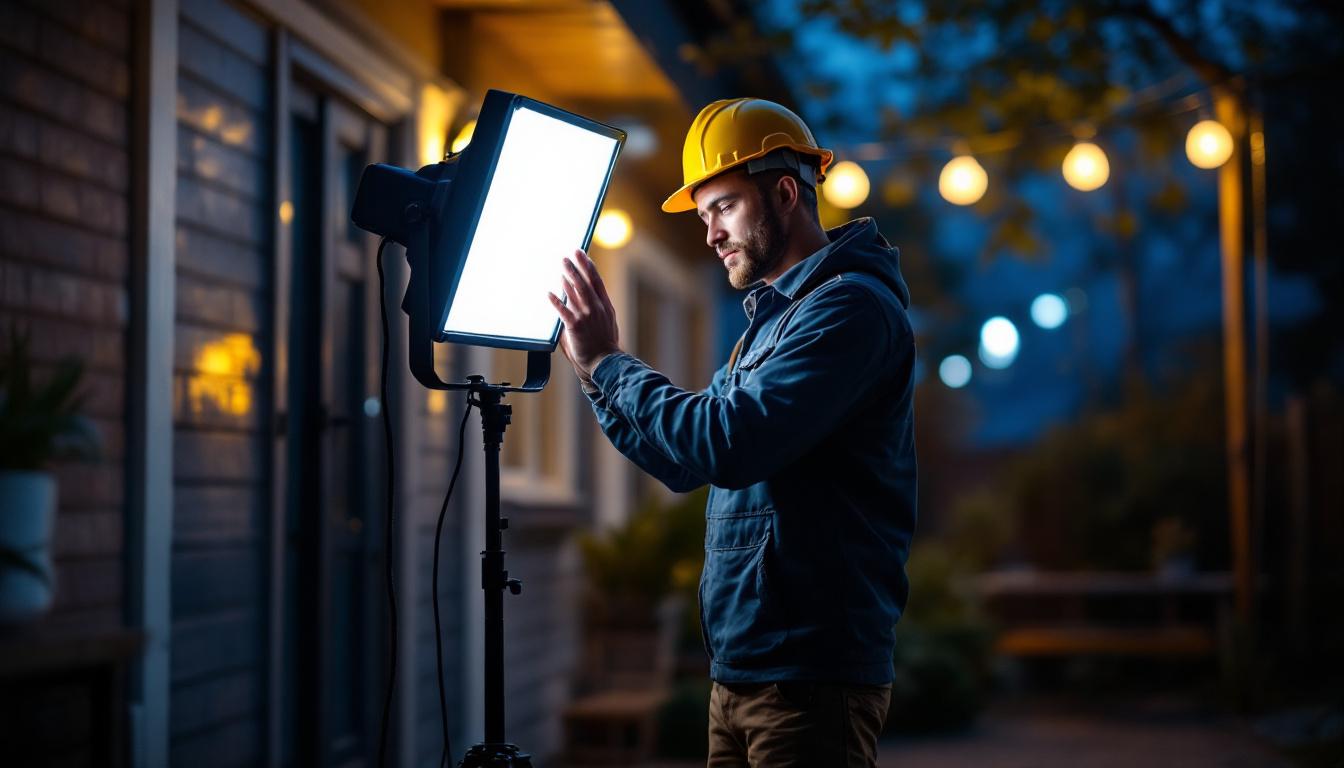
Furthermore, the portability factor allows contractors to easily move lights around a site, adapt to changing work zones, and provide targeted illumination exactly where it’s needed. This flexibility is crucial for dynamic work environments where fixed lighting isn’t feasible. The ability to reposition lights quickly can also enhance the safety of workers by illuminating hazards that may not be visible without adequate lighting, thus preventing accidents and injuries.
In addition to their practical applications, outdoor portable lights come equipped with various features that cater to the specific needs of contractors. Many models offer adjustable brightness settings, allowing users to customize the light output based on the task at hand. Some lights even include rechargeable batteries, making them an eco-friendly option that reduces reliance on generators and minimizes noise pollution on job sites. This is particularly beneficial in residential areas or during nighttime events where maintaining a peaceful environment is essential.
Moreover, advancements in LED technology have revolutionized outdoor portable lighting, providing brighter illumination while consuming less energy. This not only enhances visibility but also extends the lifespan of the lights, making them a cost-effective investment for contractors. As the demand for energy-efficient solutions grows, these innovative lighting options are becoming increasingly popular, allowing contractors to meet both their operational needs and sustainability goals simultaneously.
Key Features to Consider When Selecting Outdoor Portable Lights
Brightness and Light Quality
One of the most critical factors for lighting contractors is the brightness of the portable light, typically measured in lumens. Depending on the application, contractors may require anything from 1,000 lumens for small-scale tasks to over 10,000 lumens for large construction zones or outdoor events.
Beyond brightness, the quality of light—such as color temperature and color rendering index (CRI)—plays a significant role. A light with a high CRI (above 80) ensures colors appear natural and details are visible, which is essential for precision work. For example, in tasks like painting or electrical installations, accurate color representation can prevent costly mistakes. Additionally, the color temperature, measured in Kelvin, can influence the mood of the workspace; warmer lights (around 3000K) create a cozy atmosphere, while cooler lights (5000K and above) enhance alertness and focus, making them ideal for demanding tasks.
Power Source and Battery Life
Portable lights come with various power options including rechargeable batteries, plug-in cords, and fuel-powered generators. Lithium-ion batteries are currently the most popular choice due to their long life, lightweight design, and fast charging capabilities.
Contractors should evaluate the expected duration of their work shifts and select lights that offer sufficient run time. Some high-end models provide battery life indicators and quick-swap battery systems, allowing continuous operation without significant interruptions. Moreover, the ability to use solar panels as a supplementary power source can be a game-changer for outdoor projects, particularly in remote locations where access to traditional power sources is limited. This eco-friendly option not only reduces operational costs but also minimizes the environmental impact of lighting setups.
Durability and Weather Resistance
Given the outdoor nature of many projects, lights must be rugged and weatherproof. Look for products with an IP (Ingress Protection) rating of at least IP65, which guarantees protection against dust and water jets. Impact resistance is also important, especially on construction sites where equipment may be dropped or bumped.
In addition to IP ratings, materials used in construction play a vital role in durability. Aluminum and high-grade plastics are often favored for their lightweight yet robust characteristics. Some models even incorporate shock-absorbing designs to withstand drops and impacts, making them suitable for the rigors of outdoor work. Furthermore, features like heat dissipation systems can extend the lifespan of the light by preventing overheating during prolonged use, ensuring that contractors can rely on their equipment day in and day out.
Portability and Mounting Options
Weight and size affect how easily a light can be transported and positioned. Compact, lightweight models are ideal for quick setups and frequent relocations. Additionally, versatile mounting options—such as tripods, magnetic bases, or hooks—allow contractors to customize the lighting angle and height according to specific needs.
Moreover, some portable lights come with integrated handles or wheels, making them even easier to maneuver across job sites. The ability to adjust the height and angle of the light can also enhance visibility in hard-to-reach areas, ensuring that no corner of the workspace is left in the dark. For contractors who often work in teams, lights with remote control capabilities can streamline operations, allowing one person to adjust the lighting without having to move around the site, thus improving efficiency and safety during critical tasks.
Types of Outdoor Portable Lights and Their Applications
LED Work Lights
LED work lights have become the industry standard due to their energy efficiency, brightness, and long lifespan. They generate less heat compared to traditional halogen lamps, reducing the risk of burns and improving safety.
These lights are commonly used on construction sites, roadwork, and maintenance projects. Their ability to produce bright, focused beams makes them suitable for detailed tasks and large area illumination alike.
Floodlights
Floodlights provide wide-angle illumination, covering large outdoor areas such as event venues, parking lots, and sports fields. Portable floodlights often come with adjustable stands or poles, allowing contractors to elevate the light source for maximum coverage.
While floodlights are less focused than work lights, their broad beam is invaluable for general site lighting and security purposes.
Spotlights and Task Lights
Spotlights deliver concentrated beams of light, ideal for highlighting specific areas or objects. These are particularly useful for inspection tasks, signage illumination, or emergency response situations where pinpoint accuracy is required.
Task lights, often smaller and more flexible, can be mounted on helmets, tools, or machinery to provide hands-free illumination.
Solar-Powered Lights
Solar-powered portable lights are gaining traction due to their sustainability and independence from electrical grids. They are especially advantageous in remote locations or during extended outages.
While solar lights may have limitations in brightness and run time compared to battery-powered models, advances in solar technology have significantly improved their reliability and performance.
Best Practices for Using Outdoor Portable Lights on Job Sites
Strategic Placement for Optimal Illumination
Effective lighting is not just about brightness but also about placement. Contractors should assess the site layout and identify areas prone to shadows or hazards. Positioning portable lights at multiple angles can eliminate blind spots and reduce glare, enhancing overall visibility.
Using adjustable stands or mounts allows for fine-tuning the direction and height of the light source, adapting to different phases of the project as work progresses.
Ensuring Safety and Compliance
Lighting contractors must adhere to occupational safety standards, such as those outlined by OSHA or local regulatory bodies. Proper illumination reduces the risk of accidents, falls, and equipment mishandling.
Regular inspection of portable lights for damage, loose connections, or battery issues is essential to maintain safe operation. Additionally, using lights with built-in safety features like overheat protection and waterproof casings helps prevent hazards.
Maintenance and Storage Tips
Routine maintenance extends the life of portable lighting equipment. Cleaning lenses and reflectors ensures maximum light output, while checking cables and battery contacts prevents electrical failures.
When not in use, lights should be stored in dry, temperature-controlled environments to avoid corrosion and battery degradation. Keeping spare batteries and chargers on hand can minimize downtime during extended projects.
Emerging Trends and Innovations in Portable Outdoor Lighting
Smart Lighting Solutions
Integration of smart technology into portable lights is revolutionizing the way contractors manage illumination. Features such as remote control via smartphones, programmable brightness levels, and motion sensors enhance convenience and energy efficiency.
Some models also include data logging capabilities, allowing contractors to track usage patterns and optimize lighting strategies for future projects.
Advancements in Battery Technology
Recent developments in battery chemistry, including solid-state and graphene-enhanced batteries, promise longer run times, faster charging, and improved safety. These innovations will enable lighting contractors to work longer hours with fewer interruptions.
Eco-Friendly Lighting Options
With increasing emphasis on sustainability, manufacturers are producing portable lights with recyclable materials, energy-efficient LEDs, and solar charging options. Lighting contractors can leverage these eco-friendly solutions to meet client demands for green building practices and reduce environmental impact.
Conclusion: Maximizing Efficiency with the Right Outdoor Portable Lighting
For lighting contractors, selecting the appropriate outdoor portable lighting solutions is a critical component of project success. Understanding the specific requirements of each job, from brightness and durability to power source and portability, enables contractors to make informed decisions that enhance safety and productivity.
Staying abreast of technological advancements and adopting best practices in usage and maintenance further ensures that portable lights remain reliable tools in the contractor’s arsenal. By investing in quality equipment and leveraging innovative features, lighting contractors can deliver superior results across diverse outdoor applications.
Illuminate Your Projects with LumenWholesale
Ready to enhance your lighting capabilities with the most efficient outdoor portable lighting solutions? Look no further than LumenWholesale, where we provide contractors with the highest quality, spec-grade lighting products at unbeatable wholesale prices. Our commitment to cutting out the middleman means you get superior lighting without the inflated markups, ensuring every project shines with reliability and high performance. With our wide selection, free shipping on bulk orders, and no hidden fees, you can trust LumenWholesale for the perfect blend of quality, affordability, and convenience. Elevate your lighting game and get the best value by visiting Wholesale Lighting at the Best Value today.