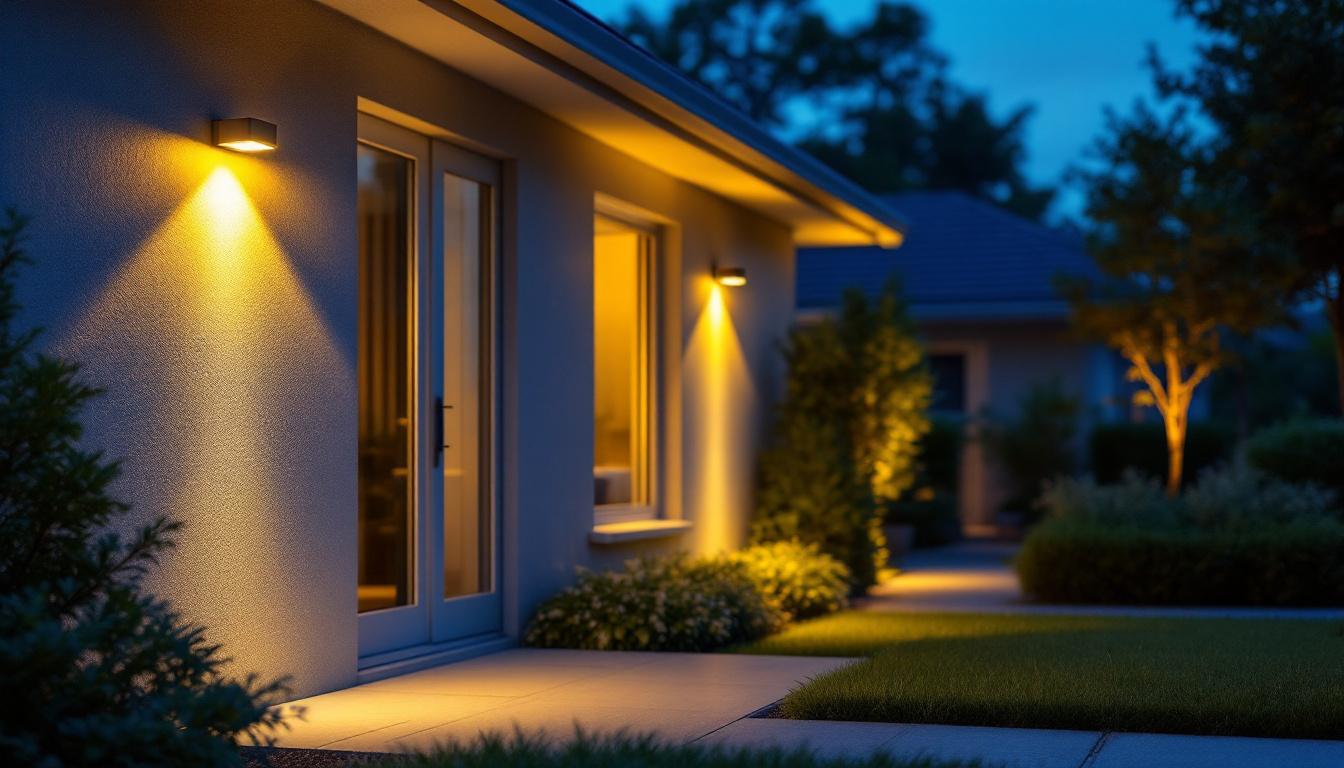
As outdoor lighting continues to evolve, motion sensor fixtures have become a staple for enhancing safety, security, and energy efficiency. For lighting contractors, understanding the nuances of these fixtures is essential to provide clients with the best solutions. This article delves into various hacks and tips that can help contractors maximize the effectiveness of motion sensor outdoor lighting fixtures.
Understanding Motion Sensor Technology
Before diving into practical hacks, it’s crucial to grasp how motion sensor technology works. Most outdoor motion sensors utilize passive infrared (PIR) technology, which detects changes in heat emitted by objects in its field of view. When a warm body, such as a person or animal, enters the detection zone, the sensor triggers the light. This technology is particularly effective in residential settings, where it can enhance security and provide convenience, illuminating pathways and entryways as needed.
Another popular technology is the microwave sensor, which emits microwave signals and measures the reflection off moving objects. This type of sensor can detect motion through obstacles like foliage, making it ideal for outdoor settings. Microwave sensors are often used in commercial applications due to their ability to cover larger areas and their sensitivity to even the slightest movements, which can be crucial for security systems in businesses.
Types of Motion Sensors
Contractors should be familiar with the different types of motion sensors available. PIR sensors are the most common for outdoor lighting due to their cost-effectiveness and reliability. However, for larger areas or environments with obstructions, microwave sensors may be more appropriate. The choice between these technologies often depends on the specific application; for instance, a garden or backyard may benefit from PIR sensors, while a parking lot might require the advanced capabilities of microwave sensors.
Additionally, dual technology sensors combine both PIR and microwave technologies, offering enhanced accuracy and reducing false triggers. These sensors are particularly advantageous in environments where both human and animal movement is common, as they can differentiate between the two, thus minimizing unnecessary activations. Understanding these options allows contractors to recommend the best solution based on the specific needs of their clients, ensuring optimal performance and satisfaction.
Key Features to Consider
When selecting motion sensor outdoor lighting fixtures, several key features should be taken into account:
- Detection Range: Different fixtures have varying detection ranges. It’s essential to choose a fixture that covers the intended area effectively. For instance, a sensor with a wider detection range may be necessary for larger properties, while smaller homes may require less expansive coverage.
- Adjustable Sensitivity: Look for fixtures that allow contractors to adjust the sensitivity of the motion detection. This feature can help reduce false alarms caused by pets or passing vehicles. Sensitivity adjustments are particularly useful in urban areas where environmental factors can trigger unnecessary alerts.
- Time Delay Settings: Many fixtures come with adjustable time delay settings, allowing the light to stay on for a specified duration after motion is detected. This feature is beneficial for walkways, ensuring safety without wasting energy. Longer time delays can be useful in areas where individuals may linger, such as porches or patios.
Another important aspect to consider is the power source of the motion sensor lights. Some fixtures are hardwired, while others may be solar-powered, offering flexibility in installation and energy savings. Solar-powered options are particularly appealing for remote locations where access to electricity is limited, providing an eco-friendly solution without compromising functionality. Additionally, the durability and weather resistance of the fixtures should not be overlooked, as outdoor sensors need to withstand various environmental conditions while maintaining performance.
Installation Hacks for Optimal Performance
Proper installation is key to ensuring that motion sensor outdoor lighting fixtures work effectively. Here are some hacks that can help contractors achieve optimal performance.
Strategic Placement
Placement of the motion sensor is critical. Ideally, sensors should be installed at a height of 6 to 8 feet, which is optimal for detecting human movement. Additionally, positioning the sensor at an angle can expand its detection range.
Contractors should also consider the surrounding environment. Avoid placing sensors near heat sources like air conditioning units or near areas with frequent movement, such as busy streets, to minimize false triggers. Furthermore, it’s beneficial to take into account the natural landscape; trees, bushes, and other obstructions can interfere with the sensor’s ability to detect movement. By ensuring that the sensor has a clear view of the area it is intended to monitor, contractors can significantly enhance the fixture’s performance and reliability.
Testing Before Finalizing Installation
Before securing the fixture in place, it’s advisable to test the sensor’s range and sensitivity. This can be done by walking through the detection zone to ensure that the sensor activates as intended. Adjustments can be made at this stage to optimize performance.
Testing also allows contractors to check for any obstructions that may hinder the sensor’s effectiveness. Ensuring a clear line of sight will enhance the fixture’s reliability. Moreover, it’s important to consider the time of day during testing; different lighting conditions can affect the sensor’s performance. For instance, testing at dusk or dawn can provide insights into how the sensor reacts to changing light levels, which is crucial for ensuring that the lighting activates appropriately during nighttime. Additionally, contractors should familiarize themselves with the specific settings of the motion sensor, as many models come equipped with customizable sensitivity levels and timers that can be adjusted to suit the unique needs of the installation site.
Enhancing Energy Efficiency
Energy efficiency is a significant concern for many clients. Motion sensor outdoor lighting fixtures can contribute to energy savings when installed and configured correctly. Here are some hacks to enhance energy efficiency.
Utilizing LED Technology
LED bulbs are the ideal choice for motion sensor fixtures due to their low energy consumption and long lifespan. Contractors should recommend LED options to clients looking to reduce their energy bills while still enjoying bright, effective lighting.
Additionally, LED lights can be paired with smart technology, allowing for remote control and scheduling. This feature enables clients to set specific times for lights to be active, further enhancing energy savings.
Integrating with Smart Home Systems
As smart home technology becomes increasingly popular, integrating motion sensor lighting with existing smart home systems can provide added convenience and efficiency. Many modern fixtures are compatible with smart home hubs, allowing users to control their outdoor lighting through mobile apps or voice commands.
Contractors can offer clients the option to set up automation, such as lights turning on at dusk and off at dawn, or only activating when motion is detected during specific hours. This level of control not only saves energy but also enhances security.
Common Challenges and Solutions
While motion sensor outdoor lighting fixtures offer numerous benefits, they can also present challenges. Understanding these common issues and their solutions can help contractors provide better service to their clients.
False Triggers
One of the most common complaints about motion sensor lights is false triggering. This can occur due to pets, passing vehicles, or even tree branches swaying in the wind. To mitigate this issue, contractors can suggest installing sensors with adjustable sensitivity settings. This allows clients to tailor the sensor’s responsiveness to their specific environment.
Additionally, placing the sensor in a location that minimizes exposure to these triggers can significantly reduce false alarms. For example, positioning the sensor away from high-traffic areas or dense foliage can help maintain its intended function.
Limited Detection Range
Another challenge is the limited detection range of some motion sensors. If a client finds that their lights are not activating as expected, it may be due to the sensor’s range being insufficient for the intended area. Contractors should assess the space and recommend fixtures with appropriate detection capabilities.
In some cases, installing multiple fixtures may be necessary to ensure complete coverage. This approach can enhance both safety and security by illuminating all areas effectively.
Maintenance Tips for Longevity
To ensure that motion sensor outdoor lighting fixtures continue to perform optimally, regular maintenance is essential. Here are some maintenance tips that contractors can share with their clients.
Regular Cleaning
Dust, dirt, and debris can accumulate on motion sensors, affecting their performance. Contractors should recommend that clients clean the sensors regularly to ensure they remain unobstructed. A simple wipe with a damp cloth can often do the trick.
Additionally, keeping the area around the fixture clear of foliage and other obstacles will help maintain the sensor’s effectiveness. Regular inspections can identify any potential issues before they become significant problems.
Checking Connections and Settings
Over time, connections may loosen, or settings may inadvertently change. Encouraging clients to periodically check the fixture’s connections and settings can help maintain optimal performance. This includes ensuring that the light bulb is functioning correctly and that the sensor settings are still appropriate for their needs.
For smart fixtures, checking the app settings and connectivity can also ensure that the system operates smoothly. Regular maintenance checks can extend the life of the lighting system and enhance its reliability.
Conclusion
Motion sensor outdoor lighting fixtures are an excellent investment for enhancing safety, security, and energy efficiency. By understanding the technology, employing strategic installation techniques, and addressing common challenges, lighting contractors can provide exceptional service to their clients.
With the right knowledge and tools, contractors can maximize the effectiveness of these fixtures, ensuring that they meet the needs of homeowners while also contributing to a more sustainable environment. As the demand for smart lighting solutions continues to grow, staying informed about the latest trends and technologies will position contractors for success in this evolving market.
Illuminate Your Projects with LumenWholesale
Ready to elevate your lighting projects with the most efficient motion sensor outdoor lighting fixtures? At LumenWholesale, we provide you with the highest quality, spec-grade lighting products at prices that can’t be beaten. Say goodbye to unnecessary markups and hello to a vast selection of reliable lighting solutions that meet the strictest industry standards. Plus, with free shipping on bulk orders, you can stock up on premium lighting without the worry of hidden fees. Make the smart choice for your business and visit LumenWholesale today for Wholesale Lighting at the Best Value.