Understanding the Unique Challenges of Garage Lighting
Garages present a distinct set of challenges when it comes to lighting design and installation. Unlike residential living spaces or commercial offices, garages often serve multiple functions—from vehicle storage and maintenance to workshops and storage areas. This multifunctionality demands lighting that is both versatile and efficient.
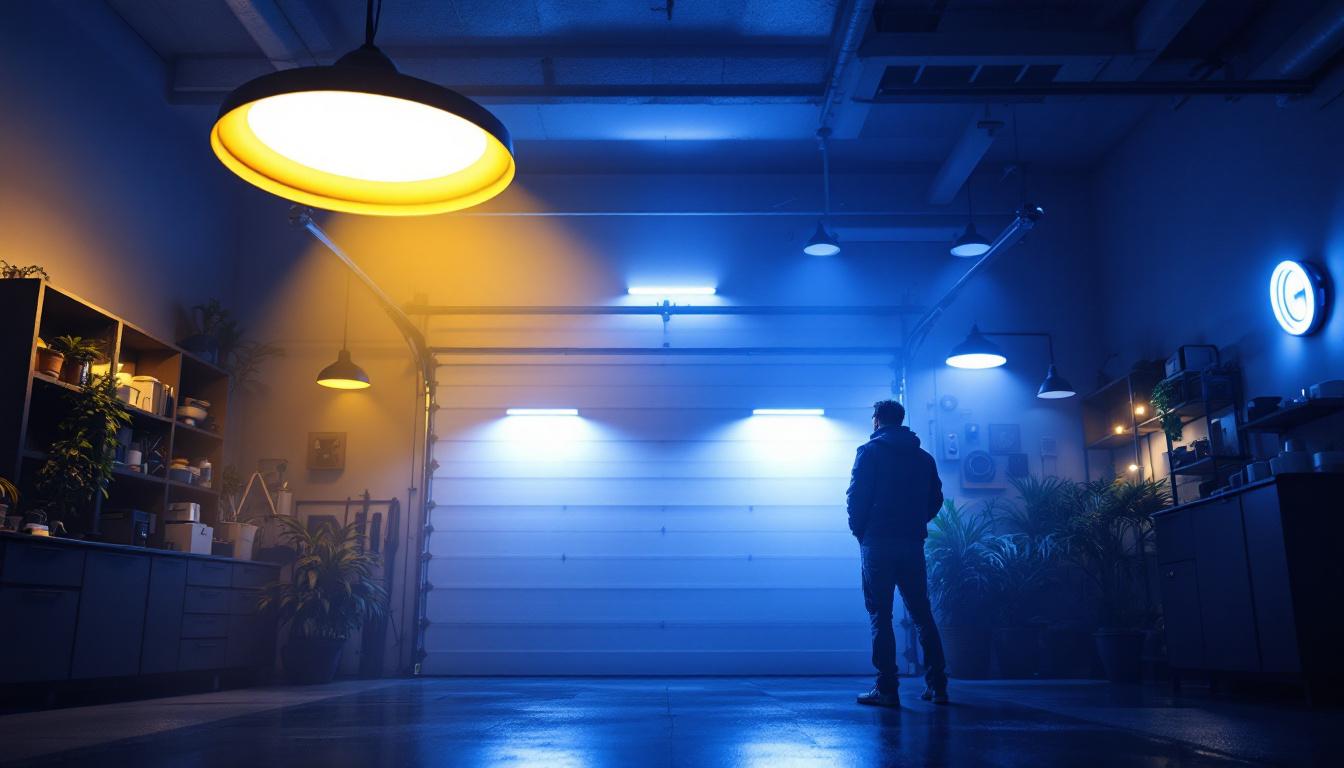
One of the primary challenges is the typically large, open space combined with high ceilings and often limited natural light. These factors can create dark corners and uneven illumination, which not only hinder functionality but also pose safety risks. Lighting contractors must carefully assess the space to determine the optimal placement, type, and intensity of fixtures. For instance, utilizing a combination of overhead lighting and task-specific fixtures can help illuminate the entire area while ensuring that workspaces are adequately lit for detailed tasks.
Moreover, garages are often exposed to dust, moisture, and temperature fluctuations, all of which can affect the durability and performance of lighting fixtures. Selecting fixtures with appropriate ingress protection (IP) ratings and robust construction is essential to ensure longevity and reliability. Additionally, choosing materials that resist corrosion and are easy to clean can further enhance the lifespan of the lighting installations, making them more suitable for the demanding garage environment.
Common Mistakes in Garage Lighting Projects
Many lighting contractors encounter recurring pitfalls when working on garage projects. One frequent mistake is underestimating the required brightness levels. Garages typically require higher illumination levels than other residential spaces, with recommended lighting levels ranging from 300 to 500 lux, depending on the garage’s function. This is particularly important in areas designated for intricate tasks, such as automotive repairs or woodworking, where precision is key.
Another common error is poor fixture placement. Installing lights only on the ceiling’s center can leave peripheral areas dimly lit. This affects visibility for tasks like vehicle maintenance or tool handling. Additionally, neglecting to consider glare and shadows can result in uncomfortable or unsafe environments. For example, strategically placing wall-mounted sconces or adjustable LED lights can help minimize shadows and ensure that every corner of the garage is well-lit, enhancing both safety and efficiency.
Lastly, failing to incorporate energy-efficient solutions or controls can lead to higher operational costs and reduced sustainability. Lighting contractors should prioritize LED technology and smart controls to optimize energy use without compromising performance. Integrating motion sensors or dimmers can also contribute to energy savings by ensuring that lights are only active when needed, making garages not only brighter but also more environmentally friendly. Emphasizing these modern solutions can significantly improve the overall functionality and appeal of garage spaces, aligning with contemporary standards for energy efficiency and user convenience.
Choosing the Right Fixtures for Garage Environments
Selecting appropriate fixtures is crucial for achieving effective garage lighting. The choice depends on factors such as ceiling height, garage size, and the specific activities performed within the space.
High bay LED fixtures are often ideal for garages with ceilings above 12 feet. These fixtures provide powerful, uniform illumination and are designed to minimize glare and shadows. For garages with standard ceiling heights, linear LED fixtures or recessed lighting can offer a clean, modern look while delivering adequate brightness.
Consider fixtures with adjustable color temperature to enhance visibility and comfort. Cooler white light (around 5000K) tends to improve focus and detail recognition, which is beneficial for tasks requiring precision. However, some contractors opt for neutral white (around 4000K) to balance clarity with a warmer ambiance.
Durability and Safety Considerations
Given the environmental conditions in garages, durability is a key consideration. Fixtures should be rated for damp or wet locations, especially if the garage is prone to moisture or near external doors. Look for products with robust housings, impact resistance, and sealed components to prevent dust ingress.
Safety is another critical aspect. Lighting should comply with local electrical codes and standards, including proper grounding and circuit protection. For garages with flammable materials or hazardous chemicals, explosion-proof fixtures may be necessary to mitigate fire risks.
In addition to these considerations, it’s essential to evaluate the energy efficiency of the lighting fixtures you choose. LED technology not only provides longer lifespans but also significantly reduces energy consumption compared to traditional incandescent or fluorescent lights. This can lead to substantial savings on electricity bills over time, making it a financially sound investment for homeowners looking to enhance their garage lighting.
Furthermore, think about the integration of smart lighting solutions that allow for remote control and automation. Smart fixtures can be programmed to turn on or off based on occupancy or time of day, adding convenience and further enhancing energy savings. This modern approach not only improves functionality but also contributes to a more sophisticated and user-friendly garage environment.
Optimizing Lighting Layout for Functionality and Efficiency
Effective lighting layout is fundamental to creating a well-lit garage that supports all intended activities. Contractors should start by mapping out the space, noting key work areas, storage zones, and vehicle parking spots. This initial step is crucial as it allows for a comprehensive understanding of how the garage will be utilized, ensuring that every corner is adequately illuminated. For instance, if the garage serves as a workshop, areas where tools are frequently used should be prioritized in the lighting plan, while storage zones might require less intense lighting.
Uniform light distribution minimizes shadows and dark spots. This can be achieved by spacing fixtures evenly and considering overlapping light coverage. Using a combination of ambient, task, and accent lighting enhances both functionality and aesthetics. Ambient lighting provides the general illumination necessary for navigating the space, while task lighting focuses on specific areas where detailed work is performed. Accent lighting, on the other hand, can be strategically placed to draw attention to particular features, such as a custom-built shelving unit or a display of tools, adding a personal touch to the garage environment.
For example, installing task lighting above workbenches or tool storage areas ensures focused illumination where it is most needed. Ambient lighting provides general brightness, while accent lighting can highlight architectural features or storage shelves, improving visibility and ease of access. Additionally, considering the color temperature of the lights can significantly impact the overall feel of the garage. Warmer tones can create a cozy atmosphere, while cooler tones are often preferred for workspaces, as they promote alertness and concentration.
Incorporating Controls and Automation
Modern garage lighting systems benefit greatly from smart controls and automation. Motion sensors can activate lights upon entry, improving convenience and energy savings. Dimmers allow users to adjust brightness levels based on activity, while timers ensure lights are not left on unnecessarily. This not only helps in reducing energy costs but also extends the lifespan of the lighting fixtures, making the setup more sustainable in the long run.
Integration with home automation systems or voice assistants adds another layer of control and customization. Lighting contractors should familiarize themselves with these technologies to offer clients tailored solutions that enhance usability and efficiency. For instance, a homeowner could program their garage lights to turn on at dusk and off at dawn, or even set specific lighting scenes for different tasks, such as a bright setting for detailed work and a softer glow for casual activities. Such advancements not only enhance the functionality of the garage but also contribute to a seamless, modern living experience that aligns with the increasing trend of smart home integration.
Energy Efficiency and Sustainability in Garage Lighting
Energy efficiency is a growing priority in lighting design, driven by both environmental concerns and cost savings. Garages, with their often substantial lighting requirements, offer significant opportunities for energy reduction.
LED technology is the cornerstone of efficient garage lighting. LEDs consume up to 75% less energy than traditional incandescent or fluorescent bulbs and have a lifespan exceeding 50,000 hours. This translates to lower maintenance and replacement costs over time.
Additionally, incorporating daylight sensors in garages with windows or skylights can reduce artificial lighting use during daylight hours. Combining these sensors with dimmable LEDs further optimizes energy consumption.
Choosing Sustainable Materials and Practices
Beyond energy savings, contractors should consider the environmental impact of materials and installation practices. Opting for fixtures made from recyclable materials and ensuring proper disposal of old lighting components supports sustainable practices.
Encouraging clients to adopt energy-efficient lighting not only benefits their utility bills but also aligns with broader sustainability goals, enhancing the contractor’s reputation and marketability.
Ensuring Compliance and Meeting Client Expectations
Adhering to industry standards and local regulations is non-negotiable for lighting contractors. This includes compliance with electrical codes, building codes, and lighting standards such as those from the Illuminating Engineering Society (IES).
Proper documentation and certification of installed systems provide assurance to clients and can be critical for insurance and resale purposes. Contractors should stay updated on evolving codes and best practices to maintain professionalism and avoid liability.
Equally important is clear communication with clients regarding their needs, preferences, and budget constraints. Conducting thorough consultations and providing detailed proposals helps manage expectations and ensures satisfaction with the final installation.
Post-Installation Support and Maintenance
Offering post-installation services such as maintenance checks, troubleshooting, and upgrades can differentiate a contractor in a competitive market. Regular maintenance ensures lighting systems continue to perform optimally and safely over time.
Educating clients on proper use and care of their garage lighting system fosters long-term relationships and can lead to repeat business or referrals.
Conclusion: Mastering Garage Lighting for Superior Outcomes
Garage lighting is a specialized field requiring a nuanced understanding of space, function, and technology. By avoiding common pitfalls—such as inadequate brightness, poor fixture selection, and neglecting energy efficiency—lighting contractors can deliver superior results that enhance safety, functionality, and client satisfaction.
Investing time in careful planning, selecting durable and efficient fixtures, optimizing layout, and integrating smart controls will position contractors as trusted experts in garage lighting solutions. Ultimately, this expertise not only benefits clients but also strengthens the contractor’s professional reputation and business growth.
Illuminate Your Projects with LumenWholesale
Ready to elevate your garage lighting projects with the finest fixtures on the market? Look no further than LumenWholesale, where we provide spec-grade lighting products designed to meet the unique challenges of garage environments. Our commitment to quality and affordability ensures that you can deliver superior outcomes while staying within budget. Take advantage of our unbeatable wholesale prices, free shipping, and extensive selection to make your next lighting installation a shining success. Discover the difference with LumenWholesale and make the smart choice for your business. Wholesale Lighting at the Best Value is just a click away.