Lighting contractors play a pivotal role in enhancing outdoor spaces, ensuring that both functionality and aesthetics are achieved through effective lighting solutions. With the growing popularity of LED technology, outdoor fixtures have evolved significantly, offering numerous advantages over traditional lighting options. This article aims to simplify the complexities around LED outdoor fixtures, providing insights and guidance tailored specifically for lighting contractors.
Understanding LED Technology
LED, or Light Emitting Diode, technology has revolutionized the lighting industry. Unlike traditional incandescent or fluorescent bulbs, LEDs convert electricity directly into light, resulting in higher efficiency and reduced energy consumption. This fundamental difference not only lowers operational costs but also extends the lifespan of the fixtures. As a result, businesses and homeowners alike are increasingly adopting LED technology, recognizing its potential to contribute to a more sustainable future while enjoying the benefits of enhanced illumination.
Energy Efficiency
One of the most compelling reasons to choose LED fixtures is their energy efficiency. LEDs use significantly less power compared to conventional lighting solutions, which translates to lower electricity bills for clients. This efficiency is particularly beneficial in outdoor applications where lights are often left on for extended periods. Moreover, the reduced heat output of LEDs means that less energy is wasted, making them a more environmentally friendly option. As cities and municipalities strive to reduce their carbon footprints, the transition to LED street lighting has become a popular initiative, leading to substantial reductions in energy consumption on a larger scale.
Longevity and Durability
LED fixtures boast an impressive lifespan, often exceeding 25,000 hours of use. This longevity means fewer replacements and maintenance visits, allowing contractors to focus on other projects. Additionally, many LED fixtures are designed to withstand harsh outdoor conditions, making them a durable choice for exterior applications. The resilience of LEDs is further enhanced by their solid-state construction, which makes them less susceptible to breakage compared to traditional bulbs. This durability not only ensures consistent performance over time but also minimizes the environmental impact associated with frequent bulb replacements, reinforcing the case for LEDs in both residential and commercial settings.
Furthermore, the ability to operate effectively in a wide range of temperatures makes LED technology suitable for various environments, from frigid outdoor spaces to warm indoor areas. This versatility allows for creative lighting solutions that can enhance aesthetics while providing functionality. As designers and architects embrace LED technology, we see innovative applications in landscape lighting, accent lighting, and even in art installations, showcasing the adaptability and potential of this remarkable technology in transforming spaces.
Types of LED Outdoor Fixtures
When it comes to outdoor lighting, there are various types of LED fixtures available, each designed for specific applications. Understanding these types can help contractors make informed decisions that best suit their clients’ needs.
Flood Lights
LED flood lights are ideal for illuminating large outdoor areas such as parking lots, sports fields, and building facades. They provide a broad beam of light, ensuring that the entire area is well-lit. With adjustable mounting options, these fixtures can be tailored to achieve the desired lighting effect. Additionally, many modern LED flood lights come equipped with smart technology, allowing for programmable settings and remote control, which can enhance security and energy efficiency by adjusting the brightness based on the time of day or occupancy.
Pathway Lights
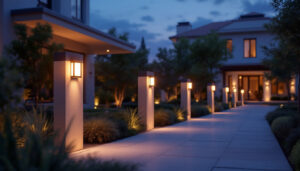
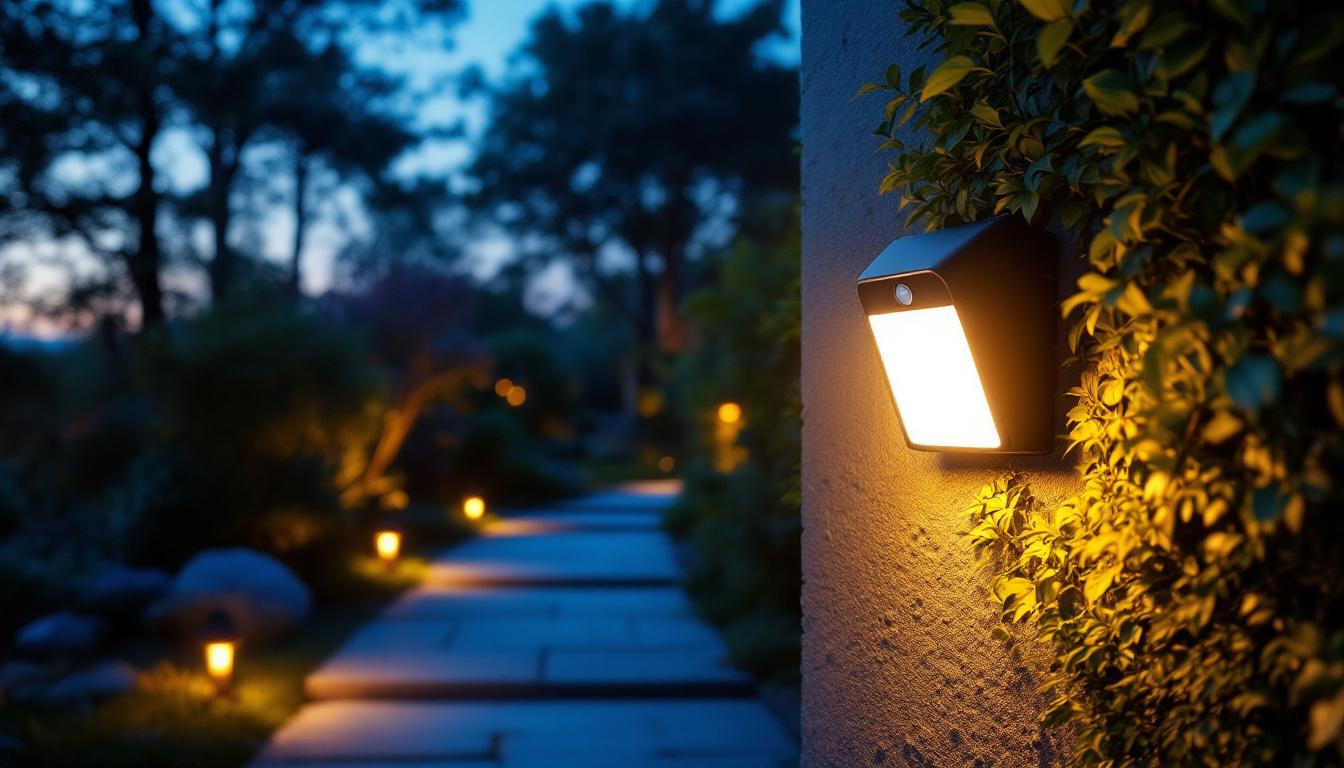
Pathway lights are essential for enhancing safety and aesthetics along walkways and driveways. LED pathway lights come in various designs, from modern to traditional, allowing contractors to match the fixtures with the overall landscape design. Their low voltage options make them energy-efficient and safe for residential areas. Furthermore, many pathway lights now feature solar-powered options, which not only reduce electricity costs but also minimize installation complexity, as they do not require wiring. This eco-friendly choice appeals to homeowners looking to reduce their carbon footprint while maintaining a beautifully lit outdoor space.
Wall Packs
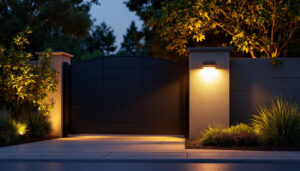
Wall pack lights are commonly used to illuminate building exteriors, entrances, and loading docks. These fixtures are mounted directly onto walls and provide security lighting while enhancing visibility. LED wall packs are available in different wattages and designs, making them versatile for various applications. In addition to their practical uses, some wall packs now incorporate motion sensors and dusk-to-dawn features, which can further enhance energy savings by ensuring that lights are only on when needed. This adaptability makes wall packs an excellent choice for both commercial and residential properties, offering a blend of functionality and modern technology to meet diverse lighting needs.
Installation Considerations
Installing LED outdoor fixtures requires careful planning and consideration. Lighting contractors must take into account several factors to ensure optimal performance and client satisfaction.
Wiring and Power Supply
Proper wiring is crucial for the successful installation of LED fixtures. Contractors should assess the existing electrical infrastructure to determine if upgrades are necessary. Additionally, ensuring that the power supply matches the requirements of the LED fixtures is vital to prevent flickering or premature failure.
Lighting Design
Effective lighting design goes beyond merely placing fixtures in strategic locations. Contractors should consider the purpose of the lighting, the desired ambiance, and the surrounding landscape. Utilizing tools such as photometric analysis can help in creating a well-balanced lighting scheme that meets both functional and aesthetic needs.
Compliance and Safety Regulations
Adhering to local building codes and safety regulations is essential when installing outdoor lighting. Contractors must be familiar with these regulations to ensure that their installations are compliant. This knowledge not only protects the contractor but also instills confidence in clients regarding the safety and reliability of the lighting solutions provided.
Benefits of LED Outdoor Fixtures
The transition to LED outdoor fixtures offers numerous benefits that can enhance the value of services provided by lighting contractors. Understanding these advantages can help contractors effectively communicate the value proposition to their clients.
Cost Savings
While the initial investment in LED fixtures may be higher than traditional options, the long-term savings are substantial. Reduced energy consumption and lower maintenance costs contribute to significant savings over time. Clients are often more inclined to invest in LED solutions when they understand the financial benefits associated with their use.
Environmental Impact
LED technology is more environmentally friendly compared to traditional lighting solutions. LEDs contain no harmful materials, such as mercury, and are 100% recyclable. By promoting LED fixtures, contractors can position themselves as environmentally conscious professionals, appealing to clients who prioritize sustainability.
Enhanced Aesthetics
LED fixtures come in a variety of designs and color temperatures, allowing for greater flexibility in achieving the desired look and feel of an outdoor space. Whether it’s creating a warm, inviting atmosphere for a residential garden or a bright, vibrant environment for a commercial property, LEDs can meet diverse aesthetic requirements.
Common Challenges and Solutions
While the benefits of LED outdoor fixtures are numerous, contractors may encounter challenges during installation and maintenance. Being aware of these challenges and having solutions at hand can streamline the process and enhance client satisfaction.
Heat Management
LEDs generate heat, which can affect their performance and longevity if not managed properly. Contractors should ensure that fixtures are installed in locations that allow for adequate airflow. Additionally, selecting fixtures with built-in heat sinks can help dissipate heat effectively, prolonging the lifespan of the LEDs.
Color Rendering Issues
Color rendering index (CRI) is an important factor to consider when selecting LED fixtures. A low CRI can distort colors, making it difficult to achieve the desired visual effect. Contractors should choose high-CRI LED options to ensure that colors appear true and vibrant in outdoor settings.
Compatibility with Smart Systems
As smart home technology becomes increasingly popular, ensuring that LED fixtures are compatible with smart systems is essential. Contractors should stay informed about the latest advancements in smart lighting and recommend fixtures that can be easily integrated into clients’ existing systems.
Future Trends in LED Outdoor Lighting
The lighting industry is continuously evolving, and staying ahead of trends can provide contractors with a competitive edge. Understanding future trends in LED outdoor lighting can help contractors adapt their offerings to meet changing client demands.
Smart Lighting Solutions
Smart lighting solutions are gaining traction, allowing users to control their outdoor lighting through mobile apps or voice commands. This technology not only enhances convenience but also allows for customizable lighting schedules and energy-saving features. Contractors should consider incorporating smart LED fixtures into their product offerings to meet this growing demand.
Human-Centric Lighting
Human-centric lighting focuses on creating environments that support human well-being. This trend emphasizes the importance of lighting that mimics natural daylight, promoting better mood and productivity. Contractors can explore LED fixtures designed to provide tunable white light, allowing clients to adjust the color temperature based on their preferences and activities.
Integration with Renewable Energy Sources
As sustainability becomes a priority for many clients, integrating LED outdoor fixtures with renewable energy sources, such as solar panels, is an emerging trend. Contractors can explore solar-powered LED options, which reduce reliance on grid electricity and lower overall energy costs for clients.
Conclusion
LED outdoor fixtures offer a multitude of benefits for lighting contractors, from energy efficiency and longevity to enhanced aesthetics and environmental impact. By understanding the various types of LED fixtures, installation considerations, and future trends, contractors can simplify their approach to outdoor lighting projects. Embracing LED technology not only enhances the quality of services provided but also positions contractors as forward-thinking professionals in an ever-evolving industry.
As the demand for sustainable and efficient lighting solutions continues to rise, staying informed and adapting to new technologies will be essential for lighting contractors. By leveraging the advantages of LED outdoor fixtures, contractors can meet client needs effectively while contributing to a more sustainable future.
Get Your Premium LED Outdoor Fixtures at LumenWholesale
Ready to elevate your lighting projects with the efficiency, longevity, and aesthetic appeal of LED outdoor fixtures? Look no further than LumenWholesale for all your lighting needs. We provide contractors with top-tier, specification-grade lighting products at unbeatable wholesale prices, ensuring you get the best value for every project. Our commitment to quality and affordability, paired with the convenience of free shipping on bulk orders, makes us the go-to source for reliable, high-performance lighting solutions. Don’t compromise on quality or price—choose LumenWholesale for Wholesale Lighting at the Best Value and light up your projects with confidence.