As the demand for sustainable and energy-efficient lighting solutions continues to grow, solar powered decorative lanterns are becoming a popular choice among homeowners and businesses alike. For lighting contractors, understanding the intricacies of these solar solutions is essential for providing clients with the best options available. This article explores effective strategies that lighting contractors can employ to successfully integrate solar powered decorative lanterns into their projects.
Understanding Solar Powered Decorative Lanterns
Solar powered decorative lanterns are designed to harness sunlight during the day and convert it into usable energy for lighting at night. These lanterns come in various styles, sizes, and designs, making them versatile for different applications, from garden pathways to outdoor patios. Their aesthetic appeal combined with environmental benefits makes them an attractive option for many clients. Furthermore, the ease of installation and low maintenance requirements make them a popular choice for homeowners looking to enhance their outdoor spaces without the need for extensive electrical work.
The Technology Behind Solar Lanterns
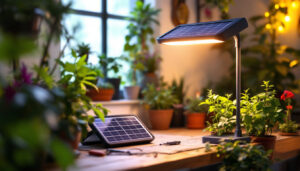
At the core of solar powered lanterns is a photovoltaic (PV) cell that captures sunlight and converts it into electricity. This electricity is stored in rechargeable batteries, which power the lanterns after sunset. Many modern solar lanterns are equipped with LED lights, which are energy-efficient and have a longer lifespan compared to traditional bulbs. Additionally, advancements in solar technology have led to the development of smart solar lanterns that can be controlled via mobile apps, allowing users to adjust brightness levels or set timers for when the lights should turn on and off.
Understanding the technology is crucial for lighting contractors, as it allows them to explain the benefits and limitations of these products to clients. For instance, while solar lanterns are eco-friendly, their performance can be affected by factors such as geographical location, weather conditions, and placement. Contractors should be prepared to discuss these aspects with clients to set realistic expectations. It’s also worth noting that some solar lanterns come with built-in sensors that automatically turn the lights on at dusk and off at dawn, adding to their convenience and energy efficiency.
Design Considerations
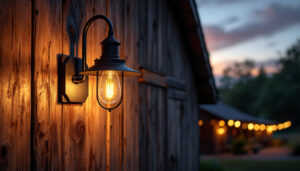
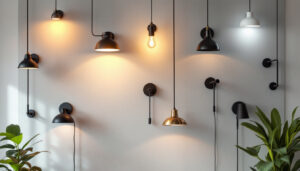
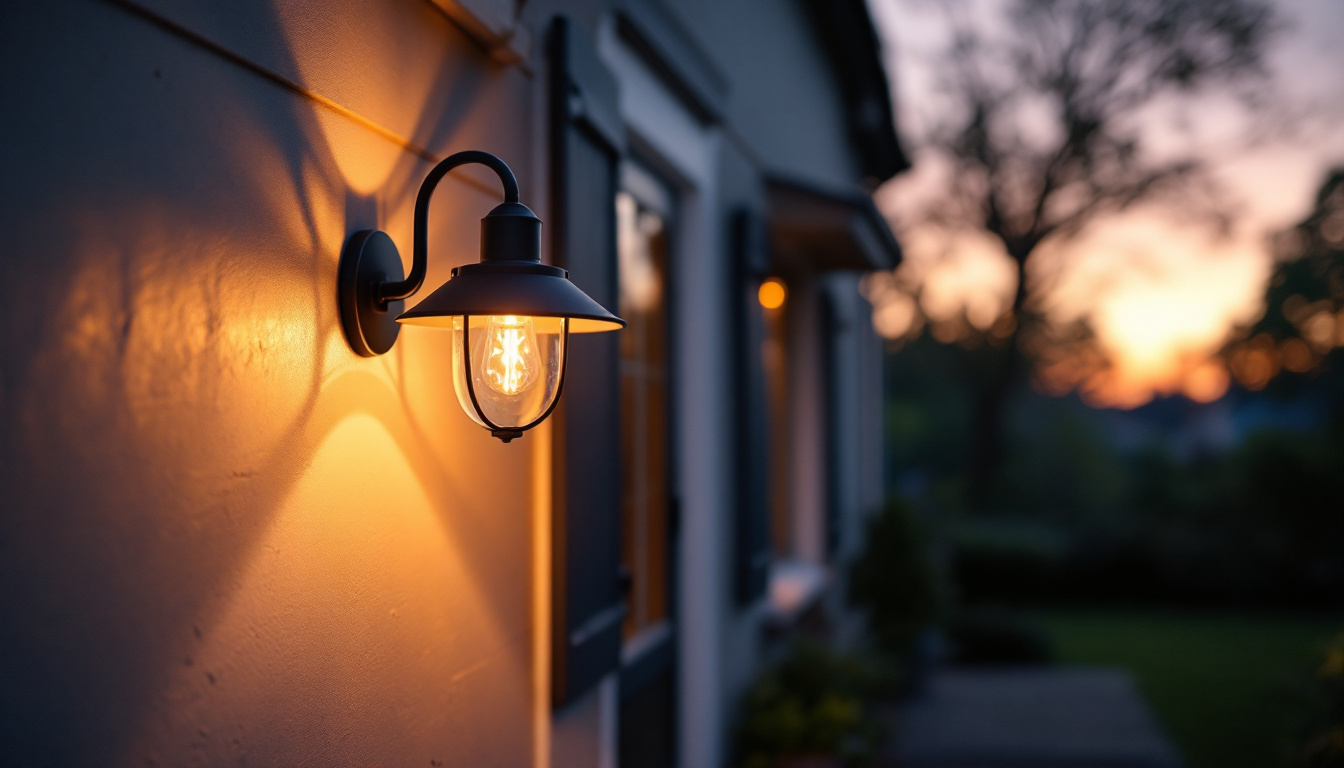
When selecting solar powered decorative lanterns, design plays a significant role. Contractors should consider the architectural style of the property and the intended use of the lanterns. For example, lanterns designed for a rustic garden might differ significantly from those intended for a modern patio. Offering a variety of styles can help clients find the perfect match for their outdoor spaces. Some lanterns feature intricate designs that cast beautiful shadows when illuminated, adding an artistic element to the outdoor ambiance.
Additionally, the placement of these lanterns is crucial. Proper positioning can enhance their aesthetic appeal and functionality. For instance, placing lanterns along pathways or near seating areas can create a warm and inviting atmosphere while ensuring safety and visibility. It’s also beneficial to consider the surrounding landscape; incorporating lanterns near trees or shrubs can create a magical effect, especially when the light filters through the foliage. Furthermore, using lanterns of varying heights can add depth and interest to the outdoor setting, making it more visually dynamic and engaging for guests.
Installation Best Practices
Installing solar powered decorative lanterns requires careful planning and execution. Lighting contractors must ensure that the installation process maximizes the efficiency of the solar panels and the overall functionality of the lanterns. Here are some best practices to consider:
Site Assessment
Before installation, conducting a thorough site assessment is essential. This involves evaluating the amount of sunlight the installation area receives throughout the day. Areas with ample sunlight will allow the solar panels to charge effectively, ensuring optimal performance at night.
Contractors should also consider potential obstructions, such as trees or buildings, that may cast shadows on the solar panels. Identifying these obstructions early in the planning process can help avoid issues that may arise after installation. Furthermore, it’s beneficial to observe the site during different seasons, as the angle of the sun changes and foliage may vary, impacting sunlight exposure. This comprehensive approach can lead to a more informed decision on the best placement for the lanterns.
Proper Mounting Techniques
Proper mounting techniques are vital for ensuring that solar lanterns function effectively. Lanterns should be installed at a height that allows for maximum sunlight exposure while also being aesthetically pleasing. Additionally, securing the lanterns firmly will prevent them from being easily knocked over by wind or accidental contact.
Using high-quality mounting hardware can also enhance the longevity of the installation. Contractors should ensure that all components are weather-resistant and suitable for outdoor use to withstand various environmental conditions. Moreover, it’s advisable to periodically check the stability of the lanterns post-installation, especially after severe weather events, to ensure they remain secure and functional. Incorporating adjustable mounts can also provide flexibility, allowing for minor repositioning if needed to adapt to changing environmental factors or aesthetic preferences over time.
Maintenance and Troubleshooting
While solar powered decorative lanterns require less maintenance than traditional lighting solutions, they still need periodic checks to ensure optimal performance. Lighting contractors should educate clients on basic maintenance practices to prolong the lifespan of their solar lanterns.
Regular Cleaning
Dust, dirt, and debris can accumulate on solar panels, reducing their efficiency. Contractors should advise clients to clean the panels regularly, especially after storms or windy conditions. A simple wipe down with a damp cloth can significantly improve the lantern’s performance.
In addition to the panels, the lanterns themselves should be cleaned to maintain their aesthetic appeal. This includes removing any cobwebs or dirt that may accumulate on the surface. Regular cleaning can enhance the overall look of the lanterns and ensure they remain a focal point in outdoor spaces.
Identifying Common Issues
Lighting contractors should be prepared to troubleshoot common issues that may arise with solar powered decorative lanterns. For instance, if a lantern is not illuminating at night, it may be due to insufficient sunlight exposure during the day or a faulty battery. Educating clients on how to identify these issues can help them resolve minor problems without needing professional assistance.
Additionally, contractors should be aware of warranty options and repair services available for the products they install. Providing clients with information on how to access these services can enhance customer satisfaction and trust in the contractor’s expertise.
Marketing Solar Powered Lanterns
As the market for solar powered decorative lanterns continues to expand, lighting contractors must develop effective marketing strategies to attract clients. Highlighting the benefits of solar lanterns can differentiate a contractor’s services from competitors.
Showcasing Projects
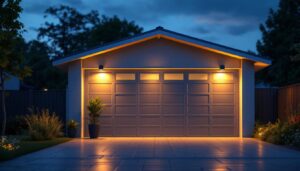
One of the most effective ways to market solar powered decorative lanterns is by showcasing completed projects. High-quality photographs of installations can demonstrate the aesthetic appeal and functionality of the lanterns. Contractors can create portfolios or use social media platforms to share these images, attracting potential clients who appreciate the beauty and sustainability of solar lighting.
Additionally, before-and-after photos can effectively illustrate the transformative impact of solar lanterns on outdoor spaces. This visual storytelling can engage clients and encourage them to consider solar options for their properties.
Educational Content
Providing educational content is another powerful marketing strategy. Lighting contractors can create blog posts, videos, or infographics that explain the benefits of solar powered decorative lanterns, how they work, and tips for maintenance. This not only positions the contractor as an expert in the field but also helps potential clients make informed decisions.
Hosting workshops or webinars can also be an effective way to engage with the community. These events can provide valuable insights into solar technology and its applications, fostering a sense of trust and credibility among potential clients.
Client Engagement and Follow-Up
Engaging with clients throughout the project lifecycle is essential for building lasting relationships. Lighting contractors should prioritize communication and follow-up to ensure client satisfaction and encourage repeat business.
Feedback and Reviews
After completing a project, contractors should solicit feedback from clients. This can be done through surveys or informal conversations. Understanding the client’s experience can provide valuable insights into areas for improvement and help contractors refine their services.
Encouraging satisfied clients to leave reviews on platforms like Google or social media can enhance the contractor’s online presence. Positive reviews can significantly influence potential clients’ decisions, making it vital for contractors to actively seek and showcase client testimonials.
Building Long-Term Relationships
Establishing long-term relationships with clients can lead to repeat business and referrals. Lighting contractors should maintain contact with clients after project completion, offering maintenance services or updates on new products. Sending newsletters or promotional offers can keep the contractor top-of-mind for future projects.
Additionally, contractors can create loyalty programs that reward clients for referrals or repeat business. These initiatives can foster a sense of community and encourage clients to advocate for the contractor’s services.
Conclusion
Solar powered decorative lanterns offer a unique blend of aesthetic appeal and sustainability, making them an attractive option for homeowners and businesses. For lighting contractors, understanding the technology, installation best practices, and marketing strategies is essential for successfully integrating these products into their offerings. By focusing on client engagement and education, contractors can position themselves as trusted experts in the field of solar lighting solutions.
As the market for solar powered decorative lanterns continues to grow, embracing these strategies will not only enhance the contractor’s service offerings but also contribute to a more sustainable future. By prioritizing quality installations and fostering strong client relationships, lighting contractors can thrive in this evolving industry.
Illuminate Your Projects with LumenWholesale
Ready to elevate your lighting projects with the perfect combination of style, sustainability, and savings? Look no further than LumenWholesale for all your solar powered decorative lantern needs. Our extensive selection of spec-grade lighting products is designed to meet the highest industry standards, ensuring you deliver reliable and high-performance lighting to every client. With unbeatable wholesale prices and the convenience of free shipping on bulk orders, you can provide premium lighting solutions without the premium cost. Discover wholesale lighting at the best value today and light up your projects with confidence and affordability.