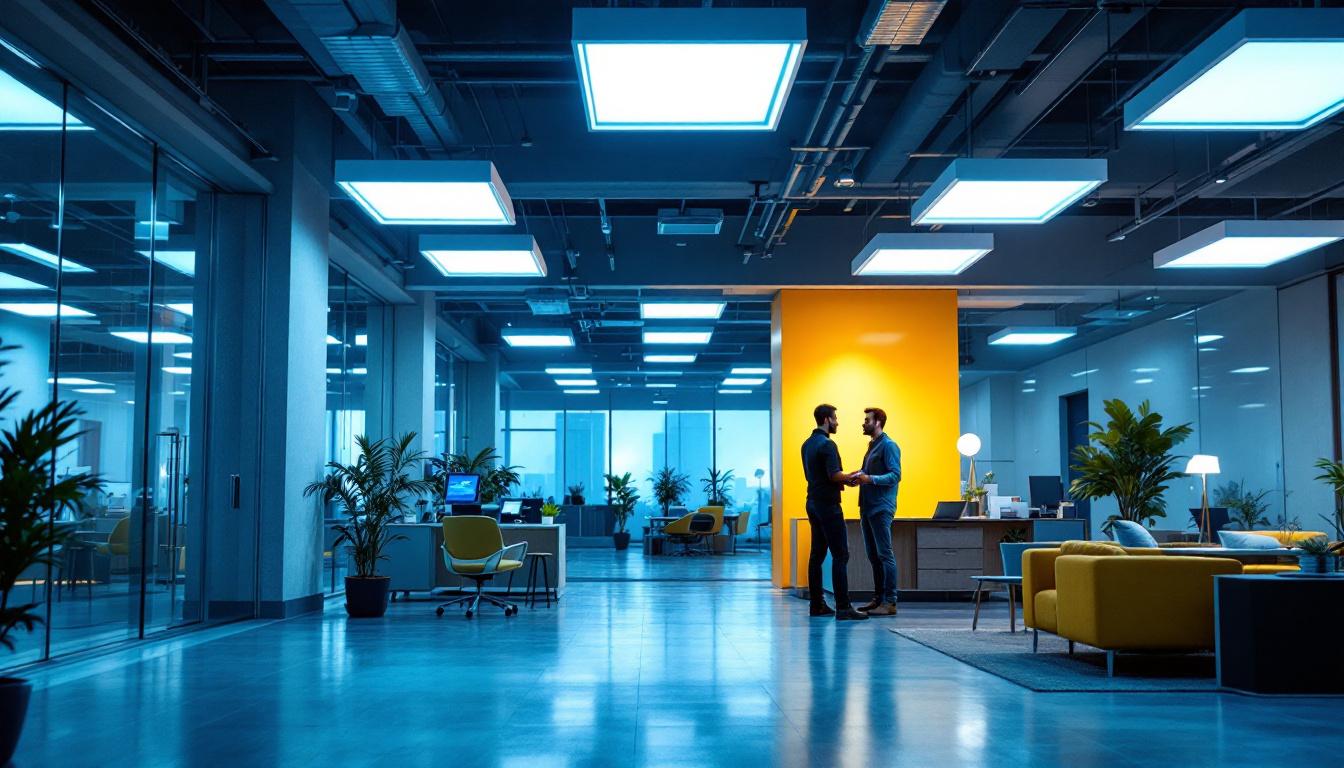
Lighting plays a crucial role in creating functional and aesthetically pleasing environments. For lighting contractors, selecting the right fixtures is essential to meet client needs and ensure satisfaction. One popular choice in commercial and institutional settings is the light troffer. This guide will explore the key considerations for lighting contractors when choosing light troffers, helping them make informed decisions that enhance their projects.
Understanding Light Troffers
Light troffers are recessed lighting fixtures typically installed in modular ceilings. They are designed to provide uniform illumination while maximizing energy efficiency. These fixtures are often used in offices, schools, and healthcare facilities, where consistent lighting is essential for productivity and comfort. The design of light troffers allows them to blend seamlessly into the ceiling, creating a clean and modern aesthetic that complements various architectural styles.
Moreover, the installation of light troffers can significantly impact the overall energy consumption of a building. With advancements in technology, many modern troffers now incorporate smart lighting solutions that adjust based on occupancy and natural light levels, further enhancing their energy-saving capabilities. This adaptability not only contributes to lower utility bills but also promotes sustainability, making light troffers an ideal choice for environmentally conscious projects.
Types of Light Troffers
There are various types of light troffers available on the market, each designed to meet specific lighting needs. The most common types include LED troffers, fluorescent troffers, and hybrid models. LED troffers are gaining popularity due to their energy efficiency and long lifespan, while fluorescent troffers remain a cost-effective option for many projects. Hybrid models combine the benefits of both technologies, offering flexibility in design and performance. Additionally, some troffers are designed with specialized optics that enhance light distribution, ensuring that every corner of a room receives adequate illumination.
Another emerging type is the tunable white troffer, which allows users to adjust the color temperature of the light throughout the day. This feature can mimic natural daylight patterns, which has been shown to improve mood and productivity in workspaces. As the demand for customizable lighting solutions grows, manufacturers are increasingly focusing on developing troffers that cater to these evolving needs.
Key Features to Consider
When selecting light troffers, several key features should be taken into account. These include lumen output, color temperature, and dimming capabilities. Lumen output determines the brightness of the fixture, while color temperature affects the ambiance of the space. Dimming capabilities allow for greater control over lighting levels, which can enhance energy savings and user comfort. Additionally, the fixture’s design and finish can play a significant role in how well it integrates into the overall decor of a room.
Another important consideration is the fixture’s maintenance requirements. Some troffers come with easy-access panels for bulb replacement and cleaning, which can save time and effort over the lifespan of the product. Furthermore, understanding the warranty and lifespan of the lighting technology used can help in making a more informed decision, ensuring that the investment is both practical and long-lasting.
Applications of Light Troffers
Light troffers are versatile fixtures that can be used in a variety of applications. In office environments, they provide even illumination that reduces glare and improves focus. In educational settings, they help create a conducive learning atmosphere, while in healthcare facilities, they ensure adequate lighting for patient care. Understanding the specific requirements of each application is crucial for selecting the right troffer. For instance, in collaborative workspaces, adjustable troffers that allow for varying light levels can foster creativity and teamwork.
Moreover, light troffers can also be utilized in retail spaces, where they can highlight products and create an inviting shopping experience. By strategically placing troffers, retailers can draw attention to specific areas, enhancing the overall visual appeal of the store. As the design of commercial spaces continues to evolve, the adaptability of light troffers makes them an essential component in achieving both functional and aesthetic goals.
Energy Efficiency and Sustainability
Energy efficiency is a significant consideration for lighting contractors, both for cost savings and environmental impact. Light troffers, particularly LED models, are designed to consume less energy than traditional lighting solutions. By choosing energy-efficient fixtures, contractors can help clients reduce their energy bills while contributing to sustainability efforts. Moreover, the longevity of LED troffers means that they not only decrease energy consumption but also reduce the frequency of replacements, leading to less waste in landfills. This dual benefit of lower operational costs and reduced environmental footprint makes LEDs an attractive choice for both residential and commercial applications.
Understanding Energy Ratings
When evaluating light troffers, it is essential to consider their energy ratings. Look for fixtures that are ENERGY STAR certified, as this designation indicates that they meet strict efficiency guidelines set by the U.S. Environmental Protection Agency. Additionally, understanding the wattage and lumens per watt ratio can help contractors assess the efficiency of a troffer. It’s also important to consider the color temperature of the light emitted; warmer tones can create a more inviting atmosphere in spaces like offices and retail environments, while cooler tones are often preferred in industrial settings. By balancing these factors, contractors can tailor lighting solutions that not only save energy but also enhance the aesthetics and functionality of a space.
Incentives for Energy-Efficient Lighting
Many regions offer incentives for the installation of energy-efficient lighting systems. These incentives can take the form of rebates, tax credits, or grants, making it financially advantageous for clients to invest in LED troffers. Lighting contractors should stay informed about available programs to provide clients with the best options and potential savings. Additionally, some utility companies have programs that support energy audits, allowing contractors to assess a client’s current lighting setup and recommend upgrades. These audits can reveal significant savings opportunities, further encouraging clients to transition to energy-efficient solutions. By leveraging these incentives and programs, contractors not only help their clients save money but also promote a broader commitment to energy conservation within the community.
Design Considerations
The design of a lighting system is as important as the fixtures themselves. Light troffers must be integrated into the overall design of a space, taking into account factors such as layout, ceiling height, and color schemes. A well-designed lighting plan enhances the functionality of a space while creating an inviting atmosphere.
Layout and Spacing
When planning the layout of light troffers, contractors should consider the spacing between fixtures to achieve uniform illumination. The distance between troffers can vary based on the lumen output and the specific needs of the space. A common guideline is to space fixtures approximately 1.5 times the height of the ceiling, but adjustments may be necessary based on the application.
Color and Aesthetics
The color and finish of light troffers can significantly impact the overall aesthetics of a space. Contractors should consider the architectural style and color palette of the environment when selecting fixtures. Options range from traditional white finishes to more modern designs that can complement contemporary interiors.
Installation Considerations
Proper installation is critical to the performance and longevity of light troffers. Lighting contractors must ensure that fixtures are installed according to manufacturer specifications and local building codes. This includes considerations for electrical connections, mounting methods, and accessibility for maintenance.
Electrical Requirements
Understanding the electrical requirements of light troffers is essential for a successful installation. Contractors should verify voltage compatibility and ensure that the electrical system can support the total wattage of the installed fixtures. Additionally, incorporating smart controls and sensors can enhance functionality and energy efficiency.
Accessibility for Maintenance
Light troffers should be installed in a manner that allows for easy access during maintenance. This includes ensuring that fixtures can be easily removed for bulb replacement or cleaning. Contractors should also consider the longevity of the fixtures and the availability of replacement parts to minimize future maintenance challenges.
Choosing the Right Manufacturer
Not all light troffer manufacturers are created equal. Selecting a reputable manufacturer is crucial for ensuring quality and reliability. Contractors should research manufacturers based on their product offerings, warranty policies, and customer support services.
Product Quality and Reliability
Quality is paramount when selecting light troffers. Contractors should look for manufacturers that adhere to industry standards and conduct rigorous testing on their products. Reading reviews and seeking recommendations from industry peers can provide insights into a manufacturer’s reputation for reliability.
Warranty and Support
A strong warranty can provide peace of mind for contractors and their clients. Manufacturers that offer comprehensive warranties demonstrate confidence in their products. Additionally, responsive customer support can be invaluable when addressing any issues that may arise post-installation.
Future Trends in Lighting Technology
The lighting industry is continually evolving, with new technologies and trends emerging regularly. Staying informed about these developments can help contractors make better decisions and offer innovative solutions to clients.
Smart Lighting Solutions
Smart lighting technology is becoming increasingly popular, allowing for greater control and customization of lighting systems. Features such as remote control, scheduling, and integration with building management systems can enhance the functionality of light troffers. Contractors should explore smart options to meet the growing demand for intelligent lighting solutions.
Human-Centric Lighting
Human-centric lighting focuses on creating environments that support human well-being and productivity. This approach considers factors such as circadian rhythms and the psychological effects of light. Contractors can explore light troffers that offer tunable white light or color-changing capabilities to create healthier spaces.
Conclusion
Choosing the right light troffers is a critical decision for lighting contractors. By understanding the various types of troffers, energy efficiency considerations, design elements, installation requirements, and future trends, contractors can make informed choices that enhance their projects. With the right fixtures, lighting contractors can create spaces that are not only functional but also visually appealing and conducive to well-being.
Ultimately, the goal is to provide clients with lighting solutions that meet their specific needs while adhering to industry standards and best practices. By staying informed and adapting to advancements in lighting technology, contractors can continue to deliver exceptional results in their projects.
Get Your Premium Light Troffers at LumenWholesale
Ready to elevate your lighting projects with the right light troffers? Look no further than LumenWholesale for a seamless purchasing experience. We provide contractors with top-tier, spec-grade lighting solutions at unbeatable wholesale prices, ensuring you don’t pay a penny more than you should. Our extensive selection not only meets but exceeds the highest industry standards, guaranteeing reliable and efficient lighting for any space. Plus, with the convenience of free shipping on bulk orders, you can enjoy premium quality without the hassle of hidden fees. Don’t compromise on quality or value — discover the best in wholesale lighting and make your next project shine with LumenWholesale.