In recent years, the lighting industry has witnessed a significant transformation, with innovations that have changed the way spaces are illuminated. Among these advancements, flat LED strips have emerged as a versatile and efficient lighting solution. This article explores the evolution of flat LED strips, their applications, benefits, and the future of lighting technology.
The Rise of LED Technology
Light Emitting Diodes (LEDs) have revolutionized the lighting industry by providing a more energy-efficient alternative to traditional incandescent and fluorescent bulbs. The introduction of flat LED strips has further enhanced this evolution, allowing for greater flexibility in design and application.
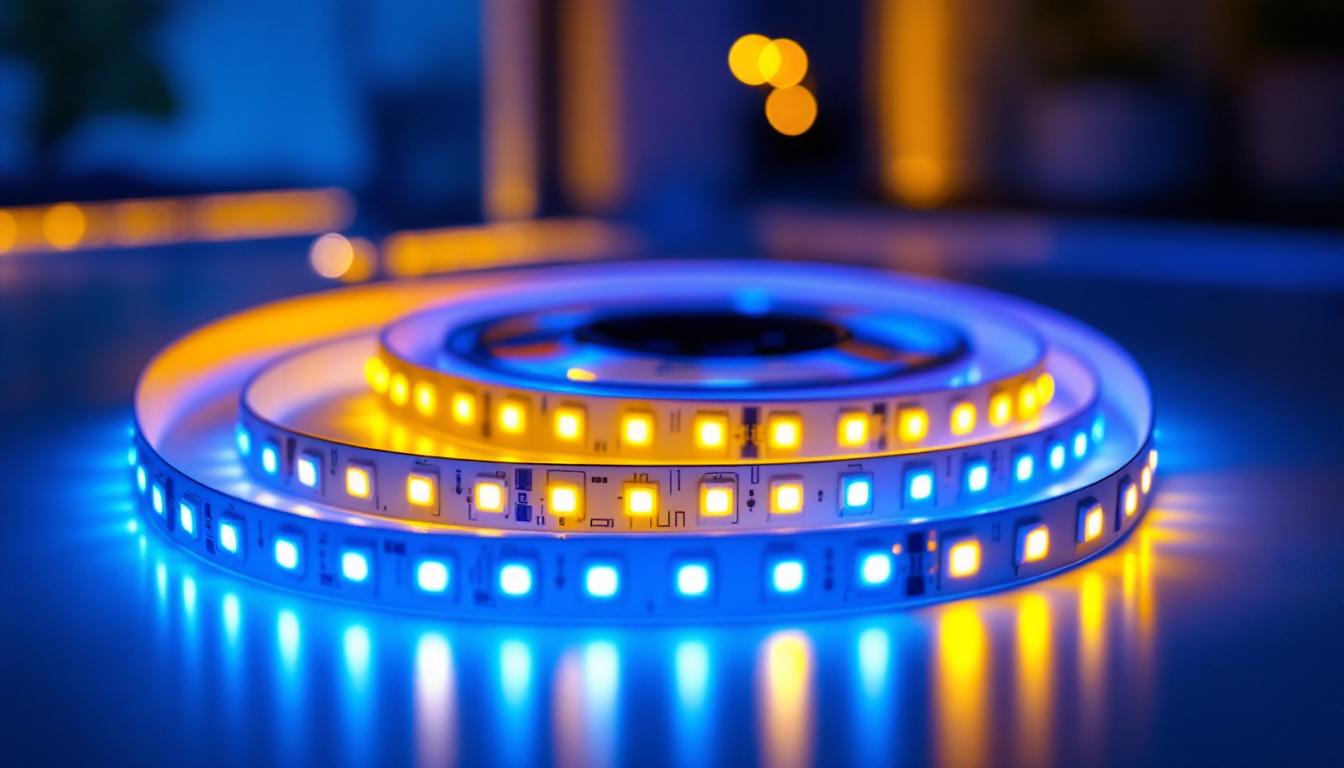
Initially, LED technology was limited by its size and form factor. However, advancements in manufacturing processes have enabled the production of flat LED strips that are not only compact but also highly effective in delivering bright, uniform light. These strips are composed of multiple LEDs mounted on a flexible circuit board, allowing for easy installation in various settings. The ability to create longer runs of lighting without the need for multiple fixtures has made flat LED strips a favorite among designers and architects alike, as they can seamlessly integrate into a variety of environments.
Benefits of LED Technology
One of the most significant advantages of LED technology is its energy efficiency. Flat LED strips consume considerably less power compared to traditional lighting solutions, which can lead to substantial cost savings over time. This efficiency is particularly appealing to lighting contractors who aim to provide sustainable solutions for their clients. In fact, many businesses have reported reductions in their energy bills by as much as 75% after switching to LED lighting, making it not just an environmentally friendly choice, but also a financially sound investment.
Additionally, LEDs have a longer lifespan, reducing the frequency of replacements. This longevity is beneficial for both contractors and end-users, as it minimizes maintenance costs and downtime. The durability of LED strips also makes them suitable for a wide range of environments, from residential to commercial and industrial applications. Unlike traditional bulbs that may break easily, LED strips are often encased in protective materials that resist impact and moisture, further extending their usability in challenging conditions.
Versatility in Design
Flat LED strips are known for their versatility, making them an ideal choice for various lighting applications. Their slim profile allows them to be installed in tight spaces where traditional fixtures may not fit. This flexibility opens up new possibilities for creative lighting designs, enabling contractors to meet the unique needs of each project. For instance, they can be used to highlight architectural features, illuminate pathways, or even create dynamic displays in retail environments, enhancing the overall customer experience.
Moreover, flat LED strips can be easily cut to length, allowing for custom installations tailored to specific dimensions. This adaptability is particularly beneficial in architectural lighting, where precise measurements are crucial. Whether used for accent lighting, task lighting, or ambient illumination, flat LED strips can enhance the aesthetic appeal of any space. Additionally, many of these strips come with adjustable color temperatures and RGB capabilities, allowing users to change the mood and ambiance of a room at the touch of a button. This level of customization not only caters to personal preferences but also supports various applications, from cozy home settings to vibrant commercial spaces, showcasing the true potential of LED technology in modern design.
Applications of Flat LED Strips
Flat LED strips have found their way into various sectors, showcasing their adaptability and functionality. From residential homes to commercial establishments, these strips serve multiple purposes, enhancing both form and function.
Residential Lighting Solutions
In residential settings, flat LED strips are increasingly used for accent lighting, providing a modern touch to interior designs. Homeowners often utilize these strips in areas such as under cabinets, along staircases, and in coves to create inviting atmospheres. The ability to choose from a variety of colors and brightness levels allows for personalized lighting experiences that can change the mood of a room.
Moreover, flat LED strips can be integrated with smart home technology, enabling homeowners to control their lighting remotely. This integration not only enhances convenience but also allows for energy management, as users can adjust lighting based on their needs and schedules.
Commercial and Retail Applications
In commercial settings, flat LED strips are used to highlight products, create engaging displays, and enhance the overall shopping experience. Retailers often employ these strips to draw attention to specific areas of their stores, such as promotional displays or merchandise sections. The bright, uniform light provided by flat LED strips can make products more appealing to customers, ultimately driving sales.
Additionally, flat LED strips are popular in office environments, where they can be used for task lighting and to create collaborative spaces. By providing adequate illumination, these strips help improve productivity and employee satisfaction. Their sleek design also complements modern office aesthetics, contributing to a professional atmosphere.
Architectural and Outdoor Lighting
Architectural lighting has also benefited from the use of flat LED strips. These strips can be incorporated into building designs, highlighting structural features and enhancing the overall visual appeal of a space. Whether used to outline facades or illuminate pathways, flat LED strips offer a contemporary solution for architectural lighting needs.
Outdoor applications are equally diverse. Flat LED strips can be used for landscape lighting, accentuating gardens, walkways, and outdoor living spaces. Their weather-resistant properties make them suitable for various outdoor environments, ensuring durability and longevity.
Installation and Considerations
While flat LED strips offer numerous benefits, proper installation is crucial to achieving optimal performance. Lighting contractors must consider various factors, including power supply, adhesive backing, and heat dissipation, to ensure a successful installation.
Power Supply and Connectivity
Flat LED strips typically require a compatible power supply to function effectively. Contractors should ensure that the power supply matches the voltage and wattage requirements of the LED strips being used. Additionally, proper wiring and connections are essential to prevent issues such as flickering or dimming.
For larger installations, it may be necessary to use multiple power supplies or connectors to ensure even distribution of power. Understanding the electrical requirements is vital for maintaining the integrity and performance of the lighting system.
Adhesive Backing and Mounting Options
Most flat LED strips come with an adhesive backing for easy installation. However, the surface must be clean and dry to ensure proper adhesion. In some cases, additional mounting hardware may be required, especially for installations in high-traffic areas or where the strips will be exposed to moisture.
Contractors should also consider the aesthetic aspect of the installation. Choosing the right mounting method can enhance the visual appeal of the lighting while ensuring functionality. Whether using clips, channels, or direct adhesive, the installation should align with the overall design intent of the space.
Heat Dissipation and Safety
Heat management is an important consideration when working with flat LED strips. While LEDs are more efficient than traditional bulbs, they still generate heat that must be dissipated to maintain performance and longevity. Proper ventilation and heat sinks may be necessary, especially in enclosed spaces.
Safety is paramount in any lighting installation. Contractors should adhere to local electrical codes and regulations to ensure compliance and safety. This includes using appropriate materials and techniques to prevent electrical hazards.
The Future of Flat LED Strips
The evolution of flat LED strips is far from over. As technology continues to advance, new features and capabilities are expected to emerge, further enhancing their appeal in the lighting industry.
Smart Lighting Integration
The integration of smart technology into flat LED strips is one of the most exciting developments on the horizon. As smart home systems become increasingly popular, the demand for lighting solutions that can be controlled remotely is growing. Future flat LED strips may feature built-in connectivity options, allowing users to adjust brightness, color, and scheduling through mobile apps or voice-activated devices.
This level of control not only enhances convenience but also promotes energy efficiency, as users can optimize their lighting usage based on their preferences and routines. The potential for automation and integration with other smart devices opens up new possibilities for lighting design and functionality.
Enhanced Color and Brightness Options
As technology advances, the range of colors and brightness levels available in flat LED strips is expected to expand. This will allow contractors to offer even more customized lighting solutions to their clients. The ability to create dynamic lighting effects, such as color-changing options and tunable white light, will enable users to tailor their environments to suit various activities and moods.
Such enhancements will not only improve the aesthetic appeal of spaces but also contribute to the overall well-being of occupants. Research has shown that lighting can significantly impact mood and productivity, making these advancements particularly relevant in both residential and commercial applications.
Sustainability and Eco-Friendly Innovations
As the world becomes more environmentally conscious, the lighting industry is also shifting towards sustainable practices. The future of flat LED strips may involve the use of eco-friendly materials and manufacturing processes, reducing the carbon footprint associated with production.
Moreover, the energy efficiency of LED technology already contributes to sustainability efforts. As contractors continue to promote energy-saving solutions, the demand for flat LED strips is likely to grow, aligning with the global push for greener technologies.
Conclusion
The evolution of flat LED strips marks a significant milestone in the lighting industry. Their versatility, efficiency, and adaptability make them an ideal choice for a wide range of applications, from residential to commercial and architectural lighting. As technology continues to advance, the future of flat LED strips looks promising, with innovations that will further enhance their functionality and appeal.
For lighting contractors, embracing the potential of flat LED strips can lead to new opportunities and satisfied clients. By staying informed about the latest trends and technologies, contractors can position themselves as leaders in the ever-evolving lighting landscape. The journey of flat LED strips is just beginning, and their impact on the lighting industry will undoubtedly continue to grow.
Illuminate Your Projects with LumenWholesale
Ready to take advantage of the evolution in lighting with flat LED strips? At LumenWholesale, we provide lighting contractors with the highest quality, spec-grade lighting products at unbeatable wholesale prices. Say goodbye to local distributor markups and hello to a vast selection of reliable, high-performance lighting that meets the strictest industry standards. With free shipping on bulk orders, you can stock up on premium lighting solutions at the best value — no hidden fees, no compromises. Elevate your lighting projects by choosing LumenWholesale, where quality, affordability, and convenience come together seamlessly. Discover our extensive range and experience the difference by visiting Wholesale Lighting at the Best Value today.