In the ever-evolving world of lighting design, flush mount can lights have emerged as a popular choice among homeowners and commercial property managers alike. These fixtures offer a sleek, modern aesthetic while providing effective illumination. For lighting contractors, understanding the nuances of flush mount can lights is essential for successful installations and customer satisfaction. This article delves into the key points that contractors should consider when working with flush mount can lights.
Understanding Flush Mount Can Lights
Flush mount can lights, also known as recessed lights or downlights, are installed directly into the ceiling, creating a clean and unobtrusive look. Unlike traditional light fixtures that hang from the ceiling, flush mount can lights are designed to sit flush against the ceiling surface, making them ideal for spaces with low ceilings or where a minimalist aesthetic is desired.
These fixtures come in various sizes, shapes, and styles, allowing for versatility in design. They can be used for general lighting, accent lighting, or task lighting, making them suitable for a wide range of applications, from residential to commercial settings. Their discreet nature allows them to blend seamlessly into the ceiling, providing an elegant solution for illuminating spaces without drawing attention to the light source itself. This characteristic is particularly beneficial in modern interior designs that prioritize clean lines and simplicity.
Moreover, flush mount can lights can enhance the perception of space in a room. By eliminating bulky fixtures that may obstruct sightlines or create visual clutter, these lights can make a room feel larger and more open. This is particularly advantageous in smaller areas, such as hallways or kitchens, where maximizing space is essential. Additionally, the use of dimmable LED options can further enhance the ambiance, allowing users to adjust the lighting to suit different activities or moods.
Types of Flush Mount Can Lights
When selecting flush mount can lights, contractors should be aware of the different types available. Each type serves a specific purpose and can significantly impact the overall lighting design.
- Standard Recessed Lights: These are the most common type, typically used for general lighting. They can accommodate various bulb types, including LED, incandescent, and fluorescent. Standard recessed lights are often used in living rooms and kitchens, providing a broad wash of light that can illuminate entire areas effectively.
- Adjustable Recessed Lights: These fixtures allow for directional lighting, making them ideal for highlighting artwork or architectural features. Their adjustable design enables contractors to customize the lighting effect based on the client’s needs. This flexibility can create dramatic effects in spaces where visual interest is paramount, such as galleries or modern homes.
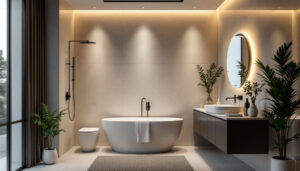
- Shower Recessed Lights: Designed specifically for wet areas, these fixtures are moisture-resistant and can be used in bathrooms or outdoor spaces. Contractors must ensure these lights are properly rated for their intended environment. The right choice of shower recessed lights can enhance safety while providing a stylish touch to bathrooms, ensuring that the lighting complements the overall design while remaining functional.
Additionally, energy efficiency is a key consideration when choosing flush mount can lights. Many modern fixtures are designed to accommodate LED bulbs, which not only consume less energy but also have a longer lifespan compared to traditional incandescent bulbs. This makes them a cost-effective choice for homeowners and businesses alike, as they can significantly reduce electricity bills over time. Furthermore, the advancements in LED technology have led to a variety of color temperatures and brightness levels, allowing for greater customization in lighting design.
Installation Considerations
Proper installation is crucial for the performance and longevity of flush mount can lights. Contractors should take several factors into account during the installation process to ensure optimal results.
Ceiling Height and Space
The height of the ceiling and the available space are significant factors in determining the placement of flush mount can lights. In rooms with low ceilings, fixtures should be spaced appropriately to avoid creating a cramped feeling. Additionally, the number of fixtures required will depend on the size of the room and the desired level of illumination.
For larger spaces, contractors may need to consider using multiple fixtures or combining flush mount can lights with other lighting types to achieve a balanced lighting scheme. Proper spacing and placement can enhance the room’s ambiance and functionality.
Electrical Requirements
Before installation, contractors must assess the electrical requirements for flush mount can lights. This includes checking the existing wiring, ensuring it can handle the load of the new fixtures, and determining whether a dedicated circuit is necessary. Adhering to local electrical codes is essential to ensure safety and compliance.
Additionally, contractors should consider using LED fixtures, which are energy-efficient and have a longer lifespan compared to traditional bulbs. This not only benefits the client through reduced energy costs but also minimizes the frequency of bulb replacements.
Trim Options
The trim of a flush mount can light can significantly affect the overall look and feel of a space. Contractors should discuss trim options with clients, as different styles can complement various interior designs. Common trim styles include baffle, reflector, and adjustable trims, each offering unique aesthetic and functional benefits.
Choosing the right trim can enhance the fixture’s performance by controlling light distribution and reducing glare. It’s essential for contractors to educate clients on the available options to ensure they make informed decisions that align with their design vision.
Lighting Design and Aesthetics
Flush mount can lights play a vital role in the overall lighting design of a space. Contractors must consider how these fixtures will contribute to the desired ambiance and functionality of the area.
Layered Lighting Approach
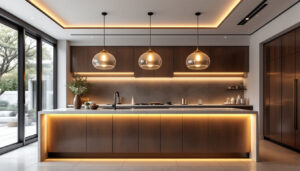
A layered lighting approach involves combining different types of lighting to create a balanced and inviting atmosphere. Flush mount can lights can serve as the primary source of ambient lighting while being complemented by task lighting, such as under-cabinet lights in kitchens or pendant lights over dining areas.
By strategically placing flush mount can lights, contractors can enhance the visual appeal of a room while ensuring that specific tasks are adequately illuminated. This approach not only improves functionality but also adds depth and dimension to the space.
Color Temperature and Brightness
The color temperature of the light emitted by flush mount can lights can significantly impact the mood of a room. Contractors should discuss options with clients, as warmer tones create a cozy atmosphere, while cooler tones can evoke a more modern and energetic feel.
Additionally, the brightness of the fixtures should be considered based on the room’s purpose. For example, brighter lights may be suitable for workspaces, while softer lighting may be desired in living areas. Understanding these preferences allows contractors to recommend the best solutions for their clients.
Energy Efficiency and Sustainability
With growing awareness of environmental issues, energy efficiency has become a crucial consideration in lighting design. Flush mount can lights, particularly those using LED technology, offer significant energy savings compared to traditional incandescent fixtures.
Benefits of LED Flush Mount Can Lights
LED flush mount can lights consume significantly less energy, resulting in lower utility bills for clients. Additionally, they have a longer lifespan, reducing the need for frequent replacements. This not only saves money but also minimizes waste, aligning with sustainable practices.
Contractors should emphasize these benefits to clients, as many are increasingly concerned about their environmental impact. By promoting energy-efficient options, contractors can position themselves as knowledgeable professionals who prioritize sustainability.
Incentives and Rebates
Many regions offer incentives or rebates for energy-efficient lighting upgrades. Contractors should stay informed about local programs that can benefit their clients. By providing information on available incentives, contractors can enhance their service offerings and help clients save even more on their lighting projects.
Incorporating energy-efficient solutions not only benefits the environment but also enhances the contractor’s reputation as a responsible and forward-thinking professional.
Common Challenges and Solutions
While installing flush mount can lights can be straightforward, contractors may encounter challenges that require creative solutions. Understanding these potential issues can help ensure a smooth installation process.
Limited Ceiling Space
In some cases, contractors may face limitations due to existing ceiling structures or obstructions. This can make it challenging to install flush mount can lights in the desired locations. To address this, contractors should assess the layout and explore alternative placement options that still achieve the desired lighting effect.
Utilizing adjustable fixtures can also provide flexibility in directing light where it is needed most, even in tight spaces. By being adaptable and resourceful, contractors can overcome these challenges and deliver satisfactory results.
Client Expectations
Managing client expectations is crucial in any lighting project. Contractors should engage in thorough discussions with clients to understand their vision and preferences. This includes discussing the limitations of flush mount can lights, such as their inability to provide focused task lighting in certain situations.
By setting realistic expectations and providing transparent communication, contractors can foster trust and ensure that clients are satisfied with the final outcome. This approach not only enhances the client experience but also strengthens the contractor’s reputation for professionalism.
Conclusion
Flush mount can lights are a versatile and stylish lighting solution that can enhance any space. For lighting contractors, understanding the various aspects of these fixtures—from installation considerations to design implications—is essential for successful projects. By staying informed about trends, energy efficiency, and client preferences, contractors can provide valuable insights and recommendations that lead to satisfied customers.
As the demand for modern lighting solutions continues to grow, contractors who are knowledgeable about flush mount can lights will be well-positioned to meet the needs of their clients. Embracing innovation and sustainability will not only benefit the environment but also elevate the contractor’s standing in a competitive market.
In summary, flush mount can lights offer an excellent opportunity for contractors to showcase their expertise and creativity while delivering exceptional lighting solutions that enhance the beauty and functionality of any space.
Illuminate Your Projects with LumenWholesale
Ready to elevate your lighting projects with the sleek appeal of flush mount can lights? At LumenWholesale, we provide lighting contractors with an exceptional range of high-quality, spec-grade lighting solutions at prices that can’t be beaten. Say goodbye to the middleman and hello to superior products, free shipping, and the best value for your investment. Whether you’re working on a residential or commercial space, our extensive selection is designed to meet your every need, ensuring reliability and performance that shines. Take the first step towards enhancing your lighting installations by visiting Wholesale Lighting at the Best Value and discover the difference quality and affordability can make.