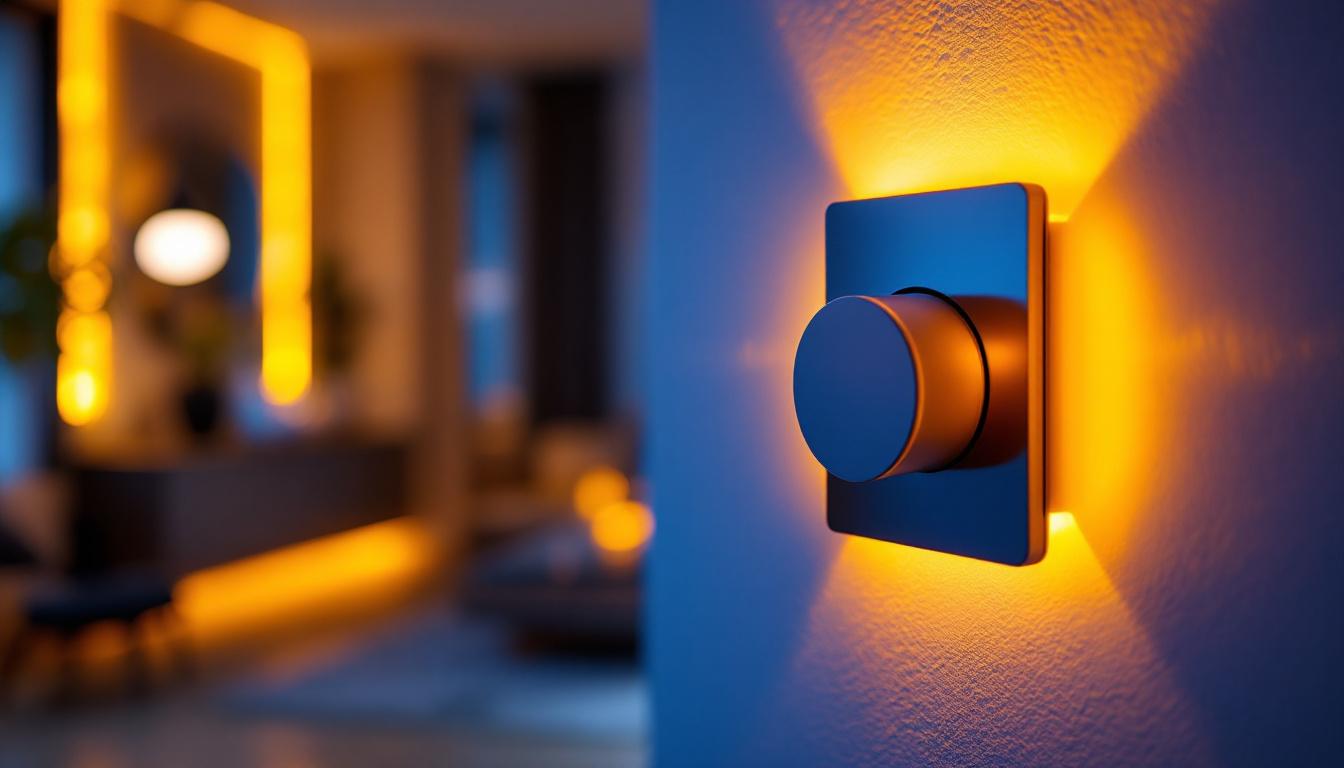
Understanding LED Lighting and Dimmer Compatibility
LED technology has revolutionized the lighting industry, offering energy efficiency, longevity, and design flexibility. However, integrating LED fixtures with dimmer switches requires a nuanced understanding of electrical compatibility and performance characteristics. For lighting contractors, mastering this knowledge is essential to ensure client satisfaction and avoid costly callbacks.
Traditional dimmer switches were originally designed for incandescent bulbs, which operate on a simple resistive load. LEDs, on the other hand, are electronic devices with complex drivers that can behave unpredictably when paired with incompatible dimmers. This mismatch often results in flickering, buzzing, limited dimming range, or even damage to the LED fixture or dimmer switch.
Therefore, selecting the right LED-compatible dimmer switch is a critical step in any lighting installation involving LEDs. Contractors must evaluate the electrical load, dimmer type, and LED driver specifications to achieve smooth, flicker-free dimming performance. Furthermore, it is also important to consider the total wattage of the LED fixtures being used, as many dimmers have a minimum and maximum load requirement that must be adhered to for optimal performance.
Key Differences Between Incandescent and LED Dimming
Incandescent bulbs dim by reducing voltage, which directly lowers the filament temperature and light output. This process is straightforward and compatible with most dimmers designed for resistive loads.
LEDs use drivers to convert electrical current into light, and these drivers often require a minimum load to function correctly with dimmers. Additionally, LEDs may use constant current or constant voltage drivers, each with different dimming requirements. Understanding these technical distinctions helps contractors select the appropriate dimmer technology, such as trailing-edge (ELV) or leading-edge (triac) dimmers.
Moreover, the dimming curve of LEDs can differ significantly from that of incandescent bulbs. While incandescent dimmers typically provide a linear dimming experience, LED dimming can sometimes present a non-linear curve, leading to a more abrupt change in brightness at lower levels. This characteristic can be particularly noticeable in installations where precise lighting control is desired, such as in home theaters or art galleries. Therefore, contractors should also consider the specific application and desired ambiance when choosing dimmers for LED installations, as this can greatly influence the overall user experience.
Types of LED Dimmer Switches and Their Applications
Choosing the right dimmer switch involves understanding the various technologies available and their suitability for different LED installations. Lighting contractors should be familiar with the following common dimmer types:
Leading-Edge (Triac) Dimmers
Leading-edge dimmers are the most traditional type, designed for incandescent and halogen bulbs. They cut the beginning of the AC waveform to reduce power. While some LED bulbs are compatible with leading-edge dimmers, many are not, leading to issues such as flickering or limited dimming range.
These dimmers are generally less expensive but may not provide the smoothest dimming experience with LEDs. Contractors should verify LED manufacturer compatibility before using leading-edge dimmers. In addition, it’s important to note that leading-edge dimmers can sometimes cause a buzzing sound, particularly when used with certain LED bulbs. This can be a significant drawback in residential settings where noise levels are a concern, prompting homeowners to seek alternatives that offer a quieter operation.
Trailing-Edge (ELV) Dimmers
Trailing-edge dimmers cut the end of the AC waveform and are better suited for LED lighting. They offer smoother dimming, reduced noise, and improved compatibility with low-wattage LED loads.
Because of their electronic switching mechanisms, trailing-edge dimmers are often recommended for modern LED installations, especially where precise dimming control is required. These dimmers also tend to have a longer lifespan compared to their leading-edge counterparts, as they generate less heat during operation, which can enhance the overall efficiency of the lighting system. Additionally, they are often equipped with features such as soft-start technology, which gradually increases the brightness of the lights, providing a more gentle transition that is particularly appealing in settings like dining rooms or theaters.
Digital and Smart Dimmers
With the rise of smart home technology, digital dimmers that integrate with wireless control systems are increasingly popular. These devices often support LED dimming protocols such as DALI, 0-10V, or Zigbee, allowing for advanced features like scene setting, remote control, and energy monitoring.
Lighting contractors should assess the project requirements and client preferences when recommending smart dimmers, ensuring compatibility with the LED fixtures and control systems. Furthermore, smart dimmers can often be controlled via smartphone apps or voice-activated assistants, providing users with unparalleled convenience. This level of control not only enhances the user experience but can also lead to energy savings, as users can easily adjust lighting levels based on their needs or preferences throughout the day. As smart technology continues to evolve, the integration of dimmers with other smart home devices, such as security systems and automated blinds, is likely to become more common, creating a seamless and interconnected living environment.
Best Practices for Installing LED Dimmer Switches
Proper installation is vital to achieving optimal LED dimming performance. Lighting contractors should adhere to the following best practices to minimize issues and enhance system reliability.
Assess Load Requirements Accurately
LED fixtures typically draw much less current than incandescent bulbs, which can cause traditional dimmers to malfunction due to insufficient load. Contractors should calculate the total wattage of the LED fixtures on a dimmer circuit and confirm that it meets the dimmer’s minimum load specifications.
In cases where the load is too low, adding a dummy load or selecting a dimmer designed for low-wattage LED loads can resolve performance problems.
Use Compatible LED Fixtures and Dimmers
Always consult the LED fixture manufacturer’s specifications and recommended dimmer lists. Using approved combinations reduces the risk of flickering, buzzing, and premature equipment failure.
Testing dimmer and LED combinations on-site before final installation can help identify compatibility issues early, saving time and resources.
Pay Attention to Wiring and Grounding
Correct wiring is essential for safe and effective dimmer operation. Contractors should ensure that the dimmer switch is properly grounded and that neutral wires are connected as required by the dimmer’s design.
Some modern dimmers require a neutral wire to function correctly, which may necessitate additional wiring in older buildings. Proper grounding also helps reduce electrical noise that can interfere with dimming performance.
Consider Environmental Factors
Temperature, humidity, and electromagnetic interference can impact LED dimmer performance. Contractors should install dimmers in locations that avoid excessive heat or moisture and away from sources of electrical noise such as motors or transformers.
Following manufacturer installation guidelines regarding environmental conditions helps ensure long-term reliability.
Troubleshooting Common LED Dimmer Issues
Even with careful planning and installation, lighting contractors may encounter issues with LED dimmer switches. Understanding common problems and their solutions enables quick resolution and maintains client satisfaction.
Flickering or Flashing Lights
Flickering is often caused by incompatible dimmers, low load conditions, or poor wiring connections. Verifying dimmer and LED compatibility is the first step. If the load is too low, adding more LED fixtures or a load resistor can stabilize the circuit.
Loose wiring or poor contact in the switch box should also be inspected and corrected.
Buzzing or Humming Noise
Buzzing typically results from the dimmer’s internal components vibrating under certain electrical loads. Using trailing-edge dimmers designed for LED loads can reduce this noise. Additionally, ensuring that the dimmer is not overloaded and that wiring is secure can help.
Limited Dimming Range or Lights Not Turning Off Completely
Some LED fixtures may not dim down to zero or may glow faintly when switched off due to residual current flowing through the dimmer. Selecting dimmers with a wider dimming range and ensuring proper wiring can mitigate these issues.
In some cases, installing a bypass device or a compatible LED driver with built-in dimming control may be necessary.
Emerging Trends and Technologies in LED Dimming
The lighting industry continues to evolve rapidly, with new technologies enhancing LED dimming capabilities and integration options. Lighting contractors should stay informed about these trends to offer cutting-edge solutions to their clients.
Integration with Building Automation Systems
Modern LED dimmers increasingly support integration with building automation and smart control systems. Protocols like DALI-2 and Bluetooth Mesh enable centralized management of lighting scenes, occupancy-based control, and energy optimization.
Contractors skilled in these technologies can provide value-added services that improve building efficiency and occupant comfort.
Advanced Dimming Algorithms
New LED drivers and dimmers employ sophisticated algorithms to ensure smooth, flicker-free dimming across a broad range of loads. These advancements reduce common issues and expand the compatibility of LEDs with various dimmer types.
Keeping abreast of these technological improvements allows contractors to recommend products that enhance performance and reliability.
Energy Monitoring and Feedback
Some smart dimmers now include energy monitoring features that provide real-time feedback on power consumption. This data helps building managers optimize lighting usage and reduce operational costs.
Lighting contractors can leverage these features to support sustainability goals and demonstrate the value of LED lighting upgrades.
Conclusion: Delivering Excellence with LED Dimmer Installations
For lighting contractors, expertise in LED dimmer switches is a vital component of successful LED lighting projects. Understanding the technical nuances of LED dimming, selecting compatible equipment, adhering to best installation practices, and troubleshooting common issues are essential skills.
By staying informed about emerging technologies and industry trends, contractors can provide innovative, reliable, and energy-efficient lighting solutions that meet the evolving needs of their clients.
Ultimately, the ability to deliver smooth, flicker-free, and user-friendly LED dimming experiences enhances customer satisfaction and strengthens professional reputation in a competitive market.
Get Your Premium LED Dimming Solutions at LumenWholesale
Ready to elevate your LED lighting installations with products that promise compatibility, performance, and value? Look no further than LumenWholesale. We specialize in providing lighting contractors with high-quality, specification-grade lighting products at unbeatable wholesale prices. Our extensive selection is designed to meet the highest industry standards, ensuring you have access to reliable and high-performance lighting for every project. Plus, with free shipping on bulk orders, you can secure premium lighting solutions at the best value — all without hidden fees or compromises. Don’t let dimmer compatibility issues dim your project’s success. Visit LumenWholesale today and experience the perfect blend of quality, affordability, and convenience.