In the world of lighting, the standard lightbulb remains a staple in both residential and commercial applications. For lighting contractors, understanding the nuances of standard lightbulbs is essential for providing optimal solutions to clients. This article delves into best practices, installation tips, and considerations that every lighting contractor should be aware of when working with standard lightbulbs.
Understanding Standard Lightbulbs
Standard lightbulbs come in various shapes, sizes, and technologies, each suited for different applications. The most common types include incandescent, compact fluorescent (CFL), and light-emitting diode (LED) bulbs. Each type has its unique characteristics, benefits, and limitations that can significantly impact the lighting design and energy efficiency of a space.
Types of Standard Lightbulbs
Incandescent bulbs have been the traditional choice for many years, known for their warm light and excellent color rendering. However, they are less energy-efficient and have a shorter lifespan compared to newer technologies. These bulbs typically last around 1,000 hours and emit a warm glow that many people find comforting, making them a staple in homes and hospitality settings. Despite their charm, the rising energy costs and environmental concerns have led to a gradual decline in their use.
CFLs offer a more energy-efficient alternative, using about 75% less energy than incandescent bulbs. They have a longer lifespan, averaging around 10,000 hours, but may take time to reach full brightness and can contain small amounts of mercury, necessitating careful disposal. These bulbs are particularly effective in areas where lights are left on for extended periods, such as hallways and outdoor fixtures. However, their initial flickering and cool light quality can be off-putting for some consumers.
LED bulbs have rapidly gained popularity due to their exceptional energy efficiency, longevity, and decreasing costs. They can last up to 25,000 hours or more, making them a cost-effective solution in the long run. Available in various color temperatures, from warm to cool white, LEDs can be tailored to fit any design aesthetic. Their versatility allows for use in everything from recessed lighting to decorative fixtures, and they are also dimmable, providing additional flexibility in creating the desired ambiance.
Choosing the Right Bulb for the Job
When selecting a standard lightbulb, contractors should consider several factors, including the intended use, desired ambiance, and energy efficiency. For instance, in areas where warm light is preferred, such as living rooms or restaurants, incandescent or warm LED bulbs may be ideal. In contrast, cooler LED options might be better suited for workspaces or retail environments. Understanding the specific needs of each space can help contractors make informed decisions that enhance both functionality and aesthetics.
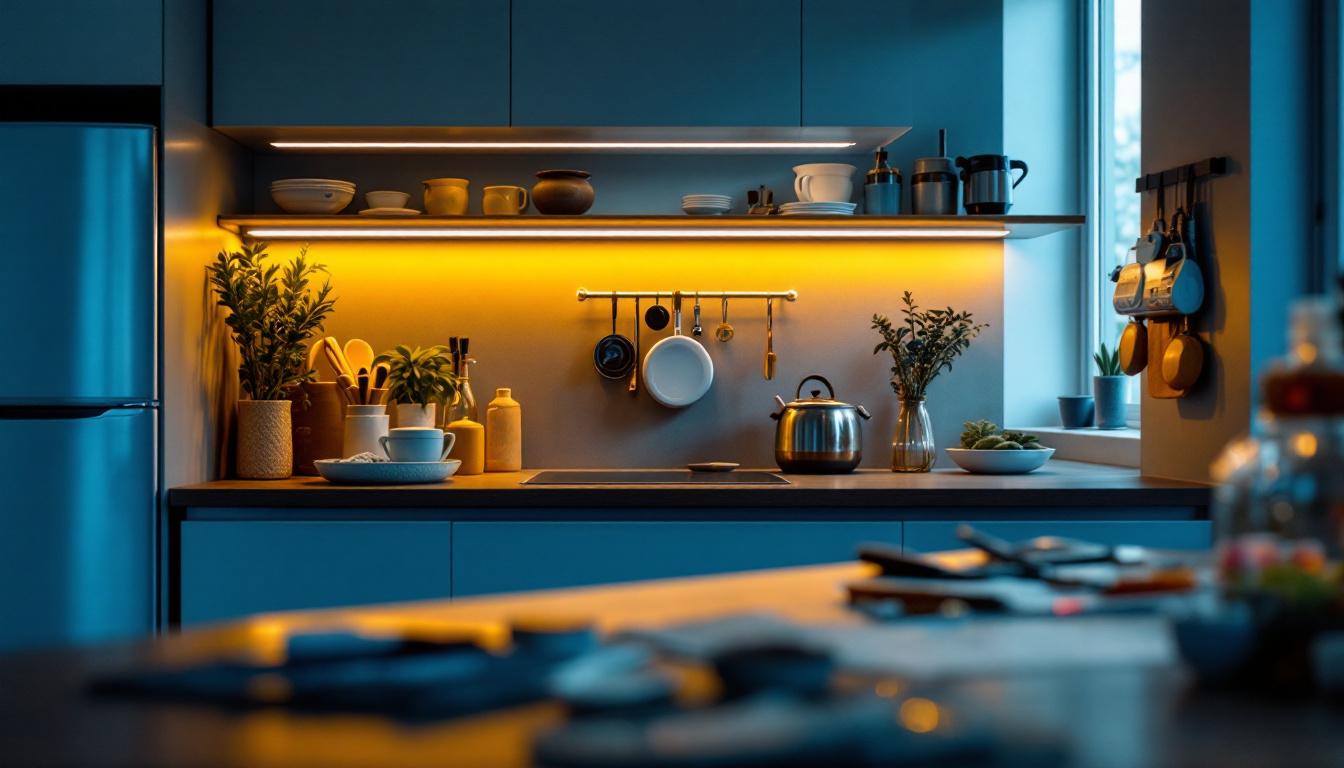
Additionally, understanding the wattage and lumen output is crucial. Contractors should ensure that the chosen bulb provides adequate illumination for the space while also being mindful of energy consumption. This balance is key to meeting client expectations and adhering to energy codes. Furthermore, considering the dimming capabilities and compatibility with existing fixtures can further refine the selection process. For example, in a home theater setting, a dimmable LED bulb can create the perfect atmosphere for movie nights, while in a kitchen, bright, cool light can enhance visibility and safety during food preparation. By taking these factors into account, contractors can deliver lighting solutions that are not only efficient but also tailored to the specific needs of their clients.
Best Practices for Installation
Proper installation of standard lightbulbs is critical for ensuring safety, efficiency, and longevity. Lighting contractors should adhere to best practices to avoid common pitfalls and enhance the overall performance of the lighting system.
Safety First
Before beginning any installation, safety should be the top priority. Contractors must ensure that the power is turned off at the circuit breaker to prevent electrical shock. Using insulated tools and wearing appropriate personal protective equipment can further enhance safety during installation.
Additionally, it is essential to inspect fixtures and sockets for any signs of damage or wear. Replacing faulty components before installing new bulbs can prevent future issues and ensure optimal performance. Regular maintenance checks on existing fixtures can also help identify potential hazards before they become problematic, allowing contractors to address issues proactively rather than reactively.
Proper Handling and Installation Techniques
When handling lightbulbs, contractors should avoid touching the glass with bare hands, as oils from the skin can create hot spots and lead to premature failure. Instead, using a cloth or gloves can help maintain the integrity of the bulb.
During installation, it is vital to ensure that the bulb is securely fitted into the socket. A loose connection can lead to flickering or even complete failure of the bulb. For LED bulbs, ensuring compatibility with dimmers and other control systems is also essential to avoid performance issues. Furthermore, understanding the specific requirements for different types of bulbs, such as incandescent, fluorescent, or LED, can help contractors choose the right fixtures and settings to maximize energy efficiency and light quality.
Moreover, contractors should consider the placement and orientation of light fixtures to optimize illumination and reduce glare. Properly positioned lights can enhance the aesthetics of a space while providing adequate lighting for safety and functionality. For example, in a workspace, ensuring that light sources are directed away from screens can minimize eye strain and improve comfort for occupants. Additionally, utilizing smart lighting solutions can offer flexibility and control over the lighting environment, allowing for adjustments based on time of day or activity level.
Energy Efficiency Considerations
Energy efficiency is a significant concern for both contractors and clients, especially with rising energy costs and increasing environmental awareness. By promoting energy-efficient lighting solutions, contractors can help clients save money and reduce their carbon footprint.
Understanding Energy Ratings
When selecting lightbulbs, contractors should familiarize themselves with energy ratings such as the Energy Star label. This certification indicates that the bulb meets strict energy efficiency guidelines set by the Environmental Protection Agency. Choosing Energy Star-rated bulbs can significantly enhance the energy efficiency of a lighting system.
Additionally, understanding the concept of lumens per watt can help contractors compare the efficiency of different bulb types. For instance, while incandescent bulbs may provide around 15 lumens per watt, LED bulbs can offer over 100 lumens per watt, making them a more efficient choice.
Incorporating Smart Lighting Solutions
Smart lighting solutions are becoming increasingly popular, allowing for greater control and efficiency. Contractors should consider incorporating smart switches, dimmers, and smart bulbs into their designs. These technologies enable clients to adjust lighting levels based on their needs, further enhancing energy savings.
Moreover, educating clients about the benefits of smart lighting can lead to increased satisfaction and potentially more referrals for contractors. Providing demonstrations of how these systems work can also help clients appreciate their value.
Maintenance and Troubleshooting
Regular maintenance is crucial for ensuring the longevity and performance of standard lightbulbs. Contractors should educate clients on how to care for their lighting systems and troubleshoot common issues.
Regular Inspections
Encouraging clients to conduct regular inspections of their lighting systems can help identify potential issues early. This includes checking for flickering lights, discoloration, or unusual noises from fixtures. Addressing these problems promptly can prevent more significant issues down the line.
Contractors should also recommend replacing bulbs that are nearing the end of their lifespan. For instance, incandescent bulbs typically last about 1,000 hours, while LEDs can last up to 25,000 hours. Keeping track of when bulbs were last replaced can help maintain optimal lighting conditions.
Troubleshooting Common Issues
If clients experience issues such as flickering lights, contractors should first check the bulb installation and ensure it is securely fitted. If the problem persists, examining the fixture and wiring may be necessary. Loose connections or damaged wiring can lead to inconsistent performance.
For LED bulbs, compatibility with dimmer switches is another common issue. Contractors should ensure that the dimmers used are rated for LED bulbs to avoid flickering or buzzing sounds.
Client Education and Communication
Effective communication with clients is essential for successful lighting projects. Educating clients about the benefits of different types of bulbs and lighting solutions can lead to informed decisions and increased satisfaction.
Providing Clear Information
Contractors should provide clients with clear and concise information regarding the types of bulbs available, their benefits, and potential drawbacks. This transparency helps clients feel more confident in their choices and fosters trust in the contractor’s expertise.
Additionally, offering guidance on energy savings and maintenance can empower clients to take an active role in their lighting systems. Providing written materials or digital resources can serve as a helpful reference for clients after the installation.
Encouraging Feedback
Encouraging feedback from clients can provide valuable insights into their experiences and satisfaction levels. This feedback can help contractors refine their services and address any concerns promptly. Moreover, positive testimonials can serve as powerful marketing tools for attracting new clients.
Establishing a follow-up process after installations can also demonstrate a commitment to customer service and help maintain long-term relationships with clients.
Conclusion
In conclusion, understanding standard lightbulbs and their best practices is crucial for lighting contractors. By staying informed about the various types of bulbs, installation techniques, energy efficiency considerations, and maintenance practices, contractors can provide exceptional service to their clients. Furthermore, effective communication and client education can enhance satisfaction and lead to successful, long-lasting lighting solutions.
As the lighting industry continues to evolve, embracing new technologies and practices will be key to staying competitive. By prioritizing quality, efficiency, and customer service, lighting contractors can build a reputation for excellence in their field.
Illuminate Your Projects with LumenWholesale
Ready to elevate your lighting projects with the best in the business? Look no further than LumenWholesale for a comprehensive range of top-quality, spec-grade lighting products at unbeatable wholesale prices. Say goodbye to local distributor markups and hello to superior lighting solutions that meet the highest industry standards. With LumenWholesale, bulk buying is a breeze, thanks to our hassle-free process and free shipping. Don’t compromise on quality or price. Click now to Wholesale Lighting at the Best Value and bring exceptional lighting to every project with the perfect blend of quality, affordability, and convenience.