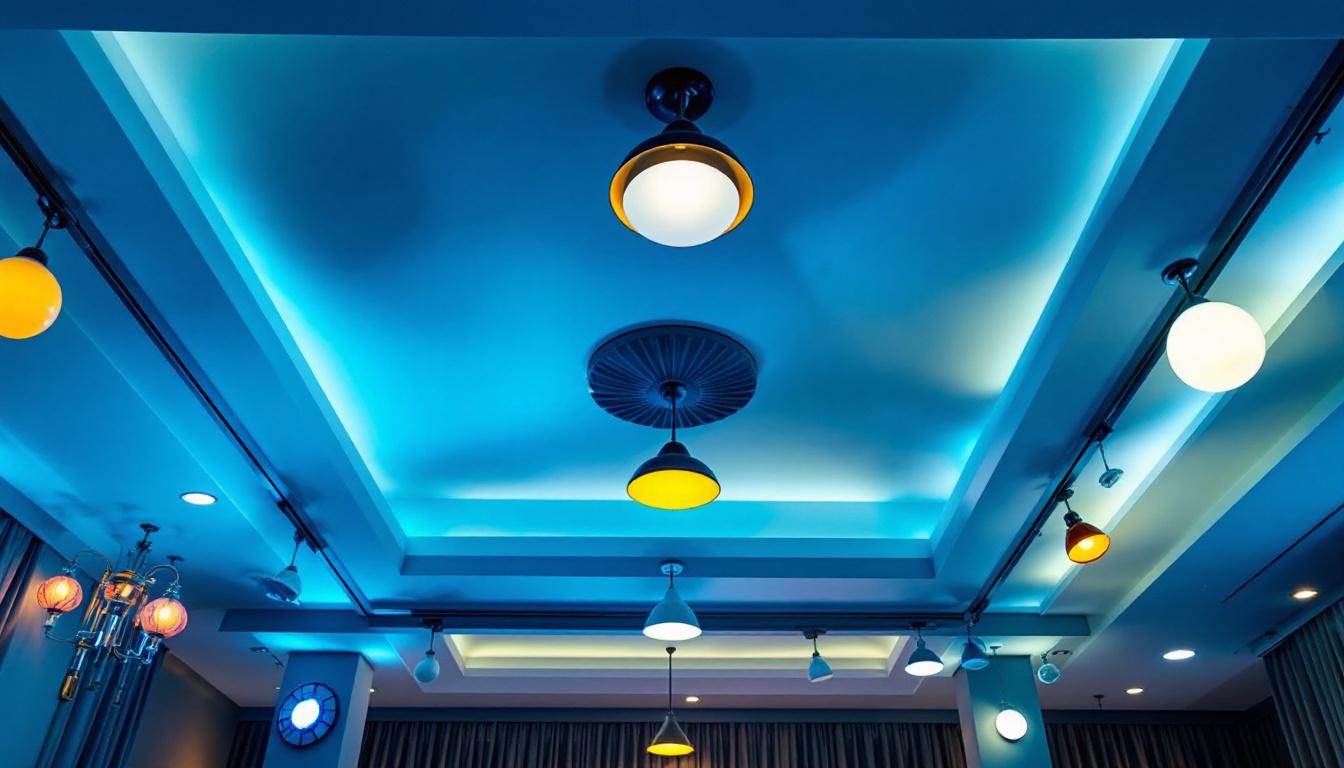
In the realm of interior design, lighting plays a pivotal role in shaping the atmosphere and functionality of a space. For lighting contractors, understanding the nuances of ceiling lighting is essential for creating environments that are not only aesthetically pleasing but also practical. This article delves into the secrets of ceiling lighting, offering insights that can elevate the quality of work provided by lighting contractors.
The Importance of Ceiling Lighting
Ceiling lighting serves multiple purposes, from providing general illumination to highlighting architectural features. It sets the tone for a room and influences how colors and textures are perceived. Understanding the importance of ceiling lighting can help contractors make informed decisions that enhance their clients’ spaces.
Creating Ambiance
One of the primary functions of ceiling lighting is to create ambiance. The right lighting can transform a stark room into a warm, inviting space. For instance, soft, diffused lighting can create a cozy atmosphere, while bright, direct lighting is ideal for task-oriented areas like kitchens and workspaces. Contractors should consider the intended use of each room when selecting ceiling lighting options. Additionally, the use of dimmers can provide versatility, allowing homeowners to adjust the brightness according to the time of day or the occasion, further enhancing the room’s functionality and mood.
Highlighting Architectural Features
Ceiling lighting can also be used to accentuate architectural features, such as vaulted ceilings, beams, or moldings. By strategically placing lights, contractors can draw attention to these elements, enhancing the overall design of the space. Techniques such as uplighting and downlighting can create dramatic effects that elevate a room’s aesthetic appeal. Moreover, incorporating fixtures with unique designs can serve as statement pieces, adding character and style to the room. For example, a stunning chandelier can become a focal point in a dining area, while recessed lighting can create a sleek, modern look in a contemporary living room.
Energy Efficiency and Sustainability
In today’s world, energy efficiency and sustainability are more important than ever. Ceiling lighting options have evolved significantly, with LED technology leading the charge. These energy-efficient bulbs consume less power and have a longer lifespan compared to traditional incandescent bulbs, making them a smart choice for contractors and homeowners alike. Additionally, many modern fixtures are designed with sustainability in mind, utilizing recyclable materials and low-impact manufacturing processes. By choosing energy-efficient ceiling lighting, contractors not only help reduce energy costs for their clients but also contribute to a more sustainable future.
Integrating Smart Technology
The rise of smart home technology has also influenced ceiling lighting design. Many homeowners are now seeking lighting solutions that can be controlled via smartphones or voice-activated devices. This integration allows for greater flexibility in managing lighting settings, enabling users to create customized lighting scenes for different activities or moods. For instance, a simple command can dim the lights for a movie night or brighten them for a lively gathering. Contractors should stay informed about the latest smart lighting options to provide clients with innovative solutions that enhance convenience and modern living.
Types of Ceiling Lighting
There are various types of ceiling lighting available, each with its unique characteristics and applications. Understanding these types can help contractors choose the right fixtures for their projects.
Recessed Lighting
Recessed lighting, often referred to as can lights or pot lights, is a popular choice for modern interiors. These fixtures are installed into the ceiling, providing a clean and unobtrusive look. They are versatile and can be used for general illumination, task lighting, or accent lighting. Contractors should pay attention to the spacing and placement of recessed lights to ensure even illumination throughout the room.
Chandeliers and Pendant Lights
Chandeliers and pendant lights are excellent choices for adding a focal point to a room. These fixtures come in various styles, sizes, and designs, making them suitable for different aesthetics. When installing chandeliers, contractors should consider the height of the ceiling and the scale of the room to ensure proper proportion. Pendant lights can be used in clusters or as single statement pieces, offering flexibility in design.
Flush and Semi-Flush Mount Lights
Flush and semi-flush mount lights are ideal for spaces with lower ceilings. These fixtures sit close to the ceiling, providing ample light without overwhelming the space. They come in various styles, from contemporary to traditional, allowing contractors to match the lighting to the overall design theme. Proper selection of these fixtures can enhance the functionality of a room while maintaining an open feel.
Choosing the Right Bulbs
The choice of bulbs is as crucial as selecting the right fixtures. Different types of bulbs produce varying qualities of light, which can significantly impact the ambiance of a space.
LED vs. Incandescent
LED bulbs have become the preferred choice for many contractors due to their energy efficiency and longevity. They produce less heat and are available in various color temperatures, allowing for greater flexibility in design. Incandescent bulbs, while offering a warm glow, consume more energy and have a shorter lifespan. Contractors should weigh the pros and cons of each type based on the specific needs of the project.
Color Temperature and CRI
Color temperature, measured in Kelvin, affects how light appears in a space. Warmer tones (around 2700K) create a cozy atmosphere, while cooler tones (above 4000K) are more energizing and suitable for workspaces. Additionally, the Color Rendering Index (CRI) measures how accurately a light source displays colors. A higher CRI (90 or above) is ideal for spaces where color accuracy is essential, such as art studios or retail environments.
Lighting Control Systems
Incorporating lighting control systems can enhance the functionality of ceiling lighting. These systems allow for greater flexibility in how lighting is used, enabling contractors to create customized experiences for their clients.
Dimmers and Smart Controls
Dimmers are a simple yet effective way to adjust the brightness of ceiling lights, allowing users to create the desired ambiance for different occasions. Smart lighting controls take this a step further, offering features such as remote access, scheduling, and integration with home automation systems. Contractors should educate clients on the benefits of these systems, as they can significantly enhance the usability of lighting in a space.
Zoning and Scene Setting
Creating zones within a space can help tailor the lighting to specific activities. For example, a living room may have different lighting settings for reading, watching TV, or entertaining guests. By designing lighting zones and pre-set scenes, contractors can provide clients with a more versatile and enjoyable lighting experience. This approach not only improves functionality but also adds a layer of sophistication to the design.
Common Mistakes to Avoid
Even experienced contractors can fall victim to common pitfalls when it comes to ceiling lighting. Being aware of these mistakes can help ensure successful installations and satisfied clients.
Overlooking Scale and Proportion
One of the most significant mistakes is failing to consider the scale and proportion of fixtures in relation to the room. A large chandelier in a small room can overwhelm the space, while tiny fixtures in a grand foyer may get lost. Contractors should carefully evaluate the dimensions of both the room and the fixtures to achieve a harmonious balance.
Inadequate Lighting Levels
Another common error is providing insufficient lighting levels for the intended use of the space. Contractors should assess the tasks that will be performed in each area and ensure that the lighting meets those needs. This may involve layering different types of lighting, such as ambient, task, and accent, to create a well-lit environment.
Trends in Ceiling Lighting
Staying updated on the latest trends in ceiling lighting can give contractors a competitive edge. Clients often seek modern solutions that reflect current design aesthetics.
Minimalist Designs
Minimalism continues to be a popular trend in interior design, and ceiling lighting is no exception. Simple, clean lines and understated designs are favored for their ability to blend seamlessly into various styles. Contractors should consider fixtures that embody this trend while still providing adequate illumination.
Integrated Lighting Solutions
Integrated lighting solutions, such as LED strips and panels, are gaining traction in contemporary designs. These options offer versatility and can be used to create unique lighting effects. Contractors should explore how these integrated solutions can enhance their projects while providing clients with modern, energy-efficient options.
Installation Best Practices
Proper installation is crucial for the longevity and effectiveness of ceiling lighting. Following best practices can ensure that the lighting performs as intended.
Electrical Considerations
Before installation, contractors must ensure that the electrical system can support the chosen fixtures. This includes checking the wattage and ensuring that circuits are not overloaded. Proper wiring and connections are essential for safety and functionality. Additionally, using appropriate junction boxes and following local codes can prevent future issues.
Testing and Adjustments
After installation, it is vital to test the lighting to ensure it meets the desired outcomes. This includes checking for even illumination, adjusting angles for recessed lights, and verifying that dimmers function correctly. Making adjustments during the installation process can save time and ensure that clients are satisfied with the final result.
Conclusion
Mastering ceiling lighting is an essential skill for lighting contractors. By understanding the importance of ceiling lighting, the various types available, and the best practices for installation, contractors can create spaces that are both functional and visually appealing. Staying informed about trends and avoiding common mistakes further enhances the quality of work provided. With these insights, lighting contractors can elevate their craft and deliver exceptional results for their clients.
Illuminate Your Projects with LumenWholesale
Ready to take your ceiling lighting projects to the next level? At LumenWholesale, we provide lighting contractors with the high-quality, spec-grade lighting products you need at prices that can’t be beaten. Say goodbye to local distributor markups and hello to our extensive selection that meets the highest industry standards. With free shipping on bulk orders, you can trust that you’re getting premium lighting at the best value, with no hidden fees. Elevate your craft with the perfect blend of quality, affordability, and convenience at LumenWholesale.