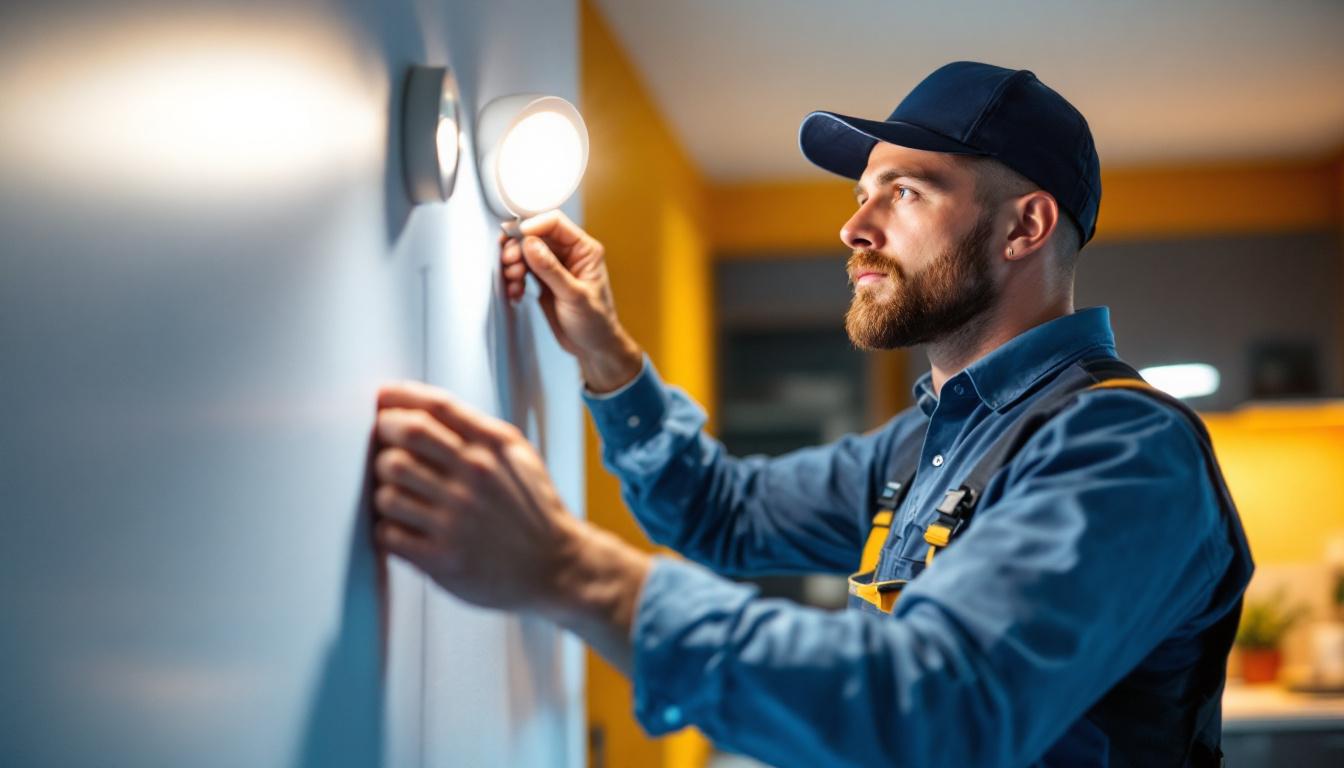
As the demand for energy-efficient lighting solutions continues to rise, remodel LED can lights have become a staple in modern lighting design. For lighting contractors, understanding the intricacies of these fixtures is essential for delivering quality service and meeting client expectations. This article provides an in-depth look at the essential facts surrounding remodel LED can lights, including their benefits, installation techniques, and considerations for contractors.
Understanding LED Can Lights
LED can lights, also known as recessed lights or downlights, are fixtures that are installed into the ceiling, providing a clean and unobtrusive look. Unlike traditional incandescent or fluorescent lights, LED can lights use light-emitting diodes to produce illumination, which offers numerous advantages in both residential and commercial applications.
Benefits of LED Technology
The primary advantage of LED technology is energy efficiency. LED can lights consume significantly less power than their incandescent counterparts, leading to reduced energy bills for homeowners and businesses alike. Additionally, they have a longer lifespan, often lasting up to 25,000 hours or more, which means less frequent replacements and lower maintenance costs.
Another benefit is the quality of light produced by LEDs. They provide bright, clear illumination without the flickering that can occur with traditional bulbs. This makes them ideal for various applications, from task lighting in kitchens to ambient lighting in living spaces. Furthermore, many LED can lights are available in a range of color temperatures, allowing homeowners to choose between warm, inviting tones or cooler, more energizing hues to suit their specific needs and preferences.
Types of LED Can Lights
There are several types of LED can lights available on the market, each designed for specific applications. Some common types include:
- New Construction LED Can Lights: These fixtures are designed for installation in new builds and are typically mounted in a ceiling joist.
- Remodel LED Can Lights: Ideal for retrofitting existing spaces, these fixtures are designed to fit into existing ceiling openings without the need for extensive renovation.
- Adjustable LED Can Lights: These fixtures allow for directional lighting, making them suitable for highlighting artwork or architectural features.
In addition to these types, there are also options that come with smart technology, allowing users to control the brightness and color temperature through mobile apps or smart home systems. This feature not only enhances convenience but also enables users to create dynamic lighting scenes that can change throughout the day or for special occasions. Moreover, some LED can lights are designed with dimmable capabilities, providing further flexibility in lighting design and energy savings.
When considering installation, it’s essential to factor in the placement and spacing of LED can lights to achieve optimal lighting effects. Properly spaced fixtures can create a balanced illumination that enhances the overall aesthetic of a room while eliminating harsh shadows. Additionally, using LED can lights in conjunction with other lighting sources, such as wall sconces or pendant lights, can create a layered lighting effect that adds depth and warmth to any space.
Installation Techniques for Remodel LED Can Lights
Installing remodel LED can lights requires careful planning and execution to ensure optimal performance and aesthetics. Lighting contractors must be familiar with the installation process, including the necessary tools and techniques.
Preparation and Planning
Before beginning the installation, contractors should assess the existing ceiling structure and determine the best locations for the new fixtures. This involves considering factors such as room layout, existing wiring, and the desired lighting effect. Proper planning helps avoid complications during installation and ensures that the final result meets the client’s expectations.
It’s also important to check local building codes and regulations regarding electrical installations. Compliance with these codes ensures safety and can prevent costly rework down the line. Additionally, contractors should take into account the type of LED can lights being installed, as different models may have varying requirements for clearance and ventilation. Understanding the specifications of the chosen fixtures can significantly impact the installation process and the overall effectiveness of the lighting design.
Tools and Materials Needed
Having the right tools and materials on hand is crucial for a successful installation. Essential tools include:
- Drill and drill bits
- Wire strippers
- Voltage tester
- Measuring tape
- Level
In addition to tools, contractors should ensure they have the appropriate remodel LED can lights, compatible dimmer switches if needed, and electrical wiring materials. Quality components contribute to the longevity and performance of the lighting system. Moreover, it’s advisable to have safety gear, such as goggles and gloves, to protect against any debris or electrical hazards that may arise during the installation process. Preparing for potential challenges can make the installation smoother and more efficient.
Step-by-Step Installation Process
The installation of remodel LED can lights typically involves the following steps:
- Turn Off Power: Safety is paramount. Always turn off the power at the circuit breaker before starting any electrical work.
- Cut the Ceiling Opening: Use a template or the fixture itself to mark the outline of the hole needed for the can light. Carefully cut the opening using a drywall saw.
- Run Electrical Wiring: If new wiring is required, run it from the power source to the location of the can light. Ensure that the wiring is secured and compliant with local codes.
- Connect the Fixture: Follow the manufacturer’s instructions to connect the fixture to the wiring. Secure all connections with wire nuts and electrical tape.
- Insert the Can Light: Gently push the can light into the ceiling opening, ensuring it is flush with the surface. Most remodel can lights have clips that secure the fixture in place.
- Restore Power and Test: Turn the power back on and test the fixture to ensure it operates correctly.
After the installation, it’s beneficial to evaluate the lighting effect in the room. Adjusting the angle of the can lights or adding dimmer switches can enhance the ambiance and functionality of the space. Additionally, contractors should educate clients on the maintenance of LED lights, including how to clean the fixtures and the expected lifespan of the bulbs. This knowledge empowers clients to make informed decisions about their lighting and ensures they enjoy the benefits of their new installation for years to come.
Considerations for Lighting Contractors
While the installation of remodel LED can lights may seem straightforward, several considerations can impact the overall success of the project. Lighting contractors should be aware of these factors to provide the best service possible.
Choosing the Right Lumens and Color Temperature
When selecting LED can lights, it’s essential to consider lumens and color temperature. Lumens measure the brightness of the light, while color temperature, measured in Kelvins, determines the warmth or coolness of the light. For example, a color temperature of 2700K provides a warm, inviting glow, while 5000K offers a cooler, daylight-like appearance.
Contractors should consult with clients to understand their preferences and the intended use of the space. For example, kitchens and workspaces may benefit from cooler tones and higher lumens, while living areas may require warmer tones for a cozy atmosphere.
Energy Efficiency and Incentives
One of the significant selling points of LED can lights is their energy efficiency. Many clients may be interested in potential energy savings and rebates available for energy-efficient installations. Lighting contractors should stay informed about local utility programs that offer incentives for using LED technology, as this can be a valuable selling point when discussing options with clients.
Future-Proofing Installations
As technology continues to evolve, lighting contractors should consider future-proofing their installations. This can involve recommending fixtures that are compatible with smart home systems or those that allow for easy upgrades. Clients appreciate flexibility, and being able to adapt lighting systems to future needs can enhance customer satisfaction.
Common Challenges and Solutions
Even experienced lighting contractors may encounter challenges during the installation of remodel LED can lights. Understanding common issues and their solutions can help streamline the process and ensure a successful outcome.
Dealing with Limited Ceiling Space
In some cases, ceiling space may be limited due to existing structures, such as ductwork or plumbing. This can make it difficult to install traditional can lights. However, there are low-profile LED fixtures available that are designed for tight spaces. These fixtures can provide the desired lighting without compromising on performance or aesthetics.
Wiring Issues
Wiring issues can arise during installation, especially in older homes. Contractors should be prepared to troubleshoot wiring problems, such as outdated electrical systems or insufficient power supply. In some cases, it may be necessary to upgrade the electrical panel or run additional circuits to accommodate the new fixtures.
Client Expectations
Managing client expectations is crucial for any lighting project. Contractors should communicate clearly about the installation process, potential challenges, and timelines. Providing a realistic overview can help prevent misunderstandings and ensure that clients are satisfied with the final results.
Conclusion
Remodel LED can lights are an excellent choice for modern lighting solutions, offering energy efficiency, versatility, and aesthetic appeal. For lighting contractors, understanding the essential facts about these fixtures is vital for successful installations and satisfied clients. By staying informed about installation techniques, product options, and industry trends, contractors can position themselves as knowledgeable professionals in the ever-evolving world of lighting design.
As the market for LED technology continues to grow, embracing these advancements will not only benefit contractors but also enhance the overall experience for clients seeking innovative lighting solutions. With the right approach and expertise, lighting contractors can navigate the complexities of remodel LED can lights and deliver exceptional results that illuminate spaces beautifully.
Get Your Premium LED Can Lights at LumenWholesale
Ready to elevate your lighting projects with the efficiency and elegance of remodel LED can lights? Look no further than LumenWholesale for all your lighting needs. We provide contractors with high-quality, specification-grade lighting products at unbeatable wholesale prices. Our selection is vast and meets the highest industry standards, so you can trust the performance and reliability of every fixture. Plus, with free shipping on bulk orders, you can stock up on superior lighting solutions without worrying about hidden fees or inflated costs. Make your next project shine with the perfect blend of quality, affordability, and convenience. Visit LumenWholesale now for Wholesale Lighting at the Best Value.