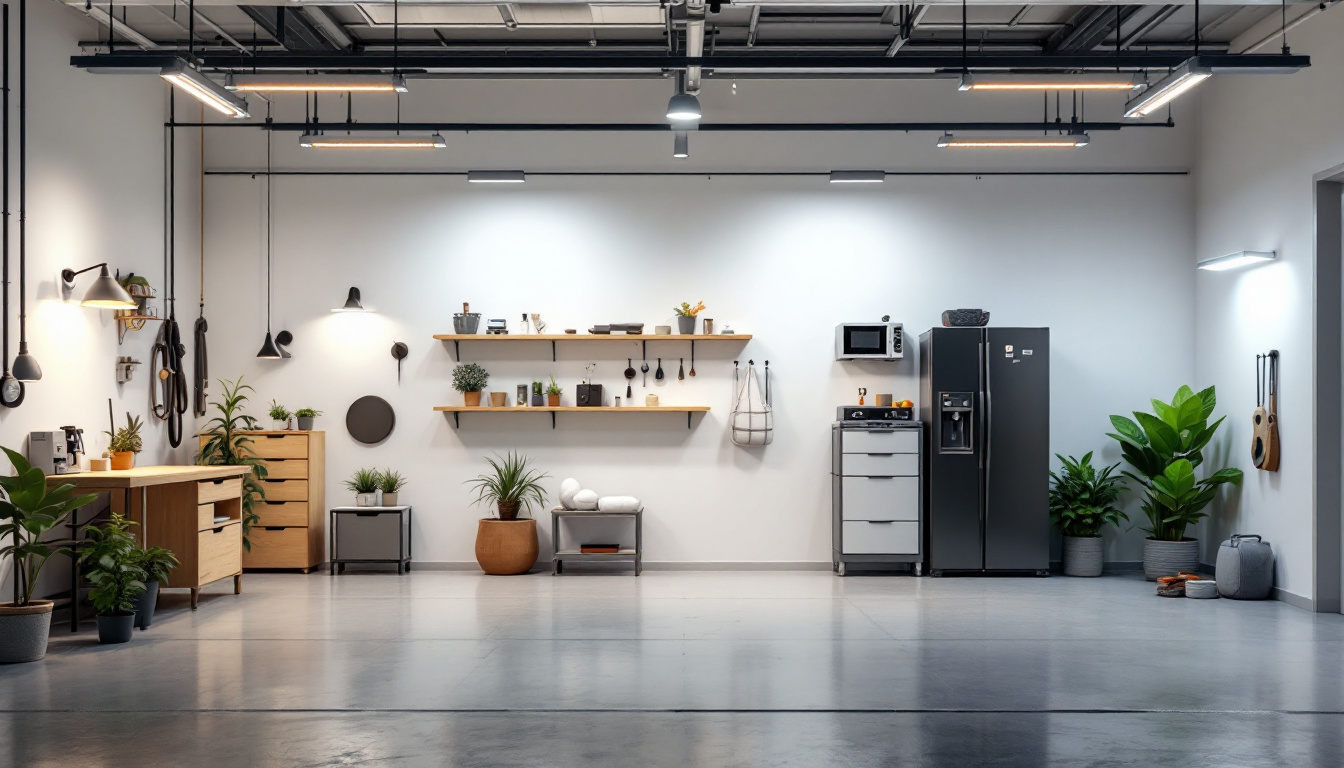
Choosing the Wrong Fixture Type for the Space
Indoor flood lights come in a variety of shapes, sizes, and designs, each tailored to specific applications. One of the most common mistakes lighting contractors make is selecting fixtures without fully considering the environment and purpose of the space.
For instance, a flood light designed for high ceilings in large warehouses may not perform well in retail or office settings where glare control and aesthetic integration are critical. Using overly powerful fixtures in small or medium-sized rooms can create harsh lighting, uncomfortable glare, and wasted energy.
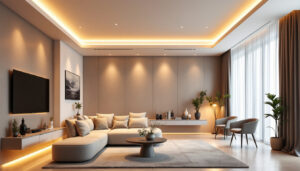
Understanding the space’s requirements is crucial. Consider factors such as ceiling height, room dimensions, surface reflectivity, and the activities taking place. Fixtures with adjustable beam angles or dimming capabilities often provide more flexibility, allowing contractors to fine-tune lighting after installation. Additionally, the color temperature of the light can significantly influence the ambiance of a space; warmer tones may create a cozy atmosphere in residential areas, while cooler tones are often preferred in work environments for enhanced focus and productivity.
Fixture Material and Finish Matter
Indoor environments, especially those with controlled climates, allow for a wider range of fixture materials. Choosing materials that complement the interior design while also standing up to environmental factors like humidity or dust is important. For example, aluminum fixtures with powder-coated finishes are durable and resist corrosion, making them ideal for kitchens or bathrooms.
Ignoring fixture finish can lead to premature wear or a mismatch with the interior aesthetic, which can frustrate clients and lead to costly replacements or modifications. Furthermore, the choice of finish can impact light reflection and distribution; matte finishes may help diffuse light more evenly, reducing hotspots, while glossy finishes can enhance brightness but may also contribute to glare. It’s essential to strike a balance between functionality and style, ensuring that the chosen fixtures not only serve their purpose effectively but also enhance the overall design narrative of the space.
Overlooking Proper Beam Angle and Light Distribution
Flood lights are designed to cast wide beams of light, but the exact beam angle can vary significantly. Selecting a fixture with an inappropriate beam angle is a frequent pitfall. Too narrow a beam can cause hotspots and uneven illumination, while too wide a beam may lead to wasted light and insufficient intensity where it’s needed most.
Lighting contractors should evaluate the beam angle in relation to the mounting height and the area that needs illumination. For example, a 60-degree beam angle might be perfect for accentuating a feature wall, but a 120-degree beam is better suited for general ambient lighting in a large room. Additionally, the distance between the light source and the surface being illuminated plays a crucial role in determining the effectiveness of the beam angle. A closer fixture may require a narrower beam to avoid overwhelming brightness, while fixtures positioned further away can benefit from a wider spread to ensure adequate coverage without excessive intensity.
Consider Uniformity and Glare Control
Uniform light distribution is essential for both comfort and functionality. Uneven lighting can cause eye strain and reduce the effectiveness of the space. Using fixtures with diffusers or lenses designed to soften and evenly spread light can improve the overall experience. Furthermore, the color temperature of the light can also influence the perception of uniformity. Warmer light tends to create a more inviting atmosphere, while cooler light can enhance focus and alertness, making it important to consider the intended use of the space when selecting fixtures.
Glare is another critical consideration. Flood lights without proper shielding or glare control can create discomfort, especially in work environments. Fixtures with adjustable louvers or baffles help direct light precisely and minimize unwanted reflections. In addition to these design features, the strategic placement of lights can mitigate glare. For instance, positioning lights at angles that reduce direct line-of-sight can significantly enhance visual comfort. Moreover, incorporating dimming capabilities allows users to adjust light levels according to their specific needs, further improving both the functionality and aesthetic appeal of the space.
Ignoring Energy Efficiency and Regulatory Compliance
Energy consumption is a significant concern for both contractors and clients. Selecting flood light fixtures that are not energy-efficient can lead to higher operating costs and dissatisfaction down the line. The impact of energy inefficiency extends beyond just the immediate financial implications; it can also contribute to a larger environmental footprint. As businesses and homeowners become more environmentally conscious, the demand for sustainable lighting solutions is on the rise. This shift in consumer behavior means that contractors who prioritize energy efficiency are likely to attract more clients and enhance their reputation in the market.
LED technology has become the standard for indoor flood lighting due to its longevity and energy savings. However, not all LED fixtures are created equal. Contractors should look for fixtures with high lumens-per-watt ratings to ensure maximum efficiency. Furthermore, the color temperature of LED lights can significantly affect the ambiance of a space. Warmer light temperatures can create a cozy atmosphere, while cooler temperatures are more suitable for task-oriented areas. Understanding these nuances allows contractors to make informed decisions that align with the specific needs of their clients.
Check for Certification and Standards
Ensuring that fixtures comply with local electrical codes and safety standards is non-negotiable. Certifications such as UL, ETL, or DLC indicate that the product has been tested for safety and performance. Installing uncertified fixtures can lead to liability issues and void insurance coverage. Moreover, using certified products can also enhance customer trust, as clients are more likely to feel secure knowing that their lighting choices meet established safety benchmarks. This trust can translate into repeat business and referrals, which are invaluable in the competitive contracting industry.
Additionally, some regions have specific energy codes that require certain minimum efficiencies or restrict the use of particular types of lighting. Familiarity with these regulations helps contractors avoid costly rework or penalties. Staying updated on local and national energy policies is crucial, as regulations can evolve rapidly in response to technological advancements and environmental initiatives. Engaging in continuous education and training can empower contractors to not only comply with current standards but also to anticipate future changes, positioning themselves as industry leaders and trusted advisors for their clients.
Failing to Account for Heat Dissipation and Fixture Longevity
Indoor flood lights generate heat, and improper heat management can reduce fixture lifespan and cause premature failure. This is especially true for LED fixtures, where excessive heat can degrade the diodes and driver components.
Contractors often overlook the importance of proper fixture placement and ventilation. Installing fixtures too close to insulation or in enclosed spaces without adequate airflow can trap heat and accelerate wear.
Choose Fixtures with Adequate Thermal Management
Look for fixtures designed with heat sinks or materials that facilitate heat dissipation. Some high-quality flood lights incorporate aluminum housings with fins or other thermal management features to keep temperatures within safe operating limits.
Proper installation practices, such as maintaining manufacturer-recommended clearances and avoiding overcrowding fixtures, also contribute to longevity. Discussing these details with clients ensures they understand the importance of maintenance and potential environmental impacts.
Neglecting Installation Details and Maintenance Access
Even the best flood light fixture can underperform if installed incorrectly. Lighting contractors sometimes rush through installation or fail to plan for future maintenance, leading to costly issues.
Proper mounting hardware and secure electrical connections are essential. Fixtures should be accessible for bulb replacement or cleaning without requiring extensive disassembly or disruption to the space.
Plan for Maintenance and Upgrades
Clients appreciate lighting solutions that are easy to maintain. Selecting fixtures with modular components or quick-release mechanisms can save time and money over the life of the installation.
Additionally, consider how future upgrades might be handled. Installing fixtures compatible with smart lighting controls or dimming systems adds value and flexibility, allowing clients to adapt their lighting as needs evolve.
Misjudging Color Temperature and CRI
Color temperature and Color Rendering Index (CRI) significantly affect how a space feels and functions. Choosing the wrong color temperature can create an environment that feels cold, harsh, or unnatural.
For indoor flood lighting, a color temperature between 3000K and 4000K is typically preferred for general lighting, balancing warmth and clarity. Higher color temperatures (above 5000K) may be suitable for task lighting but can feel sterile in living or retail spaces.
High CRI for True Color Representation
CRI measures how accurately a light source reveals colors compared to natural light. Fixtures with a CRI of 80 or above are generally recommended for indoor applications. Retail environments, art galleries, and healthcare settings often require CRIs of 90 or higher to ensure color fidelity.
Ignoring these factors can lead to dissatisfaction, especially in spaces where color accuracy is critical. Lighting contractors should discuss these considerations with clients and specify fixtures accordingly.
Conclusion: Prioritize Thoughtful Selection and Installation
Indoor flood light fixtures are powerful tools for shaping the ambiance and functionality of a space. Avoiding common mistakes-from improper fixture selection to overlooking energy efficiency and maintenance-ensures successful projects and satisfied clients.
Lighting contractors who invest time in understanding the unique needs of each space, stay current with technology and regulations, and emphasize quality installation practices will stand out in a competitive market. The right flood lighting solution not only illuminates but enhances every environment it touches.
Illuminate Your Projects with LumenWholesale
Ready to elevate your lighting projects with fixtures that combine quality, efficiency, and affordability? Look no further than LumenWholesale, where we offer an extensive selection of top-quality, spec-grade lighting products at unbeatable wholesale prices. Say goodbye to inflated markups and hello to superior lighting solutions that meet the highest industry standards. With free shipping on bulk orders, you can trust that you’re getting premium lighting at the best value — without hidden fees or compromises. Enhance every environment with the right lighting by choosing LumenWholesale for your next project.