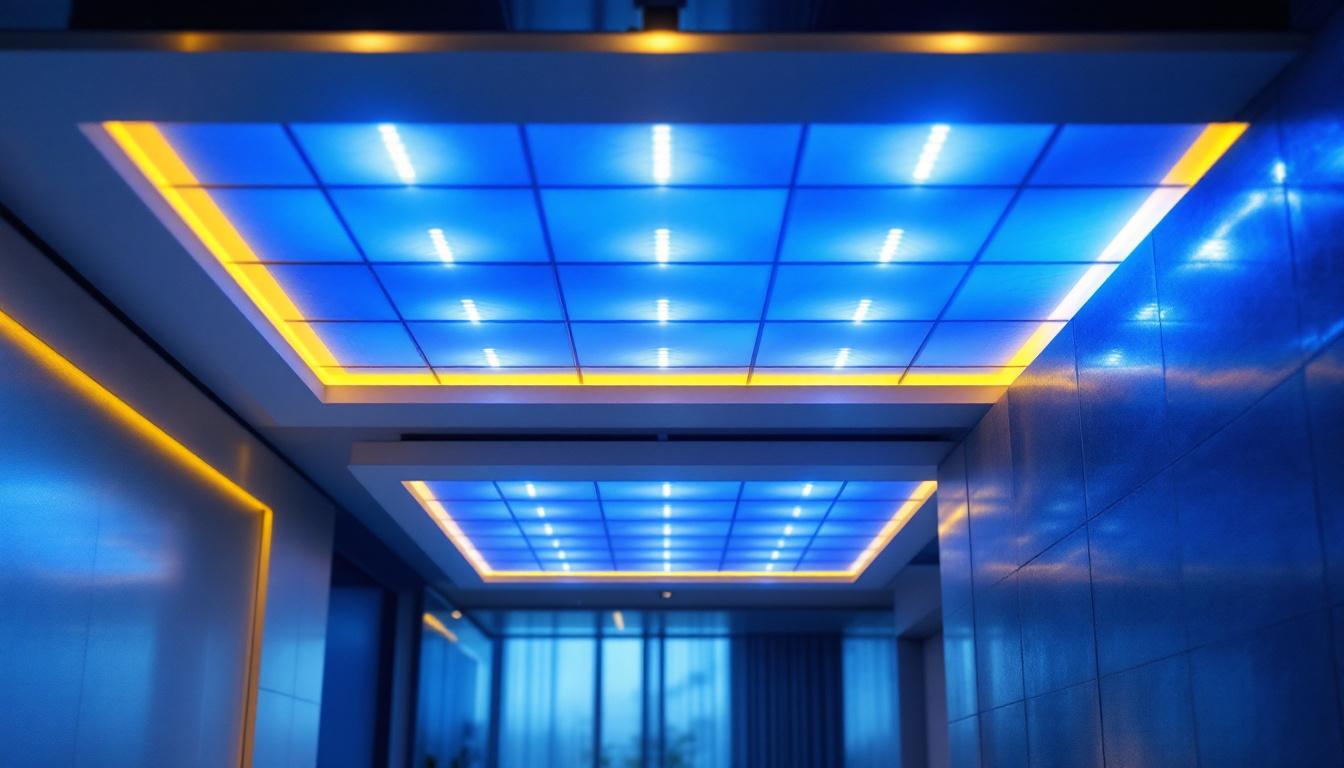
In the ever-evolving landscape of lighting solutions, LED tile lights have emerged as a popular choice among both contractors and clients. Their versatility, energy efficiency, and aesthetic appeal make them an essential component in modern lighting design. This article delves into the essential facts that lighting contractors should know about LED tile lights, covering their benefits, installation tips, and the latest trends in the market.
Understanding LED Tile Lights
LED tile lights are flat, thin panels that emit light uniformly across their surface. They are often used in commercial and residential applications, providing a sleek and modern lighting solution. Unlike traditional lighting fixtures, LED tiles can be integrated into ceilings, walls, and even floors, creating a seamless and elegant appearance. Their minimalist design not only enhances the aesthetic appeal of a space but also allows for greater flexibility in lighting design, making them an increasingly popular choice among architects and interior designers.
What Makes LED Tile Lights Unique?
The uniqueness of LED tile lights lies in their design and functionality. These lights are typically made from lightweight materials, allowing for easy installation. They also come in various shapes, sizes, and color temperatures, enabling contractors to customize lighting solutions based on client preferences and project requirements. For instance, some LED tile lights offer tunable white technology, allowing users to adjust the color temperature from warm to cool, depending on the time of day or desired mood.
Another distinctive feature is their energy efficiency. LED technology consumes significantly less power than incandescent or fluorescent lighting, translating to lower energy bills for clients. Additionally, LED tile lights have a longer lifespan, reducing the frequency and cost of replacements. This longevity is particularly beneficial in commercial settings where maintenance can be disruptive and costly. Furthermore, many LED tile lights are designed with advanced thermal management systems, which help to dissipate heat and maintain optimal performance over time, ensuring that they remain a reliable lighting solution for years to come.
Applications of LED Tile Lights
LED tile lights can be utilized in a variety of settings. In commercial spaces, they are often found in offices, retail stores, and hospitality environments, providing bright, even illumination that enhances the overall ambiance. In residential applications, they can be used in kitchens, living rooms, and bathrooms, offering a modern touch while ensuring adequate lighting. Their sleek profile allows them to blend seamlessly into any design scheme, making them ideal for open-concept spaces where traditional fixtures might feel bulky or out of place.
Moreover, their versatility allows for creative installations. Contractors can use LED tile lights to create unique lighting designs, such as backlit features or accent lighting, adding value to their projects and enhancing client satisfaction. For example, in a restaurant setting, LED tile lights can be strategically placed to highlight artwork or architectural details, creating a warm and inviting atmosphere. Additionally, their ability to be dimmed or controlled via smart home systems opens up a world of possibilities for personalized lighting experiences, allowing users to set the perfect scene for any occasion. This adaptability not only elevates the functionality of a space but also contributes to a more sustainable approach to design, as users can optimize their lighting according to their needs.
Benefits of LED Tile Lights
Lighting contractors should be well-versed in the numerous benefits that LED tile lights offer. Understanding these advantages can help in making informed recommendations to clients and ensuring successful project outcomes.
Energy Efficiency and Cost Savings
One of the most significant benefits of LED tile lights is their energy efficiency. These lights consume up to 80% less energy than traditional incandescent bulbs, which not only reduces energy costs but also contributes to a smaller carbon footprint. For clients looking to minimize their environmental impact, LED tile lights present an attractive option.
In addition to energy savings, the longevity of LED tile lights further enhances their cost-effectiveness. With lifespans often exceeding 25,000 hours, clients can enjoy reduced maintenance costs and fewer replacements over time. This aspect is particularly appealing for commercial clients, where downtime and disruption can lead to lost revenue. Moreover, the reduced frequency of bulb changes means that maintenance staff can focus on more critical tasks, ultimately improving overall operational efficiency.
Improved Aesthetics
LED tile lights offer a sleek and modern appearance that can elevate the design of any space. Their minimalist design allows for seamless integration into various architectural styles, making them suitable for both contemporary and traditional environments. The uniform light distribution helps eliminate harsh shadows and creates a welcoming atmosphere.
Furthermore, the availability of different color temperatures allows contractors to tailor the lighting to suit specific moods or tasks. For instance, cooler temperatures can enhance productivity in office settings, while warmer tones can create a cozy ambiance in residential spaces. Additionally, many LED tile lights come with dimming capabilities, allowing users to adjust brightness levels according to the time of day or activity, thus providing even greater flexibility in lighting design. This adaptability not only enhances the functionality of a space but also allows for a more personalized experience, catering to the unique preferences of each client.
Installation Tips for Lighting Contractors
Proper installation is crucial for maximizing the performance and aesthetic appeal of LED tile lights. Here are some essential tips for lighting contractors to consider during the installation process.
Planning and Preparation
Before installation, thorough planning is essential. Contractors should assess the layout of the space and determine the optimal placement for the LED tile lights. Consider factors such as ceiling height, room dimensions, and the intended use of the space. This planning phase can significantly impact the overall effectiveness of the lighting solution.
Additionally, ensure that all necessary tools and materials are on hand before starting the installation. This includes the LED tile lights, mounting hardware, wiring, and any required safety equipment. A well-prepared workspace can streamline the installation process and minimize potential delays. Furthermore, it can be beneficial to create a detailed installation plan or checklist, which can help ensure that no steps are overlooked and that the project stays on schedule. Engaging with clients during this phase can also provide valuable insights into their preferences and expectations, leading to a more satisfactory final result.
Electrical Considerations
When installing LED tile lights, it is crucial to adhere to local electrical codes and regulations. Proper wiring and connections are essential for ensuring safety and optimal performance. Contractors should also consider the use of dimmers or smart controls, which can enhance the functionality of the lighting system and provide clients with greater control over their environment.
Moreover, it is advisable to conduct a thorough inspection of the electrical system before installation. This includes checking for any existing issues that could affect the performance of the LED tile lights, such as outdated wiring or inadequate circuit capacity. Additionally, understanding the energy efficiency of the chosen LED products can help contractors provide clients with information on potential energy savings and environmental benefits. Educating clients about the longevity and low maintenance of LED lights can also reinforce their value, making the installation not just a technical task but a step towards a more sustainable and cost-effective lighting solution.
Trends in LED Tile Lighting
The lighting industry is constantly evolving, and staying updated on the latest trends can help contractors provide cutting-edge solutions to their clients. Here are some notable trends in LED tile lighting that are shaping the market.
Smart Lighting Technology
Smart lighting technology is gaining traction in both residential and commercial applications. LED tile lights can now be integrated with smart home systems, allowing users to control their lighting remotely via smartphones or voice-activated devices. This trend not only enhances convenience but also promotes energy efficiency by enabling users to adjust their lighting based on occupancy or time of day.
As clients increasingly seek smart solutions, contractors should familiarize themselves with the various smart lighting products available in the market. This knowledge can help in providing tailored recommendations that align with client needs and preferences.
Color Tunable Lighting
Color tunable LED tile lights are another emerging trend that offers versatility in lighting design. These lights allow users to adjust the color temperature and intensity of the light, enabling them to create different atmospheres for various activities. For instance, a cooler light may be preferred for workspaces, while warmer tones may be more suitable for relaxation areas.
This flexibility can be particularly appealing to commercial clients, as it allows them to adapt their lighting to suit different events or functions. Contractors should consider incorporating color tunable options into their lighting designs to meet the evolving demands of their clients.
Conclusion
LED tile lights represent a significant advancement in lighting technology, offering numerous benefits that make them an essential choice for lighting contractors. Their energy efficiency, aesthetic appeal, and versatility make them suitable for a wide range of applications, from commercial to residential settings.
By understanding the unique features of LED tile lights, the advantages they offer, and the latest trends in the market, lighting contractors can better serve their clients and enhance their project outcomes. As the demand for innovative lighting solutions continues to grow, staying informed and adapting to these changes will be key to success in the industry.
Incorporating LED tile lights into projects not only meets the expectations of modern clients but also positions contractors as forward-thinking professionals in the competitive lighting market. Embracing this technology and its potential will undoubtedly lead to more successful and satisfying projects.
Illuminate Your Projects with LumenWholesale
Ready to elevate your lighting projects with the advanced benefits of LED tile lights? Look no further than LumenWholesale for all your lighting needs. We provide contractors with high-quality, specification-grade lighting products at unbeatable wholesale prices. Our extensive selection not only meets but exceeds industry standards, ensuring you deliver reliable, high-performance lighting for every project. With LumenWholesale, bulk buying is made simple and cost-effective, thanks to our hassle-free process and free shipping. Don’t let inflated markups dim your project’s potential. Choose the perfect blend of quality, affordability, and convenience. Discover Wholesale Lighting at the Best Value today and light up your work with confidence.