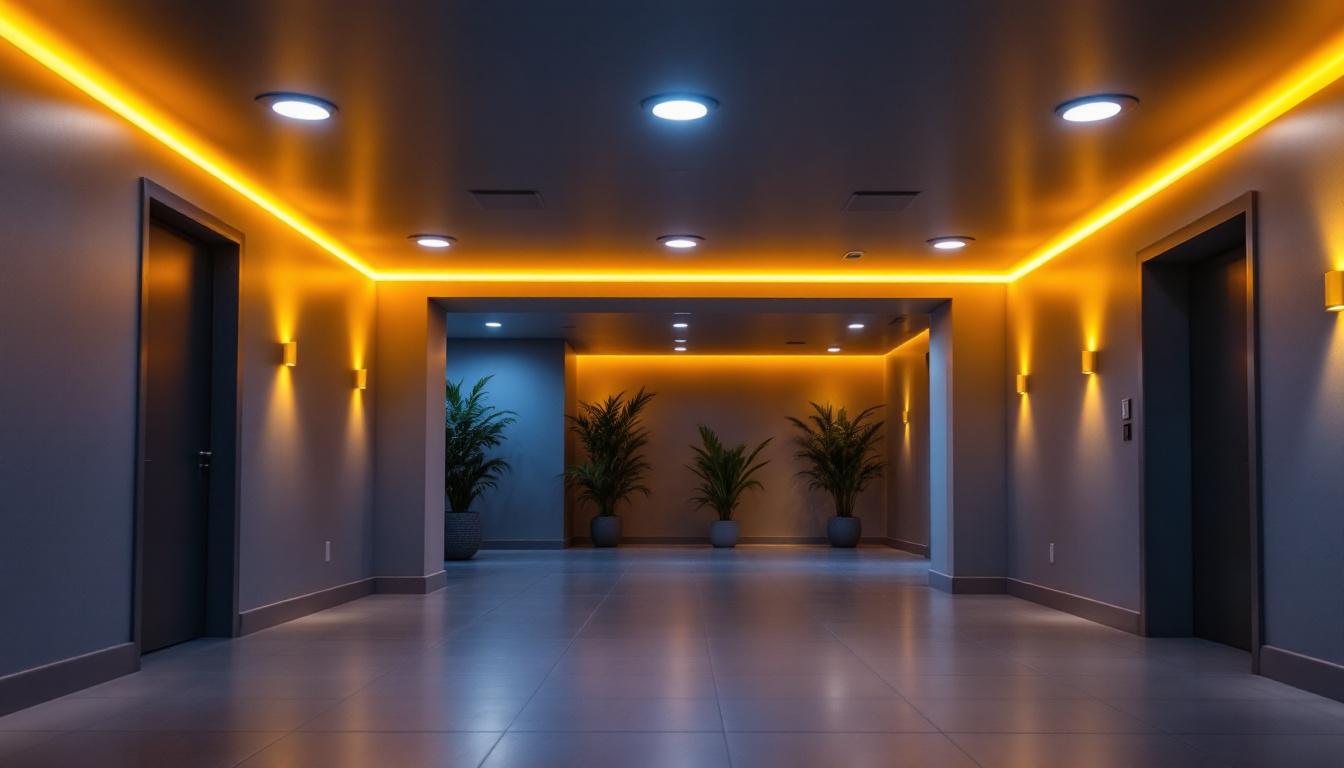
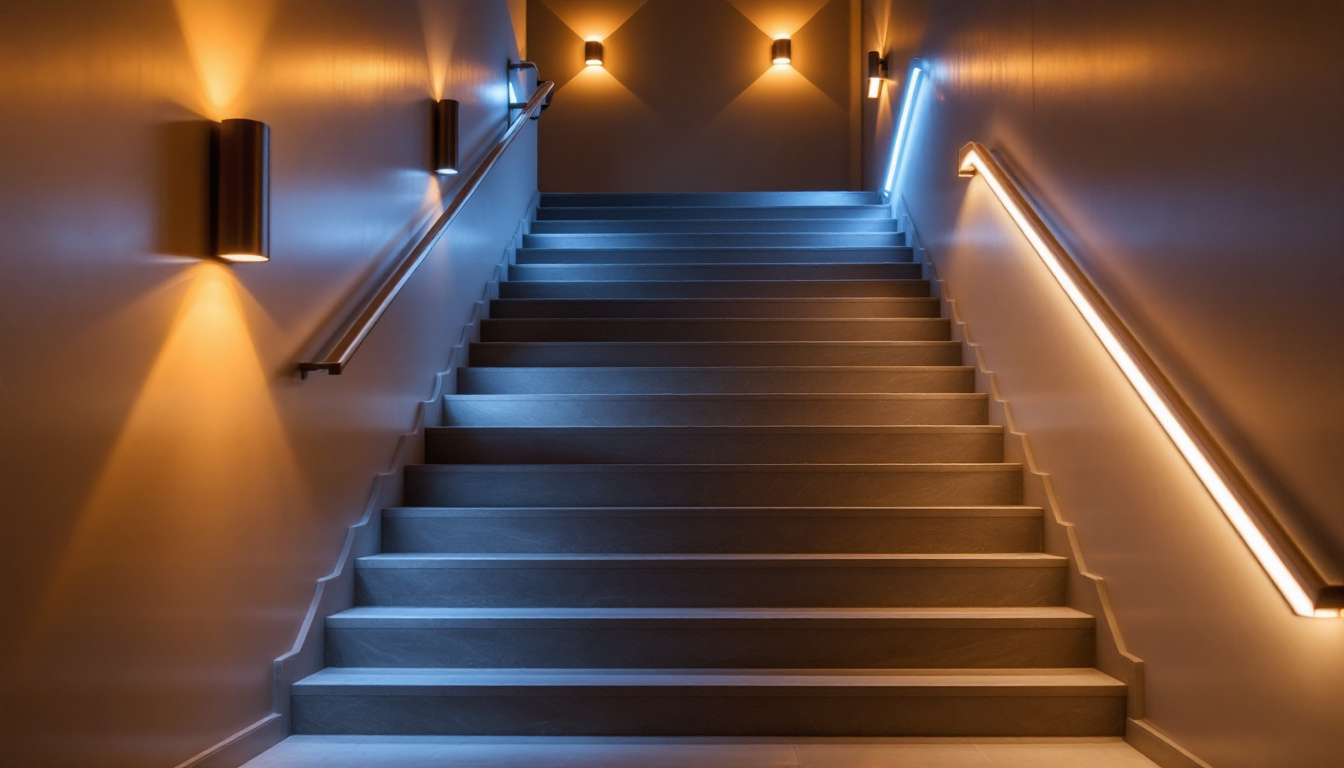
Basements often serve as versatile spaces in a home, accommodating everything from storage to entertainment areas. However, their lack of natural light can make them feel dark and uninviting. This is where recessed lighting comes into play. For lighting contractors, understanding how to effectively implement recessed lights in basements can enhance both the functionality and aesthetic appeal of these spaces. This guide will explore the essential aspects of recessed lighting installation, including design considerations, installation techniques, and energy efficiency.
Understanding Recessed Lighting
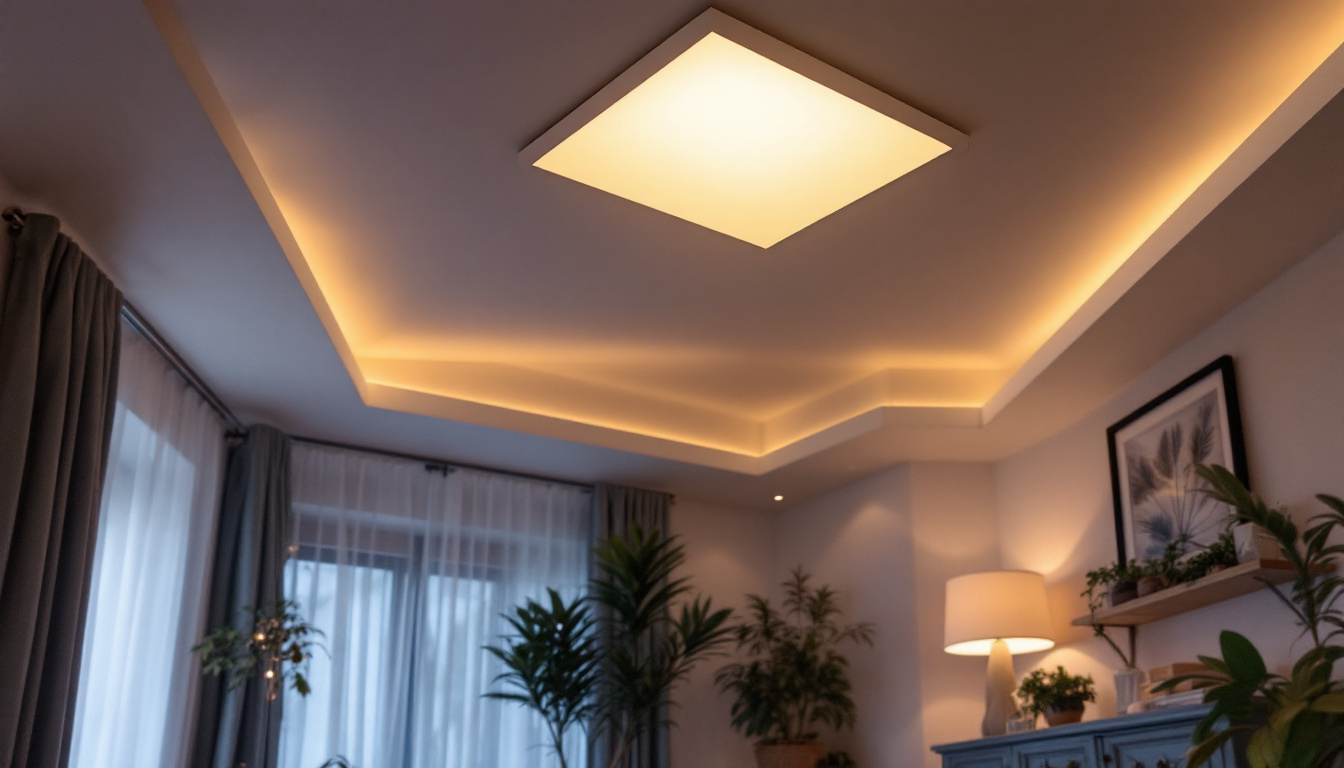
Recessed lighting, often referred to as can lights or pot lights, involves fixtures that are installed into the ceiling, creating a seamless look. This type of lighting is particularly beneficial in basements, where low ceilings can make traditional fixtures cumbersome and visually unappealing. By embedding the lights within the ceiling, homeowners can achieve a sleek and modern appearance while ensuring that the space feels open and airy.
Benefits of Recessed Lighting in Basements
One of the primary advantages of recessed lighting is its ability to provide ample illumination without taking up physical space. This is especially crucial in basements, where maximizing headroom is often a concern. Additionally, recessed lights can be strategically placed to highlight specific areas, such as a home theater setup or a wet bar, enhancing the overall functionality of the space. The versatility of recessed lighting allows for creative layouts, enabling homeowners to design their basements in a way that suits their lifestyle and needs.
Moreover, recessed lighting can contribute to a modern aesthetic, offering a clean and unobtrusive look. When combined with dimmer switches, these lights can create various moods, making the basement a more inviting area for relaxation or entertainment. The ability to adjust the brightness means that the space can transition from a vibrant gathering spot to a cozy retreat with just a flick of a switch, catering to different activities and times of day.
Types of Recessed Lights
There are several types of recessed lights available, each suited for different applications. For basements, adjustable or gimbal recessed lights are ideal as they can be directed to highlight specific features or areas. On the other hand, fixed recessed lights provide a more uniform light distribution, which can be beneficial for general illumination. Homeowners might also consider using a combination of both types to achieve a balanced lighting scheme that meets various functional and aesthetic needs.
Additionally, contractors should consider the trim styles available, such as baffle, reflector, and eyeball trims. Each trim style offers a different aesthetic and lighting effect, allowing for customization based on the homeowner’s preferences. Baffle trims, for instance, are designed to minimize glare and provide a softer light, making them perfect for areas where comfort is key. Reflector trims, on the other hand, can enhance brightness and are often used in spaces requiring more intense illumination. Eyeball trims allow for flexibility in directing light, making them ideal for accentuating artwork or architectural features, ensuring that every corner of the basement can shine in its best light.
Planning the Lighting Layout
Before diving into installation, a well-thought-out lighting layout is essential. This involves determining the number of fixtures needed, their placement, and the overall lighting effect desired. A carefully planned layout not only enhances the functionality of the space but also contributes to the aesthetic appeal, creating an inviting atmosphere that complements the basement’s design.
Calculating Fixture Requirements
The first step in planning is to calculate the number of recessed lights required. A general rule of thumb is to use one recessed light for every 100 square feet of space. However, this can vary based on the height of the ceiling and the overall brightness desired. For basements with lower ceilings, fewer fixtures may be necessary, while higher ceilings may require additional lights to achieve adequate illumination. It’s also wise to consider the room’s primary purpose; for instance, a home theater may benefit from dimmable fixtures to create a more cinematic experience, while a gym area may need brighter, more consistent lighting for safety and visibility.
It is also important to consider the wattage of the bulbs being used. LED bulbs are a popular choice for recessed lighting due to their energy efficiency and long lifespan. A 6-inch recessed light typically accommodates a 12 to 15-watt LED bulb, providing ample light while consuming less energy. Furthermore, the color temperature of the bulbs can significantly impact the mood of the space. Warmer tones (around 2700K to 3000K) create a cozy and welcoming environment, while cooler tones (4000K and above) can promote alertness and focus, making them ideal for workspaces.
Strategic Placement of Fixtures
Once the number of fixtures is determined, the next step is to plan their placement. Ideally, recessed lights should be spaced evenly across the ceiling to avoid dark spots. A common recommendation is to place lights about 4 to 6 feet apart, depending on the beam spread of the chosen bulb. Additionally, it’s crucial to consider the layout of the room and the activities that will take place there. For example, in a recreational area, you might want to create a more dynamic lighting scheme that includes accent lighting to highlight artwork or architectural features, which can add depth and interest to the space.
In areas where specific tasks will be performed, such as a workbench or reading nook, placing lights closer together can enhance visibility. Additionally, consider the layout of furniture and other features in the basement, ensuring that the lights do not create glare or shadows. Utilizing dimmers can also provide flexibility, allowing you to adjust the brightness based on the time of day or the activity, enhancing the overall functionality of the lighting design. Incorporating smart lighting technology can further elevate your setup, enabling you to control the ambiance with ease through mobile apps or voice commands, thus seamlessly integrating modern convenience into your living space.
Installation Techniques
Installing recessed lights in a basement requires careful attention to detail and adherence to safety standards. Proper installation not only ensures functionality but also minimizes the risk of electrical hazards.
Tools and Materials Needed
Before beginning the installation process, contractors should gather all necessary tools and materials. Essential tools include a stud finder, drywall saw, wire stripper, and a drill. Additionally, having a voltage tester on hand is crucial for ensuring that the electrical supply is safely disconnected before starting work.
Materials will typically include the recessed light fixtures, electrical wiring, junction boxes, and trim kits. It is advisable to choose fixtures that are rated for use in insulated ceilings, especially in basements where moisture can be a concern.
Step-by-Step Installation Process
The installation process begins with turning off the power to the circuit that will supply the recessed lights. After ensuring the area is safe, use a stud finder to locate any joists and mark the desired locations for the fixtures. Once the locations are marked, a drywall saw can be used to cut holes for the fixtures.
Next, run electrical wiring from the power source to each fixture location, ensuring that all connections are secure and meet local electrical codes. After the wiring is complete, the fixtures can be inserted into the ceiling and secured according to the manufacturer’s instructions. Finally, install the trim and restore power to test the lights.
Energy Efficiency Considerations
In today’s environmentally conscious world, energy efficiency is a significant consideration for homeowners and contractors alike. Recessed lighting can be an energy-efficient choice, particularly when LED bulbs are used.
Choosing Energy-Efficient Bulbs
LED bulbs are known for their low energy consumption and long lifespan compared to traditional incandescent bulbs. They can last up to 25,000 hours, significantly reducing replacement costs and waste. When selecting LED bulbs for recessed lighting, look for options that provide a warm color temperature to create a cozy atmosphere in the basement.
Additionally, consider using dimmer switches with LED recessed lights. Dimming not only allows for customized lighting levels but also reduces energy consumption, further enhancing the efficiency of the lighting system.
Insulation and Air Leakage
In basements, insulation plays a crucial role in energy efficiency. Properly insulating the ceiling can prevent heat loss and reduce energy bills. When installing recessed lights, it is important to use IC-rated fixtures, which are designed to be in contact with insulation without posing a fire hazard.
Moreover, sealing any gaps or leaks around the fixtures can prevent drafts and improve overall energy efficiency. This attention to detail can make a significant difference in the comfort of the basement and the efficiency of the home as a whole.
Common Challenges and Solutions
While installing recessed lights in basements can enhance the space, several challenges may arise during the process. Understanding these potential issues and their solutions can help contractors navigate the installation smoothly.
Dealing with Low Ceilings
Low ceilings are a common concern in basements, and they can limit the effectiveness of recessed lighting. To address this, consider using shallow fixtures designed specifically for low ceilings. These fixtures can provide adequate lighting without protruding too far into the space.
Additionally, using adjustable or gimbal recessed lights can help direct light where it is needed most, creating the illusion of a higher ceiling. This technique not only enhances visibility but also contributes to a more open and airy feel in the basement.
Moisture and Humidity Issues
Basements are often prone to moisture and humidity, which can pose challenges for lighting installations. It is crucial to choose fixtures that are rated for damp or wet locations, ensuring they can withstand the environmental conditions of the basement.
Furthermore, installing a dehumidifier can help manage humidity levels, protecting both the lighting fixtures and the overall integrity of the basement. Regular maintenance and monitoring of moisture levels can prevent long-term issues and ensure the lighting system remains effective.
Conclusion
Recessed lighting is an excellent solution for illuminating basements, providing both functionality and aesthetic appeal. For lighting contractors, understanding the nuances of planning, installation, and energy efficiency is essential for delivering high-quality results to clients.
By carefully considering the layout, selecting the right fixtures, and addressing potential challenges, contractors can transform dark and uninviting basements into bright, welcoming spaces. With the right approach, recessed lights can significantly enhance the usability and enjoyment of these versatile areas in a home.
Illuminate Your Projects with LumenWholesale
Ready to brighten up those basements with the best in recessed lighting? Look no further than LumenWholesale for all your lighting needs. Our extensive selection of spec-grade lighting products is designed to meet the highest industry standards, ensuring that your projects shine with reliability and high performance. With unbeatable wholesale prices and the convenience of free shipping on bulk orders, you can trust LumenWholesale to provide premium lighting solutions at the best value. Don’t let middleman markups dim your project’s potential. Wholesale Lighting at the Best Value is just a click away. Experience the difference with LumenWholesale today.