Understanding LED Bulbs and Their Compatibility with Light Fixtures
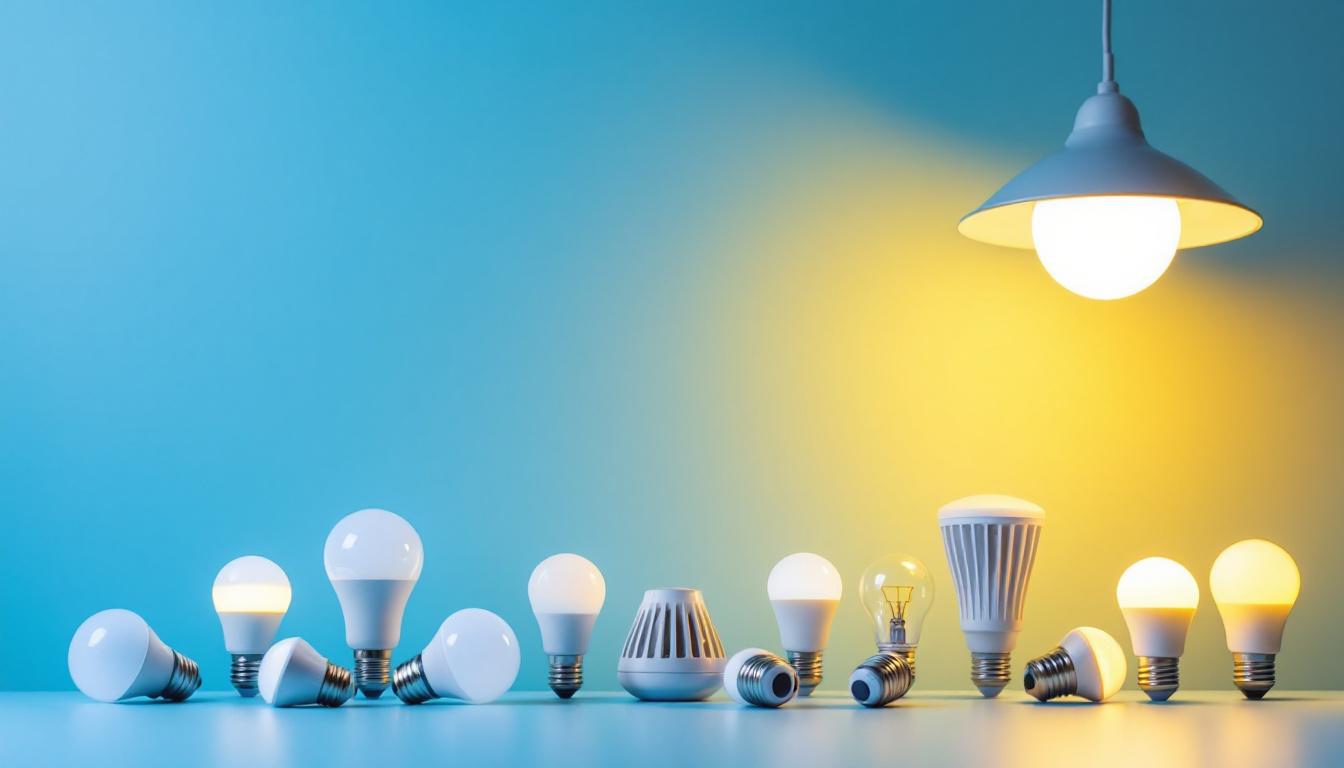
LED (Light Emitting Diode) technology has revolutionized the lighting industry, offering energy efficiency, longevity, and versatility that traditional incandescent and fluorescent bulbs cannot match. However, for lighting contractors, one of the most frequent questions is whether LED bulbs can be used in any light fixture without issues.
Before diving into compatibility, it’s crucial to understand what makes LED bulbs distinct. Unlike incandescent bulbs that generate light through a heated filament, LEDs produce light through semiconductor diodes. This fundamental difference affects not only energy consumption and heat output but also how LEDs interact with fixtures and electrical components.
While LEDs are designed to fit many traditional sockets, their electrical and thermal characteristics require careful consideration to ensure optimal performance and safety.
Key Differences Between LED Bulbs and Traditional Bulbs
LED bulbs operate at lower wattages but can produce the same or higher lumens compared to incandescent or halogen bulbs. This means a 10-watt LED can replace a 60-watt incandescent bulb, significantly reducing energy consumption. Additionally, LEDs emit less heat, which affects fixture temperature ratings and material compatibility.
Another important distinction is the presence of electronic drivers inside LED bulbs. These drivers convert AC power to the DC power LEDs require, and their design can influence compatibility with dimmers, sensors, and other control systems.
Moreover, the lifespan of LED bulbs is significantly longer than that of traditional bulbs, often lasting up to 25,000 hours or more. This longevity not only reduces the frequency of replacements but also contributes to lower maintenance costs over time. However, this durability can be compromised if the LED is used in a fixture that does not provide adequate ventilation or if it is exposed to extreme temperatures. Therefore, it is essential to check the specifications of both the bulb and the fixture to ensure they are a good match.
Another factor to consider is the color temperature of LED bulbs, which can vary widely. Ranging from warm white to cool daylight, the color temperature can dramatically affect the ambiance of a space. Understanding the intended use of the light—whether for task lighting, accent lighting, or general illumination—can help in selecting the right LED bulb for a specific fixture. Additionally, some fixtures may not be designed to accommodate the varying color temperatures of LED bulbs, which can lead to unexpected results in lighting quality and aesthetic appeal.
Common Compatibility Concerns for Lighting Contractors
When selecting LED bulbs for various fixtures, contractors must address several compatibility factors to avoid performance issues or damage. These concerns include socket type, fixture design, electrical load, heat dissipation, and dimmer compatibility.
Socket and Base Types
LED bulbs are manufactured to fit standard socket types such as E26, E12, GU10, and others. However, not all LED bulbs are interchangeable with all fixtures due to size and shape constraints. For example, an LED bulb designed for a recessed can light might not fit in a decorative chandelier with small sockets or limited clearance.
Lighting contractors should verify the bulb’s physical dimensions and base type against the fixture specifications. Using an incompatible bulb can lead to poor fit, reduced light output, or even electrical hazards.
Fixture Design and Heat Management
Although LEDs generate less heat than incandescent bulbs, they are more sensitive to heat buildup. Many LED bulbs have heat sinks to dissipate heat away from the diodes, but if the fixture is enclosed or poorly ventilated, excessive heat can accumulate, shortening the bulb’s lifespan.
Fixtures designed for traditional bulbs may not provide adequate airflow for LEDs. Contractors should assess whether the fixture is rated for LED use or if it requires modifications such as adding ventilation or switching to LED-specific fixtures.
Electrical Load and Circuit Considerations
LED bulbs draw significantly less current than incandescent bulbs, which can affect circuit performance, especially in low-voltage or specialized lighting systems. For example, in multi-bulb circuits or those with transformers, the reduced load may cause flickering or failure to turn on.
Contractors need to evaluate the entire lighting system’s electrical characteristics, including transformers, dimmers, and sensors, to ensure they are compatible with LED technology.
Dimmer and Control System Compatibility
One of the most common issues contractors face is LED bulbs that flicker, buzz, or don’t dim properly when used with existing dimmer switches. Traditional dimmers are designed for resistive loads like incandescent bulbs and may not function correctly with the electronic drivers in LEDs.
To avoid these problems, it’s essential to select dimmers specifically rated for LED bulbs and verify compatibility with the bulb manufacturer’s recommendations. In some cases, upgrading to smart lighting controls or LED-compatible dimmers can provide smoother dimming performance and additional features.
Specific Fixture Types and LED Bulb Usage
Not all fixtures are created equal, and some present unique challenges or opportunities when using LED bulbs. Understanding these nuances helps contractors make informed decisions and provide clients with reliable lighting solutions.
Recessed and Can Lights
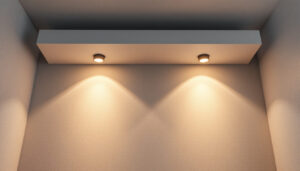
Recessed fixtures often have tight spaces and enclosed housings, which can trap heat. Using LED retrofit bulbs designed for recessed cans can reduce heat concerns and improve energy efficiency. However, contractors should confirm that the LED bulb is rated for use in enclosed fixtures to prevent overheating.
Additionally, many recessed fixtures are compatible with GU10 or MR16 LED bulbs, which are specifically designed for directional lighting and can offer excellent beam control.
Ceiling Fans and Damp Locations
Ceiling fans present a challenge because the bulbs are exposed to airflow and vibration. LED bulbs used in ceiling fans should be rated for such conditions to avoid premature failure. Moreover, fixtures in damp or outdoor locations require LED bulbs with appropriate moisture and temperature ratings.
Contractors should always check the bulb’s IP (Ingress Protection) rating and manufacturer specifications to ensure safe and durable installations.
Decorative and Specialty Fixtures
Chandeliers, sconces, and other decorative fixtures often have unique bulb requirements, including candelabra bases and specific shapes. LED bulbs are available in a wide range of styles to mimic traditional bulbs’ appearance, but contractors must verify size and light color to maintain aesthetic integrity.
Specialty fixtures such as vintage filament-style bulbs or colored LEDs can enhance design while offering energy savings, but compatibility with dimmers and control systems remains a consideration.
Addressing Common Misconceptions About LED Bulbs in Fixtures
Despite the growing popularity of LED technology, several misconceptions persist among contractors and clients alike. Addressing these can improve decision-making and installation outcomes.
“LED Bulbs Work in Any Fixture Without Modification”
While LEDs are versatile, they are not universally compatible with all fixtures. Factors such as heat management, socket type, and electrical load must be considered. Assuming universal compatibility can lead to reduced bulb life, poor lighting quality, or safety hazards.
“LED Bulbs Don’t Need Dimmers”
Many clients prefer dimmable lighting for ambiance and energy savings. However, not all LED bulbs are dimmable, and using non-dimmable LEDs with dimmer switches can cause flickering or damage. Selecting the right dimmable LED bulbs and compatible dimmers is essential for proper functionality.
“LEDs Are Always More Expensive”
While the upfront cost of LED bulbs can be higher than traditional bulbs, their longer lifespan and lower energy consumption result in significant cost savings over time. Lighting contractors can use this information to educate clients on the total cost of ownership and environmental benefits.
Best Practices for Lighting Contractors When Installing LED Bulbs
To ensure successful LED installations, lighting contractors should adhere to several best practices that address compatibility, safety, and client satisfaction.
Conduct Thorough Fixture Assessments
Before recommending or installing LED bulbs, evaluate the fixture’s specifications, including socket type, enclosure rating, ventilation, and electrical characteristics. This assessment helps identify any potential issues and informs the selection of appropriate LED products.
Use Manufacturer Guidelines and Compatibility Charts
Most LED bulb manufacturers provide detailed compatibility charts and installation guidelines. Consulting these resources can prevent common pitfalls related to dimmers, transformers, and fixture types.
Test LED Bulbs in the Actual Fixture
Whenever possible, test the selected LED bulbs in the client’s fixtures before full installation. This step helps verify fit, light quality, dimming performance, and absence of flicker or buzzing.
Educate Clients About LED Benefits and Limitations
Clients may have misconceptions or unrealistic expectations about LED lighting. Providing clear information about energy savings, color temperature options, dimming capabilities, and maintenance requirements fosters trust and satisfaction.
Stay Updated on Industry Standards and Innovations
The LED lighting industry evolves rapidly, with new products, standards, and technologies emerging regularly. Lighting contractors should stay informed through continuing education, manufacturer updates, and industry publications to offer the best solutions.
Conclusion: Can You Use LED Bulbs in Any Light Fixture?
The short answer is that while LED bulbs are highly adaptable and can fit many traditional fixtures, they are not universally compatible without consideration of several critical factors. Socket type, fixture design, heat management, electrical load, and dimmer compatibility all influence whether an LED bulb will perform optimally in a given fixture.
For lighting contractors, understanding these nuances is essential to delivering safe, efficient, and aesthetically pleasing lighting solutions. By conducting thorough assessments, consulting manufacturer guidelines, and educating clients, contractors can leverage the advantages of LED technology while avoiding common pitfalls.
Ultimately, the successful integration of LED bulbs into various fixtures depends on informed product selection and installation practices tailored to the specific lighting environment and client needs.
Discover Unmatched Value with LumenWholesale
Ready to enhance your lighting installations with the best LED solutions on the market? Look no further than LumenWholesale. We provide lighting contractors with superior, spec-grade lighting products at prices that can’t be beaten. Our commitment to quality and affordability means you can confidently meet the specific needs of any project, ensuring compatibility, efficiency, and client satisfaction. Take advantage of our hassle-free bulk buying and free shipping to get your premium lighting without any hidden fees. Elevate your lighting game and experience wholesale lighting at the best value today.