Understanding Shop Track Lighting: A Contractor’s Perspective
Shop track lighting has become a cornerstone in commercial and retail lighting design, offering versatility, efficiency, and aesthetic appeal. For lighting contractors, mastering the nuances of shop track lighting is essential to delivering solutions that meet client expectations while optimizing installation and maintenance processes.
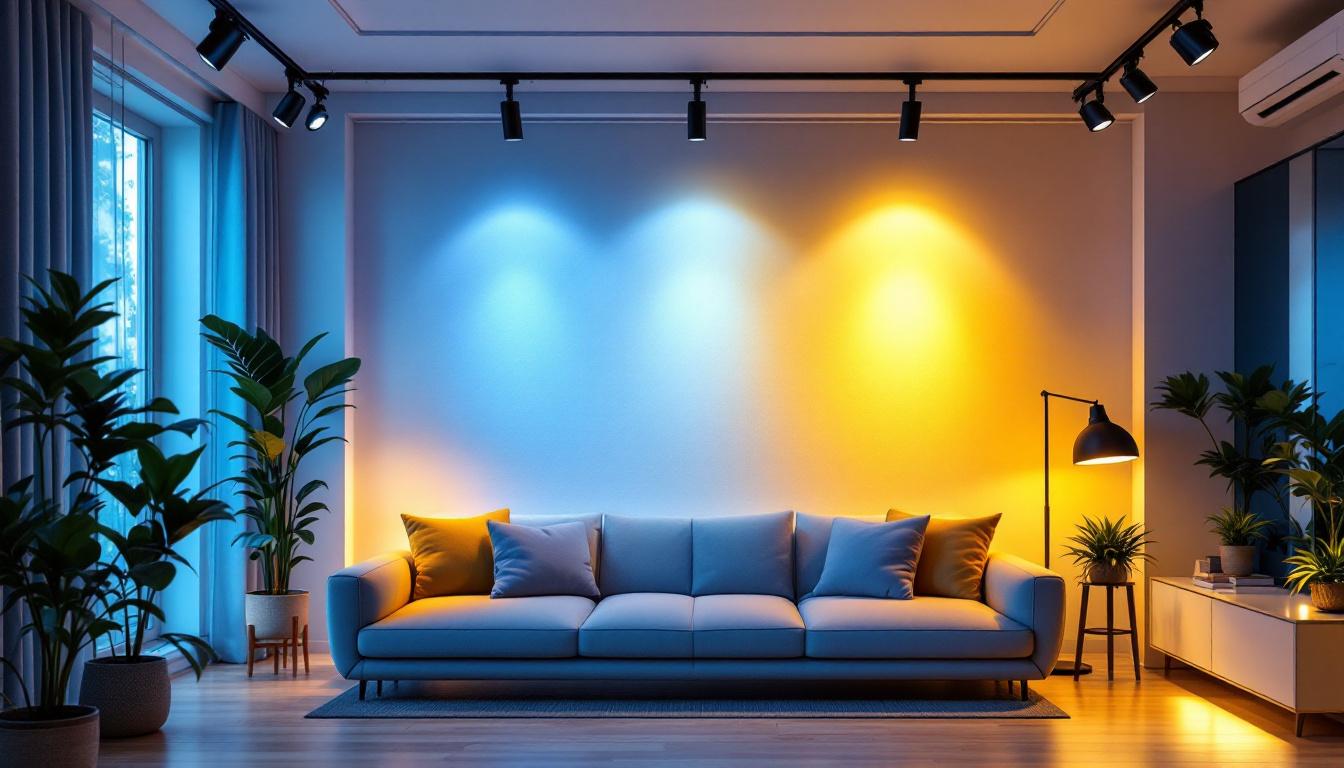
Track lighting systems consist of a linear track mounted to ceilings or walls, into which adjustable light fixtures are inserted. This modular design allows for flexible positioning and aiming of lights, making it ideal for retail shops, galleries, workshops, and other commercial spaces where lighting needs frequently change.
From a contractor’s standpoint, understanding the different types of track lighting, their compatibility, and installation requirements is crucial. This knowledge ensures that the lighting system not only enhances the space but also complies with electrical codes and safety standards.
Why Shop Track Lighting is Popular Among Retailers
Retail environments demand lighting solutions that highlight products effectively and create inviting atmospheres. Shop track lighting excels in this regard due to its adaptability. Fixtures can be easily repositioned to spotlight new merchandise or adjust for seasonal displays without the need for rewiring or major renovations.
Moreover, the ability to mix various types of light sources—such as spotlights, floodlights, and accent lights—within the same track system allows for layered lighting designs that enhance visual interest and customer engagement. This flexibility not only aids in showcasing products but also contributes to the overall ambiance of the store, which can significantly influence customer behavior and purchasing decisions.
Additionally, energy efficiency is a key consideration for retailers looking to reduce operational costs. Many modern track lighting systems are compatible with LED technology, which offers longer lifespans and lower energy consumption compared to traditional incandescent bulbs. This shift not only benefits the environment but also aligns with the growing trend of sustainability in retail, making track lighting an attractive option for businesses aiming to enhance their eco-friendly initiatives.
Key Components and Types of Shop Track Lighting Systems
Lighting contractors must be familiar with the components that make up shop track lighting systems to ensure proper selection and installation. The main components include the track, connectors, fixtures, and power feed.
Track Types and Their Applications
Shop track lighting tracks come in several types, each suited to different installation scenarios:
- H-type tracks: The most common in commercial applications, these three-wire tracks support line voltage fixtures and offer compatibility with a wide range of lighting heads.
- L-type tracks: Designed for low-voltage systems, these tracks are often used when dimming or specialized control is required.
- J-type tracks: Similar to H-type but with a different wiring configuration, J-type tracks are less common but still relevant for specific fixtures.
Choosing the correct track type is fundamental, as mixing incompatible tracks and fixtures can lead to electrical hazards or poor performance. Furthermore, understanding the electrical load capacity of each track type is essential, as overloading a track can result in flickering lights or even damage to the fixtures. It’s also worth noting that some tracks come with integrated smart technology, allowing for remote control and automation, which can enhance the overall functionality and energy efficiency of the lighting system.
Fixtures and Their Functionalities
Track lighting fixtures vary widely in design and purpose. Common categories include:
- Spotlights: Provide focused beams ideal for highlighting products or architectural features.
- Floodlights: Offer broader illumination for general lighting needs.
- Linear fixtures: Useful for creating continuous light lines, often employed in modern retail designs.
- Adjustable heads: Allow for precise aiming and flexibility in lighting arrangements.
Contractors should consider the beam angle, color temperature, and lumen output of fixtures to match the client’s lighting objectives. Additionally, the choice of finish and style of the fixtures can significantly impact the aesthetic appeal of the space. For instance, sleek, minimalist designs are popular in contemporary retail environments, while more ornate fixtures may be suitable for boutique shops aiming for a vintage or artisanal look. Moreover, energy-efficient LED options are increasingly favored, not only for their longevity but also for their ability to produce a wide range of color temperatures, allowing for greater customization in the shopping experience.
Installation Best Practices for Lighting Contractors
Proper installation of shop track lighting is critical to ensure safety, functionality, and longevity. Lighting contractors must adhere to industry standards and local codes while optimizing the system for the client’s space.
Planning and Layout Considerations
Before installation, a detailed lighting plan should be developed. This includes calculating the number of fixtures needed, their placement, and the type of track system that best suits the space. Factors such as ceiling height, room dimensions, and the nature of the merchandise influence these decisions.
Using lighting design software or photometric analysis tools can help contractors visualize light distribution and avoid common pitfalls like uneven illumination or glare. Additionally, considering the color temperature of the fixtures can significantly impact the ambiance of the shop. For instance, warmer tones can create a welcoming atmosphere, while cooler tones may enhance the perception of cleanliness and modernity, which is particularly important in retail environments.
Electrical and Safety Compliance
Shop track lighting installation involves working with electrical wiring and connections, making adherence to safety codes paramount. Contractors should ensure that the power feed is correctly installed, grounding is properly established, and that all components are UL-listed or certified by relevant safety organizations.
Additionally, understanding the load capacity of the track and ensuring that the total wattage of fixtures does not exceed manufacturer recommendations prevents overheating and potential fire hazards. It’s also advisable to incorporate circuit breakers or fuses that can handle the specific load requirements of the lighting system, providing an extra layer of safety and preventing electrical failures that could disrupt business operations.
Efficiency and Maintenance Considerations
Contractors should advise clients on the benefits of using LED fixtures within track lighting systems. LEDs offer superior energy efficiency, longer lifespan, and reduced heat output compared to traditional incandescent or halogen lamps.
Designing the system with maintenance in mind—such as easy access to fixtures and modular components—can save time and costs over the life of the installation. Furthermore, educating clients on the importance of regular maintenance checks, such as cleaning fixtures and replacing any burnt-out bulbs promptly, can help sustain optimal performance and extend the life of the lighting system. Implementing smart lighting controls, such as dimmers or motion sensors, not only enhances energy efficiency but also allows for greater flexibility in adjusting the lighting according to the time of day or specific events, ultimately improving the shopping experience for customers.
Emerging Trends and Technologies in Shop Track Lighting
The lighting industry is evolving rapidly, and contractors who stay informed about new trends and technologies can provide cutting-edge solutions to their clients.
Smart Lighting Controls
Integration of smart controls with shop track lighting allows for dynamic lighting scenes, energy savings, and remote management. Features such as dimming, color tuning, and occupancy sensing can be incorporated to enhance both functionality and ambiance.
Lighting contractors should be proficient in installing and programming these systems, as they often require coordination with building management systems or wireless networks. Furthermore, the rise of mobile applications enables users to control their lighting from anywhere, providing convenience and customization that aligns with modern consumer expectations. This level of control not only enhances the shopping experience but also allows retailers to adapt their lighting strategies in real-time based on customer behavior and preferences.
Sustainable and Energy-Efficient Solutions
With increasing emphasis on sustainability, many retailers seek lighting solutions that reduce environmental impact. LED track lighting combined with daylight harvesting sensors and automated controls can significantly lower energy consumption.
Contractors can play a vital role by recommending products that meet ENERGY STAR or DLC (DesignLights Consortium) certifications, ensuring clients benefit from rebates and incentives. Additionally, the use of recycled materials in lighting fixtures and the implementation of energy-efficient manufacturing processes are becoming more prevalent. Retailers are not only looking to save on energy costs but also to enhance their brand image by adopting eco-friendly practices. By educating clients on the long-term benefits of sustainable lighting solutions, contractors can help them make informed decisions that align with their corporate social responsibility goals, ultimately leading to a more positive impact on both the environment and their bottom line.
Common Challenges and How Contractors Can Overcome Them
While shop track lighting offers many advantages, contractors may encounter challenges during specification, installation, or maintenance phases.
Compatibility Issues
One frequent issue is the incompatibility between tracks and fixtures from different manufacturers. This can lead to poor electrical connections or mechanical fit problems. Contractors should source components from reputable suppliers and verify compatibility before procurement.
Lighting Uniformity and Glare Control
Achieving uniform illumination without harsh shadows or glare requires careful fixture selection and placement. Contractors can mitigate these issues by using diffusers, selecting appropriate beam angles, and employing layered lighting strategies.
Client Education and Expectation Management
Sometimes clients may have unrealistic expectations about what track lighting can achieve. Contractors should provide clear communication and demonstrations, possibly using mock-ups or visualizations, to align expectations with practical outcomes.
Conclusion: Empowering Lighting Contractors with Knowledge
Shop track lighting remains a versatile and effective solution for commercial spaces, especially retail environments. For lighting contractors, a deep understanding of system components, installation best practices, emerging technologies, and common challenges is essential to delivering exceptional results.
By staying informed and applying industry best practices, contractors can not only enhance the visual appeal and functionality of their clients’ spaces but also ensure safety, efficiency, and long-term satisfaction. As the lighting landscape continues to evolve, ongoing education and adaptation will remain key to success in this dynamic field.
Get Your Premium Track Lighting Supplies at LumenWholesale
Ready to elevate your lighting projects with the best in shop track lighting? Look no further than LumenWholesale, where we provide contractors with the highest quality, spec-grade lighting products at unbeatable wholesale prices. Our extensive selection is designed to meet the highest industry standards, ensuring you deliver reliable and high-performance lighting solutions every time. With the convenience of bulk buying, free shipping, and no hidden fees, LumenWholesale is your go-to source for premium lighting without the premium price tag. Discover the ideal combination of quality, affordability, and convenience. Visit us now for Wholesale Lighting at the Best Value.