Best LED For Home Lighting: The Evolution in the Lighting Industry
The lighting industry has undergone a remarkable transformation over the years, with advancements in technology leading to the widespread adoption of LED lighting. This evolution has not only improved energy efficiency but has also enhanced the quality and versatility of home lighting solutions. For lighting contractors, understanding the nuances of LED technology is essential for providing clients with the best options available. This article delves into the evolution of LED lighting, its benefits, and the best practices for implementation in residential settings.
The Rise of LED Technology
LED, or Light Emitting Diode, technology has revolutionized the way we illuminate our homes. Initially, incandescent bulbs dominated the market, offering a warm glow but at the cost of energy efficiency. The introduction of compact fluorescent lamps (CFLs) provided a more energy-efficient alternative, but they came with their own set of drawbacks, including longer warm-up times and a less appealing light quality.
Understanding LED Basics
LEDs work by passing an electric current through a semiconductor material, which then emits light. This process is highly efficient, converting a significant portion of energy into light rather than heat. As a result, LEDs consume substantially less power than traditional lighting options, making them a more sustainable choice for homeowners.
Moreover, LEDs are available in a wide range of color temperatures, allowing for greater customization in lighting design. From warm whites that create a cozy atmosphere to cool whites that enhance productivity, the versatility of LED lighting is unmatched. This adaptability makes LEDs suitable for various applications, from residential spaces to commercial environments, ensuring that the right ambiance can be achieved in any setting.
Advancements in LED Technology
The evolution of LED technology has been marked by continuous improvements in brightness, color rendering, and energy efficiency. Early LED bulbs were often criticized for their limited brightness and poor color rendering index (CRI). However, advancements in semiconductor materials and manufacturing processes have led to the development of high-performance LEDs that can rival traditional lighting in both brightness and color quality.
Furthermore, the introduction of smart LED technology has transformed the lighting landscape. Smart LEDs can be controlled remotely, allowing homeowners to adjust brightness, color, and even create lighting schedules through mobile applications. This level of control not only enhances convenience but also contributes to energy savings. In addition, many smart LED systems now integrate with home automation platforms, enabling users to synchronize their lighting with other smart devices, such as thermostats and security systems, creating a seamless and efficient home environment.
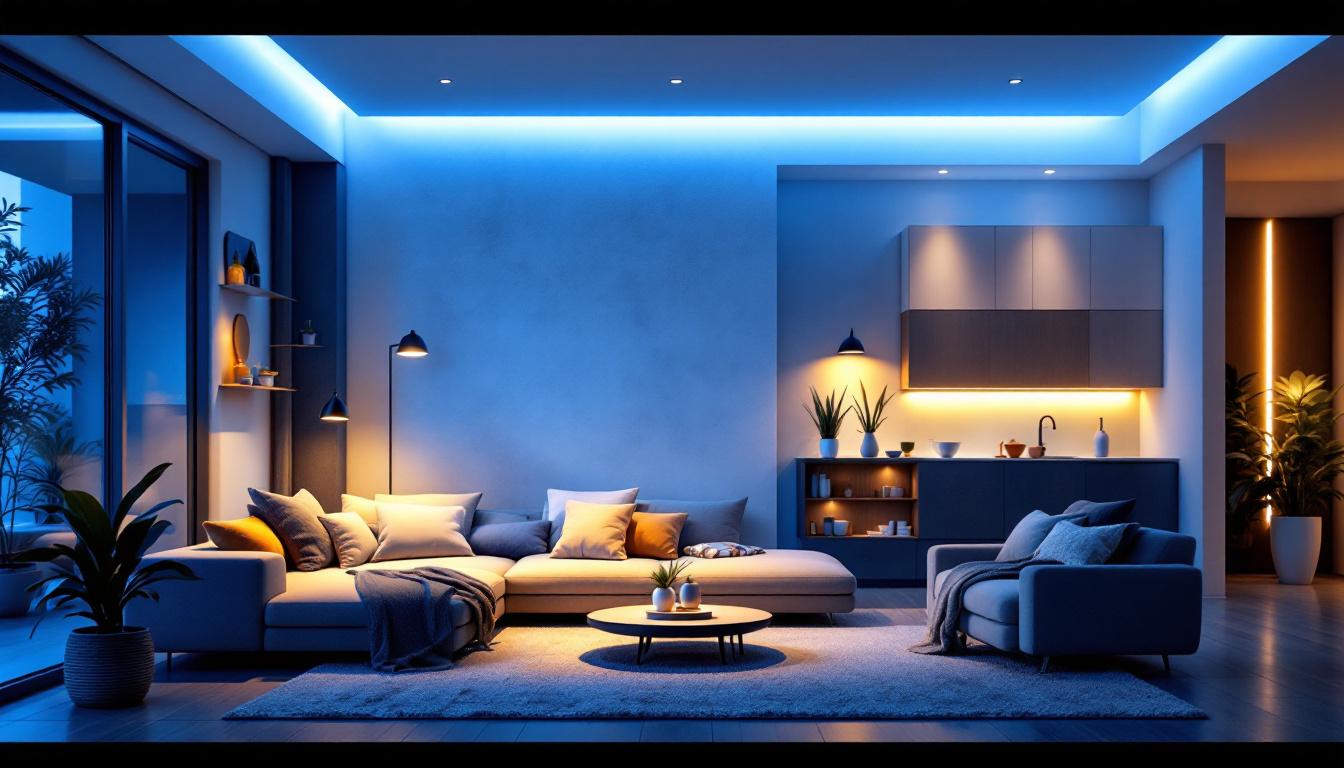
In addition to their practical benefits, LED technology has also spurred innovation in design aesthetics. Manufacturers are now producing LED fixtures that are not only functional but also serve as stylish decor elements. From sleek, minimalist designs to bold, artistic installations, LED lighting can enhance the visual appeal of any space. This trend has led to the emergence of various lighting solutions, including LED strip lights, pendant fixtures, and even outdoor landscape lighting, allowing homeowners to express their personal style while enjoying the benefits of energy-efficient illumination.
Benefits of LED Lighting in Homes
For lighting contractors, understanding the benefits of LED lighting is crucial when advising clients on their options. The advantages of LEDs extend beyond mere energy savings, encompassing aspects such as longevity, safety, and environmental impact.
Energy Efficiency and Cost Savings
One of the most significant benefits of LED lighting is its energy efficiency. LEDs consume up to 80% less energy than traditional incandescent bulbs, translating to lower electricity bills for homeowners. This reduction in energy consumption is particularly appealing in an era where energy costs are continually rising.
Additionally, the longevity of LED bulbs means that homeowners will spend less on replacements. While the initial investment may be higher than traditional bulbs, the long-term savings on energy and maintenance costs make LEDs a financially sound choice.
Enhanced Safety and Durability
LEDs are inherently safer than traditional lighting options. They emit very little heat, reducing the risk of burns or fire hazards associated with incandescent bulbs. This characteristic is particularly beneficial in homes with children or pets, where safety is a top priority.
Moreover, LEDs are more durable than their counterparts. They are resistant to shock, vibration, and external impacts, making them ideal for various applications, including outdoor lighting. This durability ensures that homeowners can enjoy their lighting solutions without the constant worry of breakage or failure.
Choosing the Right LED for Home Lighting
When selecting LED lighting for residential applications, several factors should be considered to ensure optimal performance and satisfaction. Lighting contractors play a pivotal role in guiding homeowners through this selection process.
Color Temperature and CRI
Color temperature, measured in Kelvin (K), plays a crucial role in setting the mood of a space. Warm white LEDs (2700K-3000K) create a cozy and inviting atmosphere, making them ideal for living rooms and bedrooms. In contrast, cool white LEDs (4000K-5000K) are better suited for workspaces and kitchens, where clarity and focus are essential.
Another important metric is the Color Rendering Index (CRI), which measures how accurately a light source displays colors in comparison to natural light. A higher CRI (above 80) is desirable for spaces where color accuracy is important, such as art studios or retail environments.
Lumen Output and Brightness
Lumen output is a critical factor when evaluating LED bulbs. Unlike watts, which measure energy consumption, lumens measure the actual light output. When advising clients, it is essential to match the lumen output to the intended use of the space. For example, a living room may require around 1,500-3,000 lumens, while a kitchen might need 5,000 lumens or more for adequate task lighting.
Understanding the relationship between lumens and the size of the space will help ensure that homeowners achieve the desired level of brightness without over-illuminating or under-illuminating their rooms.
Installation Considerations for LED Lighting
Proper installation is vital for maximizing the benefits of LED lighting. Lighting contractors must be aware of various installation considerations to ensure optimal performance and longevity of the fixtures.
Compatibility with Existing Fixtures
Before replacing traditional bulbs with LEDs, it is essential to assess the compatibility of existing fixtures. Some older fixtures may not be designed to accommodate the lower wattage of LED bulbs, potentially leading to flickering or reduced performance. In such cases, it may be necessary to upgrade the fixtures to ensure compatibility.
Additionally, dimmer switches should be evaluated. Not all dimmers are compatible with LED technology, and using an incompatible dimmer can lead to poor performance or even damage to the bulbs. Contractors should recommend LED-compatible dimmers to clients looking to incorporate dimming features into their lighting design.
Placement and Design
The placement of LED fixtures is crucial for achieving the desired lighting effect. Lighting contractors should consider factors such as the purpose of the space, natural light availability, and the layout of furniture when designing a lighting plan. Layered lighting, which combines ambient, task, and accent lighting, can create a well-balanced and visually appealing environment.
Moreover, the use of lighting controls, such as timers and smart home integration, can enhance the functionality of LED lighting. These controls allow homeowners to customize their lighting experience, adjusting brightness and color based on their needs and preferences.
Environmental Impact of LED Lighting
The environmental benefits of LED lighting are significant, making it an attractive option for eco-conscious homeowners. As lighting contractors, understanding these benefits can help in promoting LED solutions to clients who prioritize sustainability.
Reduction in Carbon Footprint
By consuming less energy, LED lighting contributes to a reduction in greenhouse gas emissions associated with electricity generation. This decrease in energy consumption not only lowers utility bills but also diminishes the overall carbon footprint of a household.
Furthermore, the longevity of LED bulbs means fewer replacements over time, resulting in less waste. Traditional incandescent bulbs have a shorter lifespan and contribute to landfill waste more rapidly. In contrast, LEDs can last for years, reducing the frequency of disposal and the associated environmental impact.
Non-Toxic Materials
Unlike some traditional lighting options, LEDs do not contain harmful materials such as mercury. This aspect makes them safer for both consumers and the environment. When disposed of, LEDs pose less of a risk to soil and water quality, contributing to a more sustainable waste management process.
Future Trends in LED Lighting
The lighting industry continues to evolve, and staying informed about emerging trends is crucial for lighting contractors. As technology advances, new opportunities arise for enhancing residential lighting solutions.
Smart Home Integration
The integration of smart technology into LED lighting systems is one of the most significant trends shaping the future of home lighting. Smart LEDs allow homeowners to control their lighting remotely, set schedules, and even integrate with other smart home devices for a seamless experience.
This trend not only enhances convenience but also promotes energy efficiency. Homeowners can easily turn off lights when they leave the house or adjust settings based on their daily routines, further reducing energy consumption.
Human-Centric Lighting
Another emerging trend is the concept of human-centric lighting, which focuses on the impact of light on human well-being. This approach emphasizes the importance of natural light and its effects on mood, productivity, and health. Lighting contractors can play a pivotal role in designing spaces that prioritize human-centric lighting, incorporating adjustable color temperatures and brightness levels to support the natural circadian rhythms of occupants.
Conclusion
The evolution of LED lighting has transformed the residential lighting landscape, offering numerous benefits in terms of energy efficiency, safety, and environmental impact. For lighting contractors, understanding the intricacies of LED technology and staying informed about emerging trends is essential for providing clients with the best solutions.
As homeowners increasingly seek sustainable and customizable lighting options, the demand for LED solutions will continue to grow. By embracing this evolution and leveraging the advantages of LED technology, lighting contractors can enhance their service offerings and contribute to a brighter, more sustainable future in home lighting.
Illuminate Your Projects with LumenWholesale
Ready to elevate your lighting game with the latest LED technology? LumenWholesale is here to light the way for contractors seeking the best value in high-quality, spec-grade lighting. Our extensive selection of LED solutions meets the highest industry standards, ensuring you deliver exceptional, energy-efficient lighting to every home. Say goodbye to inflated markups and hello to unbeatable wholesale prices, complete with the convenience of free shipping on bulk orders. Don’t compromise on quality or cost. Discover wholesale lighting at the best value today and brighten your clients’ homes with confidence.