Understanding the Importance of Bathroom Lighting
Bathroom lighting is more than just a functional necessity; it plays a crucial role in enhancing the ambiance, safety, and usability of one of the most frequently used spaces in any home or commercial building. For lighting contractors, mastering the nuances of bathroom lighting means delivering solutions that balance aesthetics with practicality.
Bathrooms present unique challenges due to their moisture levels, limited natural light, and the need for precise illumination for tasks like shaving, makeup application, and grooming. According to industry surveys, homeowners and commercial clients alike prioritize well-designed bathroom lighting, often ranking it among the top factors influencing renovation satisfaction.
Why Bathroom Lighting Requires Specialized Knowledge
Unlike other rooms, bathrooms demand lighting that can withstand humidity and occasional water exposure. This necessitates familiarity with fixtures rated for damp or wet locations, as well as an understanding of electrical codes related to bathroom installations. Lighting contractors must also consider the psychological impact of lighting color temperature and brightness on the user’s comfort and perception of space. For instance, cooler temperatures can create a refreshing and energizing atmosphere, while warmer tones can evoke a sense of relaxation and tranquility, making it essential for contractors to tailor their lighting solutions to the specific needs and preferences of their clients.
The Impact on Property Value and User Experience
Well-executed bathroom lighting can significantly enhance property value. Real estate experts note that modern, energy-efficient, and stylish bathroom lighting can be a decisive factor for buyers. For contractors, this translates into opportunities to recommend innovative lighting solutions that combine energy savings with design appeal, thereby elevating their service offerings. Additionally, the integration of smart lighting technology has become increasingly popular, allowing homeowners to control their bathroom lighting through mobile apps or voice commands, further enhancing the user experience. Such advancements not only add convenience but also contribute to a more personalized atmosphere, catering to individual preferences and routines.
Moreover, the strategic placement of lighting fixtures can dramatically alter the perception of space within a bathroom. For example, layered lighting—incorporating ambient, task, and accent lighting—can create depth and dimension, making even smaller bathrooms feel more expansive. By using dimmers, contractors can also provide flexibility in lighting intensity, allowing users to adjust the mood from bright and functional to soft and soothing, perfect for a relaxing soak in the tub. This thoughtful approach to bathroom lighting not only meets practical needs but also transforms the bathroom into a sanctuary, enhancing overall well-being and satisfaction.
Key Components of Effective Bathroom Lighting Design
Successful bathroom lighting hinges on a layered approach that integrates ambient, task, and accent lighting. Each layer serves a distinct purpose and, when combined, creates a balanced and versatile lighting environment.
Ambient Lighting: The Foundation
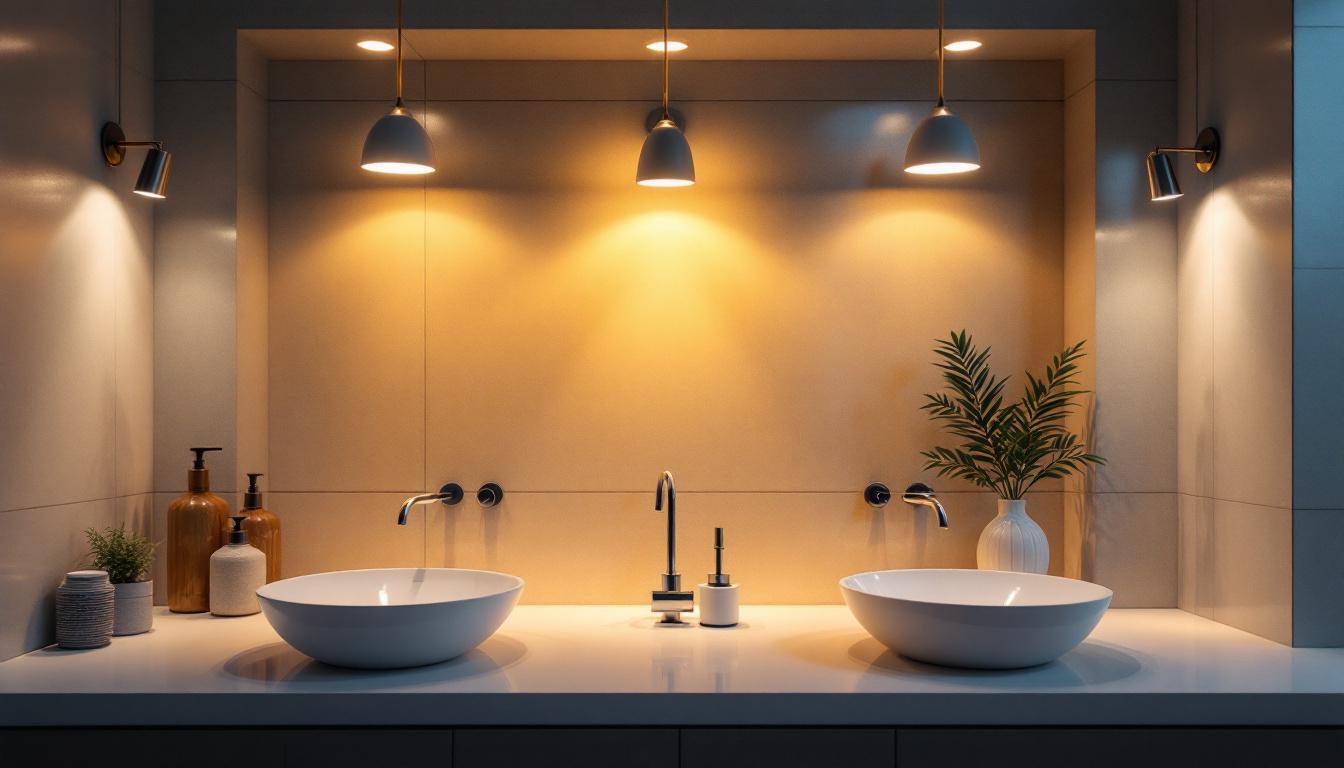
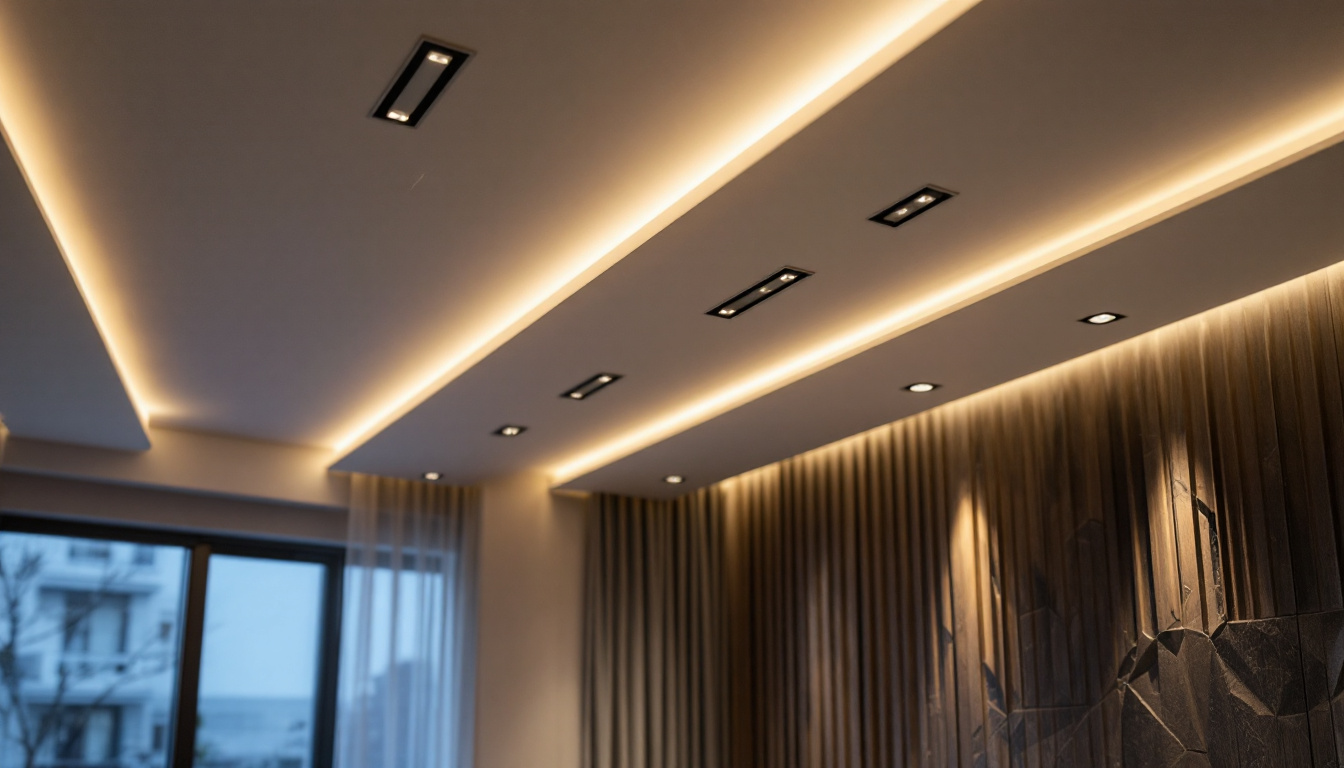
Ambient lighting provides general illumination and sets the overall tone of the bathroom. Common ambient lighting options include ceiling-mounted fixtures, recessed lights, and wall sconces. For contractors, selecting fixtures with appropriate lumen output and color rendering index (CRI) is essential to ensure the space feels bright yet inviting.
Energy efficiency is a growing priority, making LED technology the preferred choice for ambient lighting. LEDs offer long lifespan, low heat emission, and excellent dimming capabilities, which are critical for creating customizable lighting moods. Furthermore, the strategic placement of ambient lighting can help to eliminate dark corners and create a more spacious feel, enhancing the overall usability of the bathroom.
Task Lighting: Precision and Clarity
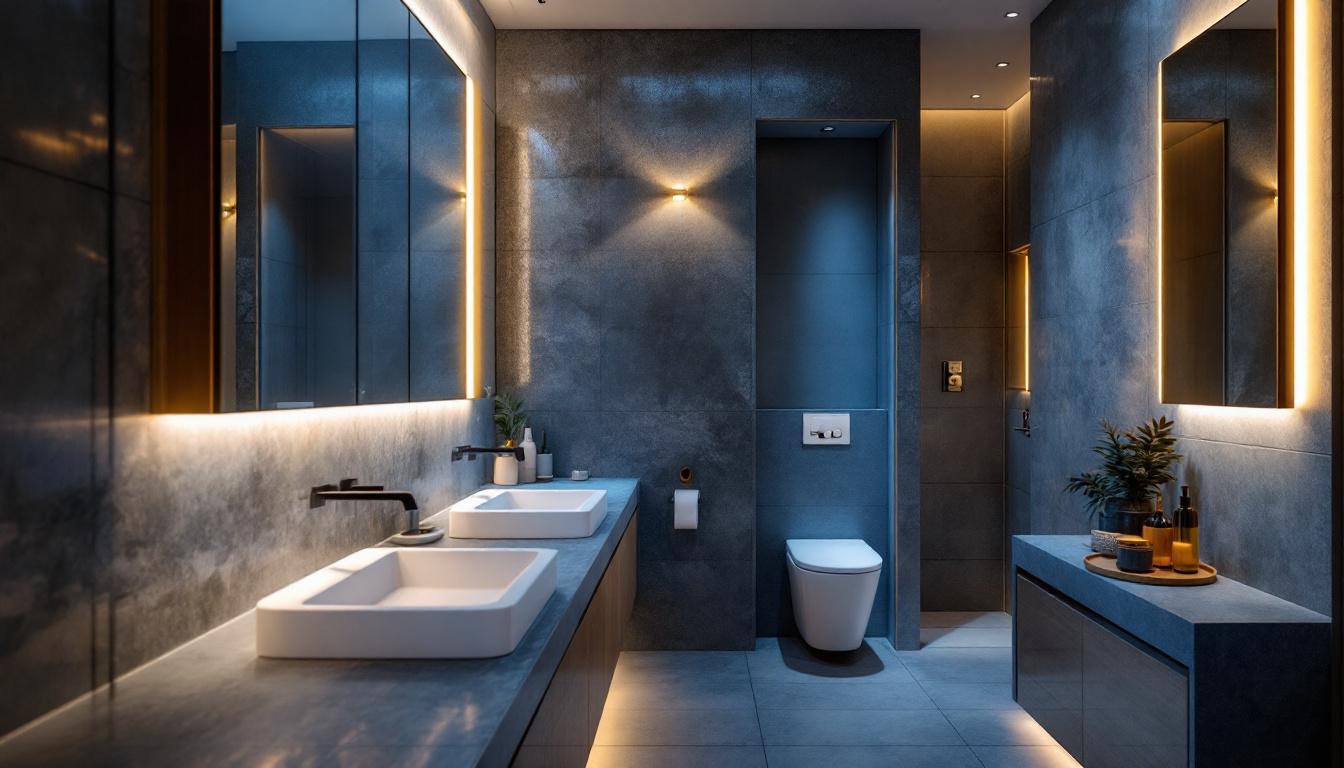
Task lighting focuses on areas where specific activities occur, such as around mirrors for grooming or near the shower for visibility. Lighting contractors should prioritize fixtures that minimize shadows and glare. Vertical lighting on either side of the mirror or integrated LED vanity lights are effective solutions.
Color temperature plays a pivotal role here. A neutral white light (around 3500K to 4100K) is often recommended to mimic natural daylight, providing accurate color representation for makeup and shaving. Additionally, adjustable brightness levels enhance functionality for different users and times of day. Incorporating dimmable switches can allow users to tailor the lighting to their needs, whether they are preparing for a busy day or unwinding in a relaxing bath.
Accent Lighting: Enhancing Aesthetics
Accent lighting adds depth and visual interest, highlighting architectural features, artwork, or textured surfaces. LED strip lights under vanities or around mirrors can create a subtle glow that elevates the bathroom’s ambiance. Contractors should ensure accent lighting complements, rather than competes with, ambient and task layers.
Moreover, accent lighting can be used to create focal points that draw the eye and enhance the overall design aesthetic. For instance, backlighting a piece of art or illuminating a unique tile pattern can transform a simple bathroom into a luxurious retreat. The careful selection of fixtures and their placement can evoke a sense of tranquility and sophistication, making the bathroom not just a functional space, but a personal sanctuary. Additionally, smart lighting systems can be integrated to allow homeowners to change the mood of the bathroom with a simple voice command or smartphone app, further enhancing the experience of the space.
Technical Considerations and Best Practices for Lighting Contractors
Beyond design, lighting contractors must navigate technical requirements and industry standards to ensure safe, durable, and code-compliant installations.
Fixture Ratings and Placement
Bathrooms are divided into zones based on proximity to water sources, each with specific fixture ratings:
- Zone 0: Inside the bathtub or shower – requires IP67-rated fixtures that are waterproof.
- Zone 1: Above the bathtub or shower up to 2.25 meters – requires at least IP44-rated fixtures.
- Zone 2: Extends 0.6 meters outside Zone 1 – fixtures should be moisture-resistant, typically IP44 or higher.
Understanding these zones helps contractors select appropriate fixtures and avoid safety hazards. Incorrect fixture placement can lead to electrical failures or pose risks to users.
Electrical Codes and Safety Standards
Compliance with national and local electrical codes is non-negotiable. Contractors must ensure that all wiring, switches, and fixtures meet regulations such as ground-fault circuit interrupters (GFCIs) in wet areas. Proper insulation, conduit use, and circuit design are critical to prevent electrical shocks and fires.
Furthermore, lighting controls like dimmers and motion sensors should be compatible with bathroom fixtures and rated for damp environments. This attention to detail enhances both safety and user convenience.
Energy Efficiency and Sustainability
With increasing emphasis on green building practices, lighting contractors are encouraged to recommend energy-efficient solutions. LED fixtures, combined with smart controls, can reduce energy consumption by up to 80% compared to traditional incandescent bulbs. Additionally, integrating daylight sensors and timers optimizes energy use without compromising lighting quality.
Contractors can also advise clients on recyclable materials and fixtures with low environmental impact, aligning with broader sustainability goals.
Innovative Trends and Technologies in Bathroom Lighting
Staying current with emerging trends allows lighting contractors to offer cutting-edge solutions that meet evolving client expectations.
Smart Lighting Systems
Smart lighting has transformed bathroom environments by enabling remote control, customizable scenes, and integration with home automation systems. Voice-activated assistants and smartphone apps allow users to adjust brightness, color temperature, and even lighting schedules effortlessly.
For contractors, installing smart lighting requires knowledge of compatible fixtures, network setup, and user interface programming. Offering these services can differentiate a contractor’s portfolio and attract tech-savvy clients.
Human-Centric Lighting (HCL)
Human-centric lighting focuses on replicating natural light patterns to support circadian rhythms and overall well-being. In bathrooms, this means adjusting color temperature and intensity throughout the day—cooler, brighter light in the morning to energize, and warmer, dimmer light in the evening to promote relaxation.
Implementing HCL requires programmable fixtures and controls, which lighting contractors can integrate into new or retrofit projects to enhance user comfort and health.
Minimalist and Integrated Designs
Modern bathroom designs favor clean lines and minimal clutter. Lighting fixtures are increasingly integrated into mirrors, ceilings, or cabinetry to maintain sleek aesthetics. Contractors must be adept at installing these specialized fixtures, often requiring precise measurements and coordination with other trades.
Practical Tips for Lighting Contractors on Bathroom Projects
Successful bathroom lighting projects depend on thorough planning, clear communication, and attention to detail.
Conduct Comprehensive Site Assessments
Before installation, contractors should assess existing electrical infrastructure, spatial constraints, and client preferences. Measuring natural light availability and identifying potential moisture exposure points inform fixture selection and placement.
Collaborate with Designers and Clients
Effective collaboration ensures that lighting solutions align with the overall bathroom design and client expectations. Presenting lighting mock-ups or simulations can help clients visualize outcomes and make informed decisions.
Prioritize Quality and Warranty
Using high-quality fixtures from reputable manufacturers reduces maintenance issues and enhances customer satisfaction. Contractors should also educate clients on warranty terms and maintenance best practices to prolong fixture lifespan.
Stay Updated with Continuing Education
The lighting industry evolves rapidly. Engaging in ongoing training, certifications, and industry events equips contractors with the latest knowledge and skills to deliver superior bathroom lighting solutions.
Conclusion
Bathroom lighting is a specialized field that demands a blend of technical expertise, design sensibility, and adherence to safety standards. For lighting contractors, mastering this domain opens doors to rewarding projects that enhance both functionality and aesthetics.
By understanding the unique requirements of bathroom environments, implementing layered lighting strategies, and embracing innovative technologies, contractors can deliver exceptional results that satisfy clients and elevate their professional reputation.
Ultimately, the key to awesome bathroom lighting lies in thoughtful planning, meticulous execution, and a commitment to continuous learning—ensuring every bathroom shines with brilliance and style.
Illuminate Your Projects with LumenWholesale
Ready to elevate your bathroom lighting projects to new heights of excellence? At LumenWholesale, we provide lighting contractors with the high-quality, spec-grade lighting products you need at unbeatable wholesale prices. Our extensive selection not only meets but exceeds industry standards, ensuring your installations shine with reliability and performance. Say goodbye to inflated markups and hello to premium lighting with the convenience of free shipping. Make your next project a beacon of quality, affordability, and style. Discover the perfect blend of cost-effectiveness and top-tier lighting solutions at Wholesale Lighting at the Best Value.