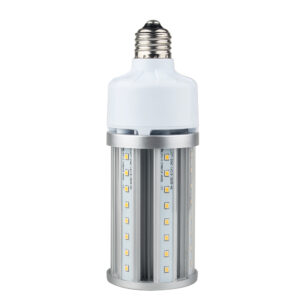
In the world of outdoor lighting, yard flood lights stand out as a versatile and effective solution for enhancing safety, security, and aesthetics. For lighting contractors, understanding the nuances of yard flood lights is essential for delivering quality service to clients. This article delves into the critical points that lighting contractors should consider when working with yard flood lights, from selecting the right fixtures to installation best practices.
Understanding Yard Flood Lights
Yard flood lights are powerful lighting fixtures designed to illuminate large outdoor areas. They are commonly used in residential and commercial settings to enhance visibility and deter crime. These lights are typically characterized by their wide beam angles and high lumen output, making them ideal for illuminating driveways, yards, and pathways. The versatility of yard flood lights allows homeowners and business owners alike to create a safe and welcoming environment, especially during the darker hours of the day.
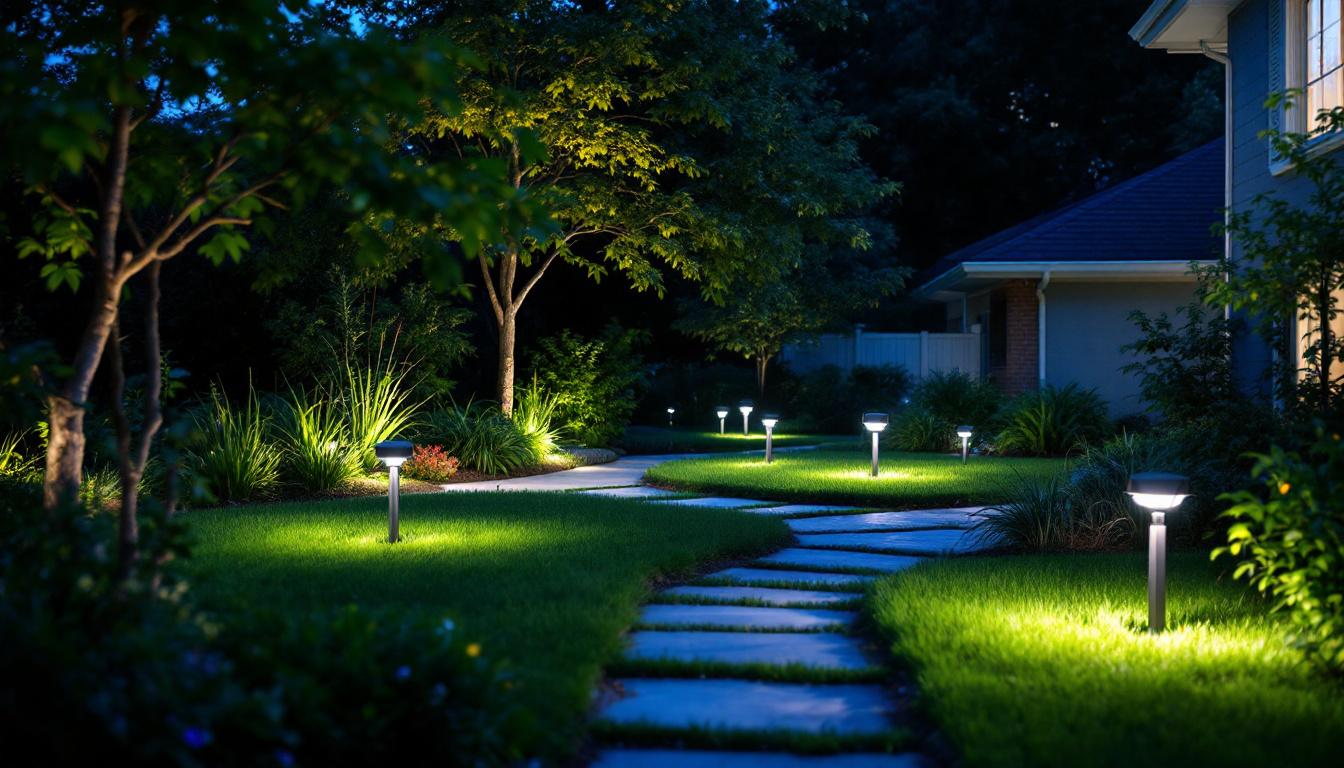
In addition to their practical applications, yard flood lights can also play a significant role in enhancing the aesthetic appeal of outdoor spaces. With the right placement and design, these lights can highlight architectural features, illuminate landscaping, and even create dramatic effects that transform a mundane yard into a picturesque scene. As outdoor living spaces become more popular, the integration of flood lights into these designs allows for greater enjoyment of gardens, patios, and decks long after sunset.
Types of Yard Flood Lights
There are several types of yard flood lights available on the market, each with its unique features and benefits. Understanding these types can help lighting contractors recommend the best option for their clients.
- LED Flood Lights: Known for their energy efficiency and long lifespan, LED flood lights are becoming increasingly popular. They offer bright illumination while consuming less power, making them an environmentally friendly choice. Additionally, LED technology has advanced to provide a range of color temperatures, allowing users to select warm or cool light to suit their preferences and needs.
- Halogen Flood Lights: Halogen lights provide a warm light that many find appealing. They are often less expensive upfront but have a shorter lifespan and higher energy consumption compared to LEDs. Despite this, halogen lights can be an excellent choice for those seeking immediate brightness and a more traditional lighting aesthetic.
- Metal Halide Flood Lights: These lights are known for their high-intensity output and are commonly used in commercial settings. However, they can take time to warm up and may not be the best choice for residential applications. Their ability to produce bright, white light makes them ideal for large outdoor events or areas requiring significant illumination.
Applications of Yard Flood Lights
Yard flood lights serve a variety of purposes, making them a valuable addition to any outdoor lighting plan. Here are some common applications:
- Security Lighting: Flood lights are often installed to deter potential intruders by illuminating dark areas around a property. Motion sensor flood lights can further enhance security, automatically turning on when movement is detected, providing both safety and convenience.
- Landscape Lighting: These lights can enhance the beauty of gardens and outdoor features, creating an inviting atmosphere. By strategically placing flood lights around trees, shrubs, and water features, homeowners can create a stunning nighttime landscape that showcases the natural beauty of their property.
- Sports and Recreational Areas: Flood lights are essential for illuminating sports fields, courts, and other recreational areas, allowing for extended use after dark. This capability not only extends playtime for athletes but also fosters community engagement by enabling evening events and activities.
Moreover, yard flood lights can also be utilized for signage and advertising purposes. Businesses often employ flood lights to ensure their signage is visible at night, enhancing brand recognition and attracting customers. This application is particularly effective in areas with high foot or vehicle traffic, where visibility can significantly impact business success.
In addition to their functional uses, yard flood lights can also be integrated with smart home technology. With the advent of smart lighting systems, homeowners can control their flood lights remotely, set schedules, and even adjust brightness levels through their smartphones or voice-activated devices. This not only adds convenience but also allows for increased energy efficiency, as users can ensure lights are only on when needed.
Key Considerations for Lighting Contractors
When working with yard flood lights, lighting contractors must consider several factors to ensure a successful installation that meets client needs. From fixture selection to placement and wiring, each element plays a crucial role in the overall effectiveness of the lighting system.
Fixture Selection
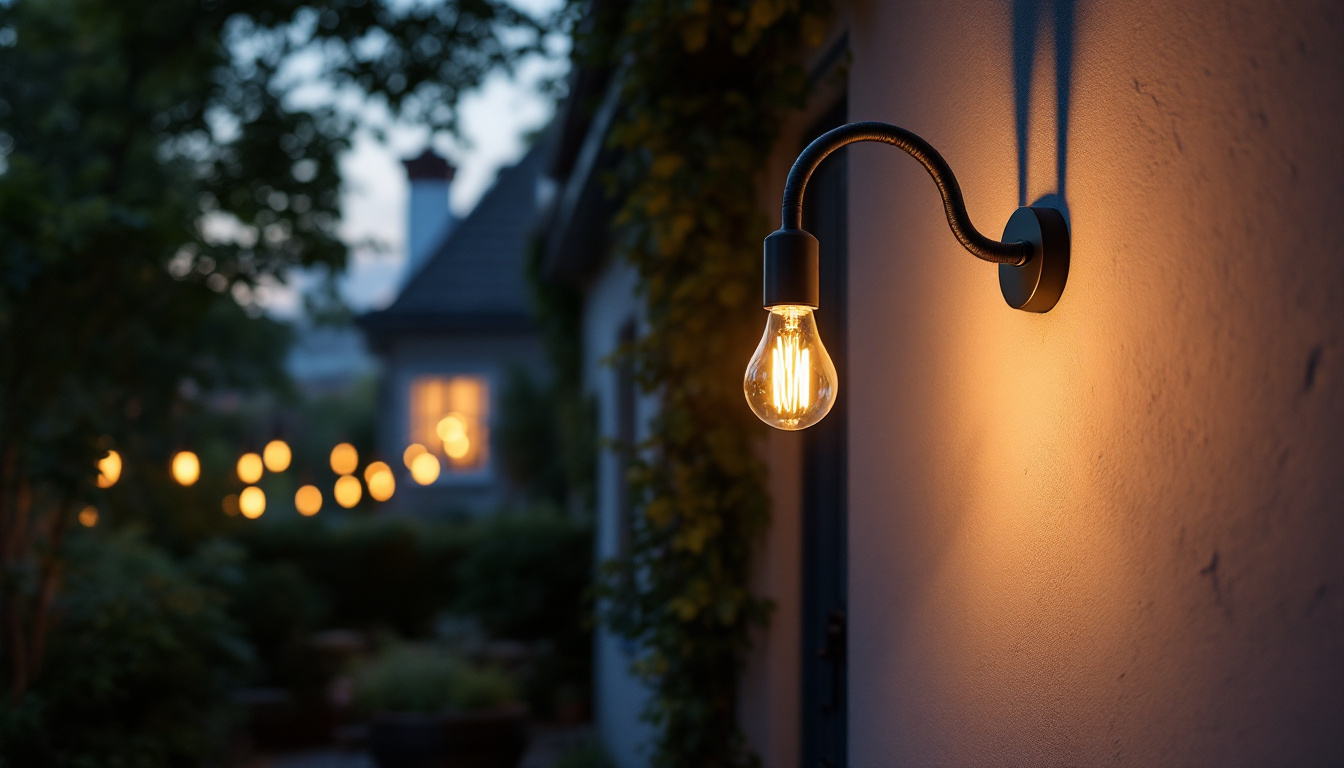
Choosing the right flood light fixture is paramount. Factors such as brightness, color temperature, and energy efficiency should be evaluated based on the client’s specific requirements. For instance, a residential client may prefer warm white light for a cozy ambiance, while a commercial client may opt for brighter, cooler light for security purposes.
Additionally, the durability of the fixture is essential, especially for outdoor applications. Contractors should look for weather-resistant materials and consider the IP rating of the fixtures to ensure they can withstand the elements.
Placement and Spacing
Proper placement and spacing of yard flood lights are critical for achieving optimal illumination. Contractors should assess the area to be lit and determine the best locations for fixture installation. Key considerations include:
- Height of Installation: Flood lights should be mounted at an appropriate height to maximize coverage while minimizing glare.
- Beam Angle: The beam angle of the flood light will influence how much area is illuminated. A wider beam angle is suitable for large spaces, while a narrower beam may be better for focused lighting.
- Distance Between Fixtures: Contractors should calculate the distance between fixtures to ensure even lighting without dark spots.
Wiring and Power Supply
Wiring is another crucial aspect of installing yard flood lights. Contractors must ensure that the electrical system can handle the load of the flood lights and that all wiring is done safely and according to local codes. This includes:
- Using Proper Gauge Wire: The wire gauge should be appropriate for the distance and wattage of the flood lights to prevent overheating.
- Grounding: Proper grounding is essential to prevent electrical shocks and ensure safety.
- Installing Timers or Sensors: Incorporating timers or motion sensors can enhance the functionality of yard flood lights, allowing for automatic operation based on time or movement.
Energy Efficiency and Sustainability
As energy efficiency becomes increasingly important in the lighting industry, contractors should prioritize sustainable practices when recommending yard flood lights. This not only benefits the environment but can also save clients money on energy bills.
LED Technology
LED flood lights are the most energy-efficient option available. They consume significantly less power compared to traditional halogen or metal halide lights while providing the same or greater illumination. By recommending LED fixtures, contractors can help clients reduce their carbon footprint and enjoy lower energy costs.
Smart Lighting Solutions
Incorporating smart technology into yard flood lights can further enhance energy efficiency. Smart lighting systems allow homeowners to control their outdoor lighting remotely, set schedules, and adjust brightness levels. This flexibility not only adds convenience but also ensures that lights are only used when needed, further conserving energy.
Compliance and Regulations
Lighting contractors must stay informed about local regulations and compliance standards when installing yard flood lights. These regulations can vary significantly by location and may include guidelines on light pollution, fixture placement, and energy consumption.
Light Pollution Considerations
Many municipalities have implemented regulations to combat light pollution, which can disrupt wildlife and negatively impact residential areas. Contractors should be aware of these regulations and recommend fixtures that minimize light spill and glare. Full cutoff fixtures, which direct light downward, are often a preferred choice in areas with strict light pollution laws.
Building Codes and Permits
Before beginning any installation, contractors should verify whether a permit is required for outdoor lighting installations in their area. Compliance with local building codes is essential to ensure safety and avoid potential fines or issues down the line.
Maintenance and Upkeep
Once yard flood lights are installed, regular maintenance is necessary to ensure their longevity and effectiveness. Contractors should educate clients on the importance of maintenance and offer services to assist with upkeep.
Regular Inspections
Encouraging clients to conduct regular inspections of their flood lights can help identify issues before they become significant problems. This includes checking for damaged fixtures, ensuring that the lights are clean, and verifying that they are functioning correctly.
Cleaning and Bulb Replacement
Over time, dirt and debris can accumulate on flood light fixtures, reducing their effectiveness. Contractors should recommend cleaning schedules to clients and provide guidance on how to safely clean fixtures. Additionally, they should inform clients about the lifespan of bulbs and the importance of timely replacements to maintain optimal lighting conditions.
Conclusion
Yard flood lights play a crucial role in enhancing outdoor spaces, providing safety, security, and aesthetic appeal. For lighting contractors, understanding the various aspects of these fixtures—from types and applications to installation best practices and maintenance—can significantly impact the quality of service provided to clients. By staying informed and prioritizing energy efficiency and compliance, contractors can ensure successful installations that meet the diverse needs of their clients.
Ultimately, the right yard flood lights can transform an outdoor area, making it more functional and inviting. By focusing on these key points, lighting contractors can position themselves as experts in the field, delivering exceptional results that clients will appreciate for years to come.
Illuminate Your Projects with LumenWholesale
Ready to elevate your lighting projects with the best in yard flood lights? Look no further than LumenWholesale, where we provide lighting contractors with exceptional, spec-grade lighting solutions at unbeatable wholesale prices. Our comprehensive selection is designed to meet the highest industry standards, ensuring you deliver reliable and high-performance lighting to your clients. Take advantage of our hassle-free bulk buying and free shipping to get premium lighting at the best value — all without hidden fees or compromises. Explore our wholesale lighting options and experience the perfect blend of quality, affordability, and convenience today.