Understanding the Nuances of Dim LED Lighting
Dim LED lights are more than just a trend—they’re a fundamental component in creating adaptable, energy-efficient environments. For lighting contractors, mastering the intricacies of dimmable LED technology is essential. The ability to control brightness not only enhances ambiance but also extends the lifespan of fixtures and reduces energy consumption.
However, dimming LEDs isn’t as straightforward as it might seem. Unlike traditional incandescent bulbs, LEDs require compatible dimmers and drivers to function correctly. Without the right setup, issues such as flickering, buzzing, or limited dimming range can arise, leading to client dissatisfaction and costly callbacks.
Lighting contractors must understand the electrical characteristics of LEDs and how they interact with dimming devices. This knowledge allows for precise control over lighting levels, ensuring smooth transitions and optimal performance.
Why Dimming Matters for LEDs
LEDs are inherently efficient, but dimming them can further reduce energy usage. When dimmed, LEDs consume less power, which translates into lower utility bills and reduced environmental impact. Additionally, dimming can enhance visual comfort by reducing glare and tailoring light intensity to specific tasks or moods.
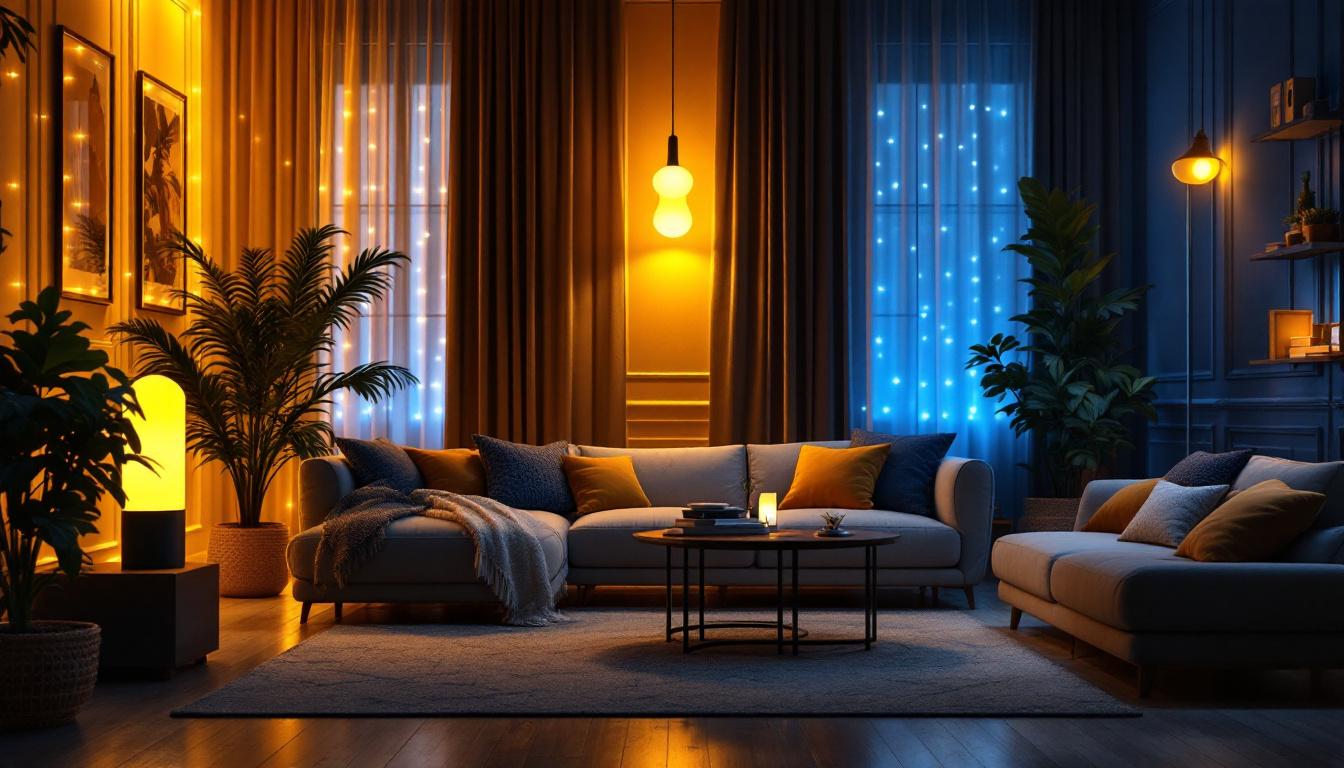
From a design perspective, dimmable LEDs offer flexibility. Spaces can shift from bright, functional lighting to soft, atmospheric illumination without changing fixtures. This adaptability is particularly valuable in commercial settings like restaurants, retail stores, and offices, where lighting needs fluctuate throughout the day.
Moreover, the psychological effects of lighting should not be underestimated. Research shows that the right lighting can influence mood and productivity. For instance, a well-lit workspace can boost focus and efficiency, while softer, dimmed lighting can create a relaxing environment, perfect for unwinding after a long day. Understanding these dynamics allows lighting contractors to tailor solutions that not only meet aesthetic demands but also support the well-being of occupants.
Furthermore, as technology advances, new dimming options are emerging, including smart dimmers that can be controlled via mobile apps or integrated into home automation systems. These innovations provide users with unprecedented control over their lighting environments, allowing for personalized settings that can adapt to various activities and preferences. As such, staying informed about these developments is crucial for contractors aiming to offer cutting-edge solutions that resonate with modern consumers.
Common Challenges in Installing Dim LED Systems
Even experienced lighting contractors encounter hurdles when working with dimmable LEDs. Understanding these challenges upfront helps prevent common pitfalls.
Compatibility Issues Between LEDs and Dimmers
One of the most frequent problems is incompatibility between LED bulbs and dimmer switches. Many older dimmers were designed for incandescent or halogen bulbs and may not work well with LEDs. This mismatch can cause flickering, buzzing noises, or limited dimming range.
Contractors should always verify that the dimmer is rated for LED use. Manufacturers often provide compatibility lists, but real-world testing is invaluable. Selecting a high-quality, LED-specific dimmer ensures smoother operation and longer product life. Furthermore, it’s essential to consider the total wattage load on the dimmer; exceeding the recommended wattage can lead to overheating and potential failure of the dimmer switch, which can pose safety risks.
Understanding LED Drivers and Their Role
LED drivers regulate power to the LEDs and play a critical role in dimming performance. Some drivers support only specific dimming protocols, such as 0-10V, TRIAC, or DALI. Choosing the wrong driver can prevent dimming altogether or cause erratic behavior.
Lighting contractors need to match drivers with both the LED fixtures and the dimming controls. This coordination is vital for achieving the desired dimming range and maintaining system reliability. Additionally, understanding the differences between constant current and constant voltage drivers can further enhance performance. Constant current drivers are often used for applications requiring precise brightness levels, while constant voltage drivers are more common in larger installations where multiple fixtures are connected in parallel.
Addressing Flicker and Noise Problems
Flickering LEDs are more than a nuisance-they can cause eye strain and headaches. Flicker often results from incompatible dimmers, poor wiring, or low-quality LED products. Similarly, buzzing sounds typically stem from electrical interference or mismatched components.
Proper installation practices, including secure wiring connections and using components designed to work together, minimize these issues. Testing the system under various dimming levels during installation helps identify and resolve problems early. Moreover, it’s beneficial to educate clients about the potential for flicker and noise, as their expectations may not align with the realities of certain LED technologies. Providing them with options for higher-quality, flicker-free products can enhance their overall satisfaction and reduce the likelihood of complaints after installation.
Best Practices for Installing Dim LED Lighting
Successful dim LED installations hinge on careful planning and attention to detail. The following best practices can help lighting contractors deliver reliable, high-quality results.
Conduct a Thorough Site Assessment
Before installation, assess the space’s lighting requirements, electrical infrastructure, and user needs. Understanding the environment allows for selecting appropriate fixtures, dimmers, and drivers. For example, a conference room may need smooth, flicker-free dimming for presentations, while a hospitality venue might prioritize ambiance control.
Site assessment also involves checking existing wiring and circuit capacity. Some dimming systems require neutral wires or specific voltage levels, which may not be present in older buildings. Additionally, consider the layout and design of the space; natural light sources, wall colors, and furniture placement can all influence how light is perceived and utilized. By taking these factors into account, you can create a lighting plan that not only meets functional needs but also enhances the aesthetic appeal of the environment.
Choose the Right Components
Component selection is critical. Opt for LED fixtures and dimmers from reputable manufacturers with proven compatibility. Avoid mixing brands or models without confirming compatibility. When possible, use integrated systems designed to work seamlessly together.
Consider the dimming protocol best suited for the project. For residential applications, TRIAC or ELV dimmers are common, while commercial projects might benefit from 0-10V or DALI systems for more precise control and integration with building management systems. Furthermore, it’s essential to evaluate the color temperature and CRI (Color Rendering Index) of the LED fixtures. Selecting the right color temperature can drastically affect the mood of a space, with warmer tones creating a cozy atmosphere and cooler tones promoting alertness and focus.
Test Before Finalizing Installation
Testing is a step that can’t be overlooked. After installing the fixtures and dimmers, verify the dimming range, look for flicker or noise, and ensure the system responds smoothly to controls. Testing under different lighting levels and scenarios helps catch issues that might not be obvious initially.
Documenting test results and client preferences also aids in future maintenance and troubleshooting. Additionally, consider conducting a follow-up session with the client to gather feedback on the lighting performance in real-world conditions. This can provide valuable insights into how well the installation meets their expectations and may reveal areas for improvement or adjustment. Engaging clients in this way not only enhances satisfaction but also builds trust and fosters long-term relationships, which can lead to future projects and referrals.
Emerging Trends and Technologies in Dim LED Lighting
Lighting technology continues to evolve rapidly. Staying informed about new developments helps contractors offer cutting-edge solutions to their clients.
Smart Lighting and IoT Integration
Smart dimmable LEDs connected to the Internet of Things (IoT) allow for unprecedented control and customization. These systems enable remote dimming, scheduling, and scene setting via smartphone apps or voice assistants. For contractors, integrating smart lighting requires understanding wireless protocols like Zigbee, Z-Wave, or Wi-Fi and ensuring compatibility with existing infrastructure.
Smart dimming also supports energy management by adjusting lighting based on occupancy or natural light levels, further enhancing efficiency.
Advanced Dimming Protocols
Protocols like DALI-2 and Bluetooth Mesh are gaining traction for their flexibility and interoperability. DALI-2, for instance, supports two-way communication, allowing fixtures to report status and diagnostics back to the control system. This capability simplifies maintenance and improves system reliability.
Contractors should familiarize themselves with these protocols to design scalable, future-proof lighting systems.
Human-Centric Lighting
Dim LED lighting is integral to human-centric lighting strategies that adjust color temperature and brightness to support circadian rhythms. This approach improves occupant well-being, productivity, and comfort. Implementing such systems requires precise dimming and color control, often through tunable white LEDs and compatible drivers.
Lighting contractors play a key role in specifying and installing these advanced systems, ensuring they meet both technical and health-oriented requirements.
Maintenance and Troubleshooting Tips for Dim LED Systems
Proper maintenance ensures long-term performance and client satisfaction. Contractors should educate clients on basic upkeep and be prepared to troubleshoot common issues.
Regular Inspection and Cleaning
Dust and debris can affect LED fixture performance and dimmer operation. Routine cleaning of fixtures and controls helps maintain optimal function. Inspect connections and wiring periodically to catch wear or damage early.
Addressing Flicker and Dimming Failures
If flickering or dimming failures occur, check for loose connections, verify component compatibility, and test the dimmer with a known good LED bulb. Replacing incompatible dimmers or drivers often resolves issues. In some cases, upgrading to higher-quality components is necessary.
Upgrading Systems Over Time
As technology advances, older dimming systems may become obsolete or less efficient. Contractors should advise clients on upgrade options that improve performance and integrate with modern controls. Retrofitting with smart dimmers or advanced drivers can extend the life of existing fixtures and enhance functionality.
Conclusion: Delivering Excellence with Dim LED Lighting
Dim LED lighting presents both opportunities and challenges for lighting contractors. Mastery of compatibility, installation techniques, and emerging technologies is essential to delivering solutions that meet client expectations. By prioritizing quality components, thorough testing, and ongoing education, contractors can ensure dim LED systems provide reliable, efficient, and adaptable lighting for any space.
Success in this field not only enhances project outcomes but also builds trust and reputation in a competitive market. Dim LED lighting is more than a feature-it’s a mark of expertise and commitment to excellence.
Illuminate Your Projects with LumenWholesale
Ready to elevate your lighting installations with the expertise and quality that your clients deserve? Look no further than LumenWholesale for all your dimmable LED needs. Our extensive selection of spec-grade lighting products ensures you have access to the best in the industry, coupled with unbeatable wholesale prices that keep your costs down. Say goodbye to middleman markups and hello to hassle-free bulk buying with free shipping. Make your next project shine by choosing Wholesale Lighting at the Best Value and experience the LumenWholesale difference today.