Understanding the Role of Timers in Modern Lighting Solutions
Lighting contractors today face increasing demands to integrate smart, energy-efficient, and user-friendly solutions into their projects. Timers for light switches have emerged as essential components in achieving these goals. These devices allow for automated control of lighting systems, contributing to energy savings, enhanced security, and improved convenience for end-users.
Incorporating timers into lighting installations is no longer a niche offering but a standard expectation in residential, commercial, and industrial settings. For lighting contractors, understanding the various types of timers, their functionalities, and installation considerations is crucial to delivering high-quality, future-proof solutions.
The Growing Importance of Timers in Energy Management
Energy consumption from lighting accounts for a significant portion of electricity use worldwide. Studies indicate that automated lighting controls, including timers, can reduce energy usage by up to 30% in commercial buildings. This is a compelling statistic for contractors to leverage when recommending timer solutions to clients focused on sustainability and cost savings.
Timers help eliminate the common issue of lights being left on unnecessarily. By scheduling lighting to operate only during desired hours, they reduce waste and contribute to lower utility bills. This aligns well with increasing regulatory pressures and building codes emphasizing energy efficiency.
Moreover, the integration of timers with smart home systems has revolutionized how users interact with their lighting. Many modern timers can be programmed remotely via smartphone applications, allowing homeowners to adjust their lighting schedules from anywhere. This feature not only enhances convenience but also provides an added layer of security; for instance, users can simulate occupancy by programming lights to turn on and off at specific intervals when they are away. Such capabilities are particularly appealing in residential settings, where safety and energy efficiency go hand in hand.
In commercial environments, the benefits of timers extend beyond mere energy savings. They can be synchronized with occupancy sensors to ensure that lights are only active when spaces are in use. This dynamic approach not only cuts costs but also promotes a more sustainable workplace culture. As businesses increasingly commit to green practices, the implementation of timers becomes a straightforward yet effective strategy for demonstrating corporate responsibility and enhancing the overall efficiency of operations.
Types of Timers for Light Switches and Their Applications
Lighting contractors must be familiar with the different timer options available on the market to recommend the best fit for each project. The choice depends on factors such as the complexity of the lighting system, user preferences, and budget constraints.
Mechanical Timers
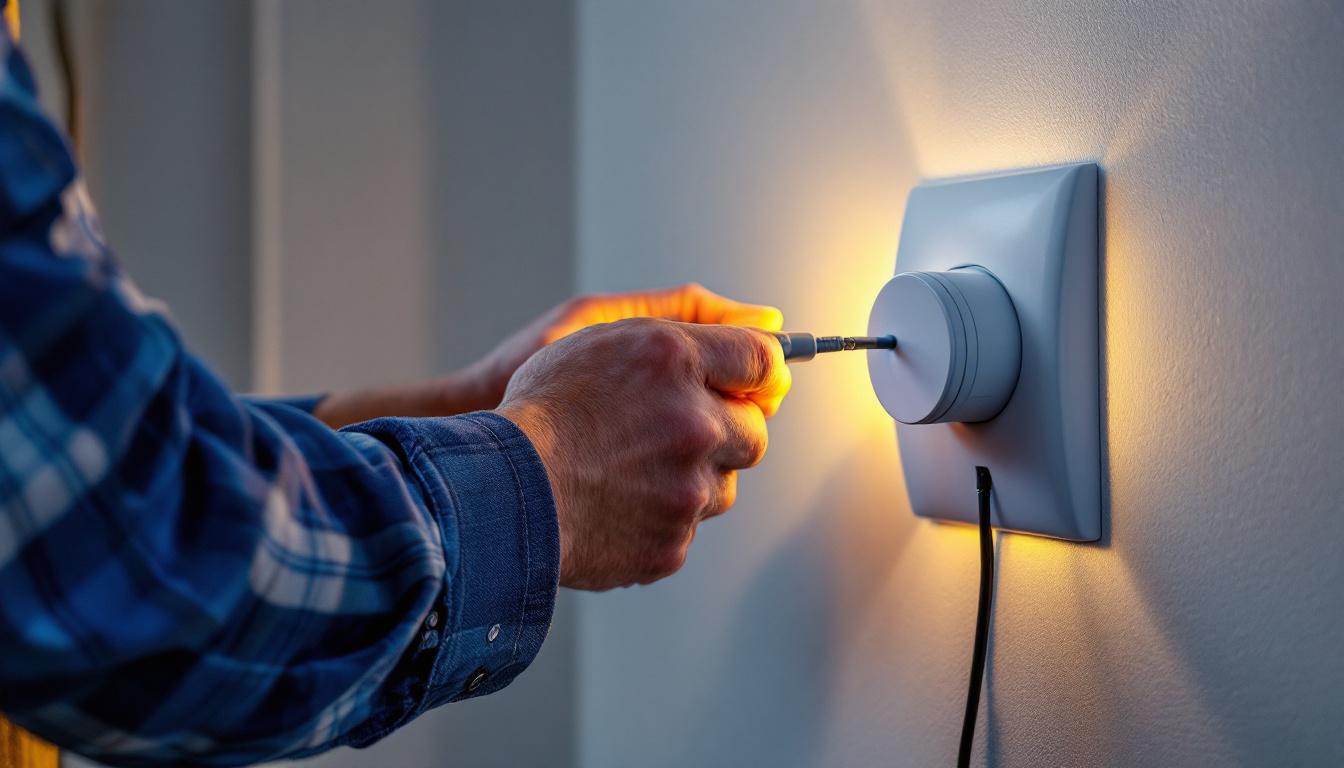
Mechanical timers are among the oldest and simplest forms of automated lighting control. They operate through a dial or wheel mechanism that is manually set to turn lights on and off at specific times. While they are relatively inexpensive and straightforward to install, their functionality is limited compared to modern alternatives.
Mechanical timers are still suitable for basic applications, such as outdoor lighting or seasonal decorations where simple on/off scheduling suffices. However, their lack of flexibility and precision makes them less ideal for more sophisticated lighting systems. Additionally, mechanical timers can be prone to wear and tear over time, leading to inaccuracies in timing, which may result in lights turning on or off at unintended moments. Despite these drawbacks, they remain a reliable choice for users who prioritize simplicity and cost-effectiveness in their lighting solutions.
Digital Timers
Digital timers offer greater accuracy and versatility. They allow multiple on/off settings, countdown functions, and sometimes even randomization to simulate occupancy. These features make digital timers popular in both residential and commercial installations.
Lighting contractors appreciate digital timers for their ease of programming and reliability. Many models come with backup batteries to retain settings during power outages, ensuring consistent operation without user intervention. Furthermore, digital timers often include features like daylight savings adjustments and holiday modes, making them ideal for users who want to automate their lighting without constant manual adjustments. This adaptability not only enhances convenience but also contributes to energy savings, as users can optimize their lighting schedules based on seasonal changes.
Smart Timers and Integration with Home Automation
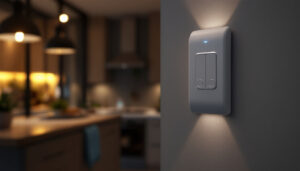
The latest evolution in timer technology is the smart timer, which integrates with Wi-Fi or other wireless protocols. These devices can be controlled remotely via smartphone apps, voice assistants, or centralized building management systems.
Smart timers provide unparalleled flexibility, allowing users to adjust schedules on the fly, monitor energy consumption, and create complex lighting scenes. For contractors, installing smart timers opens opportunities to offer value-added services and future-proof installations that appeal to tech-savvy clients. Additionally, many smart timers can be integrated with other smart home devices, such as motion sensors and security systems, to enhance overall home automation. This interconnectedness not only improves user experience but also allows for innovative features like geofencing, which can automatically turn lights on or off based on the homeowner’s location. As the demand for smart technology continues to grow, understanding these advanced timer systems will be crucial for contractors looking to stay competitive in the evolving lighting market.
Key Considerations for Lighting Contractors When Installing Timers
Successful implementation of timers requires careful attention to several technical and practical factors. Lighting contractors must ensure that the chosen timer is compatible with the existing electrical infrastructure and meets the specific needs of the project.
Compatibility with Lighting Loads
One of the most critical considerations is ensuring the timer can handle the type and wattage of the lighting load. Different lighting technologies, such as incandescent, LED, fluorescent, or HID, have varying electrical characteristics that affect timer performance.
For example, LED lights often require timers designed to handle low wattage and avoid flickering or premature failure. Lighting contractors should verify the timer’s specifications and, if necessary, consult manufacturers’ guidelines to ensure compatibility.
Installation Environment and Safety Standards
Timers may be installed indoors or outdoors, and the environment influences the choice of device. Outdoor timers must be weather-resistant and comply with relevant safety standards to withstand exposure to moisture, dust, and temperature fluctuations.
Additionally, lighting contractors must adhere to local electrical codes and regulations during installation. Proper grounding, circuit protection, and wiring practices are essential to ensure safety and reliability.
User Interface and Accessibility
Ease of use is a significant factor in client satisfaction. Timers with intuitive programming interfaces reduce the likelihood of user errors and minimize the need for ongoing support. For commercial clients, timers with centralized control capabilities can simplify management across multiple lighting zones.
Contractors should also consider accessibility features for clients with special needs, such as large displays, tactile buttons, or voice control compatibility, enhancing the overall user experience.
Benefits of Offering Timer Solutions to Clients
Lighting contractors who incorporate timer solutions into their service offerings can differentiate themselves in a competitive market. Timers provide tangible benefits that resonate with a wide range of clients, from homeowners to facility managers.
Energy Savings and Cost Reduction
As previously noted, timers contribute significantly to reducing unnecessary energy consumption. This translates into lower operational costs for clients, a compelling selling point that contractors can highlight during consultations.
Moreover, many utility companies offer rebates or incentives for installing energy-efficient lighting controls, including timers. Contractors who are knowledgeable about these programs can assist clients in maximizing financial benefits.
Enhanced Security and Convenience
Timers can simulate occupancy by turning lights on and off at preset intervals, deterring potential intruders. This is particularly valuable for residential clients or businesses with irregular operating hours.
From a convenience perspective, automated lighting eliminates the need for manual switching, improving the user experience. This is especially beneficial in large facilities or outdoor areas where manual control is impractical.
Supporting Sustainability Goals
With growing awareness of environmental impact, many clients prioritize sustainable building practices. Installing timers aligns with green building certifications and corporate social responsibility initiatives, adding value to the contractor’s portfolio.
By promoting timer solutions, contractors contribute to broader efforts to reduce carbon footprints and promote responsible energy use.
Challenges and Solutions in Timer Installation
While timers offer many advantages, lighting contractors may encounter challenges during specification, installation, or maintenance. Anticipating these issues and preparing solutions ensures smooth project delivery and client satisfaction.
Addressing Compatibility Issues
In some cases, existing lighting systems may not be compatible with certain timers, especially when retrofitting older installations. Contractors should conduct thorough assessments before recommending timers and consider alternatives such as relay modules or specialized controllers.
Managing Client Expectations
Clients may have varying levels of understanding regarding timer functionality. Clear communication about capabilities, limitations, and programming requirements helps set realistic expectations and reduces potential frustration.
Providing user manuals, training sessions, or follow-up support can enhance client confidence and satisfaction.
Ensuring Reliable Operation
Power outages, wiring faults, or environmental factors can affect timer performance. Selecting high-quality products with backup power options and robust construction mitigates these risks.
Regular maintenance and periodic testing are also recommended to ensure long-term reliability, particularly in commercial or industrial settings.
Conclusion: Embracing Timers as a Standard in Lighting Installations
Timers for light switches represent a fundamental element in modern lighting design and control. For lighting contractors, mastering the selection, installation, and support of timer solutions is essential to meet client demands for efficiency, convenience, and security.
By integrating timers into their offerings, contractors not only enhance the value of their services but also contribute positively to energy conservation and sustainability efforts. Staying informed about the latest timer technologies and best practices will position contractors as trusted experts in the evolving lighting industry.
Get Your Timers from LumenWholesale Today
Ready to elevate your lighting installations with cutting-edge timer solutions? Look no further than LumenWholesale, where we provide lighting contractors with the highest quality, spec-grade lighting products at unbeatable wholesale prices. Our selection of timers is designed to meet the most rigorous industry standards, ensuring you deliver efficiency, convenience, and security to your clients. With free shipping on bulk orders, LumenWholesale is your go-to source for premium lighting without the premium price tag. Don’t compromise on quality or value—explore our wholesale lighting options and make the smart choice for your next project.