In the ever-evolving world of lighting technology, LED solutions have become increasingly popular, especially in functional spaces like laundry rooms. For lighting contractors, understanding the nuances of LED laundry room lighting is essential for providing clients with optimal solutions. This article will delve into the key aspects of LED lighting in laundry rooms, from selection to installation, ensuring that contractors are well-equipped to meet their clients’ needs.
Understanding LED Technology
What Makes LEDs Different?
LEDs, or Light Emitting Diodes, are semiconductor devices that emit light when an electric current passes through them. Unlike traditional incandescent bulbs, which produce light through heat, LEDs are much more efficient, consuming significantly less energy and generating less heat. This efficiency translates into lower electricity bills and a reduced environmental footprint, making them a preferred choice for modern lighting solutions.
Moreover, LEDs have a lifespan that far exceeds that of traditional bulbs. While incandescent bulbs may last about 1,000 hours, LEDs can last anywhere from 15,000 to 50,000 hours, depending on the quality and usage. This longevity not only reduces the frequency of replacements but also minimizes waste, aligning with the growing trend towards sustainability in home design. Additionally, the durability of LEDs means they are less prone to breakage, making them ideal for high-traffic areas or environments where lighting fixtures may be exposed to moisture or dust, such as laundry rooms and garages.
Color Temperature and Brightness
When selecting LED lights for a laundry room, color temperature and brightness are crucial factors. Color temperature, measured in Kelvin (K), affects the ambiance of the space. For laundry rooms, a cooler color temperature (around 4000K to 5000K) is often recommended as it mimics daylight, enhancing visibility and making it easier to see stains and colors accurately. This daylight-like quality not only aids in the practical aspects of laundry tasks but can also create a more inviting atmosphere, transforming the laundry room from a utilitarian space into a more pleasant environment.
Brightness, measured in lumens, is equally important. A laundry room typically requires bright lighting to ensure tasks can be completed efficiently. Contractors should aim for a minimum of 300 lumens per square meter to ensure adequate illumination, but this may vary based on the specific needs of the space and the preferences of the homeowner. For instance, if the laundry room also serves as a multi-functional space, such as a craft area or a mudroom, additional brightness may be necessary to accommodate those activities. Furthermore, the use of dimmable LED fixtures can provide flexibility, allowing homeowners to adjust the lighting according to the task at hand, whether it’s sorting clothes or folding laundry.
Choosing the Right Fixtures
Types of LED Fixtures
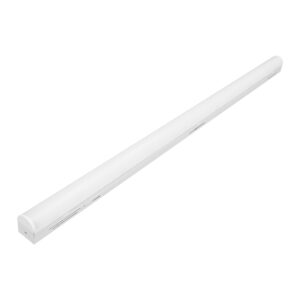
When it comes to selecting LED fixtures for laundry rooms, there are several options available. Recessed lighting is a popular choice, providing a clean and modern look while ensuring that the light is evenly distributed throughout the space. Surface-mounted fixtures are another option, offering flexibility in installation and often coming in various styles to match the laundry room’s decor. These fixtures can be particularly beneficial in spaces with lower ceilings, where recessed lighting might not be feasible.
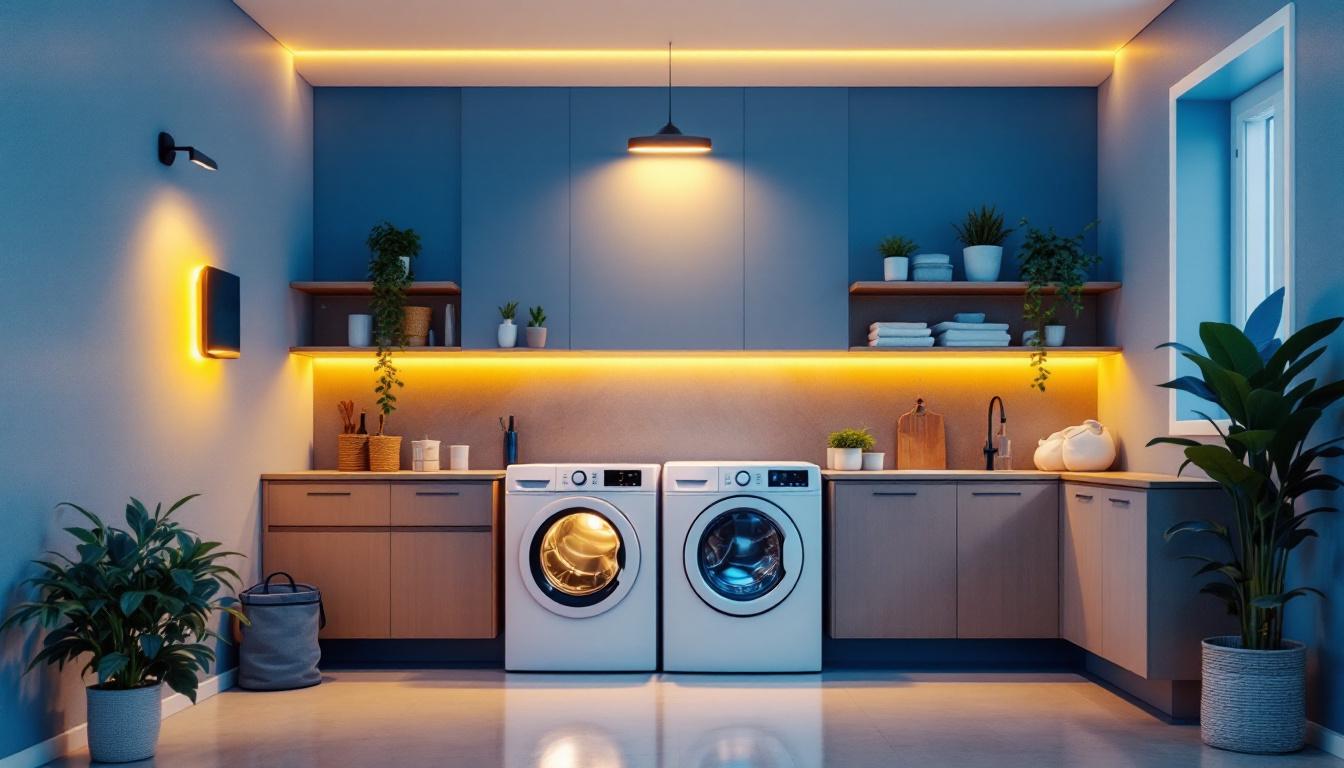
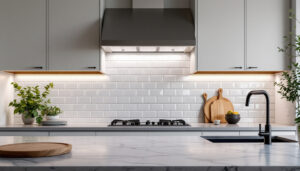
Additionally, LED strip lights can be an effective solution for under-cabinet or shelving illumination, providing a functional and aesthetically pleasing touch. These strips can highlight specific areas, making it easier to locate items in the laundry room. They can also be used creatively to accentuate architectural features or to create a warm ambiance, especially when paired with dimmable options. For those looking to enhance the overall aesthetic, decorative pendant lights can also be incorporated, adding a stylish flair while ensuring adequate lighting for tasks.
Energy Efficiency Ratings
Understanding energy efficiency ratings is essential for lighting contractors. The Energy Star certification is a reliable indicator of a product’s energy efficiency. Products bearing this label meet strict energy efficiency guidelines set by the Environmental Protection Agency. By recommending Energy Star-rated LED fixtures, contractors can help homeowners save on energy costs while contributing to a more sustainable environment. In addition to Energy Star, other certifications such as the Lighting Facts label provide valuable information about brightness, energy use, and lifespan, allowing consumers to make well-informed choices.
Moreover, it’s important to consider the wattage of the LED fixtures. Lower wattage does not necessarily mean lower brightness, thanks to the efficiency of LED technology. Ensuring that clients understand this can help them make informed decisions that align with their energy-saving goals. Furthermore, educating clients on the long lifespan of LED lights—often exceeding 25,000 hours—can also be a selling point, as it reduces the frequency of replacements and maintenance. This longevity, combined with the reduced energy consumption, makes LED fixtures not only an environmentally friendly choice but also a cost-effective one in the long run.
Installation Considerations
Wiring and Electrical Requirements
Proper installation of LED fixtures requires a solid understanding of wiring and electrical requirements. Most LED fixtures operate on standard voltage, but it’s crucial to check the specifications of each product. Additionally, some LED lights are compatible with dimmer switches, while others are not. Contractors should ensure that the dimmers used are specifically designed for LED technology to prevent flickering or reduced lifespan.
Furthermore, when installing recessed lighting, proper spacing is vital. A general rule of thumb is to space fixtures about 4 to 6 feet apart, depending on the brightness of the LEDs and the size of the laundry room. This spacing ensures even light distribution, minimizing dark spots and shadows. It’s also important to consider the layout of the room and the placement of appliances, as this can affect how light is perceived in the space. For instance, placing fixtures directly above work areas can enhance visibility, making laundry tasks more efficient and less cumbersome.
Ventilation and Heat Management
While LEDs generate less heat than traditional bulbs, proper ventilation is still essential, especially in a laundry room where appliances may produce additional heat and humidity. Ensuring that fixtures are installed in well-ventilated areas can help prolong their lifespan and maintain optimal performance. Contractors should also consider using fixtures with built-in heat sinks to dissipate any excess heat effectively. Moreover, integrating exhaust fans or vents can further aid in managing humidity levels, which is crucial in preventing mold and mildew growth that can compromise both the fixtures and the laundry room’s overall environment.
In addition to ventilation, the choice of materials used in the fixtures can impact heat management. For example, aluminum fixtures tend to dissipate heat more efficiently than plastic ones, making them a better choice for environments that experience higher temperatures. Additionally, selecting LED fixtures with a higher IP rating can provide extra protection against moisture, ensuring that the lights remain functional and safe even in a humid laundry room setting. By taking these factors into account, contractors can create a well-lit, safe, and efficient laundry space that meets the needs of homeowners.
Design Trends in Laundry Room Lighting
Creating a Functional Yet Stylish Space
Modern laundry rooms have evolved from purely utilitarian spaces to multifunctional areas that can include storage, folding stations, and even ironing boards. As such, the lighting design must balance functionality with aesthetics. Contractors should work closely with homeowners to understand their design preferences and incorporate lighting solutions that enhance the overall look of the space.
For instance, pendant lights can add a touch of elegance, while track lighting can provide flexibility in directing light where it’s needed most. Incorporating dimmable options allows homeowners to adjust the brightness based on the task at hand, further enhancing the functionality of the space.
Smart Lighting Solutions
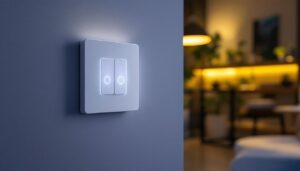
As smart home technology continues to gain traction, integrating smart lighting solutions into laundry rooms is becoming increasingly popular. Smart LED bulbs can be controlled via smartphone apps or voice-activated assistants, allowing homeowners to adjust lighting settings remotely. This feature is particularly useful for busy households where multitasking is common.
Additionally, smart lighting systems can be programmed to turn on or off at specific times, ensuring that the laundry room is always well-lit when needed. For contractors, being knowledgeable about these smart solutions can set them apart from competitors and cater to the growing demand for intelligent home systems.
Maintenance and Troubleshooting
Ensuring Longevity of LED Fixtures
One of the significant advantages of LED lighting is its low maintenance requirements. However, regular checks can help ensure that fixtures remain in optimal condition. Dust and debris can accumulate on fixtures, reducing their efficiency and brightness. Contractors should advise homeowners on the best practices for cleaning LED fixtures, which typically involve using a soft, dry cloth to wipe down surfaces without damaging the components.
Additionally, if homeowners experience flickering lights or reduced brightness, it may indicate an issue with the fixture or the electrical supply. Contractors should be prepared to troubleshoot these problems, checking for loose connections, faulty dimmers, or incompatible fixtures.
Handling Warranty and Replacement Issues
LED fixtures often come with warranties that can range from a few years to a lifetime, depending on the manufacturer. Contractors should familiarize themselves with the warranty terms and conditions to assist clients effectively in case of any issues. Understanding how to navigate warranty claims can save homeowners time and money, reinforcing the contractor’s value as a knowledgeable professional.
In cases where a fixture needs replacement, contractors should ensure that the new product matches the specifications of the original to maintain consistency in lighting quality and design. This attention to detail can significantly enhance customer satisfaction.
Conclusion
LED lighting has transformed the way laundry rooms are illuminated, offering energy efficiency, longevity, and design flexibility. For lighting contractors, understanding the intricacies of LED technology, fixture selection, installation considerations, and maintenance is crucial for delivering exceptional service to clients.
By staying informed about the latest trends and advancements in LED technology, contractors can not only enhance their expertise but also provide homeowners with tailored solutions that meet their specific needs. As the demand for energy-efficient and stylish lighting continues to grow, being equipped with the right knowledge will ensure that lighting contractors remain at the forefront of the industry.
Illuminate Your Projects with LumenWholesale
Ready to elevate your lighting game in laundry rooms and beyond? At LumenWholesale, we provide lighting contractors with the highest quality LED solutions at unbeatable wholesale prices. Say goodbye to local distributor markups and hello to our spec-grade products that meet the highest industry standards. With our hassle-free bulk buying and free shipping, you can trust that you’re getting premium lighting at the best value — every time. Don’t compromise on quality or cost. Discover wholesale lighting at the best value today and light up your clients’ spaces with confidence and convenience.