LED Lamp For Growing Plants: The Missing Piece in Many Lighting Projects
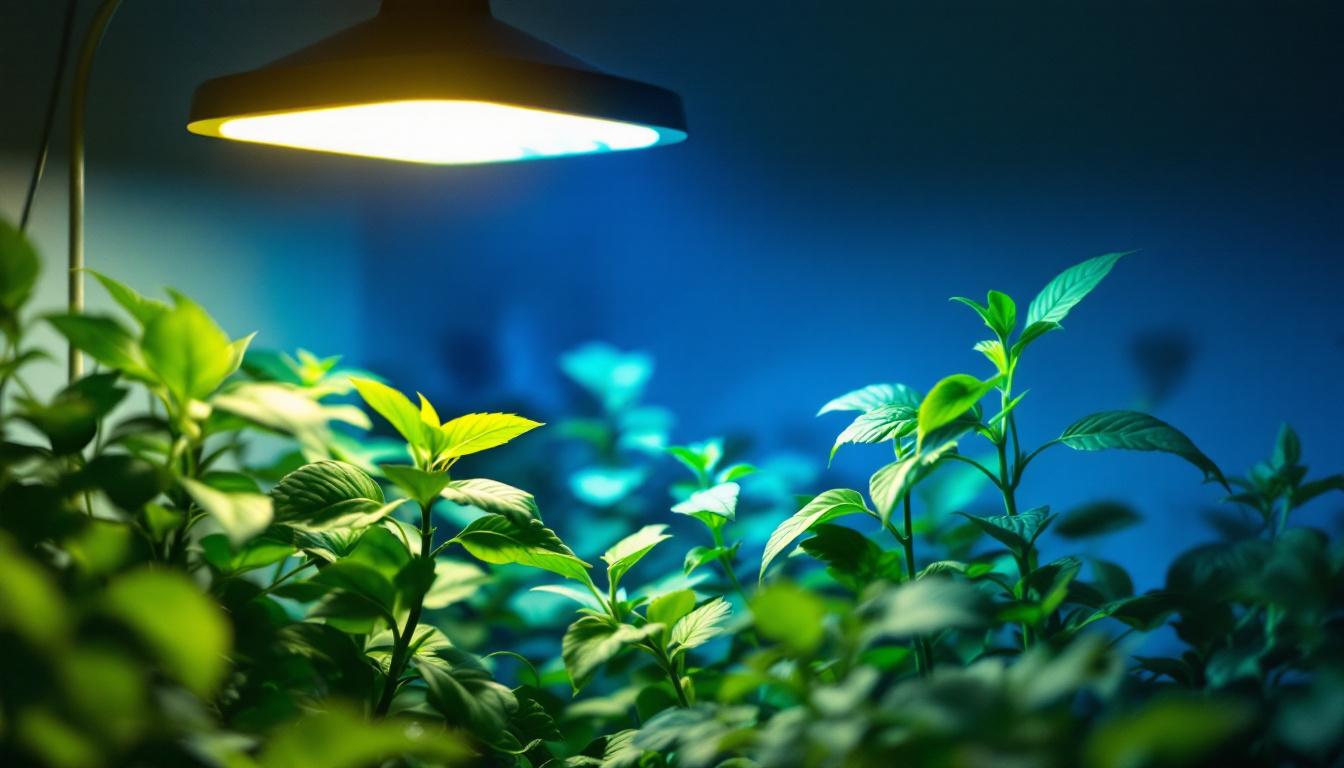
In the realm of horticulture and indoor gardening, the importance of proper lighting cannot be overstated. As lighting contractors explore innovative solutions for their clients, LED lamps designed specifically for plant growth are increasingly recognized as a vital component. This article delves into the significance of LED lamps in plant cultivation, their advantages over traditional lighting methods, and how they can enhance various lighting projects.
The Role of Light in Plant Growth
Plants rely on light as a primary energy source for photosynthesis, the process through which they convert light energy into chemical energy. This energy is essential for growth, flowering, and fruiting. Understanding the spectrum of light that plants require is crucial for any lighting contractor aiming to provide effective solutions for their clients. The relationship between light and plant health is not merely a matter of brightness; it encompasses a complex interplay of wavelengths, intensities, and durations that can significantly affect plant physiology and productivity.
Photosynthesis and Light Spectrum
Photosynthesis occurs primarily in the chloroplasts of plant cells, where chlorophyll absorbs light most efficiently in the blue (400-500 nm) and red (600-700 nm) wavelengths. While plants can utilize other wavelengths, these two ranges are critical for promoting healthy growth. LED lamps designed for plant growth are engineered to emit light in these specific wavelengths, ensuring that plants receive the optimal light needed for photosynthesis. Interestingly, recent studies have also highlighted the role of far-red light (700-800 nm) in regulating plant growth and development, particularly in terms of shade avoidance and flowering time. This suggests that a broader spectrum of light may be beneficial in certain contexts, allowing for more nuanced approaches to indoor and greenhouse cultivation.
Light Intensity and Duration
Beyond the spectrum, the intensity and duration of light exposure also play significant roles in plant development. Different species of plants have varying light requirements, with some thriving under high-intensity light while others prefer lower levels. Additionally, the photoperiod, or the duration of light exposure, influences flowering and fruiting cycles. LED grow lights can be adjusted to meet these specific needs, providing a tailored lighting solution for diverse horticultural applications. For instance, short-day plants, such as chrysanthemums and poinsettias, require less light to trigger flowering, while long-day plants, like spinach and lettuce, thrive with extended light periods. Understanding these nuances allows growers to optimize their lighting strategies, enhancing yield and quality while minimizing energy consumption.
Moreover, the positioning of light sources can also impact plant growth. The angle at which light hits the leaves can affect how much light is absorbed, with direct overhead lighting often being the most effective. However, using reflective surfaces or strategically placed supplemental lighting can help distribute light more evenly across the plant canopy, ensuring that lower leaves receive adequate light for photosynthesis. This is particularly important in dense plantings or vertical farming systems, where competition for light can be fierce. By carefully considering both light intensity and placement, growers can create an environment that maximizes photosynthetic efficiency and promotes robust plant health.
Advantages of LED Grow Lights
LED grow lights have gained popularity among lighting contractors and horticulturists alike due to their numerous advantages over traditional lighting systems. These benefits not only enhance plant growth but also contribute to energy efficiency and cost savings.
Energy Efficiency
One of the most significant advantages of LED grow lights is their energy efficiency. Compared to incandescent or fluorescent bulbs, LEDs consume significantly less power while providing the same or greater light output. This efficiency translates into lower electricity bills, making them an attractive option for both commercial growers and hobbyists.
Longevity and Durability
LED lamps boast an impressive lifespan, often exceeding 25,000 hours of use. This longevity reduces the frequency of replacements, leading to lower maintenance costs over time. Additionally, LEDs are more durable than traditional bulbs, as they are less prone to breakage and can withstand varying environmental conditions. This resilience makes them ideal for both indoor and outdoor applications.
Heat Management
Excess heat can be detrimental to plant health, leading to stress and reduced growth. LED grow lights produce significantly less heat compared to traditional lighting options, allowing for closer placement to plants without the risk of overheating. This feature not only promotes healthier growth but also reduces the need for additional cooling systems in indoor gardens or greenhouses.
Applications of LED Grow Lights
LED grow lights are versatile and can be used in a variety of settings, from small home gardens to large commercial operations. Understanding the different applications can help lighting contractors recommend the most suitable solutions for their clients.
Indoor Gardening
For urban dwellers or those with limited outdoor space, indoor gardening has become a popular trend. LED grow lights provide the necessary illumination for growing herbs, vegetables, and ornamental plants indoors. With adjustable settings, these lights can mimic natural sunlight, allowing plants to thrive regardless of external conditions.
Greenhouses
In greenhouse environments, LED grow lights can supplement natural sunlight, particularly during the shorter days of winter. By providing consistent light levels, these lamps can enhance plant growth and extend the growing season. Additionally, the ability to customize light spectra allows growers to optimize conditions for specific crops, leading to higher yields and improved quality.
Commercial Horticulture
For commercial growers, the efficiency and effectiveness of LED grow lights can significantly impact profitability. By maximizing growth rates and minimizing energy costs, these lights can contribute to a more sustainable business model. Moreover, as consumer demand for locally sourced produce increases, the ability to grow high-quality plants year-round becomes a competitive advantage.
Choosing the Right LED Grow Light
Selecting the appropriate LED grow light involves considering several factors, including the type of plants being cultivated, the size of the growing area, and the specific growth stages of the plants. Lighting contractors must be equipped with knowledge about these variables to provide the best recommendations.
Type of Plants
Different plants have unique lighting requirements. For instance, leafy greens may require less intense light compared to flowering plants or fruiting crops. Understanding the specific needs of the plants being grown will guide the selection of the right LED grow light, ensuring optimal growth and productivity.
Size of the Growing Area
The size of the growing area is another critical factor. Larger spaces may require multiple LED fixtures to ensure even light distribution, while smaller setups might benefit from compact, high-output lamps. Additionally, the layout of the growing area can influence the placement and type of lighting used, necessitating a tailored approach for each project.
Growth Stages
Plants go through various growth stages, each with distinct lighting needs. Seedlings, for example, require lower light levels to prevent stress, while mature plants benefit from higher intensity. LED grow lights that offer adjustable settings or different spectrums can accommodate these changing needs, making them a versatile choice for any grower.
Integrating LED Grow Lights into Lighting Projects
For lighting contractors, integrating LED grow lights into existing projects can enhance the overall functionality and appeal of the installation. This integration requires careful planning and consideration of various factors to ensure a seamless implementation.
Assessing Client Needs
Before recommending LED grow lights, it is essential to assess the client’s specific needs. Understanding their goals, the types of plants they wish to grow, and the available space will help in selecting the most suitable lighting solutions. Engaging in a thorough consultation can lead to tailored recommendations that meet the client’s expectations.
Designing the Lighting Layout
Once the appropriate LED grow lights have been selected, designing the layout becomes crucial. Proper placement of lights ensures even coverage and maximizes their effectiveness. Considerations such as height, angle, and distance from plants should be taken into account to create an optimal growing environment.
Educating Clients on Usage
After installation, educating clients on the proper usage of LED grow lights is essential for achieving the best results. Providing guidance on adjusting light intensity, duration, and spectrum based on plant growth stages can empower clients to make informed decisions and optimize their growing conditions.
The Future of LED Grow Lights
The future of LED grow lights looks promising, with ongoing advancements in technology and research. As the demand for sustainable and efficient horticultural practices continues to rise, LED lighting solutions are likely to play a pivotal role in shaping the industry.
Technological Innovations
Emerging technologies, such as smart lighting systems and automated controls, are enhancing the functionality of LED grow lights. These innovations allow for precise control over light conditions, enabling growers to create tailored environments that respond to real-time data. As these technologies become more accessible, they will further revolutionize the way plants are cultivated.
Sustainability Considerations
As environmental concerns grow, the horticultural industry is increasingly focusing on sustainable practices. LED grow lights align with these values by reducing energy consumption and minimizing waste. Additionally, advancements in recycling and disposal methods for LED products will contribute to a more sustainable future for lighting solutions.
Expanding Market Opportunities
The market for LED grow lights is expanding, driven by the increasing popularity of indoor gardening, urban farming, and sustainable agriculture. Lighting contractors who embrace this trend and incorporate LED solutions into their projects will position themselves as leaders in the industry, catering to a growing clientele seeking innovative and effective lighting solutions.
Conclusion
In summary, LED lamps designed for growing plants represent a crucial element in many lighting projects. Their energy efficiency, longevity, and versatility make them an ideal choice for various horticultural applications. As lighting contractors continue to explore innovative solutions, understanding the benefits and applications of LED grow lights will empower them to provide exceptional service to their clients. By integrating these advanced lighting solutions into their projects, contractors can contribute to a more sustainable and productive future in horticulture.
Illuminate Your Projects with LumenWholesale
Ready to elevate your lighting projects with the most efficient and sustainable LED grow lights on the market? Look no further than LumenWholesale, where we provide contractors with exceptional, spec-grade lighting solutions at unbeatable wholesale prices. Say goodbye to inflated markups and hello to premium lighting that meets the highest industry standards. With free shipping on bulk orders, LumenWholesale is your go-to source for quality and affordability. Don’t compromise on your lighting needs—choose LumenWholesale for the best value. Wholesale Lighting at the Best Value is just a click away.