Recessed lighting has become a staple in modern interior design, offering a sleek and unobtrusive way to illuminate spaces. For lighting contractors, understanding the nuances of recessed lights is crucial for delivering exceptional service and ensuring client satisfaction. This article delves into six key aspects that distinguish top lighting contractors in the field of recessed lighting.
1. Understanding Different Types of Recessed Lights
Recessed lights come in various types, each serving unique purposes. Knowledge of these types allows contractors to recommend the best options to clients based on their specific needs.
1.1. General Lighting
General lighting, often referred to as ambient lighting, provides overall illumination for a space. It is essential for creating a comfortable environment. Top contractors know how to strategically place these lights to eliminate shadows and ensure even light distribution. The choice of bulb type, whether LED, incandescent, or fluorescent, can significantly impact the quality of general lighting. For instance, LED bulbs are energy-efficient and have a longer lifespan, making them a popular choice for modern homes. Additionally, dimmable options can enhance versatility, allowing homeowners to adjust the brightness according to the time of day or activity.
1.2. Task Lighting
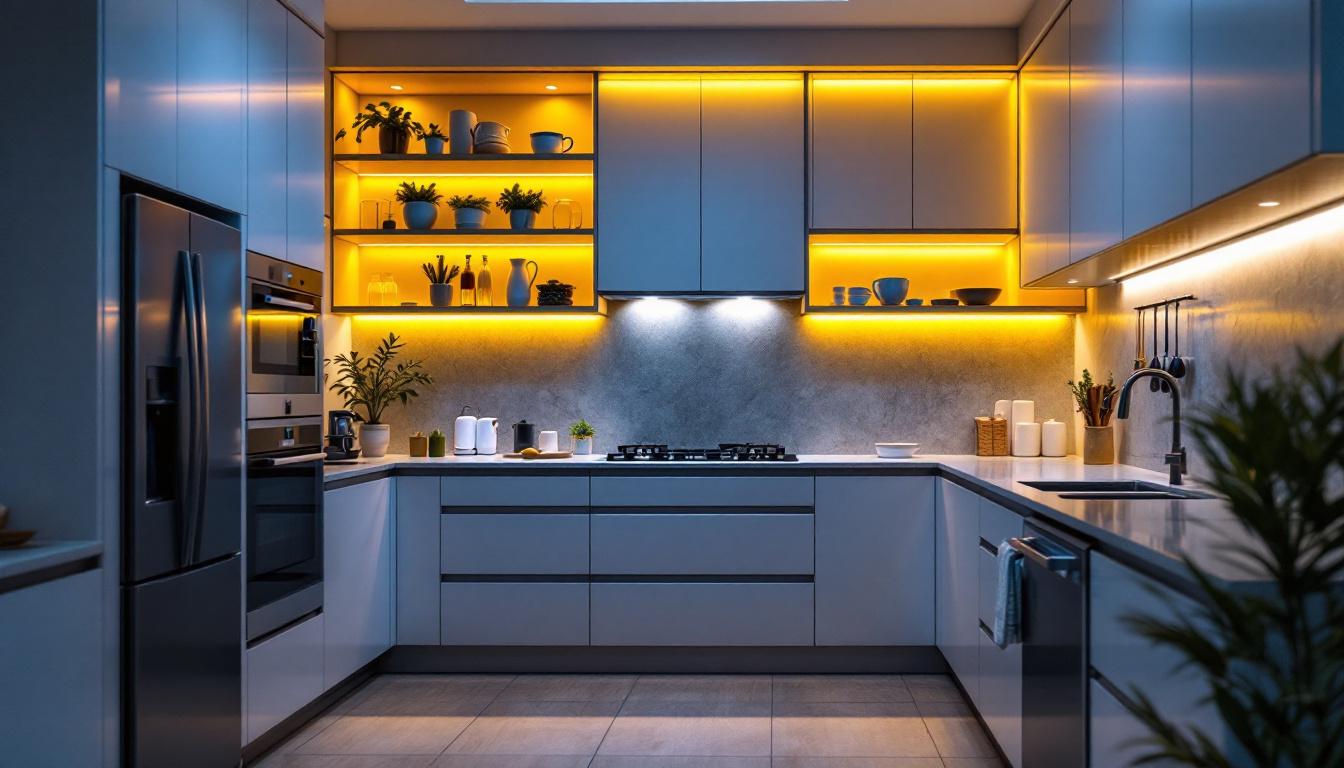
Task lighting focuses on specific areas where activities such as reading, cooking, or working are performed. Understanding the importance of task lighting helps contractors design spaces that enhance functionality and convenience. For example, in a kitchen, under-cabinet recessed lights can illuminate countertops, making food preparation safer and more efficient. Similarly, in a home office, recessed lights can be installed above the desk to provide direct light for tasks such as writing or using a computer. The color temperature of the bulbs also plays a crucial role; cooler tones can help improve concentration, while warmer tones create a more relaxed atmosphere.
1.3. Accent Lighting
Accent lighting is used to highlight specific features, such as artwork or architectural details. Skilled contractors can create dramatic effects by positioning recessed lights to draw attention to these focal points, adding depth and character to the space. The intensity and angle of the light can dramatically change the perception of a room. For instance, a well-placed recessed light can create shadows that enhance the texture of a sculpture or painting, making it a stunning focal point. Furthermore, using adjustable fixtures allows homeowners to change the direction of the light as their decor evolves, providing a dynamic way to refresh the look of their space without major renovations.
2. Expertise in Lighting Design
Lighting design is an art that requires a keen eye and an understanding of how light interacts with various surfaces. Top lighting contractors excel in this area, ensuring that every project is not only functional but also aesthetically pleasing. They possess a deep knowledge of the physics of light, which allows them to manipulate brightness, shadows, and color to enhance the architectural features of a space. This expertise is crucial in creating environments that not only serve their intended purpose but also evoke specific emotions and experiences.
2.1. Layering Light
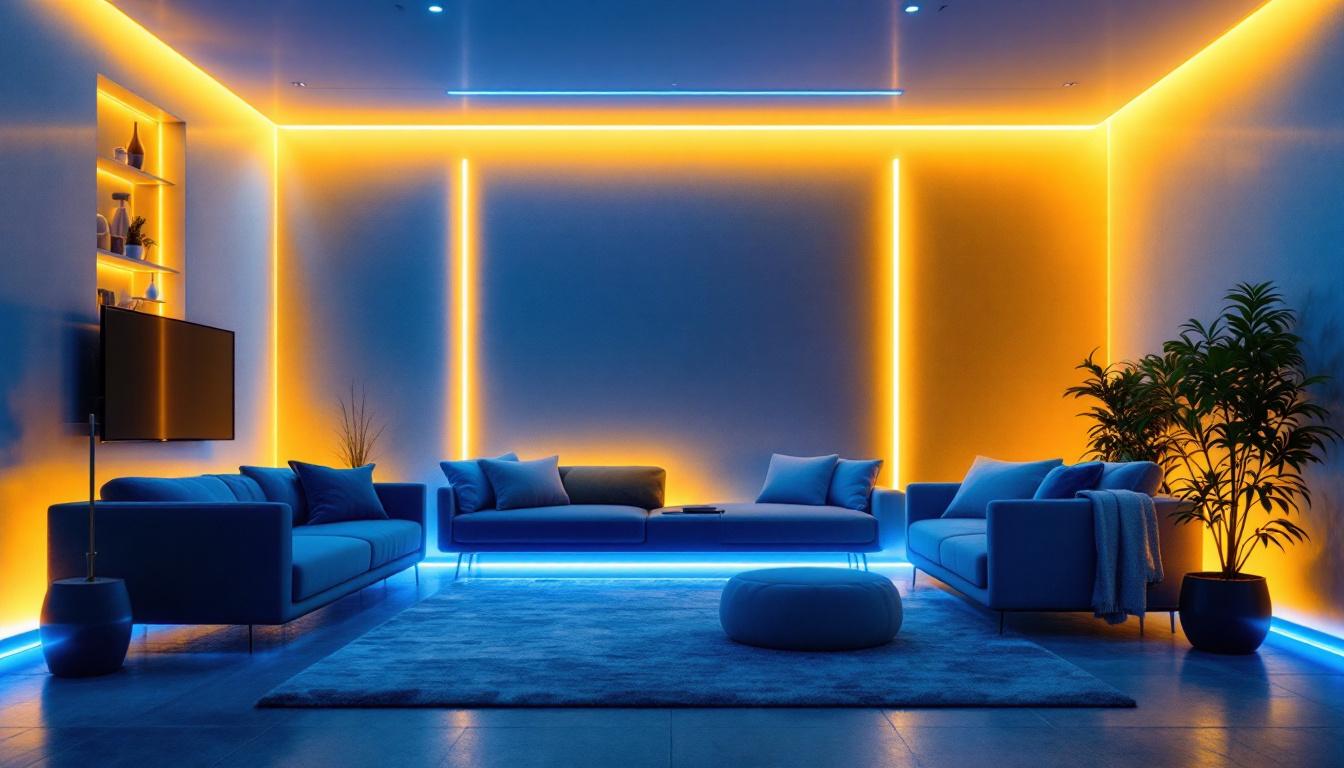
Effective lighting design involves layering different types of light to create a balanced atmosphere. This technique combines ambient, task, and accent lighting, allowing contractors to craft spaces that feel warm and inviting. Ambient lighting provides the overall illumination needed for a room, while task lighting focuses on specific areas where activities such as reading or cooking take place. Accent lighting, on the other hand, highlights particular features, such as artwork or architectural details, adding depth and interest to the design. By thoughtfully integrating these layers, lighting contractors can transform a mundane space into a dynamic environment that adapts to the needs of its occupants throughout the day.
2.2. Color Temperature Considerations
The color temperature of recessed lights can significantly impact the mood of a space. Contractors who are knowledgeable about color temperature can guide clients in selecting the right bulbs, ensuring the lighting complements the overall design. For instance, warmer color temperatures (around 2700K to 3000K) create a cozy and inviting atmosphere, making them ideal for living rooms and bedrooms. In contrast, cooler temperatures (above 4000K) produce a more energizing effect, suitable for workspaces and kitchens. Additionally, the use of dimmers can further enhance the versatility of lighting, allowing for adjustments that cater to different activities and times of day. This nuanced approach to color temperature not only enhances functionality but also plays a critical role in setting the desired ambiance for any space.
3. Knowledge of Energy Efficiency
As energy efficiency becomes increasingly important, top lighting contractors stay informed about the latest technologies and practices. This knowledge not only benefits the environment but also helps clients save on energy costs. By understanding the nuances of energy consumption, contractors can guide their clients toward solutions that reduce waste and promote sustainability. This proactive approach not only enhances the contractor’s reputation but also fosters long-term relationships with clients who appreciate their commitment to eco-friendly practices.
3.1. LED Technology
LED recessed lights are a popular choice due to their energy efficiency and longevity. Contractors who understand the advantages of LED technology can recommend these options, providing clients with sustainable solutions that do not compromise on quality. Moreover, the versatility of LED lights allows for a wide range of color temperatures and brightness levels, enabling homeowners to create the perfect ambiance for any room. With advancements in LED technology, such as tunable white and color-changing options, contractors can offer innovative solutions that enhance both aesthetics and functionality.
3.2. Smart Lighting Solutions
Smart lighting systems allow for greater control over lighting settings, including dimming and scheduling. Top contractors are adept at integrating these systems into recessed lighting designs, offering clients enhanced convenience and customization. These systems can be controlled remotely via smartphones or voice-activated devices, making it easier for homeowners to adjust their lighting according to their daily routines. Additionally, smart lighting can be programmed to mimic natural daylight patterns, promoting better sleep and overall well-being. As energy efficiency continues to evolve, the integration of smart technology into lighting solutions represents a significant step forward in creating homes that are not only energy-conscious but also tailored to individual lifestyles.
4. Attention to Detail in Installation
The installation process is a critical factor that sets top lighting contractors apart. Attention to detail ensures that recessed lights are not only functional but also seamlessly integrated into the design of the space. A meticulous approach to installation can transform a room, enhancing its aesthetic appeal and functionality. This level of care is what distinguishes a professional installation from a DIY effort, where the nuances of light placement and integration often go unnoticed.
4.1. Proper Placement
Correct placement of recessed lights can make or break a lighting design. Skilled contractors take the time to plan the layout, ensuring that lights are positioned to achieve the desired effect without causing glare or uneven lighting. They often use advanced tools and techniques, such as mock-ups or lighting simulations, to visualize how the light will interact with the space before making any permanent decisions. This foresight allows for adjustments to be made in real-time, ensuring that the final outcome is both visually appealing and functionally effective.
4.2. Consideration of Ceiling Height
Ceiling height plays a significant role in the effectiveness of recessed lighting. Contractors who consider this factor can provide tailored solutions that maximize the impact of the lights while maintaining a harmonious look. For instance, in rooms with higher ceilings, they may opt for fixtures with a wider beam angle to ensure light is distributed evenly across the space. Conversely, in lower ceilings, they might recommend fixtures that are more compact and less obtrusive, ensuring that the lighting enhances the room without overwhelming it. Additionally, the choice of trim and lens can further influence how the light is cast, allowing for a customized approach that caters to the specific needs of each room.
5. Strong Communication Skills
Effective communication is vital in any contractor-client relationship. Top lighting contractors excel in this area, ensuring that clients feel informed and involved throughout the process.
5.1. Understanding Client Needs
Taking the time to understand a client’s vision is essential for delivering satisfactory results. Top contractors ask the right questions and actively listen to client feedback, ensuring that the final design aligns with their expectations.
5.2. Educating Clients
Educating clients about the options available to them empowers them to make informed decisions. Top contractors take the initiative to explain the benefits and drawbacks of different lighting solutions, fostering trust and transparency.
6. Commitment to Ongoing Education
The lighting industry is continually evolving, with new technologies and design trends emerging regularly. Top lighting contractors demonstrate a commitment to ongoing education, ensuring they remain at the forefront of the field.
6.1. Staying Updated on Trends
Being aware of the latest trends in recessed lighting allows contractors to provide clients with innovative solutions that enhance their spaces. This knowledge can set a contractor apart in a competitive market.
6.2. Attending Workshops and Training
Participating in workshops and training sessions is an excellent way for contractors to expand their skill sets. Top professionals actively seek out opportunities to learn from industry leaders, ensuring they bring the best practices to their projects.
Conclusion
In the realm of recessed lighting, top contractors distinguish themselves through a combination of expertise, attention to detail, and a commitment to client satisfaction. By understanding the various types of recessed lights, mastering lighting design principles, and staying informed about energy efficiency, these professionals can create stunning and functional spaces. Strong communication skills and a dedication to ongoing education further enhance their ability to meet and exceed client expectations.
As the demand for recessed lighting continues to grow, lighting contractors who embody these qualities will not only thrive in their careers but also leave a lasting impact on the spaces they illuminate. Investing in knowledge and skills is the key to standing out in this dynamic industry.
Illuminate Your Projects with LumenWholesale
Ready to elevate your lighting projects with the expertise and quality that set you apart? At LumenWholesale, we support your commitment to excellence by providing spec-grade lighting products at unbeatable wholesale prices. Say goodbye to local distributor markups and hello to a vast selection of reliable, high-performance lighting that meets the highest industry standards. With free shipping on bulk orders, you can trust that you’re getting premium lighting at the best value — no hidden fees, no compromises. Wholesale Lighting at the Best Value is just a click away. Partner with LumenWholesale and bring unmatched quality and affordability to every space you illuminate.