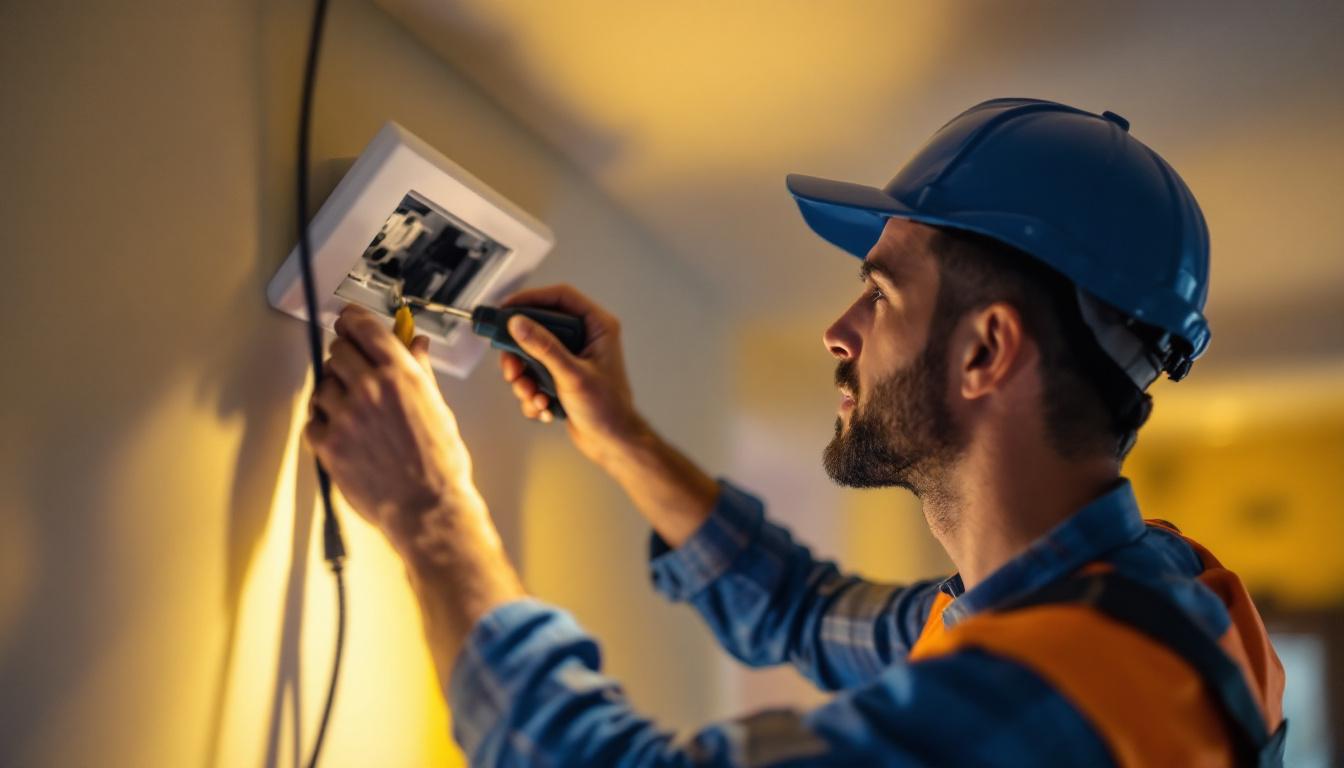
In the dynamic world of lighting installation and maintenance, understanding the nuances of electrical cover is crucial for contractors aiming to deliver safe and effective solutions. This article provides expert insights into the various aspects of electrical cover, tailored specifically for lighting contractors. From understanding regulations to choosing the right products, this guide will equip professionals with the knowledge needed to excel in their field.
Understanding Electrical Cover
Electrical cover refers to the protective measures and guidelines that ensure safety and compliance in electrical installations. For lighting contractors, this encompasses a range of practices, from selecting appropriate materials to adhering to local codes and regulations. The importance of electrical cover cannot be overstated, as it plays a vital role in preventing electrical hazards, such as short circuits and electrical fires, which can have devastating consequences for both property and lives.
It is essential for contractors to be well-versed in the types of electrical covers available, as well as the specific requirements that apply to different lighting projects. This knowledge not only helps in ensuring safety but also enhances the quality and longevity of installations. Furthermore, understanding the nuances of electrical cover can lead to more efficient project execution, as contractors can anticipate potential issues and address them proactively, ultimately saving time and resources.
Types of Electrical Covers
There are several types of electrical covers that contractors should be familiar with. These include covers for junction boxes, conduit fittings, and light fixtures. Each type serves a distinct purpose and is designed to protect electrical components from environmental factors, physical damage, and unauthorized access. Additionally, the choice of materials for these covers can significantly impact their effectiveness; for example, covers made from non-corrosive materials are essential in coastal areas where saltwater can accelerate deterioration.
For instance, junction box covers are critical in preventing accidental contact with live wires, while conduit fittings are designed to shield wiring from moisture and physical stress. Understanding these distinctions will enable contractors to select the appropriate covers for their specific applications. Moreover, the integration of smart technology into lighting systems has introduced new types of electrical covers that accommodate sensors and controls, further expanding the options available to contractors and enhancing the functionality of lighting installations.
Regulatory Compliance
Compliance with local and national electrical codes is non-negotiable for lighting contractors. These regulations are in place to ensure the safety of both the installation and the end-users. Familiarity with the National Electrical Code (NEC) and any local amendments is essential for contractors to avoid potential legal issues and ensure that their work meets safety standards. Additionally, many jurisdictions require inspections and permits, which necessitates that contractors maintain meticulous records of their work to demonstrate compliance.
Contractors should regularly review updates to these codes, as they can change based on technological advancements and safety findings. Staying informed will not only improve the quality of work but also enhance the contractor’s reputation in the industry. Engaging in continuing education courses and workshops can be beneficial, as these opportunities provide insights into emerging trends and best practices in electrical safety, thereby equipping contractors with the knowledge needed to navigate the complexities of modern electrical installations effectively.
Selecting the Right Electrical Cover
Choosing the right electrical cover is a critical decision that can impact the safety and effectiveness of a lighting installation. Factors to consider include the environment in which the installation will take place, the type of lighting being used, and the specific requirements of the project.
Contractors must assess the conditions of the installation site. For example, outdoor installations may require weather-resistant covers, while indoor settings might prioritize aesthetics alongside functionality. Understanding these needs helps in making informed decisions that align with both safety and design considerations. Additionally, it is essential to consider local building codes and regulations that may dictate specific requirements for electrical installations, ensuring compliance and reducing the risk of future complications.
Material Considerations
The materials used in electrical covers can significantly affect their performance. Common materials include plastic, metal, and rubber, each offering unique benefits and drawbacks. Plastic covers are lightweight and resistant to corrosion, making them suitable for various applications. However, they may not provide the same level of durability as metal covers, which offer enhanced protection against physical damage.
Rubber covers, on the other hand, are often used in environments where flexibility and insulation are paramount. Contractors should evaluate the specific demands of each project to determine the most suitable material for electrical covers. Furthermore, the choice of material can also influence the thermal management of electrical components, as some materials may dissipate heat more effectively than others, thereby prolonging the lifespan of the electrical system.
Design and Aesthetics
While safety and compliance are paramount, the aesthetic appeal of electrical covers should not be overlooked. In residential and commercial lighting projects, the visual integration of electrical components can greatly influence the overall design. Contractors should consider covers that complement the style of the lighting fixtures and the surrounding environment.
By selecting aesthetically pleasing covers, contractors can enhance the overall look of the installation, creating a seamless blend between functionality and design. This attention to detail can also lead to increased customer satisfaction and potential referrals. Moreover, innovative designs and finishes, such as matte or glossy options, can provide additional opportunities for customization, allowing contractors to cater to the specific tastes and preferences of their clients. The right design choices can transform a standard electrical installation into a standout feature, showcasing the contractor’s commitment to quality and style.
Best Practices for Installation
Proper installation of electrical covers is as important as selecting the right products. Adhering to best practices during installation can prevent issues down the line and ensure the longevity of the lighting systems. Neglecting proper installation techniques can lead to a range of problems, including overheating, electrical shorts, and even fire hazards, which can compromise both the safety and efficiency of the lighting systems.
Contractors should follow manufacturer guidelines closely, as these instructions are designed to optimize performance and safety. Additionally, ensuring that all covers are securely fastened and properly aligned can prevent accidental dislodging or damage during operation. It is also advisable to use the recommended tools and materials specified by the manufacturer, as these are often tested to meet safety and performance standards, further enhancing the reliability of the installation.
Safety Precautions
Safety should always be a top priority during installation. Contractors must take necessary precautions, such as wearing appropriate personal protective equipment (PPE) and ensuring that power is turned off before beginning work. This not only protects the contractor but also minimizes the risk of accidents during the installation process. In addition to PPE, it is wise to have a first aid kit readily available on-site and to ensure that all team members are trained in basic emergency response procedures.
Furthermore, conducting a thorough inspection of the installation area before and after installation can help identify potential hazards and ensure that all components are functioning correctly. This proactive approach is essential for maintaining a safe working environment. Engaging in regular safety meetings and encouraging open communication among team members can foster a culture of safety, where everyone feels responsible for looking out for one another and addressing any concerns that may arise during the installation process.
Testing and Quality Assurance
Once the installation is complete, conducting tests is crucial to ensure that all electrical covers are functioning as intended. This includes checking for proper sealing, alignment, and overall integrity of the covers. Quality assurance measures help identify any issues that may need to be addressed before the project is deemed complete. Additionally, it is beneficial to perform a load test to ensure that the covers can withstand the operational demands they will face, which can help prevent future failures.
Additionally, documenting the testing process can provide valuable insights for future projects and serve as a reference for any maintenance needs that may arise. This practice not only enhances the contractor’s credibility but also builds trust with clients. Maintaining a comprehensive log of installation and testing procedures can also assist in troubleshooting any issues that may occur later, ensuring that both contractors and clients have a clear understanding of the installation history and any actions taken to resolve problems. Regular follow-up with clients post-installation can also help in addressing any concerns and reinforcing the contractor’s commitment to quality service.
Staying Updated with Industry Trends
The electrical and lighting industry is constantly evolving, with new technologies and materials emerging regularly. For lighting contractors, staying updated with these trends is essential for maintaining a competitive edge and delivering the best possible service to clients.
Engaging in continuous education, attending industry conferences, and participating in professional organizations can provide valuable insights into the latest advancements in electrical cover and lighting solutions. By remaining informed, contractors can adapt their practices to meet changing demands and expectations.
Innovative Materials and Technologies
Recent advancements in materials and technologies have led to the development of more efficient and durable electrical covers. Innovations such as smart covers that integrate with home automation systems are becoming increasingly popular. These products not only enhance functionality but also appeal to tech-savvy consumers.
Contractors should explore these innovative options and consider how they can incorporate them into their projects. By offering cutting-edge solutions, contractors can differentiate themselves in a competitive market and attract a wider range of clients.
Networking and Collaboration
Building a network of contacts within the industry can provide contractors with valuable resources and insights. Collaborating with other professionals, such as architects, interior designers, and electrical engineers, can lead to new opportunities and enhance the overall quality of projects.
Participating in local trade shows and community events can also help contractors establish connections and stay informed about industry developments. These relationships can be instrumental in gaining referrals and expanding the contractor’s client base.
Conclusion
Electrical cover is a fundamental aspect of lighting installation that requires careful consideration and expertise. By understanding the types of covers available, adhering to regulatory compliance, and selecting the right materials, lighting contractors can ensure the safety and effectiveness of their projects.
Moreover, implementing best practices during installation and staying updated with industry trends will empower contractors to deliver high-quality services that meet the evolving needs of clients. In an industry that values innovation and safety, a commitment to excellence in electrical cover will undoubtedly pave the way for success.
Get Your Premium Lighting Supplies at LumenWholesale
Ready to elevate your lighting projects with the highest quality electrical covers and lighting products? Look no further than LumenWholesale for the best value in wholesale lighting. Our spec-grade selection is designed to meet the rigorous demands of your installations, ensuring safety, compliance, and aesthetic appeal. With LumenWholesale, you gain access to premium products at wholesale prices, free shipping on bulk orders, and the convenience of shopping without hidden fees. Make the smart choice for your business and experience the unbeatable combination of quality, affordability, and service with LumenWholesale.