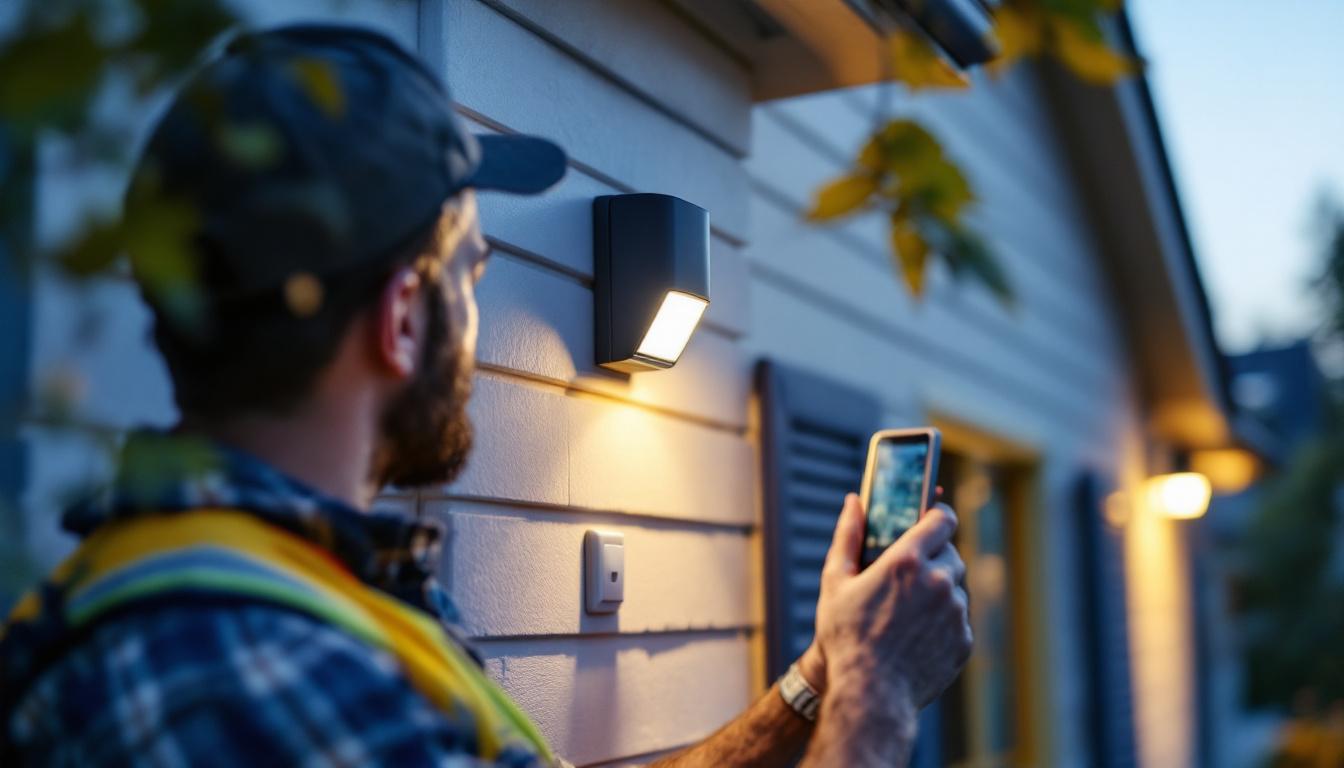
Outdoor Light Sensors: Explained, Lighting Contractor Edition
In the realm of outdoor lighting, the integration of technology has transformed traditional approaches to illumination. One of the most significant advancements is the use of outdoor light sensors. These devices not only enhance the functionality of lighting systems but also contribute to energy efficiency and sustainability. For lighting contractors, understanding the intricacies of outdoor light sensors is essential for delivering optimal solutions to clients.
Understanding Outdoor Light Sensors
Outdoor light sensors, also known as photocells or light level sensors, are devices designed to detect ambient light levels. They automatically control lighting systems based on the amount of natural light available. When the light levels drop below a certain threshold, the sensor triggers the lights to turn on, and conversely, it turns them off when natural light is sufficient.
This automatic operation not only enhances convenience for users but also ensures that energy is used efficiently, reducing waste and lowering utility costs. For lighting contractors, these sensors are a vital component in modern outdoor lighting design. By integrating outdoor light sensors, contractors can create systems that are not only functional but also environmentally friendly, contributing to sustainability efforts in urban planning and residential developments.
Moreover, the integration of these sensors into outdoor lighting systems can improve safety and security. For instance, in residential areas, well-lit pathways and driveways can deter potential intruders while providing a sense of safety for residents returning home at night. Similarly, in commercial settings, well-lit parking lots and entrances can enhance customer experience and encourage late-night business operations.
Types of Outdoor Light Sensors
There are several types of outdoor light sensors available, each with unique features and applications. Understanding these types can help contractors choose the right sensor for specific projects.
- Photocell Sensors: These are the most common type of outdoor light sensors. They measure light intensity and respond accordingly. Photocells are often used in street lighting and landscape lighting. They can be easily installed and are known for their reliability in various weather conditions, ensuring that outdoor spaces remain illuminated when needed.
- Motion Sensors: While primarily designed to detect movement, many motion sensors also incorporate light sensing capabilities. This dual functionality allows them to activate lights only when motion is detected in low-light conditions. This feature is particularly useful in areas where security is a concern, as it can help conserve energy by ensuring that lights are only on when necessary.
- Smart Sensors: These advanced sensors can connect to smart home systems, allowing for remote control and monitoring. They can adapt to changing light conditions and user preferences, making them ideal for residential and commercial applications. With the rise of smart technology, these sensors can also integrate with other devices, such as security cameras and alarms, creating a comprehensive outdoor security system.
Benefits of Using Outdoor Light Sensors
The integration of outdoor light sensors into lighting systems offers numerous benefits that are particularly advantageous for contractors and their clients. Understanding these benefits can help in making informed decisions about lighting installations.
Energy Efficiency
One of the primary advantages of outdoor light sensors is their ability to enhance energy efficiency. By automatically controlling lighting based on ambient light levels, these sensors ensure that lights are only on when necessary. This not only reduces energy consumption but also extends the lifespan of the lighting fixtures.
For contractors, promoting energy-efficient solutions can be a significant selling point. Clients are increasingly looking for ways to reduce their carbon footprint and lower energy bills, making outdoor light sensors an attractive option.
Increased Safety and Security
Outdoor lighting plays a crucial role in safety and security. Well-lit areas deter criminal activity and reduce the risk of accidents. Outdoor light sensors ensure that lighting is consistently available during low-light conditions, enhancing visibility and safety.
For contractors, the ability to offer clients a reliable safety solution can be a major differentiator in a competitive market. Highlighting the security benefits of outdoor light sensors can help in securing contracts and building long-term relationships with clients.
Convenience and User Experience
Outdoor light sensors provide a level of convenience that traditional manual controls cannot match. Users no longer need to remember to turn lights on or off, as the sensors handle this automatically. This ease of use is particularly appealing for residential clients who may not want to manage their outdoor lighting actively.
Moreover, smart sensors can be integrated with mobile applications, allowing users to control their outdoor lighting remotely. This added layer of convenience can significantly enhance user experience and satisfaction.
Installation Considerations
When it comes to installing outdoor light sensors, several factors must be considered to ensure optimal performance and longevity. Understanding these considerations can help contractors deliver better results for their clients.
Location and Placement
The placement of outdoor light sensors is critical for their effectiveness. Sensors should be positioned where they can accurately measure ambient light levels without interference from artificial light sources. For instance, placing a sensor too close to streetlights or building lights can cause it to malfunction by turning off during the day when it should remain on.
Contractors should also consider the angle of the sensor. Ideally, it should face the area where natural light is most prevalent. This ensures that the sensor can accurately detect changes in light levels and respond appropriately.
Wiring and Connectivity
Proper wiring is essential for the functionality of outdoor light sensors. Contractors must ensure that the wiring is weatherproof and suitable for outdoor use. Additionally, if the sensor is part of a smart lighting system, connectivity options such as Wi-Fi or Bluetooth should be evaluated to ensure seamless integration.
It is also advisable to check the compatibility of the sensor with existing lighting systems. Some sensors may require specific voltage levels or types of fixtures, and understanding these requirements can prevent installation issues.
Testing and Calibration
After installation, testing and calibration of outdoor light sensors are crucial steps that should not be overlooked. Contractors should verify that the sensors are functioning correctly and responding to changes in light levels as intended.
Calibration may involve adjusting the sensitivity settings to suit the specific environment and client preferences. This ensures that the lighting system operates efficiently and meets the needs of the users.
Common Challenges and Solutions
While outdoor light sensors offer numerous benefits, they can also present challenges during installation and operation. Being aware of these challenges and knowing how to address them can enhance the effectiveness of lighting contractors.
False Triggers
One common issue with outdoor light sensors is false triggering, where lights turn on or off unexpectedly due to interference from other light sources or environmental factors. This can be particularly problematic in areas with streetlights or reflective surfaces.
To mitigate this, contractors should carefully assess the installation location and choose sensors with adjustable sensitivity settings. This allows for fine-tuning based on the specific environment, reducing the likelihood of false triggers.
Weather Sensitivity
Outdoor light sensors are exposed to various weather conditions, which can affect their performance. Extreme temperatures, rain, and snow can impact the sensors’ ability to function correctly.
To combat this, contractors should select sensors designed for outdoor use and ensure they are rated for the specific environmental conditions of the installation site. Regular maintenance checks can also help identify any issues caused by weather exposure.
Integration with Existing Systems
Integrating outdoor light sensors with existing lighting systems can sometimes be challenging, especially if the systems are older or not designed for sensor compatibility. This can lead to functionality issues or increased installation costs.
Contractors should conduct a thorough assessment of the existing systems before installation. In some cases, it may be necessary to upgrade certain components to ensure compatibility. Providing clients with a detailed explanation of the integration process can help manage expectations and facilitate smoother installations.
Future Trends in Outdoor Light Sensors
The field of outdoor lighting is continually evolving, with new technologies and trends emerging regularly. Staying informed about these trends can help lighting contractors remain competitive and offer cutting-edge solutions to clients.
Smart Technology Integration
As smart home technology becomes more prevalent, outdoor light sensors are increasingly being integrated into broader smart lighting systems. This allows for enhanced control and customization, enabling users to adjust lighting settings remotely or set schedules based on their preferences.
Contractors should consider familiarizing themselves with smart lighting products and systems, as demand for these solutions is likely to grow. Offering smart sensor options can appeal to tech-savvy clients looking for modern lighting solutions.
Energy Management Systems
Energy management systems are becoming more popular in both residential and commercial settings. These systems monitor and control energy usage across various devices, including outdoor lighting. Outdoor light sensors can play a crucial role in these systems by providing real-time data on energy consumption and lighting efficiency.
Contractors who understand how to integrate outdoor light sensors into energy management systems will be well-positioned to offer comprehensive solutions that meet the growing demand for energy efficiency and sustainability.
Enhanced Sensor Technology
Advancements in sensor technology are leading to more sophisticated outdoor light sensors. Features such as adaptive lighting, which adjusts brightness based on real-time conditions, and enhanced motion detection capabilities are becoming more common.
Contractors should stay informed about these technological advancements to ensure they can provide clients with the most effective and innovative lighting solutions. Keeping abreast of industry trends will not only enhance service offerings but also position contractors as knowledgeable experts in the field.
Conclusion
Outdoor light sensors are a vital component of modern outdoor lighting solutions, offering numerous benefits such as energy efficiency, safety, and convenience. For lighting contractors, understanding the various types of sensors, their installation considerations, and the challenges they may present is essential for delivering successful projects.
As the industry continues to evolve, staying informed about future trends and advancements in sensor technology will enable contractors to provide cutting-edge solutions that meet the needs of their clients. By embracing the potential of outdoor light sensors, lighting contractors can enhance their service offerings and contribute to a more sustainable and efficient future.
Illuminate Your Projects with LumenWholesale
Ready to elevate your outdoor lighting projects with the latest sensor technology? At LumenWholesale, we provide lighting contractors with the highest quality, spec-grade lighting products at unbeatable wholesale prices. Our extensive selection is designed to meet the highest industry standards, ensuring you deliver reliable and high-performance lighting solutions to your clients. Plus, with free shipping on bulk orders, you can enjoy the best value without any hidden fees. Don’t compromise on quality or price. Visit LumenWholesale now and experience the perfect blend of quality, affordability, and convenience for all your lighting needs.