In the realm of modern lighting design and installation, the integration of advanced lighting system controls has become a pivotal aspect of delivering efficient, adaptable, and aesthetically pleasing environments. For lighting contractors, understanding the nuances of these controls is essential to avoid common pitfalls that can lead to project delays, budget overruns, and dissatisfied clients. This guide aims to illuminate the key considerations and best practices for effectively navigating the complexities of lighting system controls.
Understanding Lighting System Controls
Lighting system controls encompass a variety of technologies and methodologies that manage the operation of lighting fixtures. These controls can range from simple switches and dimmers to complex automated systems that integrate with building management systems. The primary goal of these controls is to enhance user experience, improve energy efficiency, and provide flexibility in lighting design. In recent years, the evolution of technology has led to the emergence of more sophisticated lighting controls that not only enhance functionality but also contribute to the overall aesthetic of spaces. As smart cities and sustainable design practices become more prevalent, understanding these controls is essential for architects, designers, and contractors alike.
Types of Lighting Controls
There are several types of lighting controls that contractors should be familiar with. These include:
- Dimmers: Allow users to adjust the brightness of lights, enhancing mood and energy efficiency.
- Occupancy Sensors: Automatically turn lights on or off based on room occupancy, reducing energy waste.
- Daylight Harvesting Controls: Utilize natural light to reduce reliance on artificial lighting, adjusting output based on available daylight.
- Smart Controls: Enable remote management and automation through apps and smart devices, allowing for personalized lighting scenarios.
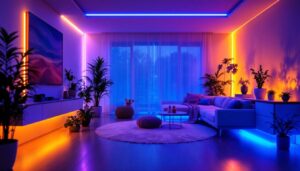
In addition to these common types, there are also advanced control systems that incorporate features such as scene setting, which allows users to create specific lighting atmospheres for different activities, from movie nights to dinner parties. Furthermore, integration with other building systems, such as HVAC and security, can enhance the functionality of lighting controls, creating a more cohesive and efficient environment. For instance, when a room is unoccupied, the lighting can automatically dim while the HVAC system adjusts to save energy, showcasing the potential for synergy among various building technologies.
Benefits of Advanced Controls
Implementing advanced lighting controls can yield numerous benefits, including:
- Energy Savings: By optimizing lighting usage, contractors can help clients significantly reduce energy costs.
- Enhanced Comfort: Tailored lighting solutions can improve the comfort and productivity of occupants.
- Increased Flexibility: Advanced controls allow for easy adjustments to lighting settings, accommodating various activities and preferences.
Moreover, the adoption of advanced lighting controls can contribute to sustainability goals by minimizing energy consumption and reducing the carbon footprint of buildings. With the increasing focus on environmental responsibility, many clients are seeking solutions that align with their sustainability initiatives. Additionally, advanced controls can enhance the aesthetic appeal of spaces, allowing for dynamic lighting designs that can transform environments throughout the day and night. This adaptability not only elevates the user experience but also adds value to properties by creating versatile spaces that can cater to a wide range of functions and events.
Common Pitfalls in Lighting Control Installation
While the advantages of lighting controls are clear, several pitfalls can arise during installation. Being aware of these issues can help contractors avoid costly mistakes.
Inadequate Planning and Design
One of the most significant pitfalls is failing to plan and design the lighting control system thoroughly. This includes understanding the specific needs of the space and the users. A lack of comprehensive planning can lead to:
- Incompatible components that do not work together.
- Insufficient coverage of lighting needs, resulting in dark spots or overly bright areas.
- Overly complex systems that confuse users rather than enhance their experience.
Moreover, it is essential to consider the future adaptability of the lighting control system. As technology evolves, the ability to integrate new devices or upgrade existing systems can be crucial. Failure to account for this flexibility can render a newly installed system obsolete within a few years. Additionally, the layout and architecture of the space should be taken into account, as certain designs may require more intricate wiring or specialized fixtures to achieve optimal lighting effects.
Ignoring User Experience
Another common mistake is neglecting the end-user experience. Lighting controls should be intuitive and user-friendly. Contractors should consider:
- The varying levels of technological proficiency among users.
- Providing clear instructions and training on how to use the system effectively.
- Incorporating feedback from users during the design phase to ensure their needs are met.
In addition, it is beneficial to conduct usability testing with a diverse group of potential users before finalizing the system. This approach can uncover unforeseen challenges and preferences, allowing for adjustments that enhance overall satisfaction. Furthermore, integrating features such as mobile app controls or voice activation can significantly improve accessibility, catering to a wider audience and making the lighting system more appealing to tech-savvy users.
Underestimating Maintenance Needs
Lighting control systems require ongoing maintenance to function optimally. Contractors often overlook this aspect, leading to:
- System failures due to lack of updates or repairs.
- Increased costs for clients who must address issues that could have been prevented.
- Frustration for users when systems do not perform as expected.
To mitigate these risks, it is advisable to establish a maintenance schedule that includes regular inspections and software updates. Educating clients about the importance of maintenance can also foster a sense of responsibility and encourage proactive measures. Additionally, providing a clear plan for troubleshooting and support can enhance user confidence, ensuring that they feel empowered to address minor issues before they escalate into significant problems. This proactive approach not only prolongs the lifespan of the system but also enhances user satisfaction and trust in the technology.
Best Practices for Successful Lighting Control Installation
To ensure a successful lighting control installation, contractors should adhere to several best practices that promote efficiency and user satisfaction.
Conduct Thorough Site Assessments
Before any installation begins, a comprehensive site assessment is crucial. This involves:
- Evaluating the existing lighting conditions and identifying areas for improvement.
- Consulting with clients to understand their specific needs and preferences.
- Assessing the compatibility of existing infrastructure with proposed control systems.
Choose the Right Technology
Selecting the appropriate technology for the project is vital. Factors to consider include:
- The specific requirements of the space, such as size, function, and occupancy patterns.
- Compatibility with other systems, like HVAC or security, for integrated solutions.
- Future scalability, allowing for easy upgrades or expansions as needs change.
Prioritize User Training and Support
Once the installation is complete, providing thorough training and ongoing support is essential. This can include:
- Demonstrating how to use the controls effectively and efficiently.
- Offering user manuals and resources for reference.
- Establishing a support line for troubleshooting and maintenance inquiries.
Integrating Lighting Controls with Other Systems
Modern buildings often feature a variety of interconnected systems, and integrating lighting controls with these systems can enhance overall functionality. Understanding how to achieve this integration is a valuable skill for lighting contractors.
Building Management Systems (BMS)
Integrating lighting controls with a BMS can lead to significant energy savings and improved operational efficiency. Key considerations include:
- Ensuring compatibility between lighting controls and the BMS protocols.
- Utilizing data from the BMS to optimize lighting schedules based on occupancy and usage patterns.
- Implementing centralized control for ease of management and monitoring.
Smart Building Technologies
The rise of smart building technologies presents new opportunities for lighting control integration. Contractors should explore:
- Using IoT devices to facilitate real-time adjustments and data collection.
- Implementing machine learning algorithms to predict and adapt to user behavior.
- Creating a seamless user experience through unified control interfaces.
Case Studies: Successful Lighting Control Implementations
Examining successful case studies can provide valuable insights into best practices and innovative solutions in lighting control installations.
Commercial Office Spaces
In a recent commercial office project, a lighting contractor implemented an advanced lighting control system that included occupancy sensors and daylight harvesting technology. This resulted in:
- A 30% reduction in energy costs.
- Improved employee productivity due to enhanced lighting conditions.
- A flexible system that allowed for easy adjustments based on changing office layouts.
Retail Environments
In a retail setting, integrating smart lighting controls with a BMS allowed for dynamic lighting adjustments based on customer traffic patterns. The outcomes included:
- Increased sales during peak hours due to optimized lighting conditions.
- Enhanced customer experience through tailored lighting scenarios.
- Significant energy savings by reducing lighting levels during off-peak hours.
Future Trends in Lighting Controls
As technology continues to evolve, so too do the capabilities of lighting control systems. Staying informed about future trends is crucial for contractors looking to remain competitive.
Increased Automation
The trend towards increased automation in lighting controls is set to grow. This includes:
- More sophisticated algorithms that learn user preferences and adjust settings accordingly.
- Integration with voice-activated systems for hands-free control.
- Enhanced remote management capabilities for building operators.
Sustainability Focus
With a growing emphasis on sustainability, lighting controls will increasingly focus on energy efficiency and environmental impact. Key areas of development include:
- Advanced sensors that optimize energy use based on real-time data.
- Incorporating renewable energy sources into lighting systems.
- Promoting sustainable practices through user education and engagement.
Conclusion
Lighting system controls are a critical component of modern lighting design and installation. By understanding the various types of controls, recognizing common pitfalls, and implementing best practices, lighting contractors can deliver successful projects that meet client needs and expectations. As technology continues to advance, staying informed about future trends will ensure that contractors remain at the forefront of the industry, providing innovative and efficient lighting solutions.
Illuminate Your Projects with LumenWholesale
Ready to elevate your lighting control installations with the best products on the market? LumenWholesale is here to support your success. Our spec-grade lighting solutions are designed to meet the highest industry standards, ensuring your projects shine with reliability and performance. Say goodbye to inflated markups and hello to unbeatable wholesale prices, plus enjoy the convenience of free shipping on bulk orders. Don’t compromise on quality or value — choose LumenWholesale for premium lighting that blends affordability with excellence. Wholesale Lighting at the Best Value is just a click away.