Why Smart LED Tube Lights Are Changing the Game
Lighting contractors have long relied on traditional fluorescent tube lights for commercial and industrial projects. However, the rise of smart LED tube lights is reshaping the industry. These advanced lighting solutions offer more than just illumination—they bring efficiency, control, and adaptability to any space.
Smart LED tube lights integrate LED technology with intelligent controls, enabling features like remote dimming, color tuning, occupancy sensing, and energy monitoring. Unlike conventional tubes, which simply switch on or off, smart tubes respond dynamically to their environment and user preferences. This shift is significant because it allows lighting contractors to deliver more value to clients, from energy savings to enhanced user comfort.
One of the most compelling aspects of smart LED tube lights is their ability to integrate seamlessly with existing building management systems. This connectivity allows for centralized control of lighting across multiple spaces, enabling facility managers to adjust settings in real-time based on occupancy patterns or time of day. For instance, in a large office building, lights can automatically dim in unoccupied areas, significantly reducing energy consumption without sacrificing employee comfort in active zones. This level of control not only contributes to sustainability efforts but also aligns with the growing trend of smart building technologies that prioritize efficiency and user experience.
Moreover, the adaptability of smart LED tube lights extends beyond mere functionality. Many models now offer customizable color temperatures, allowing users to create the perfect ambiance for any occasion. Whether it’s a bright, cool light for a collaborative workspace or a warm, inviting glow for a retail environment, these lights can be adjusted to suit the mood and purpose of the space. This versatility is particularly advantageous in settings that require different lighting conditions throughout the day, such as educational institutions or healthcare facilities, where lighting can significantly impact productivity and well-being.
Key Features Lighting Contractors Should Understand
Energy Efficiency and Cost Savings
Smart LED tube lights consume significantly less power than fluorescent tubes. LEDs convert a higher percentage of electricity into light rather than heat, resulting in lower energy bills. When combined with smart controls—such as motion sensors and daylight harvesting—energy consumption can be reduced even further.
For contractors, this means clients benefit from lower operating costs and quicker return on investment. It also positions contractors as providers of sustainable solutions, which is increasingly important in bids and proposals. Additionally, many utility companies offer rebates or incentives for the installation of energy-efficient lighting, providing further financial benefits for both contractors and their clients. By leveraging these incentives, contractors can enhance their service offerings and help clients navigate the complexities of energy efficiency programs, ultimately leading to a more attractive proposal.
Advanced Control Options
One of the most compelling aspects of smart LED tubes is their control versatility. Many models support wireless communication protocols like Zigbee, Bluetooth Mesh, or Wi-Fi, allowing integration with building management systems or standalone apps.
Lighting contractors can program schedules, adjust brightness levels remotely, or set scenes tailored to specific activities. For example, in office environments, lights can be dimmed during presentations or brightened for detailed tasks. This level of customization was impossible with traditional tube lights. Furthermore, the ability to monitor energy usage in real-time through these smart systems can provide valuable insights for facility managers, enabling them to make informed decisions about their lighting needs and further optimize energy consumption. As smart technology continues to evolve, contractors who stay updated on the latest advancements will be better positioned to offer cutting-edge solutions that meet the demands of modern clients.
Improved Lighting Quality and User Experience
Smart LED tubes often feature adjustable color temperatures, ranging from warm white to cool daylight. This flexibility supports circadian rhythm lighting strategies, which can improve occupant well-being and productivity.
Additionally, LEDs provide instant-on illumination without flicker, reducing eye strain. For contractors, specifying lighting that enhances user comfort can be a strong selling point, especially in commercial and educational settings. The ability to create dynamic lighting environments can also enhance the aesthetic appeal of a space, making it more inviting and functional. For instance, in retail settings, adjustable lighting can highlight products effectively, influencing customer behavior and potentially increasing sales. As awareness of the impact of lighting on mood and performance grows, contractors who prioritize quality lighting solutions will find themselves at a competitive advantage in the marketplace.
Installation Considerations for Contractors
Compatibility with Existing Fixtures
Smart LED tube lights come in different types—some designed to retrofit into existing fluorescent fixtures, while others require new installations. It’s crucial to verify compatibility to avoid costly mistakes. The transition to smart lighting is not just about swapping out bulbs; it often involves a deeper understanding of the existing infrastructure.
For instance, some smart tubes need the ballast removed or bypassed, while others can work with existing ballasts. Contractors should carefully review manufacturer instructions and understand the wiring implications before installation. Additionally, it’s worth noting that some older fixtures may not be compatible with newer smart technologies, necessitating a complete overhaul of the lighting system. This consideration can impact project timelines and budgets, making it essential for contractors to conduct a thorough assessment of the existing fixtures before proceeding.
Wiring and Power Requirements
Smart LED tubes may require different wiring configurations compared to traditional tubes. Some models need direct line voltage, while others operate at low voltage through a driver. This can affect the complexity of the installation and the tools required. Contractors should be prepared for the possibility of needing to upgrade wiring or install new circuits to accommodate these changes.
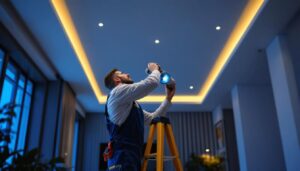
Proper training and familiarity with electrical codes are essential to ensure safe and compliant installations. Lighting contractors should also consider the potential need for additional components, such as wireless gateways or sensors, when planning the project. These components can enhance the functionality of the smart lighting system, allowing for features like remote control and automated scheduling. Furthermore, understanding the power consumption of smart LED tubes compared to traditional options can help contractors advise clients on energy savings and return on investment over time.
Integration with Smart Building Systems
When smart LED tubes are part of a larger smart building ecosystem, contractors must coordinate with other trades and system integrators. Ensuring seamless communication between lighting controls and HVAC, security, or occupancy systems can maximize the building’s overall efficiency. This integration not only improves user experience but can also lead to significant operational cost savings.
Understanding protocols and interoperability standards helps contractors avoid compatibility issues and deliver a cohesive solution. For example, contractors should be familiar with common communication protocols such as Zigbee, Z-Wave, or Wi-Fi, as these will dictate how various systems interact. Additionally, they should consider the potential for future upgrades or expansions of the smart system, ensuring that the initial installation is flexible enough to accommodate new technologies as they emerge. This forward-thinking approach can greatly enhance the long-term value of the installation, making it a worthwhile investment for clients looking to future-proof their buildings.
Maintenance and Troubleshooting Insights
Longevity and Reliability
Smart LED tube lights generally have longer lifespans than fluorescent tubes, often exceeding 50,000 hours. This reduces maintenance frequency and costs, a benefit contractors should highlight to clients. The energy efficiency of these lights also plays a crucial role in their appeal, as they consume significantly less power than traditional lighting solutions, leading to substantial savings on electricity bills over time. This aspect not only enhances the value proposition for clients but also aligns with growing sustainability goals in various industries.
However, smart components like sensors and wireless modules may require occasional firmware updates or recalibration. Offering maintenance contracts that include these services can create recurring revenue streams. Additionally, educating clients on the importance of regular maintenance can foster a proactive approach to lighting management. By scheduling periodic check-ups, contractors can ensure that the systems are functioning optimally, which can prevent minor issues from escalating into costly repairs or replacements.
Common Issues and Solutions
Some challenges contractors might face include connectivity problems, sensor misalignment, or firmware glitches. Diagnosing these issues often involves checking network settings, repositioning sensors, or updating software. Furthermore, understanding the specific environment where the lights are installed—such as interference from other devices or physical obstructions—can provide valuable context for troubleshooting. For instance, in a warehouse setting, large metal shelves might obstruct sensor signals, necessitating strategic placement to ensure optimal performance.
Having access to manufacturer support and diagnostic tools is invaluable. Contractors who can quickly troubleshoot and resolve problems build trust and improve client satisfaction. Additionally, keeping a well-organized inventory of replacement parts and tools can expedite repairs and minimize downtime. Training staff on the latest technologies and troubleshooting techniques can also enhance service quality, ensuring that clients receive timely and effective solutions. By fostering a culture of continuous learning and adaptation, contractors can stay ahead in a rapidly evolving market, ultimately leading to enhanced client relationships and business growth.
Market Trends and Client Expectations
Growing Demand for Smart Lighting
Clients increasingly expect lighting solutions that contribute to sustainability goals and operational efficiency. Smart LED tube lights align perfectly with these demands by offering measurable energy savings and enhanced control.
Lighting contractors who stay informed about emerging technologies and standards position themselves as industry leaders. This can open doors to larger projects and long-term partnerships.
Incentives and Regulations
Many regions offer incentives, rebates, or tax credits for installing energy-efficient lighting. Familiarity with these programs allows contractors to advise clients on potential savings and improve project feasibility.
Additionally, compliance with updated building codes and energy standards often requires the use of smart lighting technologies. Contractors should stay updated on regulatory changes to avoid project delays or rework.
Final Thoughts for Lighting Contractors
Smart LED tube lights represent a significant advancement in lighting technology. They offer tangible benefits in energy efficiency, user experience, and operational control. For lighting contractors, mastering the technical aspects and installation nuances of these products is essential to meet client expectations and stay competitive.
By embracing smart LED tube lights, contractors can deliver smarter, greener, and more adaptable lighting solutions that add real value to every project.
Upgrade Your Lighting Projects with LumenWholesale
Ready to take your lighting projects to the next level? LumenWholesale is here to support you with an exceptional range of smart LED tube lights that embody efficiency, innovation, and quality. As a lighting contractor, you understand the importance of providing value and performance. That’s why we offer spec-grade lighting products at unbeatable wholesale prices, ensuring you can deliver the best to your clients without the burden of inflated costs. With free shipping on bulk orders, you can stock up on premium lighting solutions that meet the highest industry standards. Don’t miss out on the perfect blend of quality, affordability, and convenience. Discover Wholesale Lighting at the Best Value today and illuminate your projects with confidence.