In the world of lighting installation, the choice of lamp fixtures can significantly influence both the aesthetic appeal and functionality of a space. For lighting contractors, understanding the nuances of lamp fixtures is crucial to delivering quality results that meet client expectations. This guide aims to illuminate common pitfalls associated with lamp fixtures and provide insights on how to navigate them effectively.
Understanding Lamp Fixture Types
Before diving into the potential pitfalls, it is essential to familiarize oneself with the various types of lamp fixtures available in the market. Each type serves a specific purpose and comes with its own set of advantages and disadvantages.
Common Types of Lamp Fixtures
There are several common types of lamp fixtures that contractors frequently encounter:
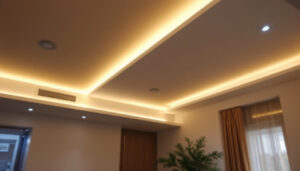
- Recessed Fixtures: These fixtures are installed above the ceiling line, providing a clean and modern look. They are ideal for general lighting but can sometimes lead to issues with heat dissipation. Proper insulation and ventilation are crucial to prevent overheating, which can shorten the lifespan of the bulbs.
- Pendant Lights: Hanging from the ceiling, pendant lights offer versatility in design and placement. However, their height and positioning can impact the overall lighting effect. When selecting pendant lights, it’s essential to consider the room’s dimensions and the intended ambiance, as well as the type of bulbs used, which can vary from warm to cool tones.
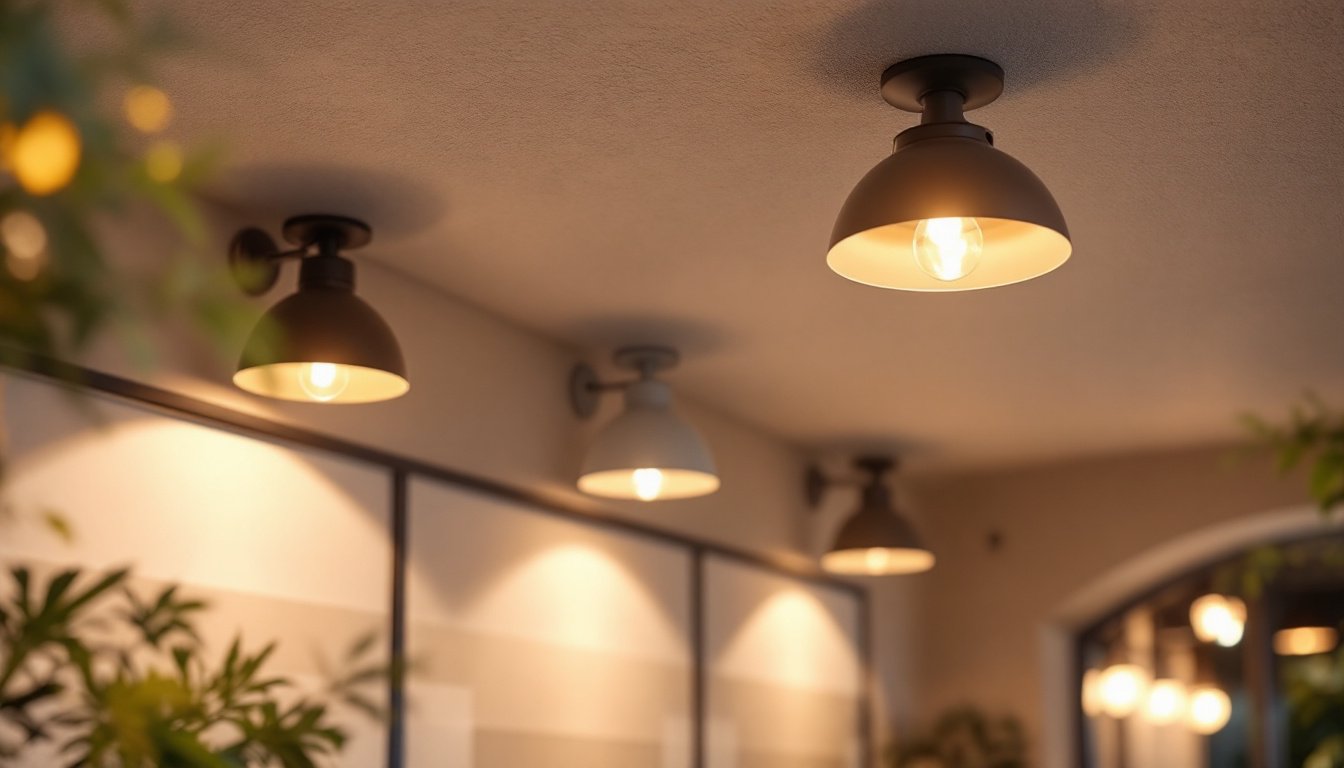
- Wall Sconces: These fixtures are mounted on walls and are perfect for accent lighting. The challenge lies in ensuring they are installed at the correct height for optimal illumination. Additionally, wall sconces can serve dual purposes, providing both functional lighting and decorative elements that enhance the room’s aesthetic.
Energy Efficiency Considerations
Energy efficiency is a critical factor in today’s lighting designs. Contractors must be aware of the energy ratings of different fixtures and bulbs, as this can affect both installation costs and long-term savings for clients. LED fixtures, for instance, are becoming increasingly popular due to their longevity and low energy consumption. In fact, switching to LED lighting can reduce energy use by up to 75% compared to traditional incandescent bulbs, making them a smart choice for both residential and commercial spaces.
Moreover, the use of smart lighting systems is on the rise, allowing users to control their lighting remotely and set schedules that align with their daily routines. These systems not only enhance convenience but also contribute to energy savings by ensuring lights are only on when needed. As technology continues to evolve, integrating energy-efficient solutions into lighting design will become even more critical, providing both environmental benefits and cost savings for homeowners and businesses alike.
Common Pitfalls in Lamp Fixture Installation
Even seasoned contractors can encounter challenges during lamp fixture installation. Recognizing these pitfalls can help avoid costly mistakes and ensure a smooth installation process.
Improper Placement
One of the most frequent issues arises from improper placement of lamp fixtures. Fixtures that are too high or too low can create uneven lighting, resulting in dark spots or excessive brightness in certain areas. It is essential to assess the space and determine the optimal height and positioning for each fixture.
Additionally, the spacing between fixtures should be carefully calculated. A common rule of thumb is to space recessed lights approximately 4 to 6 feet apart, depending on the wattage and desired brightness. Failure to adhere to these guidelines can lead to an unsatisfactory lighting experience. For instance, in a kitchen, where task lighting is crucial, fixtures should be placed strategically above work areas such as countertops and islands to provide adequate illumination. In contrast, living areas may benefit from a more ambient lighting approach, requiring a different spacing strategy to create a warm and inviting atmosphere.
Neglecting Electrical Considerations
Electrical considerations are paramount when installing lamp fixtures. Contractors must ensure that the existing wiring can support the new fixtures, particularly when upgrading to higher wattage or different types of bulbs. Failing to account for electrical load can result in circuit overloads or even fire hazards.
Moreover, it is crucial to use the appropriate type of dimmer switches with compatible fixtures. Not all fixtures work well with dimmers, and using incompatible combinations can lead to flickering lights or premature burnout. In addition, it is wise to consider the overall energy efficiency of the chosen lighting solutions. Opting for LED fixtures not only reduces energy consumption but also minimizes heat output, which can be a significant factor in maintaining safe operating conditions. Understanding the nuances of electrical compatibility and energy efficiency can significantly enhance the longevity and performance of the installed fixtures.
Choosing the Right Fixtures for the Space
Selecting the right lamp fixtures for a specific space involves more than just aesthetics; it requires a thorough understanding of the intended use of the area. Different environments call for different lighting solutions.
Residential vs. Commercial Spaces
In residential spaces, the focus is often on creating a warm and inviting atmosphere. Fixtures should complement the decor while providing adequate illumination for everyday activities. For example, kitchen areas may benefit from task lighting, while living rooms might require softer ambient lighting.
Conversely, commercial spaces often prioritize functionality and efficiency. In offices, for instance, bright, even lighting is essential for productivity, while retail environments may use accent lighting to highlight products. Understanding the unique requirements of each space is key to making informed fixture selections.
Considering Style and Design
The style and design of lamp fixtures can significantly impact the overall aesthetic of a space. Contractors should stay informed about current design trends and be able to offer clients a variety of options that align with their vision.
From minimalist designs to ornate chandeliers, the choices are vast. It is essential to consider how fixtures will blend with existing architecture and furnishings. A well-chosen fixture can serve as a focal point, enhancing the overall design of the room.
Installation Techniques for Success
Proper installation techniques are vital to ensuring that lamp fixtures function effectively and safely. Contractors should adhere to best practices to avoid common issues that can arise during installation.
Utilizing the Right Tools
Using the right tools is fundamental for a successful installation. Basic tools such as screwdrivers, wire strippers, and pliers are essential, but specialized tools like a voltage tester can help ensure safety during the installation process. Investing in quality tools can save time and reduce the likelihood of errors.
Additionally, having a well-organized workspace can improve efficiency. Keeping tools and materials within easy reach allows contractors to focus on the task at hand without unnecessary interruptions.
Following Manufacturer Guidelines
Every lamp fixture comes with manufacturer guidelines that outline specific installation procedures. Adhering to these instructions is crucial for ensuring that the fixture operates as intended and meets safety standards.
Contractors should take the time to read and understand these guidelines before beginning the installation. This not only helps avoid mistakes but also provides valuable insights into any unique requirements for the fixture.
Testing and Quality Assurance
Once the installation is complete, thorough testing is essential to ensure that everything functions correctly. This step is often overlooked but is critical for delivering quality results to clients.
Conducting Functional Tests
After installing the fixtures, contractors should conduct functional tests to verify that each fixture operates as expected. This includes checking for flickering lights, ensuring proper brightness levels, and confirming that dimmer switches function smoothly.
In addition to functional tests, it is wise to inspect the fixtures for any physical defects or installation errors. Addressing these issues promptly can prevent future problems and enhance client satisfaction.
Client Walkthrough and Feedback
Once testing is complete, conducting a walkthrough with the client is an excellent opportunity to showcase the completed work. This allows clients to see the final results and provides a platform for discussing any adjustments or concerns they may have.
Gathering client feedback is invaluable for continuous improvement. Understanding their experience can help contractors refine their processes and enhance the quality of future installations.
Staying Informed on Industry Trends
The lighting industry is constantly evolving, with new technologies and design trends emerging regularly. For contractors, staying informed about these changes is essential for maintaining a competitive edge.
Continuing Education and Training
Participating in continuing education and training programs can significantly enhance a contractor’s knowledge and skills. Many organizations offer workshops and certifications focused on the latest lighting technologies and installation techniques.
In addition to formal training, attending industry trade shows and conferences can provide valuable networking opportunities and insights into emerging trends. Engaging with peers and industry leaders can foster collaboration and inspire innovative approaches to lighting design.
Embracing New Technologies
As technology advances, new lighting solutions continue to emerge. Smart lighting systems, for example, offer enhanced control and energy efficiency, allowing clients to customize their lighting experience. Contractors should familiarize themselves with these technologies to better serve their clients and stay ahead of the curve.
Integrating smart technologies into installations can also open up new revenue streams for contractors, as clients increasingly seek modern solutions for their lighting needs.
Conclusion
In conclusion, navigating the world of lamp fixtures requires a comprehensive understanding of the various types, installation techniques, and design considerations. By avoiding common pitfalls and staying informed about industry trends, lighting contractors can enhance their expertise and deliver exceptional results for their clients.
Ultimately, the goal is to create well-lit spaces that are functional, aesthetically pleasing, and energy-efficient. With careful planning and attention to detail, contractors can ensure that every lamp fixture installation is a success, contributing to their reputation and the satisfaction of their clients.
Illuminate Your Projects with LumenWholesale
Ready to elevate your lighting installations with the best in spec-grade fixtures? Look no further than LumenWholesale. Our commitment to quality and affordability ensures that you have access to the finest lighting products at wholesale prices, without the burden of inflated markups. With our extensive selection that meets rigorous industry standards, you can confidently light up any space knowing you’re backed by superior performance and reliability. Plus, with the convenience of free shipping on bulk orders, your next project is just a click away. Don’t compromise on quality or cost—Wholesale Lighting at the Best Value is within reach at LumenWholesale.