Understanding the Unique Lighting Needs of Theater Rooms
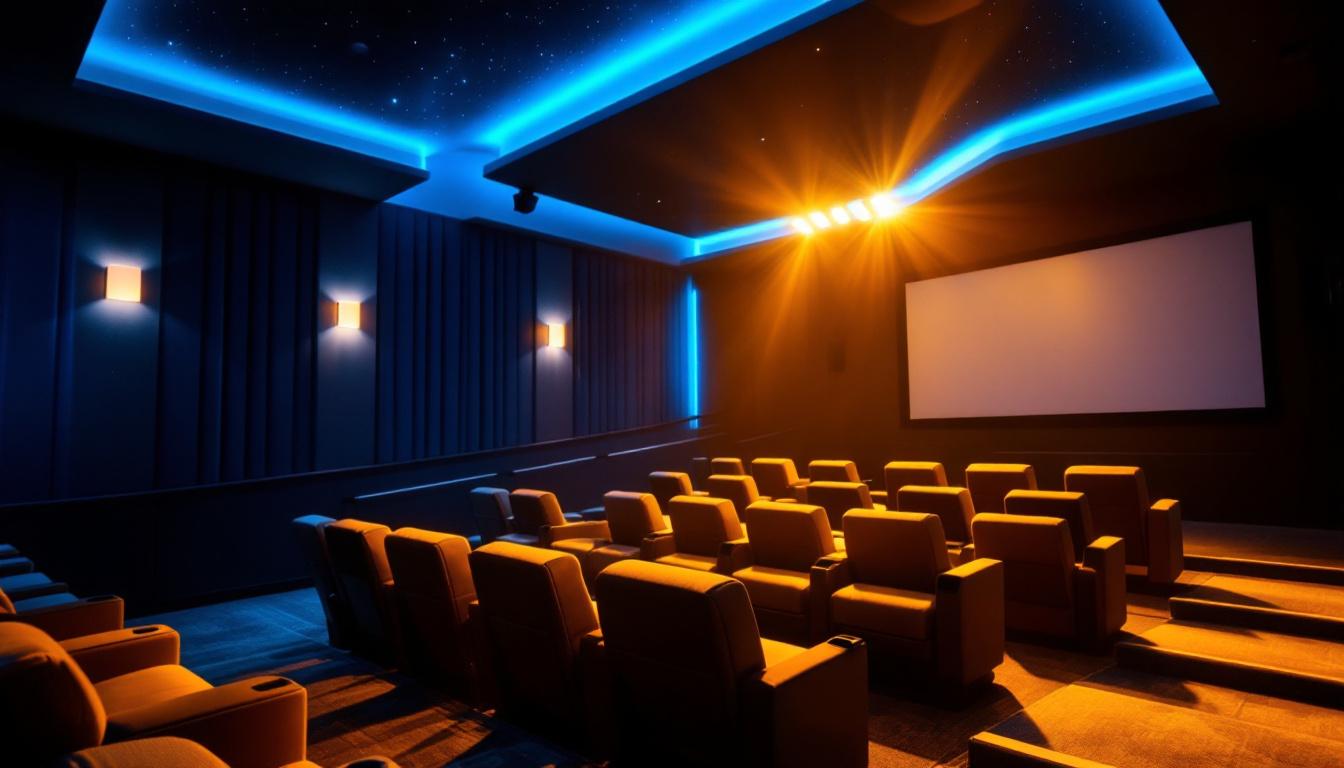
Theater rooms demand a lighting setup that balances functionality with atmosphere. Unlike typical living spaces, these rooms require precise control over light levels to avoid glare on screens and maintain an immersive viewing experience. For lighting contractors, this means designing systems that offer flexibility and subtlety.
One of the biggest challenges is managing ambient light. Too much illumination can wash out the screen, while too little can make navigation difficult and unsafe. The goal is to create layers of light that serve different purposes—whether it’s dimmable overhead fixtures, accent lighting, or pathway illumination. This nuanced approach not only enhances the viewing experience but also contributes to the overall aesthetic of the room, allowing for a seamless transition from day to night.
Moreover, the integration of smart lighting technology can further elevate the theater experience. With programmable systems, users can create custom lighting scenes that adjust automatically based on the type of content being viewed—whether it’s a bright action film or a dark, atmospheric drama. This level of control not only enhances comfort but also allows for a personalized touch, making each movie night feel special.
Key Considerations for Theater Lighting Design
Start by assessing the room’s size, shape, and existing electrical infrastructure. The layout influences fixture placement and wiring complexity. For example, a rectangular room with tiered seating may benefit from recessed ceiling lights combined with wall sconces to evenly distribute light without causing reflections. Additionally, the choice of color temperature for the lighting can significantly impact the ambiance; warmer tones can create a cozy, inviting atmosphere, while cooler tones may be better suited for modern, sleek designs.
Contractors should also consider the type of screen and projector used. High-lumen projectors can handle some ambient light, but LED or OLED screens often require darker environments. Knowing this upfront helps in selecting the right dimming controls and fixture types. Furthermore, the use of blackout curtains or shades can complement the lighting design, ensuring that external light sources do not interfere with the viewing experience. This comprehensive approach to lighting not only enhances visual clarity but also contributes to the overall comfort and enjoyment of the theater space, making it a true retreat for film enthusiasts.
Choosing the Right Fixtures and Bulbs
Fixture selection is critical in theater rooms. Recessed lights are popular because they minimize visual clutter and reduce direct glare. Adjustable fixtures allow for fine-tuning light direction, which is essential for avoiding reflections on the screen. The choice of fixture placement can also greatly influence the overall viewing experience; strategically positioned lights can create a layered lighting effect that enhances the room’s depth and dimension. For instance, placing fixtures around the perimeter of the room can help to define the space while keeping the focus on the screen.
When it comes to bulbs, LED technology stands out. LEDs offer energy efficiency, long life, and excellent dimming capabilities. They also generate less heat, which is a bonus in enclosed spaces like theater rooms. Warm white LEDs (2700K to 3000K) tend to create a cozy atmosphere without compromising color accuracy on the screen. Additionally, the color rendering index (CRI) of LED bulbs can significantly impact how colors appear in the room, making it crucial to choose bulbs with a high CRI for the best visual experience. This attention to detail ensures that the colors on the screen appear vibrant and true to life, enhancing the overall enjoyment of films and shows.
Accent and Task Lighting Options
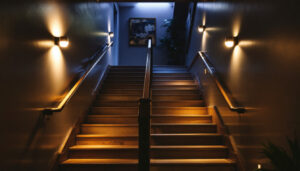
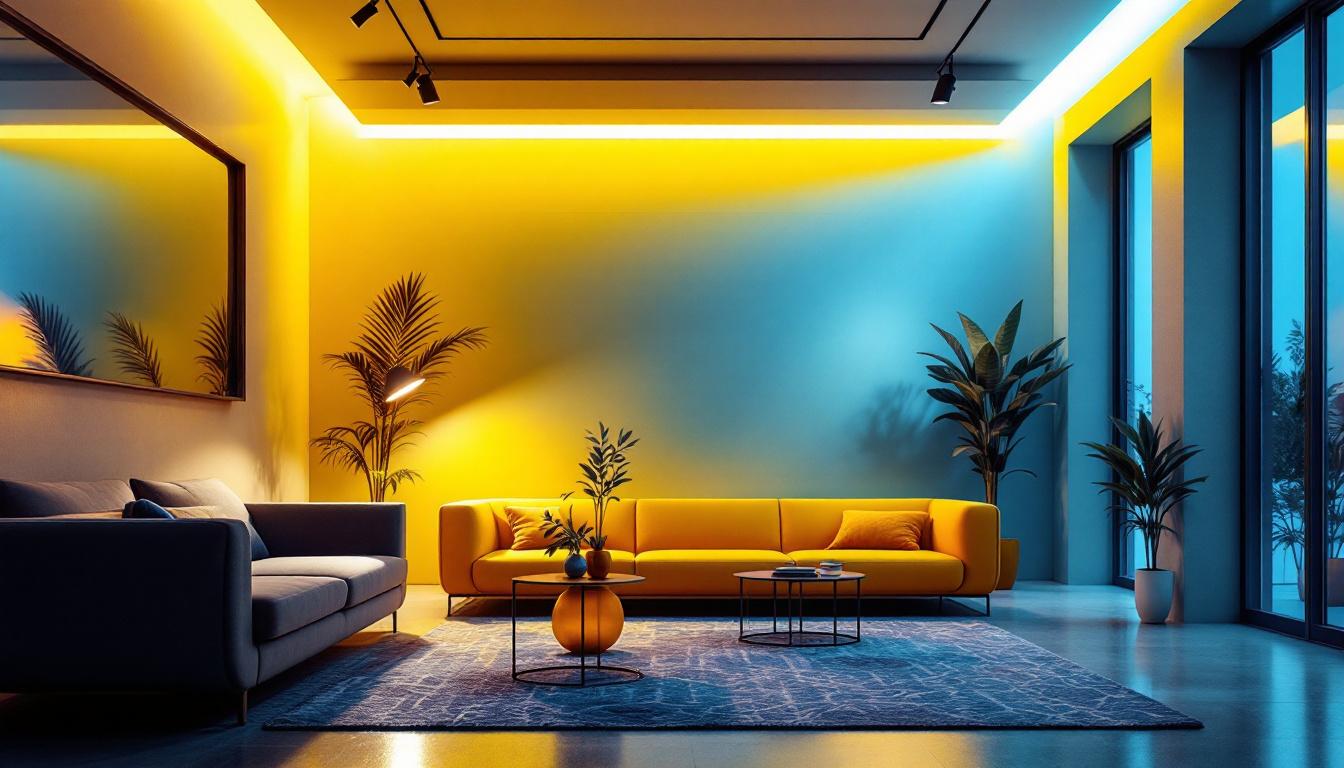
Accent lighting enhances the room’s ambiance and highlights architectural features. LED strip lights along stairs or under seating add safety and style without overwhelming the space. Low-level sconces or wall washers can provide gentle illumination that guides movement without interrupting the viewing experience. Furthermore, incorporating color-changing LED options can allow for dynamic mood settings, enabling viewers to adjust the atmosphere according to the genre of the film or the occasion, whether it’s a cozy movie night or a vibrant gaming session.
Task lighting near snack bars or control consoles should be bright enough for functionality but easily dimmable or switchable to avoid distraction. Using separate circuits or smart controls for these zones is a smart move. Smart lighting solutions can also integrate with home automation systems, allowing users to adjust lighting with voice commands or mobile apps. This level of control not only enhances convenience but also allows for seamless transitions between different activities in the theater room, such as switching from movie mode to a more social setting for discussions or intermissions. Thoughtful placement and technology integration can transform a simple theater room into a versatile entertainment hub.
Implementing Smart Controls for Maximum Flexibility
Smart lighting controls have transformed theater room setups. They allow users to customize scenes, adjust brightness, and even change colors with ease. For contractors, integrating these systems means offering clients convenience and enhancing the overall experience. The ability to tailor the ambiance to suit different activities—be it a movie night, a gaming session, or a family gathering—ensures that every moment can be perfectly curated to match the mood.
Popular control options include wall-mounted touch panels, mobile apps, and voice assistants. Each has its place depending on client preferences and room complexity. The key is to ensure the system is intuitive and reliable. For instance, mobile apps provide the flexibility of controlling the lighting from anywhere in the house, while voice assistants offer hands-free convenience, allowing users to adjust settings without interrupting their activities. This versatility not only enhances user experience but also appeals to a tech-savvy clientele looking for modern solutions.
Dimming and Scene Setting
Dimming capability is non-negotiable in theater lighting. Smooth, flicker-free dimming preserves the mood and prevents eye strain. Scene setting allows users to switch between presets-like “movie mode,” “intermission,” or “clean-up”-with a single command. This feature adds a professional touch and simplifies operation, making it easy for anyone to enjoy the full cinematic experience without fumbling with multiple switches or settings.
When selecting dimmers, verify compatibility with chosen fixtures and bulbs. Not all LEDs dim the same way, and mismatched components can cause buzzing or uneven dimming. Additionally, consider the installation of smart dimmers that can be programmed to adjust automatically based on the time of day or the content being viewed. This not only enhances the viewing experience but also contributes to energy efficiency, as users can ensure lights are only as bright as needed. Furthermore, integrating these smart controls with home automation systems can lead to even more sophisticated setups, where lighting adjusts in sync with audio and video systems for a truly immersive experience.
Addressing Installation Challenges and Safety
Theater rooms often have complex wiring demands due to multiple lighting zones and control systems. Contractors should plan meticulously to avoid overcrowding junction boxes and ensure circuits are correctly rated. Labeling wires and documenting the system layout saves headaches during troubleshooting or future upgrades. This meticulous planning also allows for easier integration of smart home technology, which can further enhance the user experience by enabling remote control and automation of lighting settings tailored to different viewing scenarios.
Safety is paramount. Low-voltage lighting, especially LED strips, must be installed with proper transformers and surge protection. Heat dissipation is another consideration; even though LEDs run cooler than incandescent bulbs, confined spaces can trap heat, potentially shortening fixture lifespan. Additionally, using fire-rated materials and ensuring proper ventilation can mitigate risks associated with electrical installations, creating a safer environment for both the equipment and the occupants. Regular maintenance checks should also be scheduled to ensure all components are functioning correctly and safely, reducing the likelihood of any electrical hazards.
Acoustic and Aesthetic Integration
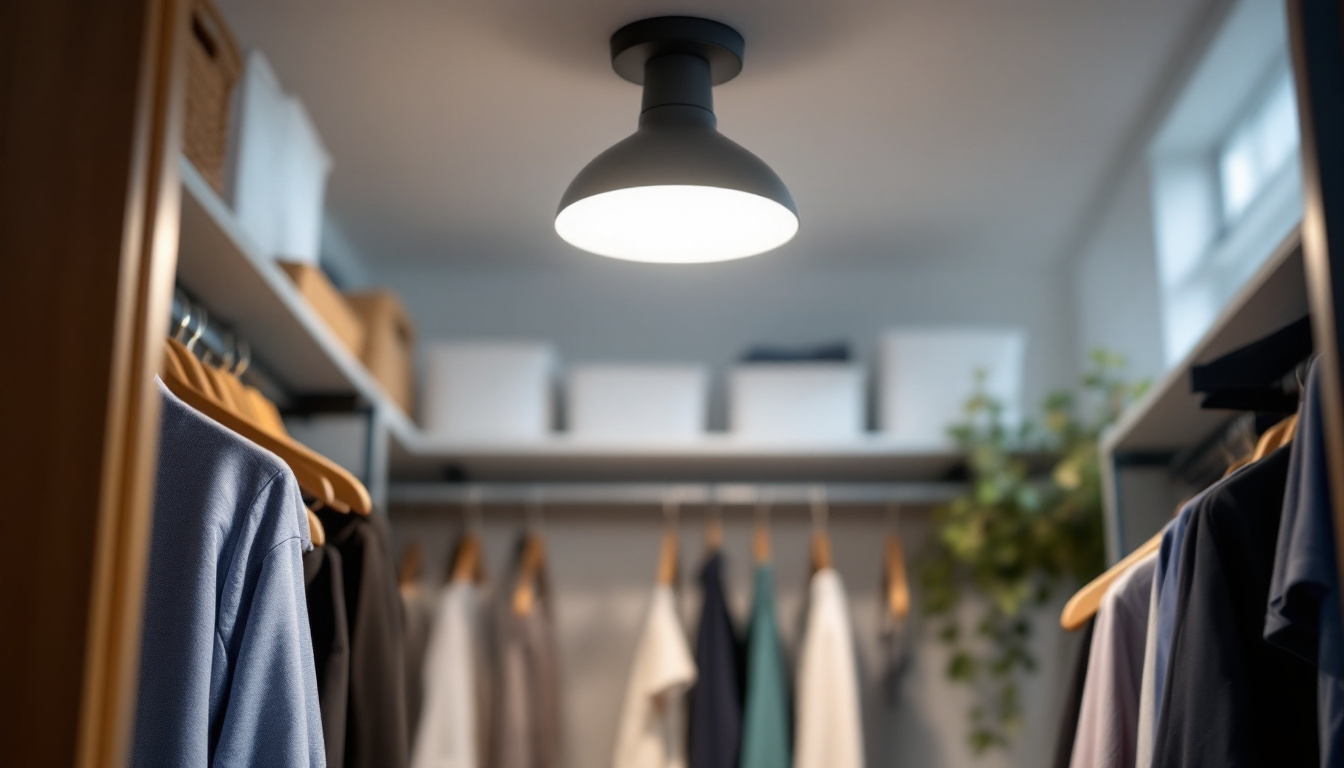
Lighting fixtures should complement the room’s acoustic treatments. Bulky or reflective fixtures can interfere with sound quality or clash with design elements. Choosing low-profile, matte-finished fixtures helps maintain both visual and audio integrity. Furthermore, the placement of these fixtures can be strategically planned to avoid direct interference with sound waves, ensuring that the acoustic panels and other soundproofing materials perform effectively. The use of dimmable lighting can also enhance the acoustic environment, allowing for adjustments that suit different types of performances or movie genres.
Contractors should collaborate closely with interior designers and AV specialists to ensure lighting enhances the overall theater experience without compromising other elements. This collaboration can lead to innovative solutions, such as integrating lighting with sound systems to create synchronized effects that elevate the viewer’s experience. Moreover, considering the color temperature of the lighting can influence the mood of the space, making it essential to select options that align with the intended atmosphere of the theater room, whether it be a cozy movie night or an exhilarating gaming session. By harmonizing these elements, the final result is a theater room that is not only functional but also a visually stunning and immersive environment.
Maintenance Tips to Keep Theater Lights Performing
Regular maintenance extends the life of lighting systems and preserves performance. Dust accumulation on fixtures reduces brightness and can cause overheating. Scheduling periodic cleanings, especially for recessed and accent lights, is essential.
Check dimmers and control systems for firmware updates and proper operation. Clients appreciate proactive advice on replacing bulbs before they fail, preventing interruptions during movie nights.
Upgrading and Future-Proofing
Technology evolves rapidly. Contractors should recommend systems that can accommodate future upgrades, such as adding new control features or integrating with emerging smart home platforms. Modular designs and standardized components make these transitions smoother and more cost-effective.
Advising clients on energy-efficient options not only reduces operating costs but also aligns with growing environmental awareness. LED retrofits and smart controls are investments that pay off over time.
Summary: Delivering Exceptional Theater Lighting Solutions
Effective theater room lighting requires a thoughtful approach that balances technical precision with user experience. Contractors who focus on layered lighting, smart controls, and seamless integration stand out in this niche market.
By understanding client needs, selecting appropriate fixtures, and ensuring safe, clean installations, lighting professionals can create theater environments that delight and impress. Maintenance and future-proofing considerations further enhance the value offered.
Ultimately, theater lighting is about more than illumination-it’s about crafting an immersive space where every movie night feels special. With these quick tips, contractors can confidently tackle the unique challenges and deliver outstanding results.
Illuminate Your Theater Room Projects with LumenWholesale
Ready to elevate your theater room installations with the finest lighting solutions? At LumenWholesale, we provide lighting contractors with the high-quality, spec-grade lighting products you need to create those immersive cinematic experiences. Our extensive selection is available at unbeatable wholesale prices, ensuring you get the best value for your projects. Say goodbye to local distributor markups and hello to hassle-free bulk buying with free shipping. Don’t compromise on quality or price. Visit LumenWholesale today and discover the perfect blend of quality, affordability, and convenience for your next theater room lighting project.