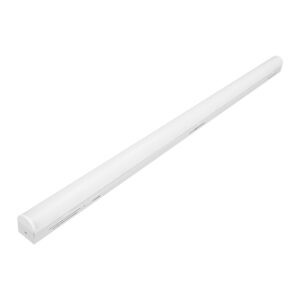
Lighting plays a crucial role in the retail environment, influencing not only the aesthetic appeal of a shop but also the operational efficiency and cost-effectiveness of lighting installations. For lighting contractors, understanding the nuances of retail shop lighting can lead to significant time and cost savings. This article explores how effective lighting solutions can streamline processes and enhance profitability for contractors.
The Importance of Effective Retail Shop Lighting
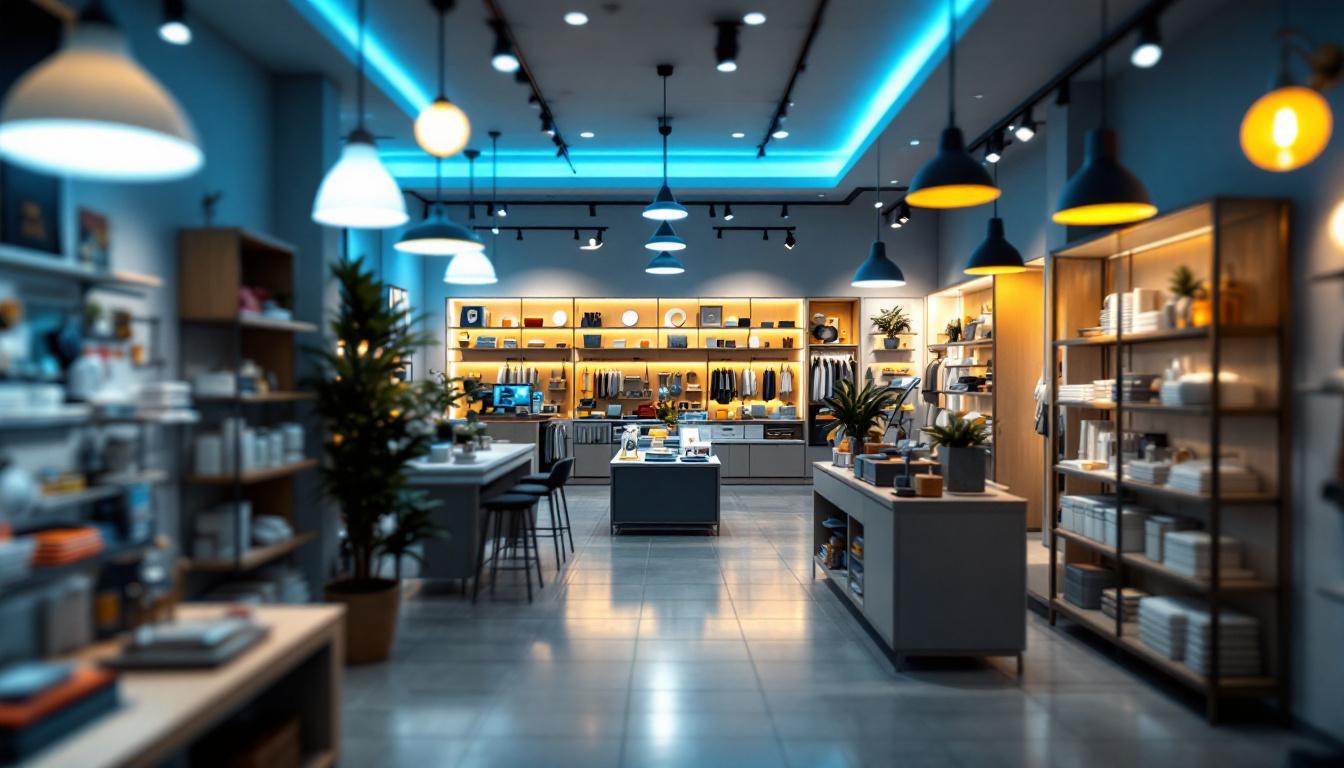
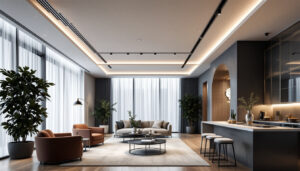
Retail shop lighting is more than just a necessity; it is a strategic tool that can enhance customer experience, influence purchasing decisions, and improve the overall ambiance of a retail space. Properly designed lighting can highlight products, create inviting atmospheres, and even impact the perceived value of merchandise.
From showcasing products to guiding customers through a store, the right lighting can transform a mundane shopping experience into an engaging one. For contractors, understanding the importance of these elements can lead to smarter installations and better client satisfaction.
Enhancing Customer Experience
The primary goal of retail lighting is to enhance the customer experience. Well-lit spaces make products more appealing and can even encourage customers to spend more time in a store. By utilizing various lighting techniques, such as accent lighting, ambient lighting, and task lighting, contractors can create a layered lighting design that draws customers in.
Moreover, a well-thought-out lighting plan can reduce the need for additional fixtures, minimizing installation time and costs. This not only benefits the contractor but also provides a more cohesive and inviting shopping environment for the retailer. For example, strategically placed spotlights can draw attention to high-margin items, while softer ambient lighting can create a relaxing atmosphere that encourages leisurely browsing. Additionally, incorporating dimmable lighting options allows retailers to adjust the mood based on the time of day or specific events, further enhancing the shopping experience.
Influencing Purchasing Decisions
Research indicates that lighting can significantly affect consumer behavior. Bright, warm lighting can create a sense of comfort, while cooler tones can evoke a modern feel. By understanding these psychological effects, lighting contractors can tailor their designs to align with the retailer’s brand and target audience.
For instance, a clothing store may benefit from warm lighting to create a cozy atmosphere, while a tech store might opt for cooler tones to convey a sleek, contemporary vibe. By strategically selecting lighting types and placements, contractors can help retailers enhance their product visibility and ultimately drive sales. Furthermore, the use of color temperature can play a crucial role in how products are perceived; for example, fresh produce in a grocery store can appear more vibrant and appealing under specific lighting conditions, encouraging customers to make healthier choices. This nuanced understanding of lighting can empower retailers to create a shopping environment that not only attracts customers but also fosters brand loyalty.
Time-Saving Techniques for Lighting Contractors
Time is a valuable resource for lighting contractors. Efficient lighting solutions can streamline the installation process, allowing contractors to complete projects more quickly and effectively. Here are some techniques that can save time during installations.
Pre-Planning and Design
One of the most effective ways to save time is through thorough pre-planning and design. By collaborating with retailers to understand their needs and preferences, contractors can develop a comprehensive lighting plan before any installation begins. This includes determining the types of fixtures required, their placement, and the overall lighting scheme.
Utilizing design software can also aid in visualizing the finished product, allowing for adjustments before any physical work starts. This proactive approach minimizes the likelihood of costly changes during installation, saving both time and money. Furthermore, engaging with clients early in the design phase can help clarify expectations and foster a collaborative environment, which often leads to smoother installations and fewer misunderstandings down the line.
Utilizing Modular Lighting Systems
Modular lighting systems are designed for flexibility and ease of installation. These systems often come with pre-wired components that can be quickly assembled on-site, reducing the time spent on complex wiring and fixture placements. For contractors, this means faster installations and the ability to take on more projects within the same timeframe.
Additionally, modular systems often allow for easy adjustments or expansions in the future, which can be a selling point for retailers looking for long-term solutions. This adaptability can also lead to repeat business for contractors, as satisfied clients are likely to return for future projects. Moreover, the use of modular systems can enhance the overall aesthetic appeal of a space, as they often come in a variety of styles and finishes, allowing for customization that aligns with the retailer’s brand identity. This not only saves time during installation but also elevates the quality of the finished project, making it more attractive to potential customers.
Cost-Effective Solutions for Retail Lighting
In addition to saving time, effective retail lighting can also lead to significant cost savings for both contractors and retailers. By implementing energy-efficient solutions and smart technologies, contractors can provide clients with options that reduce operational costs over time.
Energy-Efficient Lighting Options
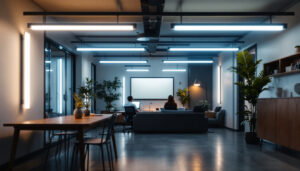
Energy-efficient lighting options, such as LED fixtures, have become increasingly popular in retail environments. These fixtures consume significantly less energy than traditional incandescent or fluorescent lights, leading to lower utility bills for retailers. For contractors, recommending energy-efficient solutions can enhance their reputation as knowledgeable professionals who prioritize sustainability.
Moreover, many energy-efficient products come with longer lifespans, reducing the frequency of replacements and maintenance. This not only saves money for retailers but also minimizes the need for contractors to return for service calls, allowing them to focus on new projects. Additionally, the reduced heat output of LED fixtures contributes to lower cooling costs in retail spaces, creating a more comfortable shopping environment for customers and further driving sales.
Smart Lighting Technologies
Smart lighting technologies, including programmable systems and sensors, can further enhance cost savings. These systems allow retailers to control their lighting based on occupancy, time of day, or even natural light levels, optimizing energy usage and reducing waste.
For contractors, integrating smart technologies into lighting designs can set them apart from competitors. By offering innovative solutions that provide long-term savings, contractors can build stronger relationships with clients and encourage referrals. Furthermore, the ability to monitor and adjust lighting remotely through mobile applications empowers retailers to maintain an optimal shopping experience without the need for constant oversight. This adaptability not only enhances customer satisfaction but also positions retailers as forward-thinking businesses that embrace modern technology, ultimately attracting a more tech-savvy clientele.
Challenges in Retail Shop Lighting
While there are numerous benefits to effective retail shop lighting, contractors may also face challenges during the design and installation processes. Understanding these challenges can help contractors develop strategies to overcome them.
Adapting to Different Retail Environments
Each retail environment presents unique challenges, from varying ceiling heights to different product displays. Contractors must be adaptable and creative in their approach to lighting design. This may involve customizing fixtures or adjusting lighting techniques to suit specific store layouts.
Additionally, contractors should be prepared to collaborate closely with retailers to ensure that the lighting design aligns with the overall brand image and customer experience goals. This collaborative approach can lead to more successful outcomes and satisfied clients.
Staying Updated with Industry Trends
The lighting industry is constantly evolving, with new technologies and design trends emerging regularly. For contractors, staying informed about these changes is essential to remain competitive. This may involve attending industry conferences, participating in training sessions, or following relevant publications.
By staying updated, contractors can offer the latest solutions to their clients, ensuring that their lighting designs are not only functional but also stylish and modern. This commitment to innovation can enhance a contractor’s reputation and lead to increased business opportunities.
Case Studies: Successful Retail Lighting Projects
Examining successful retail lighting projects can provide valuable insights for contractors looking to improve their own practices. These case studies highlight the impact of effective lighting solutions on retail environments.
Case Study 1: A High-End Fashion Boutique
A high-end fashion boutique sought to enhance its in-store experience and showcase its luxury products. The contractor implemented a combination of ambient and accent lighting, using warm LED fixtures to create an inviting atmosphere. The result was a dramatic transformation that not only improved product visibility but also elevated the store’s overall aesthetic.
Customer feedback indicated an increase in dwell time, leading to higher sales. The contractor’s ability to deliver a tailored lighting solution solidified their reputation as a go-to professional for luxury retail projects.
Case Study 2: A Large Electronics Retailer
A large electronics retailer faced challenges with energy costs and outdated lighting. The contractor proposed a comprehensive lighting overhaul, replacing old fixtures with energy-efficient LEDs and integrating smart lighting controls. This solution not only reduced energy consumption but also allowed for dynamic lighting adjustments based on customer traffic.
The retailer reported significant savings on their energy bills and an improved shopping experience for customers. The contractor’s expertise in energy-efficient solutions positioned them as a leader in the market, leading to additional contracts with other retailers.
Conclusion: The Future of Retail Shop Lighting
As the retail landscape continues to evolve, the importance of effective lighting solutions cannot be overstated. For lighting contractors, understanding the intricacies of retail shop lighting can lead to significant time and cost savings, ultimately enhancing their business operations.
By embracing energy-efficient technologies, smart lighting solutions, and innovative design techniques, contractors can position themselves as valuable partners to retailers. The future of retail shop lighting is bright, and those who adapt to these changes will thrive in an increasingly competitive market.
Illuminate Your Projects with LumenWholesale
Ready to elevate your retail lighting projects while saving time and money? At LumenWholesale, we provide lighting contractors with the high-quality, spec-grade lighting products you need at unbeatable wholesale prices. Say goodbye to inflated markups and hello to a vast selection of industry-standard lighting solutions that promise reliability and high performance. With the added convenience of free shipping on bulk orders, LumenWholesale is your go-to source for premium lighting without the premium price tag. Don’t compromise on quality or value—explore our collection now and discover the best in wholesale lighting.