Understanding the Role of a 400 W Light Bulb in Modern Lighting Projects
When it comes to high-intensity lighting needs, the 400-watt light bulb remains a cornerstone for many contractors. Despite the rise of LED technology and other energy-efficient alternatives, the 400 W bulb offers a unique balance of brightness and versatility that suits large-scale applications such as warehouses, gymnasiums, outdoor sports facilities, and industrial spaces.
For lighting contractors, knowing when and how to deploy a 400 W bulb effectively can make a significant difference in project outcomes. These bulbs are not just about raw power; they influence energy consumption, fixture compatibility, and overall lighting quality. Recognizing the specific niches where a 400 W bulb excels ensures that installations are both functional and cost-effective.
Why Choose a 400 W Bulb?
High wattage bulbs like the 400 W variant deliver intense illumination, often necessary for expansive or high-ceiling environments. The lumen output typically ranges between 20,000 to 40,000 lumens depending on the bulb type-metal halide, high-pressure sodium, or halogen. This intensity is crucial for safety, productivity, and visual clarity.
Contractors must weigh the advantages of such brightness against energy costs and heat output. While LEDs have made inroads in reducing wattage requirements, 400 W bulbs still hold relevance where retrofit costs or specific lighting characteristics are priorities.
Moreover, the color temperature of a 400 W bulb can also play a pivotal role in its application. For instance, metal halide bulbs emit a cooler, whiter light that enhances color rendering, making them ideal for environments like retail spaces where product visibility is key. In contrast, high-pressure sodium bulbs produce a warmer hue, which can create a more inviting atmosphere in outdoor settings such as parks or parking lots. Understanding these nuances allows contractors to tailor their lighting solutions to meet the specific needs of each project, ensuring that the chosen bulb not only illuminates but also enhances the overall aesthetic and functional qualities of the space.
Additionally, the longevity and maintenance considerations of 400 W bulbs cannot be overlooked. While they may require more frequent replacement than some modern alternatives, their robust construction makes them suitable for demanding environments where durability is essential. Many contractors opt for these bulbs in situations where the cost of downtime is high, as the immediate availability of replacement bulbs can mitigate potential disruptions. Therefore, the choice of a 400 W bulb often reflects a strategic decision that balances initial investment with long-term operational efficiency.
Choosing the Right 400 W Bulb Type for the Job
Not all 400 W bulbs are created equal. Lighting contractors must consider the bulb type, color temperature, lifespan, and compatibility with existing fixtures and controls.
Metal Halide Bulbs
Metal halide lamps are popular for their bright, white light and good color rendering index (CRI). They are often chosen for retail spaces, sports arenas, and parking lots. Their light quality enhances visibility and color differentiation, which is critical in environments where accurate color perception matters.
However, metal halide bulbs have a warm-up time and can be sensitive to frequent on/off cycling. Contractors should plan installations accordingly, especially in areas where lights may be switched frequently. Additionally, the maintenance of metal halide fixtures can be more demanding, as they require periodic relamping and cleaning to maintain optimal performance. The initial cost may also be higher than other bulb types, but the benefits in terms of light quality and effectiveness can justify the investment in many applications.
High-Pressure Sodium (HPS) Bulbs
High-pressure sodium bulbs emit a yellow-orange glow and are highly efficient in terms of lumens per watt. They are common in street lighting and industrial settings where energy savings are prioritized over color accuracy. Their longer lifespan and better energy efficiency make them attractive for projects focused on reducing maintenance and operational costs.
One limitation is their poor color rendering, which can be a drawback in retail or indoor environments where color distinction is vital. Despite this, HPS bulbs are favored for their ability to penetrate fog and rain, making them ideal for outdoor lighting applications. Moreover, their robust construction and resistance to vibration make them suitable for high-traffic areas. As cities increasingly adopt smart lighting solutions, HPS bulbs can also be integrated with sensors and controls to optimize energy use and enhance safety in public spaces.
Halogen Bulbs
Halogen lamps offer a bright, crisp light and instant-on capability. While less common at the 400 W level due to heat concerns and energy inefficiency compared to other types, they can be useful in specialized applications requiring precise light control and color fidelity.
These bulbs are often used in theatrical lighting and architectural applications where the quality of light is paramount. Their ability to dim smoothly and maintain color temperature makes them a favorite among lighting designers. However, it’s essential to consider the heat output when using halogen bulbs, as they can significantly raise ambient temperatures in enclosed spaces. Proper ventilation and fixture selection are crucial to ensure safety and efficiency when integrating halogen lighting into a project.
Integrating 400 W Bulbs with Smart Lighting Controls
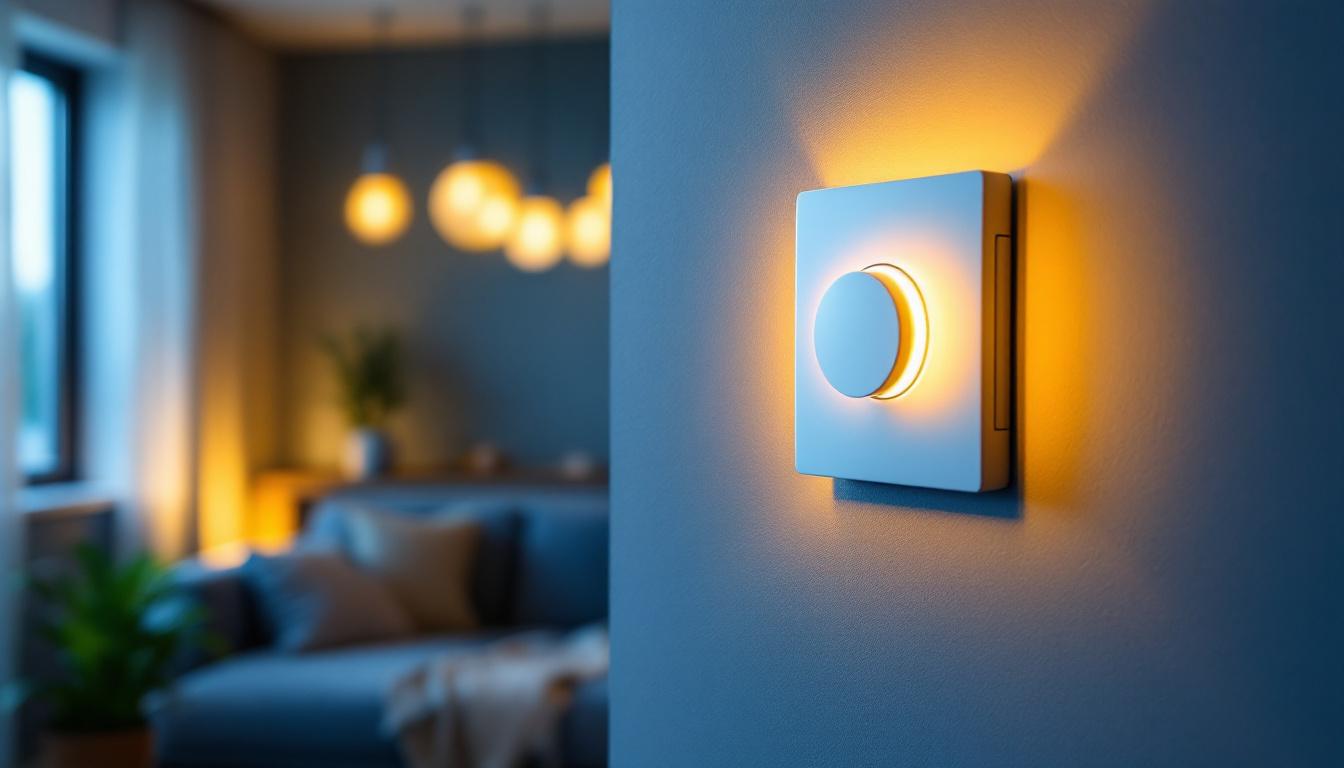
Smart lighting is no longer a luxury but a standard expectation in many commercial and industrial projects. Lighting contractors must understand how to integrate high-wattage bulbs like 400 W lamps into smart systems to optimize energy use and enhance user experience.
Dimming and Control Compatibility
Not all 400 W bulbs are dimmable, and those that are may require specific ballasts or drivers. Contractors should verify compatibility with dimming protocols such as 0-10V, DALI, or proprietary smart systems. Proper integration allows for dynamic lighting scenes, energy savings, and extended bulb life.
For example, a warehouse might use motion sensors to dim or switch off 400 W metal halide lamps in unoccupied zones, reducing energy consumption without compromising safety.
Retrofit Solutions
Many projects involve retrofitting existing fixtures designed for 400 W bulbs with LED equivalents. This approach preserves fixture investment while achieving energy efficiency gains. Contractors must evaluate ballast compatibility and ensure that retrofit kits meet local electrical codes and safety standards.
Smart controls can be layered on top of these retrofits, enabling remote monitoring and scheduling, which further enhances operational efficiency.
Energy Efficiency and Regulatory Considerations
Energy codes and regulations increasingly influence lighting choices. Contractors must balance the desire for high-intensity lighting with mandates for energy conservation and sustainability.
Energy Consumption and Cost Implications
A 400 W bulb consumes significant power, which translates into higher operational costs over time. Lighting contractors can provide value by recommending solutions that optimize wattage without sacrificing performance. For instance, using reflectors and optics to direct light more efficiently can reduce the number of fixtures needed.
Additionally, combining 400 W bulbs with occupancy sensors, timers, and daylight harvesting systems can cut energy waste substantially.
Compliance with Standards
Many jurisdictions require lighting installations to meet specific efficiency standards, such as those outlined by the International Energy Conservation Code (IECC) or local utility programs. Contractors should stay informed about these requirements to avoid costly rework and to qualify clients for rebates or incentives.
Choosing 400 W bulbs that meet or exceed these standards, or opting for LED alternatives when appropriate, ensures compliance and supports sustainability goals.
Maintenance and Longevity: Maximizing the Life of 400 W Bulbs
Maintenance considerations are critical for lighting contractors managing installations with 400 W bulbs. These bulbs can have shorter lifespans compared to LEDs, and their performance can degrade over time.
Scheduled Replacement and Monitoring
Implementing a maintenance schedule based on manufacturer recommendations helps prevent unexpected outages. Smart lighting systems with monitoring capabilities can alert facility managers when bulbs approach end-of-life, enabling proactive replacements.
Contractors can advise clients on the benefits of predictive maintenance, which reduces downtime and labor costs associated with emergency repairs.
Handling Heat and Fixture Compatibility
High-wattage bulbs generate considerable heat, which can affect fixture integrity and surrounding materials. Proper fixture selection and installation practices are essential to ensure safe operation and prolong bulb life.
Contractors should verify that fixtures are rated for 400 W bulbs and that ventilation or heat dissipation measures are in place, especially in enclosed or confined spaces.
Case Studies: Successful 400 W Bulb Applications
Examining real-world examples helps contractors understand practical applications and best practices.
Warehouse Lighting Upgrade
A large distribution center replaced outdated 400 W metal halide bulbs with LED retrofit kits while maintaining the same lumen output. By integrating occupancy sensors and daylight controls, the facility reduced energy consumption by nearly 50%. The retrofit preserved the existing fixture infrastructure, minimizing upfront costs and downtime.
Outdoor Sports Facility Illumination
A municipal sports complex relied on 400 W high-pressure sodium bulbs for field lighting. Contractors implemented a smart control system allowing dimming during non-peak hours and remote monitoring. This approach extended bulb life and improved energy efficiency without compromising visibility during events.
Industrial Plant Safety Lighting
In an industrial plant, 400 W metal halide bulbs were chosen for their color rendering and brightness to enhance safety in high-risk areas. The lighting contractor designed a maintenance plan incorporating smart sensors that tracked bulb performance and scheduled replacements, reducing unexpected failures and improving worker safety.
Final Thoughts: Strategic Use of 400 W Light Bulbs
For lighting contractors, the 400 W light bulb remains a powerful tool when applied thoughtfully. Understanding the nuances of bulb types, integrating smart controls, and adhering to energy and maintenance best practices ensures that installations meet client needs while optimizing performance and cost.
Smart lighting contractors who master these approaches can deliver solutions that balance brightness, efficiency, and longevity-key factors in successful lighting projects.
Illuminate Your Projects with LumenWholesale
Ready to elevate your lighting projects with the best in 400 W bulbs and smart lighting solutions? Look no further than LumenWholesale. Our commitment to quality and affordability ensures that you have access to the highest standard of spec-grade lighting products at prices that make sense for your bottom line. With free shipping on bulk orders, you can stock up on the lighting essentials you need without worrying about extra costs. Don’t let middleman markups dim your project’s potential. Choose LumenWholesale for a seamless purchasing experience and light up your projects with confidence. Discover the value we offer by visiting Wholesale Lighting at the Best Value today.