As the demand for energy-efficient and smart lighting solutions continues to grow, motion detector lamps have emerged as a popular choice among homeowners and businesses alike. However, even the most skilled lighting contractors can make mistakes when installing these innovative fixtures. Understanding common pitfalls can help ensure successful installations and satisfied clients. This article explores the frequent errors made by lighting contractors when working with motion detector lamps and offers insights on how to avoid them.
Understanding Motion Detector Technology
Before diving into the common mistakes, it is crucial to grasp the fundamentals of motion detector technology. Motion detectors use various sensing methods, such as passive infrared (PIR), ultrasonic, and dual-technology sensors, to detect movement within a designated area. These sensors trigger the lamp to turn on when they detect motion, providing convenience and energy savings. The ability to automate lighting not only enhances security but also contributes to energy efficiency, making it a popular choice for both residential and commercial applications.
Familiarity with the different types of sensors and their respective applications is essential for any lighting contractor. Each type has its strengths and weaknesses, making it vital to choose the right one based on the specific needs of the installation site. For instance, while PIR sensors are excellent for detecting larger movements, they may struggle in environments with frequent small movements, such as in a busy office or a home with pets. Understanding these nuances can significantly impact the effectiveness of the lighting system.
Types of Motion Detectors
There are primarily three types of motion detectors used in lamp installations: passive infrared (PIR), ultrasonic, and dual-technology sensors. PIR sensors are the most common, utilizing heat signatures to detect movement. They are ideal for outdoor lighting applications, as they can cover a wide area. However, it’s important to note that PIR sensors can be affected by environmental factors such as wind or temperature changes, which may lead to unintended activations.
Ultrasonic sensors, on the other hand, emit sound waves and detect changes in the frequency of the returning waves to identify movement. These sensors can be effective in indoor environments where obstacles may block infrared signals. Their sensitivity allows them to detect even the slightest movements, making them suitable for applications like security in hallways or monitoring areas with high foot traffic. However, their reliance on sound waves means they can be less effective in areas with heavy background noise or in spaces with many reflective surfaces that can distort the sound waves.
Dual-technology sensors combine both PIR and ultrasonic technologies, providing a more reliable detection method by minimizing false triggers. By requiring both types of detection to be activated before turning on the lights, these sensors ensure that only genuine movements are registered. This feature is particularly beneficial in environments where false alarms can be disruptive, such as in workplaces or residential areas with pets. Understanding the distinctions among these types will aid contractors in making informed decisions during installations, ensuring that the chosen technology aligns with the specific environmental conditions and user needs.
Common Mistakes in Installation
Even experienced lighting contractors can overlook critical aspects of motion detector lamp installations. Below are some of the most common mistakes made during the installation process.
Improper Sensor Placement
One of the most significant errors contractors make is improper sensor placement. The effectiveness of a motion detector lamp is heavily influenced by its location. Sensors should be positioned to cover the intended area without obstructions, such as trees, walls, or furniture.
Contractors should also consider the height at which the sensor is mounted. If installed too high, the sensor may not detect motion effectively, while mounting it too low could lead to false triggers from small animals or moving objects. A thorough assessment of the installation site is essential to determine the optimal sensor placement.
Ignoring Environmental Factors
Environmental factors can significantly impact the performance of motion detector lamps. Contractors often overlook elements such as temperature fluctuations, humidity, and direct sunlight. For instance, extreme temperatures can affect sensor sensitivity, resulting in unreliable performance.
Additionally, direct sunlight can cause false triggers, especially for PIR sensors. It is crucial to install the sensors in shaded areas or adjust their sensitivity settings to account for environmental conditions. Being mindful of these factors can lead to more reliable installations and increased customer satisfaction.
Neglecting Sensitivity Settings
Many contractors fail to adjust the sensitivity settings of motion detectors during installation. Each installation site has unique characteristics that may require different sensitivity levels. A sensor set too high may trigger unnecessarily, while one set too low may fail to detect legitimate motion.
Contractors should take the time to test and calibrate the sensitivity settings after installation. This ensures that the motion detector lamp operates effectively, minimizing false alarms and maximizing energy efficiency.
Misunderstanding Time Delay Settings
Time delay settings are another critical aspect of motion detector lamps that contractors often misunderstand. These settings determine how long the lamp remains on after detecting motion. A common mistake is setting the time delay too short, leading to the lamp turning off before the user has time to complete their task.
Balancing Convenience and Energy Efficiency
Finding the right balance between convenience and energy efficiency is essential. If the time delay is set too long, energy consumption may increase unnecessarily. Contractors should discuss the client’s needs and preferences to determine the most suitable time delay setting for each installation.
Additionally, educating clients about how to adjust these settings can empower them to customize their lighting experience further. Providing clear instructions can enhance customer satisfaction and reduce the likelihood of service calls for minor adjustments.
Overlooking User Instructions
Another common oversight is failing to provide users with proper instructions on how to operate and maintain their motion detector lamps. Many clients may not be familiar with the technology and could struggle to understand how to adjust settings or troubleshoot issues.
Contractors should take the time to explain the features and functions of the installed lamps. Providing written instructions or a quick demonstration can help clients feel more confident in using their new lighting system. This proactive approach can lead to fewer misunderstandings and a more positive experience for the customer.
Inadequate Wiring and Electrical Considerations
Electrical considerations play a crucial role in the successful installation of motion detector lamps. Contractors must ensure that wiring is done correctly and that the electrical system can handle the load of the new fixtures.
Choosing the Right Circuit
One common mistake is connecting motion detector lamps to circuits that are not suitable for their power requirements. Contractors should verify that the circuit can handle the wattage of the lamps being installed. Overloading a circuit can lead to tripped breakers or even electrical fires.
Additionally, it is essential to consider the type of wiring used in the installation. Using the appropriate gauge and type of wire is vital for safety and performance. Contractors should adhere to local electrical codes and regulations to ensure compliance and safety.
Failing to Test the System
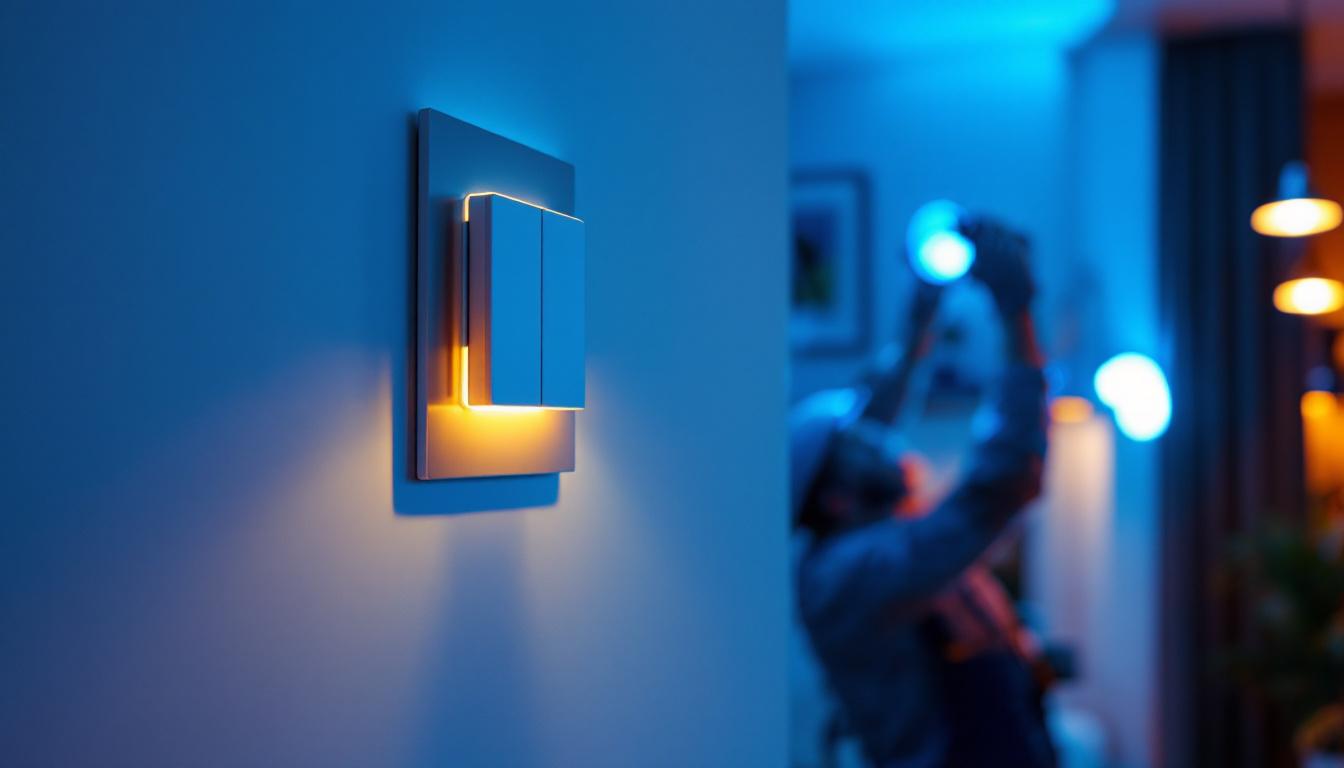
After completing the installation, some contractors neglect to test the system thoroughly. Testing the motion detector lamp ensures that it functions as intended and that all settings are properly configured. This step is crucial for identifying any issues before the client takes possession of the installation.
Contractors should conduct comprehensive tests, including checking the sensor’s range, sensitivity, and time delay settings. Taking the time to verify the system’s functionality can prevent potential problems and enhance customer satisfaction.
Not Considering Aesthetics
While functionality is paramount, aesthetics should not be overlooked during the installation of motion detector lamps. Many contractors focus solely on performance, neglecting how the fixtures will fit into the overall design of the space.
Choosing the Right Style and Finish
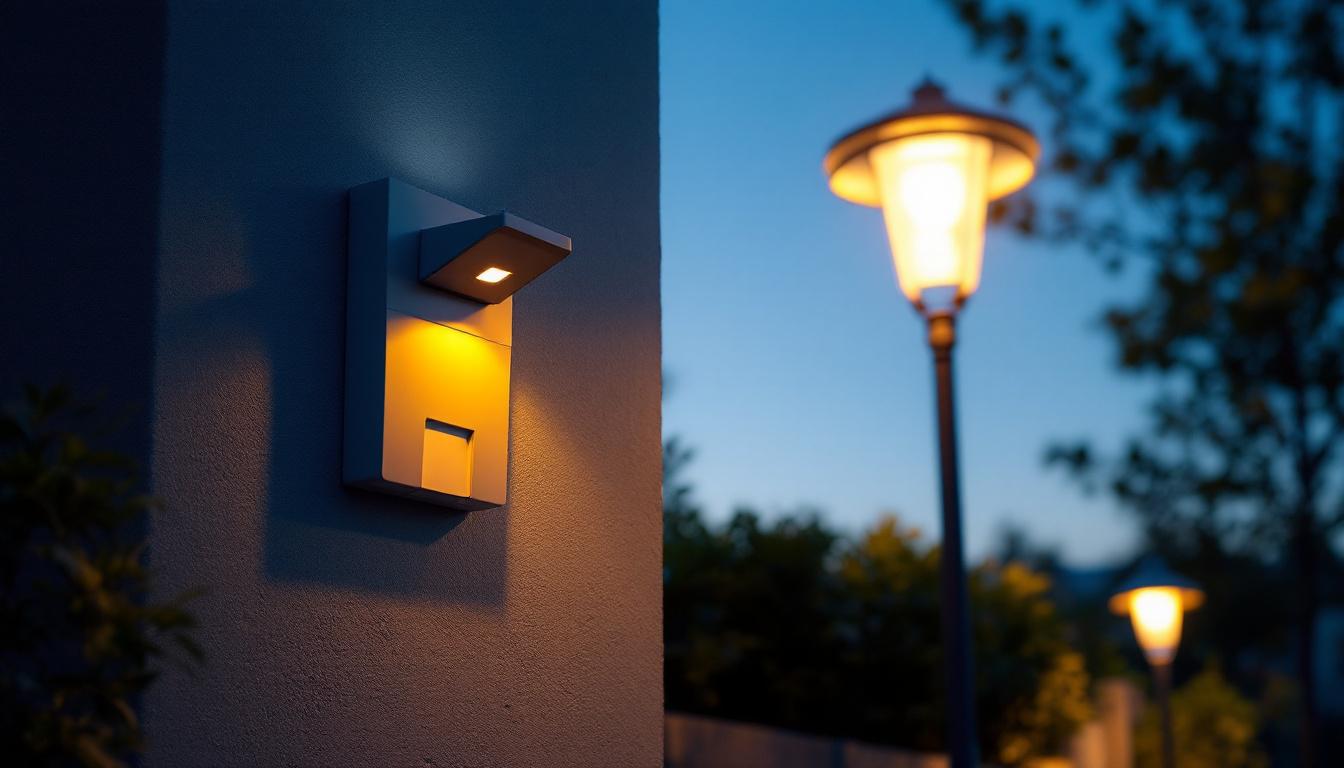
Motion detector lamps come in various styles and finishes, making it essential for contractors to consider the client’s preferences and the surrounding decor. Selecting fixtures that complement the architecture and design of the space can enhance the overall appearance and appeal.
Contractors should engage clients in discussions about their aesthetic preferences and offer recommendations based on the installation site. This collaborative approach can lead to more satisfying results and a more cohesive design.
Placement in Relation to Other Fixtures
Another aesthetic consideration is the placement of motion detector lamps in relation to other lighting fixtures. Properly coordinating the positioning of various light sources can create a harmonious lighting scheme that enhances the ambiance of the space.
Contractors should assess the overall lighting plan and ensure that motion detector lamps are integrated seamlessly with other fixtures. This attention to detail can elevate the client’s experience and contribute to a well-designed environment.
Conclusion
Installing motion detector lamps presents unique challenges for lighting contractors. By understanding the common mistakes outlined in this article, contractors can enhance their installation practices and deliver superior results to their clients. From proper sensor placement and sensitivity settings to electrical considerations and aesthetic choices, each aspect plays a vital role in the success of the installation.
Ultimately, a well-executed installation not only meets the functional needs of the client but also enhances the overall aesthetic of the space. By avoiding common pitfalls and prioritizing quality workmanship, lighting contractors can build a reputation for excellence and foster long-term relationships with their clients.
As the lighting industry continues to evolve, staying informed about the latest technologies and best practices will empower contractors to provide innovative solutions that meet the demands of today’s consumers. Embracing a comprehensive approach to motion detector lamp installations will ensure that contractors remain competitive and successful in their field.
Upgrade Your Lighting Game with LumenWholesale
Ready to avoid common installation mistakes and elevate your lighting projects? LumenWholesale is here to support you with premium, spec-grade lighting products at exceptional wholesale prices. Say goodbye to unnecessary markups and hello to a vast selection of reliable, high-performance lighting that meets the highest industry standards. With the convenience of free shipping on bulk orders, you can ensure your projects shine with quality and value. Don’t compromise on excellence. Discover wholesale lighting at the best value today and make every installation a success with LumenWholesale.