Introduction to UVC Light Bulbs in Sterilization
Ultraviolet C (UVC) light bulbs have become a significant topic in the lighting industry, particularly for their application in sterilization and disinfection. As lighting contractors, understanding the benefits and limitations of UVC technology is essential to advising clients accurately and implementing effective solutions. UVC light, with wavelengths between 200 and 280 nanometers, has been scientifically proven to inactivate bacteria, viruses, and other pathogens by disrupting their DNA and RNA, preventing replication.
In environments where hygiene and infection control are paramount—such as hospitals, laboratories, food processing plants, and even public spaces—UVC sterilization offers a chemical-free alternative to traditional cleaning methods. However, integrating UVC light bulbs into lighting systems requires careful consideration of safety, efficacy, and regulatory compliance.
One of the most compelling advantages of UVC light bulbs is their ability to provide continuous disinfection without the need for harsh chemicals that can harm both the environment and human health. This is particularly important in settings like hospitals, where the risk of healthcare-associated infections is a constant concern. UVC systems can be strategically placed in high-touch areas, such as waiting rooms and surgical suites, to ensure that surfaces remain free from harmful microorganisms. Moreover, advancements in UVC technology have led to the development of more efficient bulbs that consume less energy while maximizing output, making them a sustainable choice for long-term use.
Despite their benefits, it is crucial to address the safety concerns associated with UVC light exposure. Prolonged exposure to UVC radiation can be harmful to human skin and eyes, necessitating the implementation of safety measures such as motion sensors or timers to limit exposure when people are present. Additionally, the installation of UVC systems must adhere to strict guidelines set forth by health organizations and regulatory bodies to ensure that they are used effectively and safely. As the demand for UVC sterilization continues to grow, staying informed about the latest research and best practices will be vital for lighting contractors looking to provide their clients with safe and effective solutions.
The Advantages of UVC Light Bulbs for Sterilization
Effective Pathogen Inactivation
One of the most compelling reasons for using UVC light bulbs is their proven ability to neutralize a broad spectrum of microorganisms. Studies have shown that UVC light can inactivate up to 99.9% of harmful bacteria and viruses on surfaces and in the air. This makes UVC an invaluable tool in infection control strategies, especially in healthcare settings where reducing hospital-acquired infections (HAIs) is critical.
For lighting contractors, this means recommending UVC systems can add significant value to projects aimed at enhancing sanitary conditions. The technology’s chemical-free nature also appeals to clients looking to reduce reliance on disinfectants that may cause surface damage or leave residues. Furthermore, the rapid action of UVC light means that spaces can be sanitized quickly, allowing for shorter turnaround times in high-traffic areas, such as waiting rooms and operating theaters, where cleanliness is paramount.
Non-Chemical and Eco-Friendly Solution
Unlike traditional sterilization methods that rely on chemical agents, UVC light offers a sustainable and environmentally friendly alternative. It eliminates pathogens without producing harmful byproducts or requiring consumable chemicals. This can be particularly attractive for clients in sensitive environments such as schools, offices, and public transportation where chemical exposure is a concern.
Lighting contractors can highlight this eco-friendly aspect when proposing UVC solutions, aligning with growing trends toward sustainability and green building practices. Moreover, the longevity of UVC bulbs means less frequent replacements, contributing to reduced waste and lower overall maintenance costs. As more organizations strive to meet sustainability goals, the integration of UVC technology can serve as a testament to their commitment to health and environmental stewardship.
Integration with Existing Lighting Systems
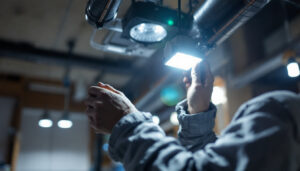
Modern UVC bulbs come in various form factors and can often be integrated into existing lighting fixtures or HVAC systems. This flexibility allows contractors to retrofit spaces without extensive renovations. For example, UVC lamps can be installed in air ducts to disinfect circulating air or placed in ceiling fixtures to sterilize room surfaces during unoccupied periods.
This adaptability simplifies installation and broadens the range of applications, making UVC technology a versatile addition to a contractor’s portfolio. Additionally, the ability to combine UVC lighting with smart technology can further enhance its effectiveness; for instance, integrating motion sensors can ensure that UVC lights activate only when a room is unoccupied, maximizing energy efficiency while maintaining a sterile environment. This innovative approach not only improves hygiene but also aligns with the increasing demand for smart building solutions that prioritize both health and operational efficiency.
The Challenges and Limitations of UVC Light Bulbs
Health and Safety Risks
Despite its benefits, UVC light poses significant health risks if not handled properly. Exposure to UVC radiation can cause skin burns and severe eye injuries such as photokeratitis, often described as a painful “welder’s flash.” Therefore, strict safety protocols must be followed during installation and operation.
Lighting contractors must educate clients on the importance of shielding, motion sensors, and interlocks that prevent accidental exposure. Additionally, UVC sterilization is generally performed in unoccupied spaces or within enclosed systems to mitigate these risks. Failure to implement adequate safety measures can lead to liability issues and undermine the technology’s effectiveness. Moreover, the psychological impact of UVC exposure fears can deter some clients from adopting this innovative technology, making it essential for contractors to provide thorough education and reassurance about safety measures in place.
Limited Penetration and Shadowing Effects
UVC light’s germicidal effect is limited to direct line-of-sight exposure. It cannot penetrate opaque surfaces or reach microorganisms hidden in crevices, under furniture, or behind objects. This limitation means that UVC sterilization should complement, not replace, routine cleaning practices.
Lighting contractors need to advise clients on realistic expectations and the importance of combining UVC with manual cleaning to achieve comprehensive disinfection. Designing UVC systems that minimize shadowed areas and maximize coverage is a critical aspect of successful implementation. Furthermore, the effectiveness of UVC can be influenced by factors such as distance from the light source and the duration of exposure, which necessitates careful planning and installation to optimize results. Understanding these nuances can empower clients to make informed decisions about their disinfection strategies and ensure a more effective use of UVC technology.
Bulb Lifespan and Maintenance Requirements
UVC bulbs typically have shorter lifespans compared to conventional LED or fluorescent lighting, often requiring replacement after a few thousand hours of use. Their germicidal effectiveness also diminishes over time, even if the bulb continues to emit visible light.
Regular maintenance and bulb replacement schedules are essential to ensure consistent sterilization performance. Contractors should factor these ongoing costs into project proposals and educate clients about the importance of upkeep to maintain safety and efficacy. Additionally, clients should be informed about the proper disposal methods for UVC bulbs, as they may contain hazardous materials that require special handling. This aspect of maintenance not only ensures compliance with environmental regulations but also promotes a responsible approach to technology use, reinforcing the contractor’s commitment to sustainability and safety in their practices.
Practical Considerations for Lighting Contractors
Regulatory Compliance and Standards
UVC sterilization devices are subject to regulations and standards that vary by region. For example, certain jurisdictions require compliance with electrical safety codes, radiation emission limits, and occupational health guidelines. Lighting contractors must familiarize themselves with these requirements to ensure installations are legal and safe.
Additionally, certifications from recognized bodies such as the International Electrotechnical Commission (IEC) or the Environmental Protection Agency (EPA) can serve as indicators of product quality and compliance, helping contractors select reliable UVC bulbs and systems.
Client Education and Communication
Successful deployment of UVC sterilization solutions depends heavily on clear communication with clients. Contractors should provide comprehensive information about how UVC works, its benefits, limitations, and safety precautions. This transparency builds trust and helps clients make informed decisions.
Demonstrating case studies or referencing scientific research can reinforce the credibility of UVC technology. Furthermore, offering training or user manuals for facility staff ensures proper operation and maintenance, maximizing the system’s lifespan and effectiveness.
Cost-Benefit Analysis
While UVC systems may involve higher upfront costs compared to traditional lighting, their potential to reduce infection rates and improve hygiene can translate into long-term savings, especially in healthcare or commercial environments. Lighting contractors should assist clients in evaluating these factors, considering installation expenses, maintenance, energy consumption, and the value of improved health outcomes.
Offering scalable solutions—from portable UVC units to integrated building-wide systems—allows contractors to tailor proposals to different budgets and needs, enhancing market competitiveness.
Emerging Trends and Future Outlook
Advancements in UVC Technology
Recent innovations include the development of far-UVC light (207–222 nm), which shows promise for safe use in occupied spaces due to its limited penetration into human skin and eyes. This could revolutionize sterilization by enabling continuous disinfection without health risks, expanding applications in public areas and workplaces.
Lighting contractors should stay informed about these technological advancements to anticipate future client demands and adapt their offerings accordingly.
Integration with Smart Building Systems
UVC sterilization is increasingly being integrated with smart building management systems, allowing remote monitoring, automated scheduling, and safety interlocks. This integration enhances operational efficiency and safety, providing contractors with opportunities to offer advanced, value-added services.
Embracing these digital solutions can differentiate contractors in a competitive market and meet the growing demand for intelligent, health-focused building technologies.
Conclusion
UVC light bulbs present a powerful tool for sterilization with clear advantages in pathogen inactivation, environmental friendliness, and adaptability. However, their use requires careful attention to safety, maintenance, and realistic expectations regarding their limitations. For lighting contractors, mastering the nuances of UVC technology enables the delivery of effective, compliant, and client-focused sterilization solutions.
By staying current with regulatory standards, technological innovations, and client education strategies, contractors can confidently incorporate UVC sterilization into their service offerings, contributing to healthier and safer indoor environments.
Discover Unmatched UVC Lighting Solutions at LumenWholesale
Ready to elevate your lighting projects with the most effective UVC sterilization technology? Look no further than LumenWholesale, where we provide lighting contractors with superior, spec-grade lighting products at unparalleled wholesale prices. Our commitment to quality and affordability ensures that you have access to the best UVC light bulbs that meet the highest industry standards for safety and performance. Take advantage of our hassle-free bulk buying process with free shipping and equip your projects with premium lighting solutions that promise quality, affordability, and convenience. Explore our extensive selection and secure the best value in wholesale lighting today by visiting Wholesale Lighting at the Best Value.