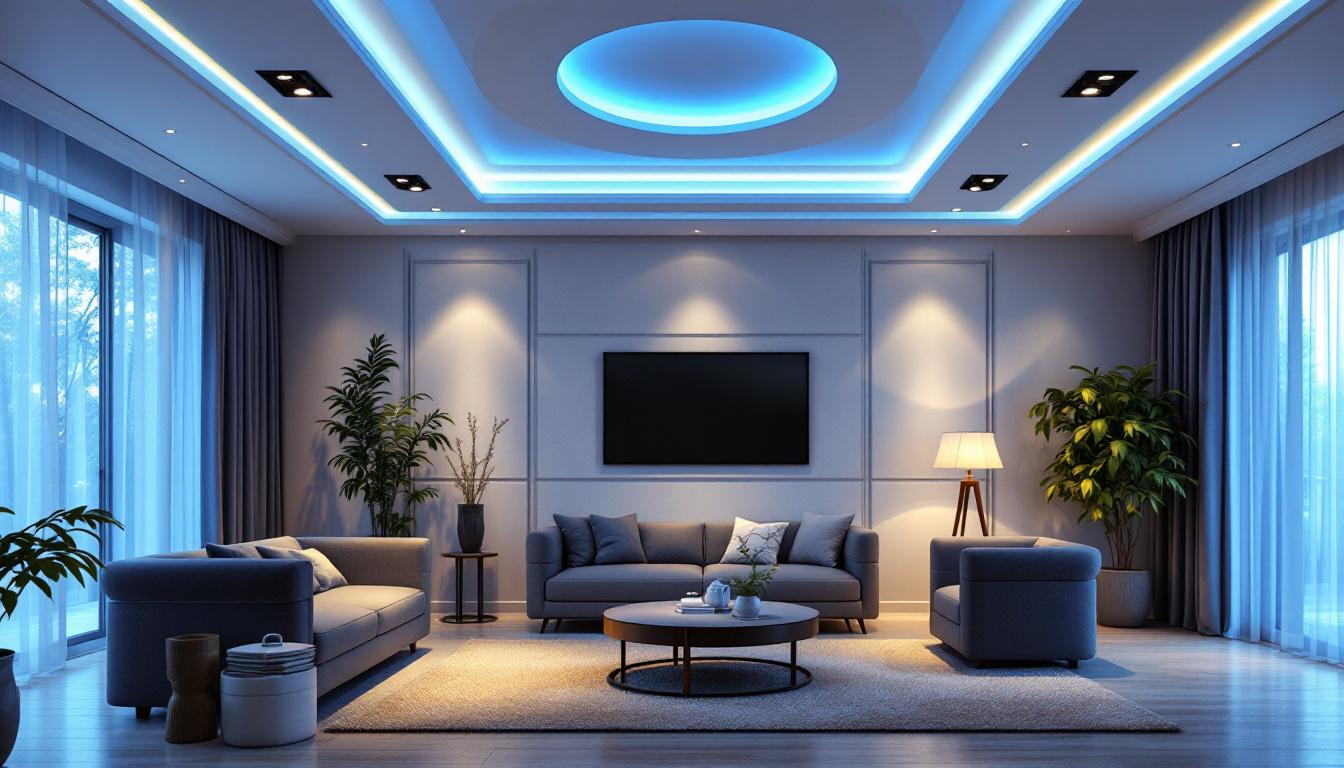
Overlooking the Importance of Beam Angle Selection
One of the most frequent missteps lighting contractors make when installing decorative ceiling spotlights is neglecting the beam angle’s impact on the overall lighting effect. The beam angle determines how wide or narrow the light spreads from the fixture, and choosing the wrong one can dramatically alter the ambiance and functionality of a space.
For example, a narrow beam angle (around 15° to 25°) is ideal for accentuating artwork or architectural features, creating focused pools of light. Conversely, a wider beam angle (35° to 60°) suits general illumination, distributing light evenly across a room. Using a narrow beam where broad coverage is needed results in dark spots and uneven lighting, while a wide beam in a focused application can wash out details and reduce contrast.
Contractors must carefully assess the room’s purpose and the client’s goals before selecting spotlights. This involves considering ceiling height, room size, and the objects or areas intended to be highlighted. Failing to do so often leads to costly revisions and dissatisfied clients.
Additionally, the color temperature of the light emitted can further influence the perception of space and color accuracy. A cooler light (above 4000K) can make a room feel more vibrant and energetic, ideal for workspaces or kitchens, while warmer light (below 3000K) creates a cozy and inviting atmosphere, perfect for living rooms or bedrooms. The interplay between beam angle and color temperature can enhance the overall design scheme, making it essential for contractors to have a comprehensive understanding of both elements.
Moreover, the placement of the fixtures in relation to the beam angle can significantly affect the lighting outcome. For instance, installing spotlights at varying heights or angles can create dynamic lighting effects that add depth and interest to a room. This technique not only highlights specific features but also contributes to a layered lighting approach, which is often recommended by interior designers for achieving a more sophisticated and visually appealing environment. By taking these factors into account, contractors can elevate their lighting designs and ensure they meet the aesthetic and functional needs of their clients.
Ignoring Color Temperature and Its Effect on Mood
Color temperature is another critical factor that often gets overlooked. Decorative ceiling spotlights come in various color temperatures, typically measured in Kelvins (K), ranging from warm white (2700K) to cool white (5000K and above). The choice directly influences the atmosphere and perceived comfort of a space.
Warm white light creates a cozy, inviting environment, perfect for residential settings, hospitality venues, and lounges. Cool white light, on the other hand, delivers a crisp, energetic feel, often preferred in offices, retail spaces, and kitchens. Mixing incompatible color temperatures can cause visual discomfort and disrupt the design harmony.
Lighting contractors should discuss color temperature preferences with clients early in the planning stage and ensure consistency across all fixtures. Using tunable white spotlights can provide flexibility, allowing users to adjust the ambiance based on time of day or activity.
Moreover, the psychological impact of color temperature extends beyond mere aesthetics; it can significantly influence productivity and well-being. For instance, research has shown that exposure to cooler light during the day can enhance alertness and cognitive function, making it an ideal choice for workspaces where focus is paramount. Conversely, as the day winds down, transitioning to warmer tones can help signal to the body that it’s time to relax, promoting a smoother transition into evening routines.
Additionally, the role of color temperature in highlighting architectural features and artwork cannot be understated. Warm lights can accentuate the rich textures of wood and fabric, while cooler lights can enhance the clarity and vibrancy of colors in paintings and sculptures. Thoughtfully selecting the right color temperature not only elevates the visual appeal of a space but also enriches the overall experience, making it essential for designers and homeowners alike to consider these factors when planning their lighting schemes.
Failing to Account for Glare and Shadow Management
Glare and shadows are common issues that arise when decorative ceiling spotlights are improperly positioned or selected. Excessive glare can cause eye strain and reduce visual comfort, while harsh shadows can distort the appearance of objects and make spaces feel unwelcoming.
Spotlights installed without considering their angle relative to the viewer or the objects they illuminate often create these problems. For instance, placing a spotlight directly overhead without angling it can produce unwanted shadows under furniture or facial features, which is especially problematic in retail or hospitality environments.
To mitigate glare and shadows, contractors should use adjustable fixtures and carefully plan the layout. Employing dimmers and diffusers can also help control light intensity and soften shadows. Testing the lighting setup before finalizing installation is crucial to ensure a balanced and comfortable environment.
Moreover, the color temperature of the light can play a significant role in how glare and shadows are perceived. Warmer tones tend to create a more inviting atmosphere, while cooler tones can enhance the starkness of shadows. In spaces where people gather, such as restaurants or lounges, a warmer light can promote relaxation and social interaction, whereas cooler light might be more appropriate in workspaces where focus and concentration are essential. Additionally, utilizing smart lighting technology can allow for adjustments based on the time of day or the activities taking place, further enhancing the adaptability of the space.
Another critical aspect to consider is the reflective surfaces within the environment. Glossy finishes on walls or furniture can amplify glare, making it essential to choose materials that complement the lighting design. Textured surfaces or matte finishes can help diffuse light more evenly, reducing the harshness of glare and softening the overall look of the space. By taking a holistic approach to lighting design, including fixture selection, color temperature, and surface materials, designers can create a harmonious environment that minimizes glare and shadows while maximizing aesthetic appeal.
Neglecting Compatibility with Dimmers and Smart Controls
Decorative ceiling spotlights often come with advanced features like dimming capabilities and smart controls. However, a common mistake is installing fixtures incompatible with existing dimmer switches or smart home systems, leading to flickering, buzzing, or complete failure to dim.
Not all LED spotlights are dimmable, and even among those that are, compatibility varies depending on the dimmer technology used (leading-edge vs. trailing-edge). Lighting contractors must verify the specifications of both the spotlights and control devices to ensure seamless integration.
In addition, as smart lighting becomes more prevalent, understanding protocols like Zigbee, Z-Wave, or Wi-Fi is essential. Selecting spotlights that support these systems enhances user experience and future-proofs installations. Skipping this step can result in costly retrofits and unhappy clients.
Underestimating Heat Dissipation Requirements
Heat management is a subtle but vital aspect of spotlight installation. LED spotlights, while more efficient than traditional bulbs, still generate heat that must be dissipated to maintain performance and longevity.
Installing fixtures in enclosed or poorly ventilated ceilings without accounting for heat buildup can lead to premature failure or reduced light output. Some decorative spotlights have integrated heat sinks designed to dissipate heat effectively, but these must be matched with appropriate ceiling materials and spacing.
Contractors should consult manufacturer guidelines regarding minimum clearance and ventilation needs. Ignoring these can compromise safety and increase maintenance costs over time.
Overcrowding the Ceiling with Too Many Spotlights
It might seem logical to increase the number of spotlights to achieve brighter illumination, but overcrowding the ceiling often backfires. Too many spotlights can create a cluttered look, cause uneven lighting, and waste energy.
Each spotlight casts its own beam and shadow patterns, and when fixtures are placed too close together, these patterns overlap in unflattering ways. This can result in hotspots-areas that are overly bright-and dark patches elsewhere.
Lighting contractors should perform detailed lighting layouts using software or manual calculations to determine the optimal number and placement of spotlights. Balancing the number of fixtures with their wattage and beam angles ensures an aesthetically pleasing and energy-efficient design.
Failing to Coordinate with Interior Design Elements
Decorative ceiling spotlights are not just functional; they contribute significantly to a room’s style. A common oversight is neglecting to coordinate the fixtures’ design, finish, and size with the interior décor.
For instance, sleek, minimalist spotlights might clash with ornate, traditional interiors, while bulky fixtures can overwhelm a delicate, modern space. The finish-be it matte black, brushed nickel, or polished chrome-should complement other hardware and furnishings.
Contractors should collaborate closely with interior designers or clients to ensure that the lighting fixtures enhance the overall aesthetic. This attention to detail elevates the project and satisfies clients’ expectations.
Ignoring Maintenance and Accessibility Considerations
Maintenance is often an afterthought but critical for the longevity and performance of decorative ceiling spotlights. Fixtures installed in hard-to-reach locations or without easy access for bulb replacement and cleaning can become a liability.
LED spotlights generally have long lifespans, but dust accumulation and occasional component failures still require attention. Lighting contractors should plan installations that allow for straightforward maintenance without the need for extensive ceiling work or scaffolding.
Providing clients with clear maintenance instructions and recommending periodic inspections can prevent premature fixture degradation and keep the lighting system functioning optimally.
Conclusion: Precision and Planning Are Key
Decorative ceiling spotlights can transform a space, adding depth, character, and functionality. However, the common mistakes outlined here-ranging from improper beam angle selection to neglecting maintenance-highlight the importance of careful planning and technical knowledge.
Lighting contractors who invest time in understanding the nuances of spotlight design, installation, and integration will deliver superior results that satisfy clients and stand the test of time. Avoiding these pitfalls not only improves the quality of the lighting but also enhances reputation and reduces costly callbacks.
Illuminate Your Projects with Confidence
Ready to elevate your lighting installations with precision and expertise? At LumenWholesale, we provide lighting contractors like you with the high-quality, specification-grade lighting products you need to avoid common pitfalls and exceed client expectations. With our unbeatable wholesale prices and commitment to cutting out the middleman, you can trust that you’re getting the best value for your investment. Our extensive selection is designed to meet the highest industry standards, ensuring every project shines with reliability and performance. Plus, with free shipping on bulk orders, you can stock up on premium lighting without worrying about hidden fees. Don’t compromise on quality or cost—choose LumenWholesale for a seamless blend of affordability and convenience. Wholesale Lighting at the Best Value is just a click away.