As the world increasingly turns to sustainable practices, the demand for efficient and effective lighting solutions in agriculture and horticulture has surged. LED plant growth lights have emerged as a pivotal technology, enabling lighting contractors to provide innovative solutions to their clients. Understanding the nuances of these lights is essential for any contractor looking to expand their expertise in this growing market.
Understanding LED Plant Growth Lights
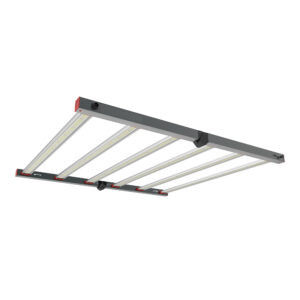
LED plant growth lights are specifically designed to support plant growth by emitting light in the spectrum that plants require for photosynthesis. Unlike traditional lighting, which often wastes energy by producing light outside of the usable spectrum, LED technology focuses on delivering the right wavelengths that plants thrive on. This precision not only enhances the growth rate but also improves the overall health of the plants, making them more resilient to pests and diseases.
How LED Lights Work
LED lights operate by passing an electric current through a semiconductor material, which then emits light. This process is highly efficient, converting a significant portion of energy into light rather than heat. This efficiency not only reduces energy costs but also minimizes heat output, which can be detrimental to plant health. The ability to customize the light spectrum allows growers to create specific light recipes that cater to the unique needs of different plant species, ensuring that each plant receives the optimal conditions for growth.
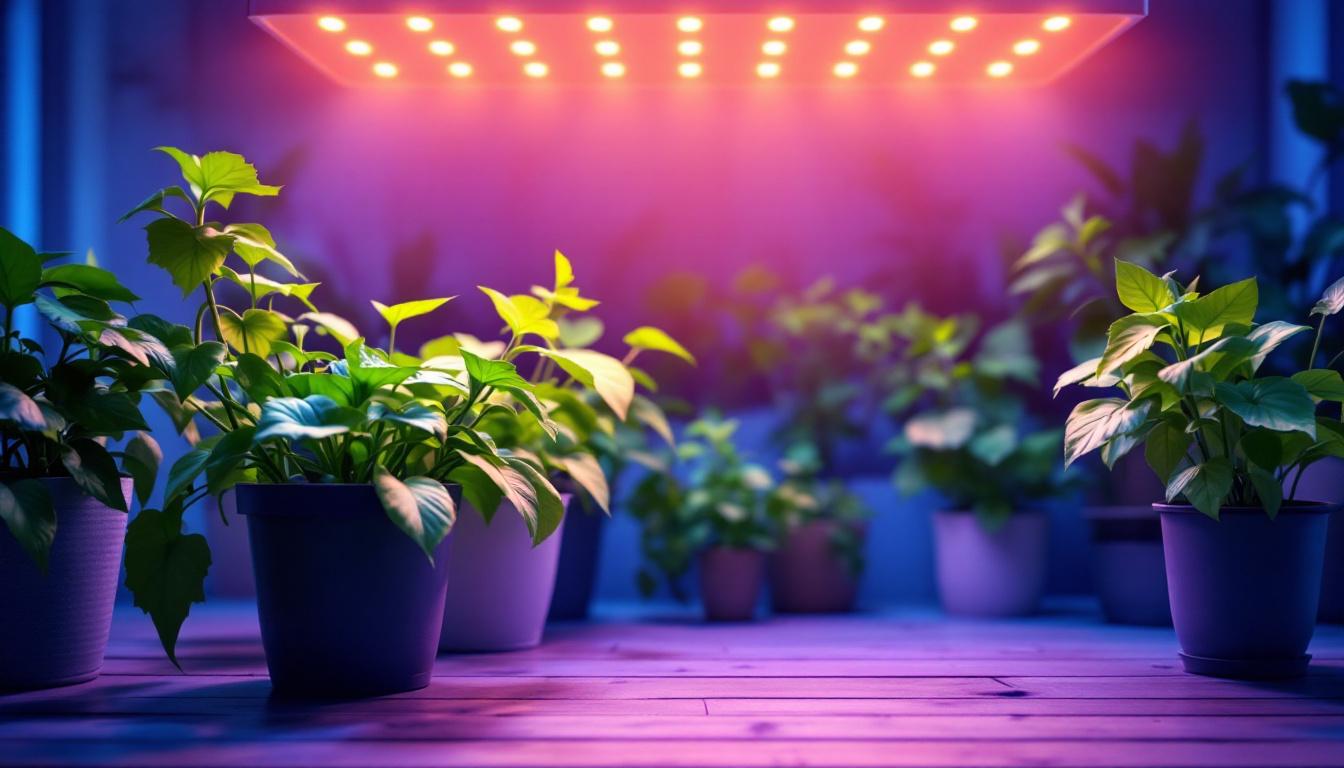
Moreover, LED lights can be engineered to emit specific wavelengths, typically in the blue and red spectrum, which are crucial for different stages of plant growth. Blue light promotes vegetative growth, while red light is essential for flowering and fruiting. This tunability allows for a tailored approach to plant lighting, making LEDs an ideal choice for various horticultural applications. Some advanced LED systems even offer programmable settings, allowing growers to simulate natural sunlight patterns, which can further enhance plant development and mimic seasonal changes.
Benefits of Using LED Plant Growth Lights
The advantages of LED plant growth lights extend beyond energy efficiency. One of the most significant benefits is their longevity. LED lights can last up to 50,000 hours or more, significantly reducing the need for frequent replacements and maintenance. This durability is particularly advantageous in commercial settings where downtime can lead to financial losses. Additionally, the lower energy consumption of LEDs means that growers can allocate their resources more effectively, investing in other areas of their operations.
Additionally, LED lights produce minimal heat compared to traditional lighting options. This feature allows them to be placed closer to plants without the risk of overheating, optimizing light exposure and promoting healthy growth. Furthermore, the reduced heat output contributes to better climate control within growing environments, which is vital for maintaining optimal conditions for plant health. Beyond these practical benefits, using LED lights can also contribute to sustainability efforts, as they consume less electricity and can be powered by renewable energy sources, aligning with the growing trend towards eco-friendly agricultural practices. As more growers recognize these advantages, the adoption of LED technology continues to rise, transforming the landscape of indoor and greenhouse gardening.
Choosing the Right LED Grow Light
For lighting contractors, selecting the right LED grow light involves understanding the specific needs of the plants and the growing environment. Different plants have varying light requirements, and the growing stage—whether it’s seedling, vegetative, or flowering—also influences the choice of lighting.
Light Spectrum Considerations
When selecting LED grow lights, it’s crucial to consider the light spectrum. Full-spectrum LED lights are designed to mimic natural sunlight, providing a balanced mix of wavelengths that cater to all stages of plant growth. These lights can be particularly beneficial in indoor growing environments where natural sunlight is limited.
In contrast, specialized LED lights that focus on specific wavelengths can be used strategically to enhance particular growth phases. For instance, using blue light during the vegetative stage can lead to stronger, bushier plants, while red light during flowering can increase yield and fruit quality. Understanding these nuances allows contractors to make informed recommendations to their clients.
Light Intensity and Coverage
Another critical factor in choosing LED grow lights is light intensity and coverage area. Different plants require varying levels of light intensity, measured in micromoles per square meter per second (µmol/m²/s). Lighting contractors should assess the specific needs of the plants being grown and select lights that provide adequate intensity for the coverage area.
Moreover, the arrangement of lights plays a significant role in ensuring even light distribution. Overlapping light coverage can help eliminate shadowed areas, promoting uniform growth across all plants. Contractors should consider the layout of the growing space and the height of the lights to achieve optimal results.
Installation Best Practices
Proper installation of LED plant growth lights is essential for maximizing their effectiveness. Lighting contractors must be familiar with best practices to ensure that the lights are set up correctly and safely. This involves not only the physical installation but also electrical considerations.
Electrical Considerations
Before installation, it is vital to assess the electrical capacity of the growing space. LED lights typically require a specific voltage and amperage, and ensuring that the electrical system can handle these requirements is crucial. Contractors should also consider using timers and dimmers to provide flexibility in light schedules and intensity, which can further optimize plant growth.
Additionally, safety should always be a priority. Proper wiring and secure mounting of lights can prevent accidents and ensure a safe working environment. It’s advisable to follow local electrical codes and regulations during installation to avoid potential hazards.
Positioning and Height Adjustment
The positioning of LED grow lights is another critical aspect of installation. Lights should be hung at an appropriate height to provide adequate light intensity without causing heat stress to the plants. As plants grow, the height of the lights may need to be adjusted to maintain optimal distance.
Many LED grow lights come with adjustable mounting systems that allow for easy height adjustments. Contractors should educate their clients on the importance of monitoring plant growth and adjusting light height accordingly to ensure continued success.
Maintenance and Troubleshooting
While LED lights are known for their longevity and low maintenance requirements, regular checks and maintenance are still necessary to ensure optimal performance. Lighting contractors should provide clients with guidelines on how to care for their LED grow lights effectively.
Regular Inspections
Regular inspections of the lighting system can help identify potential issues before they escalate. Contractors should advise clients to check for any signs of wear or damage, such as flickering lights or changes in light intensity. Addressing these issues promptly can prevent more significant problems down the line.
Cleaning the lights is also essential, as dust and debris can accumulate and reduce light output. A simple wipe-down with a soft cloth can help maintain the efficiency of the lights. Contractors should recommend a cleaning schedule to their clients based on the environment in which the lights are used.
Troubleshooting Common Issues
In the event of issues arising with LED grow lights, having a troubleshooting guide can be invaluable. Common problems may include flickering lights, inadequate light intensity, or uneven coverage. Contractors should be prepared to assist clients in diagnosing these issues and providing solutions.
For example, if lights are flickering, it could indicate a loose connection or a problem with the power supply. Inadequate light intensity may require adjustments in height or the addition of more lights to achieve the desired coverage. By being proactive in troubleshooting, contractors can enhance their reputation and build trust with their clients.
Future Trends in LED Plant Growth Lighting
The field of LED plant growth lighting is continually evolving, with new technologies and innovations emerging regularly. Lighting contractors should stay informed about these trends to provide the best solutions for their clients.
Smart Lighting Solutions
One of the most exciting trends in LED plant growth lighting is the integration of smart technology. Smart lighting systems allow for remote monitoring and control, enabling growers to adjust light schedules and intensity from their smartphones or computers. This level of control can lead to better resource management and improved plant health.
Additionally, smart systems can be programmed to respond to environmental conditions, adjusting light output based on temperature, humidity, and other factors. This adaptability can optimize growing conditions and enhance overall efficiency.
Advancements in Light Spectrum Technology
Research into the effects of different light spectra on plant growth continues to advance. As scientists discover more about how plants respond to various wavelengths, LED technology will likely evolve to incorporate these findings. This could lead to the development of more specialized grow lights that cater to specific plant types or growth stages, further enhancing the effectiveness of LED lighting solutions.
Conclusion
As the demand for efficient and sustainable lighting solutions in agriculture grows, understanding LED plant growth lights becomes increasingly important for lighting contractors. By familiarizing themselves with the technology, benefits, and best practices associated with LED lighting, contractors can better serve their clients and position themselves as experts in the field.
From selecting the right lights to ensuring proper installation and maintenance, every aspect of LED plant growth lighting offers opportunities for contractors to enhance their services. By staying informed about industry trends and advancements, lighting contractors can continue to thrive in this evolving market, providing valuable solutions that support sustainable agricultural practices.
Get Your LED Plant Growth Lights at LumenWholesale
Ready to elevate your lighting projects with the best LED plant growth lights on the market? Look no further than LumenWholesale. Our commitment to quality and affordability ensures that you receive spec-grade lighting products that meet the highest industry standards. With unbeatable wholesale prices and the convenience of free shipping, we make it easy for you to access premium lighting solutions for all your agricultural needs. Don’t let inflated markups stand in the way of your project’s success. Choose LumenWholesale for hassle-free bulk buying and experience the perfect blend of quality, affordability, and convenience. Take the first step towards superior lighting by visiting our selection at Wholesale Lighting at the Best Value.