In the world of lighting design, the ceiling plays a crucial role in determining the overall ambiance and functionality of a space. For lighting contractors, understanding the nuances of ceiling lighting is essential to delivering projects that not only meet client expectations but also enhance the aesthetic appeal of interiors. This article aims to provide valuable insights and practical advice for lighting contractors focused on ceiling lighting solutions.
Understanding Ceiling Types and Their Impact on Lighting
The first step in effective ceiling lighting design is understanding the different types of ceilings and how they influence lighting choices. From flat ceilings to vaulted or coffered designs, each type presents unique challenges and opportunities for lighting contractors.
Flat Ceilings
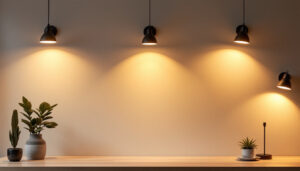
Flat ceilings are the most common type found in residential and commercial spaces. They offer a straightforward approach to lighting design, allowing for the easy installation of recessed lights, surface-mounted fixtures, and pendant lights. When working with flat ceilings, consider the height and layout of the room to determine the best placement for fixtures. This ensures even illumination and avoids dark spots.
Additionally, the choice of light color temperature can significantly affect the mood of the space. Warmer tones create a cozy atmosphere, while cooler tones can enhance productivity in workspaces. It’s essential to discuss these options with clients to align the lighting design with their vision. Moreover, the use of dimmers can provide flexibility, allowing occupants to adjust the brightness according to their needs, whether for a lively gathering or a quiet evening at home.
Vaulted Ceilings
Vaulted ceilings add an element of grandeur to any room, but they also pose unique challenges for lighting. The height of these ceilings can make it difficult to achieve the desired level of illumination without overwhelming the space with fixtures. Lighting contractors should consider using a combination of ambient, task, and accent lighting to create a balanced effect.
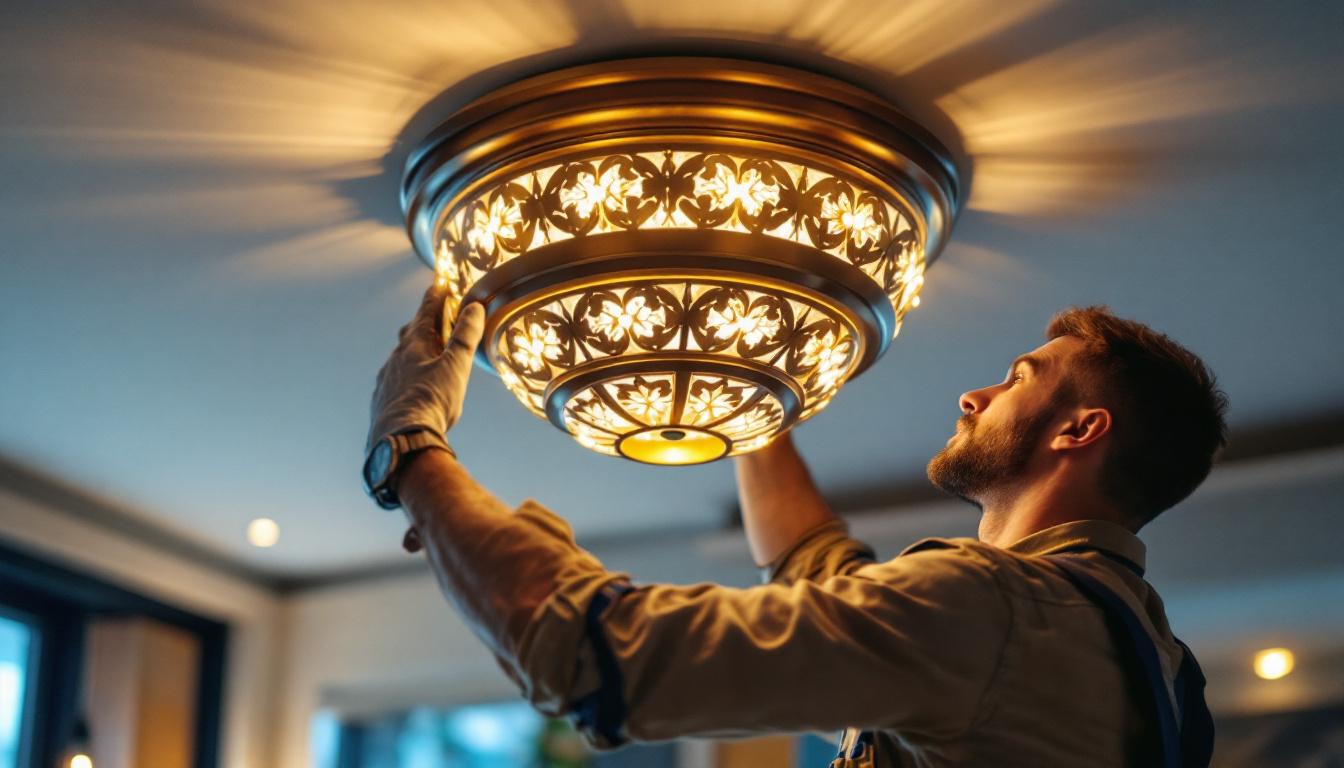
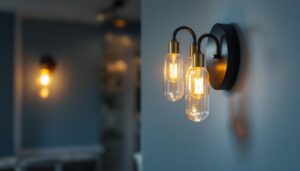
Installing fixtures at varying heights can also help draw the eye upward, emphasizing the architectural features of the ceiling. For example, using pendant lights or chandeliers can create a focal point, while recessed lighting can provide general illumination. Always take into account the scale of the room and the fixtures to maintain harmony in the design. Additionally, incorporating wall sconces can enhance the vertical lines of the room, creating a more cohesive look while providing additional layers of light that contribute to the overall ambiance.
Coffered Ceilings
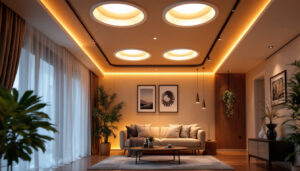
Coffered ceilings offer a sophisticated touch to interiors, with their grid-like patterns creating depth and texture. When designing lighting for coffered ceilings, it’s important to highlight the architectural details without overpowering them. Recessed lighting is often a popular choice, as it can be strategically placed within the coffers to create a soft glow that accentuates the design.
Incorporating LED strip lighting along the edges of the coffers can also enhance the visual appeal. This type of lighting provides a subtle yet effective way to illuminate the ceiling while adding an elegant touch. Contractors should work closely with clients to select the right brightness and color to complement the overall design scheme. Furthermore, using smart lighting technology can allow for dynamic control over the lighting, enabling homeowners to adjust settings based on the time of day or specific activities, thus enhancing the functionality and aesthetic of the space. The interplay of light and shadow created by the coffered design can also be manipulated to evoke different moods, making it a versatile choice for various settings.
Choosing the Right Fixtures
Once the ceiling type has been established, the next step is selecting the appropriate fixtures. The right lighting can transform a space, highlighting its best features and creating the desired atmosphere. Here are some key considerations for lighting contractors.
Energy Efficiency
In today’s environmentally conscious world, energy efficiency is a top priority. LED lighting has become the go-to choice for many contractors due to its long lifespan and low energy consumption. When advising clients, emphasize the benefits of LED fixtures, including reduced utility bills and a smaller carbon footprint.
Moreover, many LED products now come in a variety of styles and color temperatures, making it easier to find options that fit both aesthetic and functional needs. Encourage clients to consider dimmable LED fixtures, which offer flexibility in adjusting the light levels according to different activities and moods. Additionally, integrating smart lighting systems can further enhance energy efficiency; these systems allow users to control their lighting remotely and set schedules, ensuring that lights are only on when needed, which can lead to significant energy savings over time.
Style and Design
The style of the fixtures should align with the overall design theme of the space. Whether the project leans towards modern, traditional, or eclectic styles, there are countless options available. Pendant lights, chandeliers, and wall sconces can serve as statement pieces, while recessed lights and track lighting can provide subtle background illumination.
When selecting fixtures, consider the scale and proportion relative to the room size. Oversized fixtures can dominate a small space, while too-small fixtures may get lost in a larger area. It’s crucial to strike a balance that enhances the room’s aesthetics without overwhelming it. Additionally, consider the finish of the fixtures; materials such as brushed nickel, matte black, or antique brass can add a layer of texture and interest, complementing the overall design scheme. Customization options, such as interchangeable shades or adjustable heights, can also provide a unique touch that personalizes the space.
Functionality and Purpose
Understanding the purpose of each room is vital in determining the lighting needs. For example, kitchens require bright, focused lighting for tasks like cooking, while bedrooms benefit from softer, ambient lighting for relaxation. Collaborating with clients to identify how they plan to use each space will guide the selection of appropriate fixtures.
In addition, consider layering different types of lighting—ambient, task, and accent—to create a versatile and functional lighting scheme. This approach allows for flexibility in how spaces are used, catering to various activities and moods throughout the day. For instance, in a home office, a combination of overhead lighting for general illumination, task lighting for focused work, and accent lighting to highlight artwork can create an inspiring and productive environment. Furthermore, incorporating natural light sources, such as strategically placed mirrors or light tubes, can enhance the overall brightness of a space, reducing the reliance on artificial lighting during the day.
Installation Best Practices
Proper installation is crucial for ensuring that ceiling lighting performs as intended. Lighting contractors should adhere to best practices to avoid common pitfalls and ensure client satisfaction.
Planning and Layout
Before installation begins, a detailed lighting plan should be developed. This plan should include the placement of fixtures, the type of lighting to be used, and any necessary wiring or electrical considerations. Taking the time to plan thoroughly can prevent costly mistakes and rework later on.
Using software tools for lighting design can help visualize the layout and make adjustments as needed. These tools can also assist in calculating the required wattage and ensuring compliance with local building codes and regulations.
Safety Considerations
Safety should always be a top priority during installation. Contractors must ensure that all electrical work is performed according to code and that fixtures are securely mounted. Proper grounding and circuit protection are essential to prevent electrical hazards.
Additionally, when working with high ceilings, using appropriate ladders and safety equipment is crucial. Contractors should also be mindful of their surroundings and take precautions to protect clients’ property during the installation process.
Testing and Adjustments
After installation, it’s important to test the lighting to ensure it meets the desired specifications. This includes checking for even illumination, verifying dimmer functionality, and ensuring that all fixtures are operating correctly. Any necessary adjustments should be made before completing the project.
Encouraging clients to provide feedback during this phase can help identify any areas that may need further refinement. Open communication fosters trust and ensures that the final result aligns with the client’s vision.
Trends in Ceiling Lighting
The lighting industry is continually evolving, with new trends emerging that can enhance ceiling lighting design. Staying informed about these trends can help lighting contractors offer innovative solutions to their clients.
Smart Lighting Solutions
Smart lighting has gained popularity in recent years, allowing users to control their lighting through mobile apps or voice commands. Integrating smart technology into ceiling lighting systems can provide clients with added convenience and flexibility. This trend is particularly appealing to tech-savvy homeowners looking to enhance their living spaces.
Contractors should familiarize themselves with various smart lighting products and systems, ensuring they can recommend compatible options that fit the client’s needs. Offering smart lighting solutions can set contractors apart in a competitive market.
Minimalist Designs
Minimalism continues to be a dominant trend in interior design, with clean lines and simplicity taking precedence. Lighting fixtures that embody minimalist aesthetics, such as sleek pendant lights or unobtrusive recessed lighting, can complement modern spaces beautifully.
Contractors should be prepared to suggest minimalist options that align with the overall design vision while ensuring functionality. This approach can help create harmonious environments that resonate with clients seeking a contemporary look.
Biophilic Design
Biophilic design focuses on incorporating natural elements into interior spaces, promoting well-being and connection to nature. Lighting that mimics natural daylight or incorporates organic shapes can enhance this design philosophy. Contractors can explore options such as fixtures made from natural materials or those that simulate daylight to create a calming atmosphere.
By understanding and embracing biophilic design principles, lighting contractors can offer solutions that resonate with clients looking to create serene and inviting spaces.
Conclusion
Ceiling lighting is a critical aspect of any lighting design project, influencing both functionality and aesthetics. For lighting contractors, understanding the various ceiling types, selecting the right fixtures, adhering to installation best practices, and staying abreast of current trends are essential for success.
By applying the insights and advice outlined in this article, lighting contractors can enhance their expertise and deliver exceptional results that meet and exceed client expectations. Ultimately, the goal is to create beautifully lit spaces that enhance the quality of life for those who inhabit them.
Illuminate Your Projects with LumenWholesale
Ready to elevate your lighting projects with the finest selection of ceiling lights? At LumenWholesale, we provide lighting contractors like you with spec-grade lighting products that combine quality and affordability. Say goodbye to local distributor markups and hello to our unbeatable wholesale prices. Our extensive inventory meets rigorous industry standards, ensuring each fixture you install is as reliable as it is striking. Plus, with free shipping on bulk orders, you can stock up on premium lighting solutions without worrying about hidden costs. Don’t compromise on quality or value—choose Wholesale Lighting at the Best Value and light up your projects with confidence.