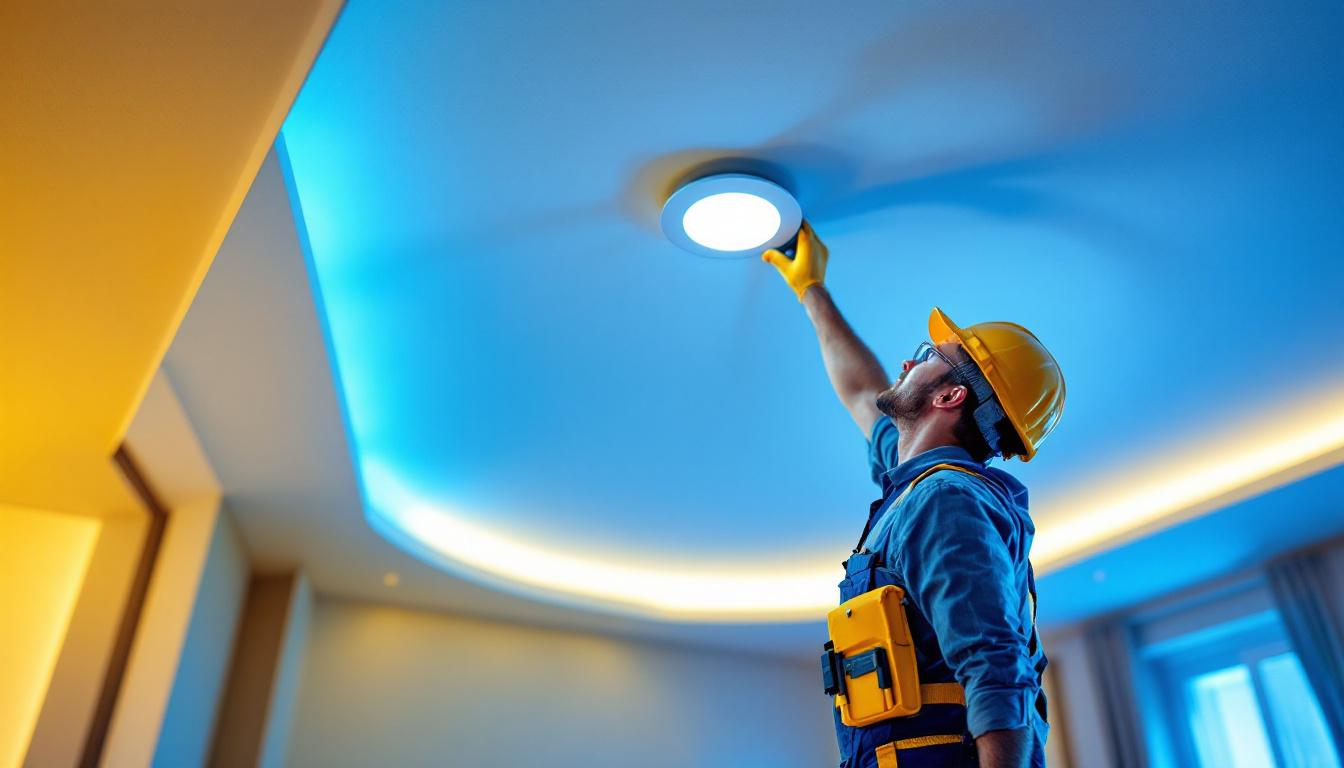
Lighting contractors are continually seeking innovative ways to enhance their services while maximizing profitability. One of the most effective methods to achieve this is through LED retrofitting of can lights. This article explores six cost-saving strategies that can streamline the retrofit process, improve customer satisfaction, and ultimately boost the bottom line for lighting contractors.
Understanding the Benefits of LED Retrofits
Before delving into cost-saving strategies, it is essential to understand why LED retrofitting is advantageous for both contractors and clients. LED lights offer significant energy savings, longer lifespans, and reduced maintenance costs compared to traditional incandescent or fluorescent bulbs. For contractors, promoting these benefits can lead to increased customer interest and higher conversion rates. The longevity of LED bulbs, often lasting up to 25,000 hours or more, means that clients will spend less time and money on replacements, creating a win-win scenario for both parties.
Moreover, as energy efficiency becomes a priority for many businesses and homeowners, contractors who specialize in LED retrofitting position themselves as leaders in sustainable practices. This not only enhances their reputation but also opens doors to new market opportunities. By adopting LED technology, contractors can also demonstrate their commitment to environmental stewardship, which resonates well with eco-conscious consumers. This alignment with sustainability can lead to stronger client relationships and increased referrals, further expanding their business reach.
Energy Efficiency and Cost Savings
One of the most compelling reasons to recommend LED retrofits is the energy efficiency they provide. By replacing outdated lighting systems with LEDs, clients can significantly reduce their energy consumption. This translates into lower utility bills, which is an attractive selling point for contractors. In fact, studies have shown that LED lighting can reduce energy usage by up to 80% compared to traditional lighting solutions, making it a smart choice for any budget-conscious client.
Additionally, many regions offer incentives and rebates for energy-efficient upgrades, which can further reduce the overall cost of the retrofit. Contractors should stay informed about these programs to provide clients with accurate information and maximize savings. Furthermore, the reduced heat output of LED lights not only enhances energy efficiency but also contributes to lower cooling costs in warmer months, adding another layer of savings. As clients experience these benefits firsthand, they are likely to become advocates for LED technology, further solidifying the contractor’s reputation as a knowledgeable and reliable service provider.
1. Assessing Existing Lighting Systems
The first step in any successful LED retrofit project is a thorough assessment of the existing lighting system. Understanding the current setup allows contractors to identify the most effective solutions tailored to the client’s needs.
During the assessment, contractors should evaluate factors such as the type of fixtures in use, the wattage of existing bulbs, and the overall layout of the lighting system. This information is crucial for determining the appropriate LED replacements and ensuring optimal performance.
Conducting a Lighting Audit
A comprehensive lighting audit can reveal opportunities for improvement that may not be immediately apparent. This process involves documenting the current lighting conditions, including brightness levels, color temperature, and distribution patterns. By comparing these metrics to industry standards, contractors can make informed recommendations for LED upgrades.
Additionally, a lighting audit provides an opportunity to engage with clients, demonstrating expertise and building trust. Clients are more likely to invest in a retrofit when they understand the rationale behind the proposed changes.
Furthermore, the audit should also consider the specific needs of the space being evaluated. For instance, different environments such as offices, retail spaces, or industrial settings may require unique lighting solutions to enhance functionality and aesthetics. By taking into account the activities that will occur in the space, contractors can recommend LED options that not only improve energy efficiency but also enhance the overall user experience. This tailored approach ensures that the new lighting system aligns with the client’s goals, whether it be increasing productivity, creating a welcoming atmosphere, or highlighting specific features of the space.
Moreover, it is essential to factor in the potential for smart lighting integration during the assessment. With advancements in technology, many clients are looking for systems that offer automation and remote control capabilities. By discussing these options during the audit, contractors can position themselves as forward-thinking partners who are not only focused on immediate improvements but also on long-term adaptability and innovation in lighting solutions.
2. Selecting the Right LED Products
Choosing the right LED products is critical to the success of a retrofit project. With numerous options available, contractors must consider factors such as quality, compatibility, and cost-effectiveness.
High-quality LED products typically offer better performance and longer lifespans, which can lead to lower maintenance costs for clients. While these products may have a higher upfront cost, the long-term savings often justify the investment.
Evaluating Product Specifications
When selecting LED products, contractors should carefully evaluate specifications such as lumen output, color rendering index (CRI), and energy consumption. Ensuring that the chosen LEDs meet or exceed the performance of the existing fixtures is essential for client satisfaction.
Furthermore, compatibility with existing dimming systems and controls should be assessed to avoid potential issues during installation. By providing clients with well-researched product options, contractors can enhance their credibility and foster long-term relationships.
3. Streamlining the Installation Process
Efficiency during the installation process can lead to significant cost savings for contractors. By implementing streamlined procedures, contractors can reduce labor costs and complete projects more quickly.
One effective strategy is to create a standardized installation checklist. This checklist can outline each step of the retrofit process, ensuring that no detail is overlooked. Additionally, having a clear plan in place allows for better time management and resource allocation.
Utilizing Pre-Configured Kits
Pre-configured LED retrofit kits can simplify the installation process. These kits often include all necessary components, such as LED bulbs, sockets, and mounting hardware, specifically designed for easy installation in existing fixtures. By using these kits, contractors can save time and minimize the risk of errors during the retrofit.
Moreover, pre-configured kits often come with detailed installation instructions, allowing less experienced team members to contribute effectively. This can enhance overall team productivity and reduce the need for extensive training.
4. Educating Clients on Long-Term Savings
While the initial cost of an LED retrofit may be a concern for some clients, educating them on the long-term savings can help alleviate these worries. Contractors should emphasize the benefits of energy efficiency, reduced maintenance costs, and potential rebates or incentives.
Providing clients with a clear breakdown of expected savings can be an effective way to demonstrate the value of the investment. This can include calculations showing reduced energy consumption and the estimated payback period for the retrofit.
Creating Informative Materials
Developing informative materials, such as brochures or presentations, can help contractors communicate the benefits of LED retrofitting effectively. These materials can outline the advantages of LED lighting, provide case studies of successful retrofits, and highlight potential savings.
By equipping clients with this information, contractors can empower them to make informed decisions and increase the likelihood of project approval.
5. Leveraging Technology for Efficiency
Incorporating technology into the retrofit process can lead to improved efficiency and cost savings. Various tools and software can assist contractors in project management, inventory tracking, and client communication.
For instance, project management software can help contractors schedule tasks, allocate resources, and monitor progress. This ensures that projects stay on track and within budget, ultimately enhancing client satisfaction.
Using Lighting Design Software
Lighting design software can be invaluable for contractors when planning LED retrofits. These tools allow contractors to create detailed lighting layouts, simulate lighting effects, and assess the impact of different LED options. By visualizing the final result, contractors can make more informed decisions and present clients with compelling proposals.
Additionally, these software solutions often include features for calculating energy savings and return on investment, providing clients with concrete data to support their decisions.
6. Building Strong Relationships with Suppliers
Establishing strong relationships with suppliers can lead to better pricing, access to new products, and improved support. Contractors should actively seek partnerships with reputable suppliers who offer high-quality LED products and reliable service.
By fostering these relationships, contractors can negotiate favorable terms, such as bulk pricing or exclusive access to new product lines. This can enhance profitability and provide clients with competitive pricing options.
Staying Informed About Industry Trends
Maintaining open communication with suppliers can also help contractors stay informed about industry trends and emerging technologies. This knowledge can be invaluable when advising clients on the latest advancements in LED lighting and energy efficiency.
Moreover, suppliers often provide training and resources that can enhance a contractor’s expertise, further solidifying their position as a trusted advisor in the field.
Conclusion
LED retrofitting of can lights presents a significant opportunity for lighting contractors to enhance their services and improve profitability. By implementing these six cost-saving strategies, contractors can streamline the retrofit process, educate clients on the benefits of LED lighting, and build strong relationships with suppliers.
Ultimately, the success of an LED retrofit project hinges on thorough assessments, informed product selections, efficient installation processes, and effective communication with clients. By focusing on these areas, contractors can not only increase their bottom line but also contribute to a more sustainable future through energy-efficient lighting solutions.
As the demand for LED retrofitting continues to grow, contractors who embrace these strategies will be well-positioned to thrive in a competitive market. By prioritizing cost savings and client satisfaction, lighting contractors can establish themselves as leaders in the industry.
Start Saving with LumenWholesale Today
Ready to elevate your lighting projects while maximizing your profits? LumenWholesale is your go-to source for premium, spec-grade lighting products at unbeatable wholesale prices. Say goodbye to the middleman and hello to cost-effective, high-quality lighting solutions that meet the highest industry standards. With our hassle-free bulk buying and free shipping, you can trust that you’re getting the best value without any hidden fees. Don’t compromise on quality or affordability. Make the smart choice for your business and explore our selection at LumenWholesale for Wholesale Lighting at the Best Value.