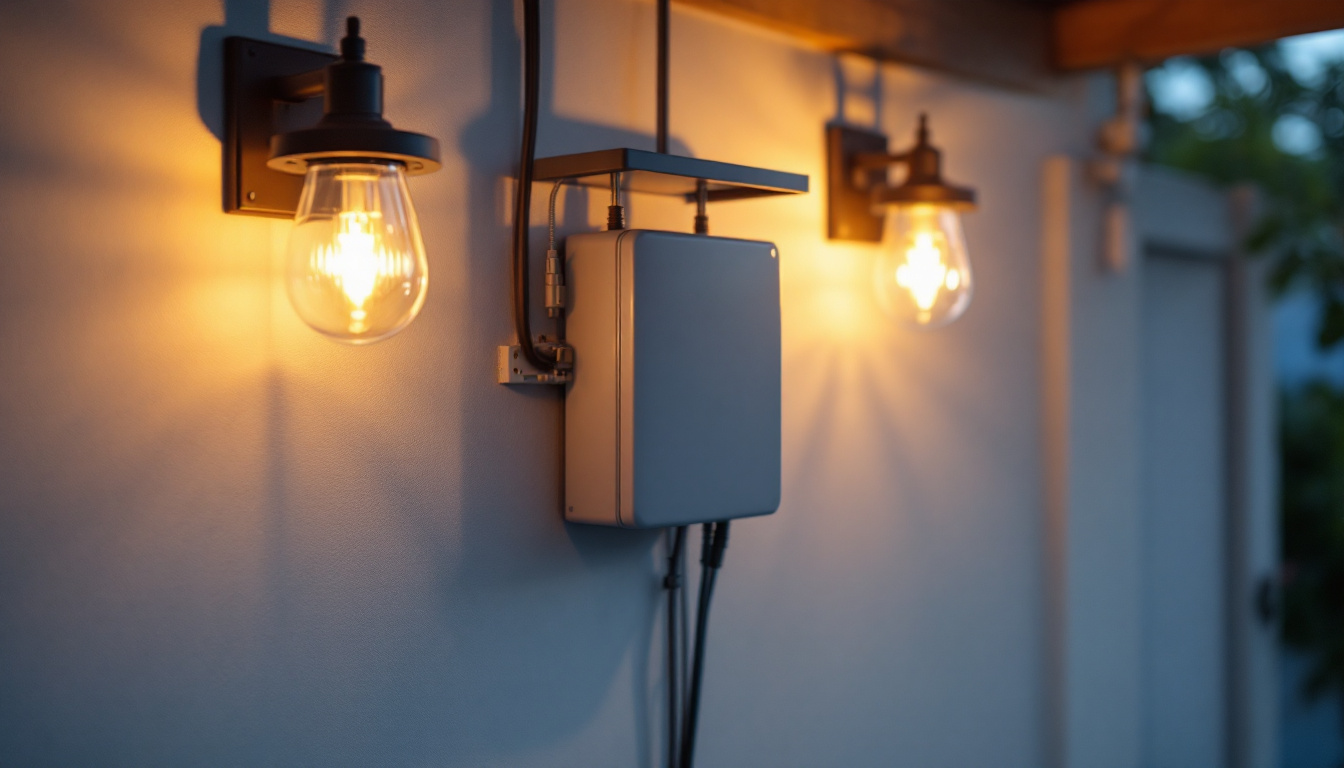
Introduction to Wall Sconces in Modern Lighting Design
Wall sconces have long been a staple in residential and commercial lighting, offering both functional illumination and decorative appeal. For lighting contractors, these fixtures present unique opportunities to enhance a space’s ambiance while addressing practical lighting needs. However, despite their popularity, several critical aspects of wall sconces are frequently overlooked during specification, installation, and maintenance phases.
Understanding the nuances of wall sconces is essential for contractors aiming to deliver superior lighting solutions that satisfy client expectations and comply with evolving industry standards. This article explores common oversights and shares insights to help contractors optimize their approach to wall sconce installation and design.
One of the most significant aspects to consider when selecting wall sconces is the interplay of light and shadow. The placement of these fixtures can dramatically affect the mood of a room, creating a warm and inviting atmosphere or a stark and clinical environment. For instance, sconces positioned at eye level can create a flattering light that enhances the features of a space, while those placed higher can cast dramatic shadows that add depth and intrigue. Additionally, the choice of bulb type—whether LED, incandescent, or halogen—can influence not only the quality of light but also energy efficiency and longevity, making it crucial for contractors to stay informed about the latest advancements in lighting technology.
Moreover, the aesthetic design of wall sconces has evolved significantly, reflecting contemporary trends that favor minimalism and sustainability. Many modern sconces are crafted from eco-friendly materials and incorporate innovative designs that blend seamlessly with various interior styles, from industrial chic to mid-century modern. Contractors should also consider the finish and color of the sconces, as these elements can complement or clash with existing decor. By taking the time to understand the broader context of wall sconce design, contractors can better advise their clients on choices that will not only illuminate but also enhance the overall aesthetic of their spaces.
Common Oversights in Wall Sconce Selection and Specification
Ignoring the Importance of Scale and Proportion
One of the most frequent mistakes contractors make is underestimating the importance of scale when selecting wall sconces. A fixture that is too small can appear insignificant and fail to provide adequate illumination, while an oversized sconce may overwhelm the wall, disrupting the room’s balance.
For example, in a spacious lobby or hallway, a delicate, petite sconce may get lost visually and functionally. Conversely, in a compact bathroom or narrow corridor, a large, ornate fixture can create spatial discomfort. Lighting contractors should carefully measure wall space and consider ceiling height to ensure the chosen sconces complement the room’s dimensions. Additionally, they should consider the surrounding decor and furniture to achieve a cohesive look. A well-proportioned sconce can act as a focal point, enhancing the overall design rather than detracting from it. By taking into account the interplay of size, shape, and surrounding elements, contractors can create a harmonious lighting scheme that elevates the aesthetic appeal of the space.
Overlooking Light Distribution and Directionality
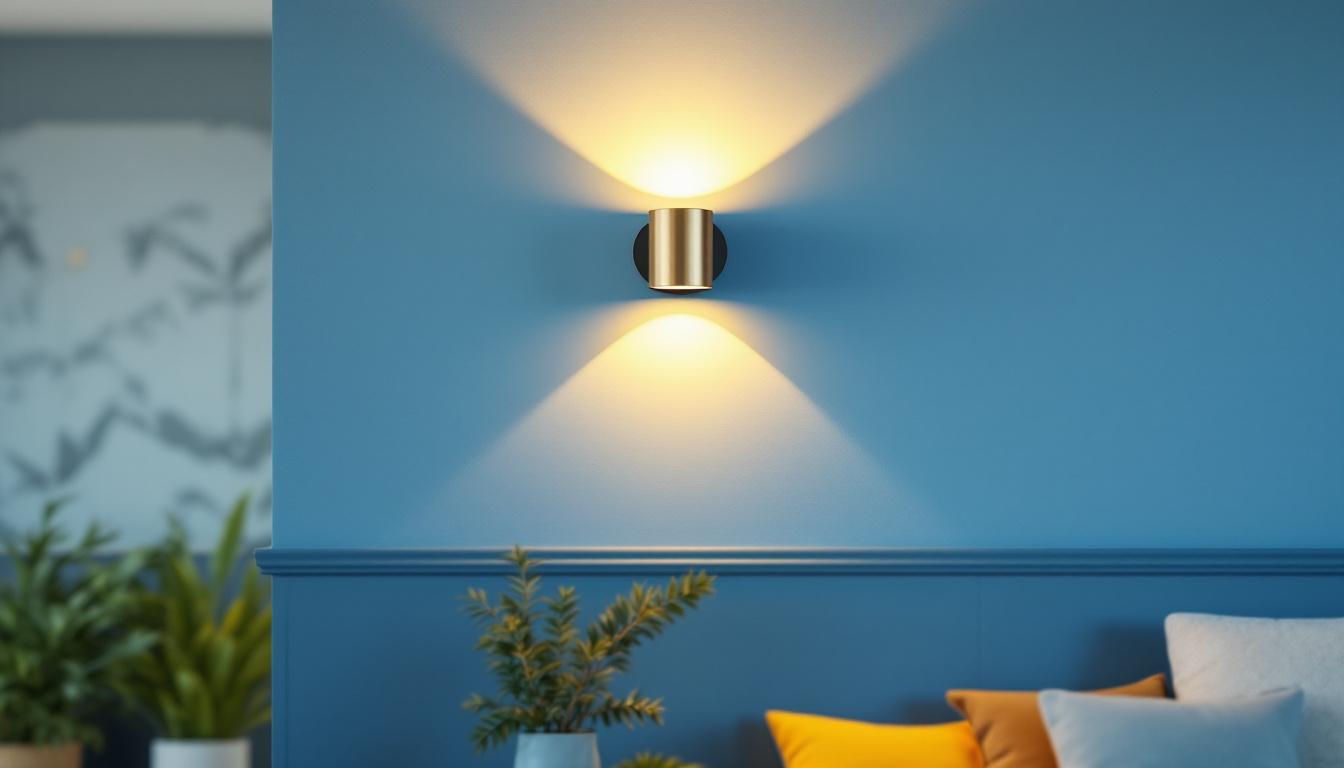
Wall sconces come in a variety of designs that influence how light is distributed—upward, downward, or both. Contractors sometimes overlook how this directional lighting affects the room’s ambiance and functionality. For instance, upward-facing sconces can provide indirect, ambient light that softens a room’s atmosphere, while downward-facing fixtures are often better for task lighting or accentuating architectural features.
Failing to match the sconce’s light distribution to the intended purpose can result in uneven lighting or unwanted glare. Contractors should assess the space’s lighting goals and select sconces with appropriate beam angles and shielding to optimize comfort and aesthetics. Moreover, the choice of light bulb can further impact the quality of light produced. LED bulbs, for example, offer a range of color temperatures that can dramatically alter the mood of a space. By selecting the right bulb in conjunction with the sconce design, contractors can enhance the functionality and visual appeal of the lighting, ensuring that it meets the diverse needs of the occupants.
Neglecting Compatibility with Dimming and Smart Controls
With the rise of smart home technology and energy-efficient lighting, dimming capability and control compatibility have become critical considerations. Contractors sometimes specify wall sconces without verifying whether the fixture supports dimming or integrates with smart lighting systems.
This oversight can lead to client dissatisfaction, as users increasingly expect customizable lighting scenes and energy savings. It is vital to confirm that sconces are compatible with dimmers, occupancy sensors, or wireless controls, and to communicate these options clearly during the design phase. Additionally, understanding the various smart home ecosystems available can help contractors recommend the best solutions for their clients. For instance, some systems allow for voice control or app-based adjustments, providing convenience and flexibility. By incorporating these advanced features into the design, contractors not only enhance the functionality of the sconces but also align with modern consumer expectations for integrated home technology.
Installation Challenges and Best Practices
Improper Mounting Height and Placement
The height at which a wall sconce is installed significantly affects both its functionality and visual impact. A common error is mounting sconces either too high or too low, which can cause glare or insufficient illumination.
Industry guidelines often recommend placing sconces approximately 60 to 66 inches from the floor, but this can vary depending on the fixture type and room use. For example, sconces flanking a bathroom mirror should be positioned at eye level to minimize shadows on the face, while sconces in hallways might be mounted slightly higher to enhance ambient lighting.
Lighting contractors should also consider lateral placement relative to architectural elements such as doors, windows, and furniture to ensure balanced light distribution and avoid visual clutter.
Ensuring Proper Electrical Wiring and Safety Compliance
Wall sconces require careful attention to electrical wiring standards to prevent hazards and ensure long-term reliability. Contractors sometimes underestimate the complexity of wiring in retrofit projects, especially when replacing older fixtures that may not meet current codes.
Key considerations include verifying circuit capacity, using appropriate junction boxes, and ensuring grounding and GFCI protection where necessary. Additionally, adherence to local electrical codes and the National Electrical Code (NEC) is mandatory to guarantee safety and pass inspections.
Addressing Heat Dissipation and Fixture Longevity
Wall sconces, particularly those using traditional incandescent or halogen bulbs, can generate significant heat. Overlooking heat dissipation can shorten fixture lifespan and pose fire risks, especially in enclosed or recessed installations.
Contractors should select fixtures with adequate ventilation and consider LED alternatives, which produce less heat and offer longer service life. Proper installation techniques, such as leaving space around the fixture and avoiding contact with flammable materials, are also essential.
Enhancing Aesthetic and Functional Outcomes
Incorporating Layered Lighting Strategies
Wall sconces are most effective when integrated into a layered lighting design that combines ambient, task, and accent lighting. Contractors often miss opportunities to use sconces as part of a cohesive lighting plan, instead treating them as standalone fixtures.
For example, pairing wall sconces with recessed ceiling lights and table lamps can create a versatile lighting environment that adapts to different activities and moods. Sconces can also highlight artwork, architectural details, or textured walls, adding depth and character to the space.
Selecting Materials and Finishes for Durability and Style
The material and finish of wall sconces influence both their aesthetic appeal and durability. Contractors should consider the environment where the fixture will be installed—whether it is a humid bathroom, a high-traffic corridor, or an outdoor patio.
Corrosion-resistant materials such as stainless steel, brass, or powder-coated metals are preferable in damp or outdoor settings. Additionally, finishes should complement the overall interior design scheme, whether modern, traditional, or industrial, to ensure visual harmony.
Utilizing Energy-Efficient Technologies
Energy efficiency is a growing priority in lighting design, driven by regulatory standards and client demand for sustainability. Wall sconces equipped with LED technology offer significant advantages, including lower energy consumption, reduced maintenance costs, and improved light quality.
Lighting contractors should advocate for LED-compatible sconces and educate clients on the long-term benefits. Incorporating sensors and timers can further enhance energy savings by ensuring lights operate only when needed.
Maintenance Considerations Often Overlooked
Accessibility for Bulb Replacement and Cleaning
Wall sconces are sometimes installed in locations that complicate routine maintenance, such as high walls or narrow spaces. Contractors may overlook the importance of accessibility, leading to difficulties in bulb replacement or cleaning that frustrate clients and reduce fixture lifespan.
Designing installations with ease of access in mind—such as using fixtures with removable covers or placing sconces within reachable height—can streamline maintenance and improve client satisfaction.
Choosing Fixtures with Replaceable Components
Some wall sconces are designed as sealed units where the entire fixture must be replaced when the light source fails. This approach increases long-term costs and environmental waste.
Contractors should prioritize fixtures with replaceable bulbs or modular components, allowing for straightforward repairs and upgrades. This consideration is especially important in commercial settings where maintenance budgets and downtime are critical factors.
Planning for Future Upgrades and Retrofits
Lighting technology evolves rapidly, and what is state-of-the-art today may become obsolete in a few years. Contractors often neglect to plan for future upgrades when installing wall sconces, which can complicate retrofits and increase costs down the line.
Incorporating flexible wiring solutions, standardized mounting hardware, and fixtures compatible with emerging technologies can future-proof installations. This foresight benefits clients by extending the useful life of their lighting systems and simplifying upgrades.
Conclusion: Elevating Wall Sconce Installations Through Attention to Detail
Wall sconces offer versatile and elegant lighting solutions, but their effectiveness depends heavily on thoughtful selection, precise installation, and proactive maintenance planning. Lighting contractors who address the common oversights outlined in this article can enhance both the aesthetic and functional outcomes of their projects.
By considering scale, light distribution, control compatibility, installation best practices, material durability, energy efficiency, and maintenance accessibility, contractors will not only meet but exceed client expectations. Ultimately, a comprehensive approach to wall sconces contributes to safer, more comfortable, and visually appealing environments that stand the test of time.
Discover Unmatched Value with LumenWholesale
Ready to elevate your lighting projects with the finest wall sconces and fixtures? At LumenWholesale, we provide lighting contractors with exceptional, spec-grade products that promise to transform any space. Our commitment to quality and affordability ensures you have access to the best lighting solutions without the premium price tag. Say goodbye to local distributor markups and hello to a world of convenience, where bulk buying is streamlined and shipping is always free. Don’t compromise on quality or cost—choose LumenWholesale for your next project and experience the ultimate in value and performance. Wholesale Lighting at the Best Value is just a click away.