Wall Sconces: How to Avoid Costly Mistakes in Lighting Projects
Lighting plays a crucial role in the aesthetics and functionality of any space. Among the various lighting options available, wall sconces stand out for their versatility and elegance. However, when it comes to incorporating wall sconces into lighting projects, even seasoned contractors can make costly mistakes. This article delves into common pitfalls and offers practical advice for successfully integrating sconces into your designs.
Understanding Wall Sconces
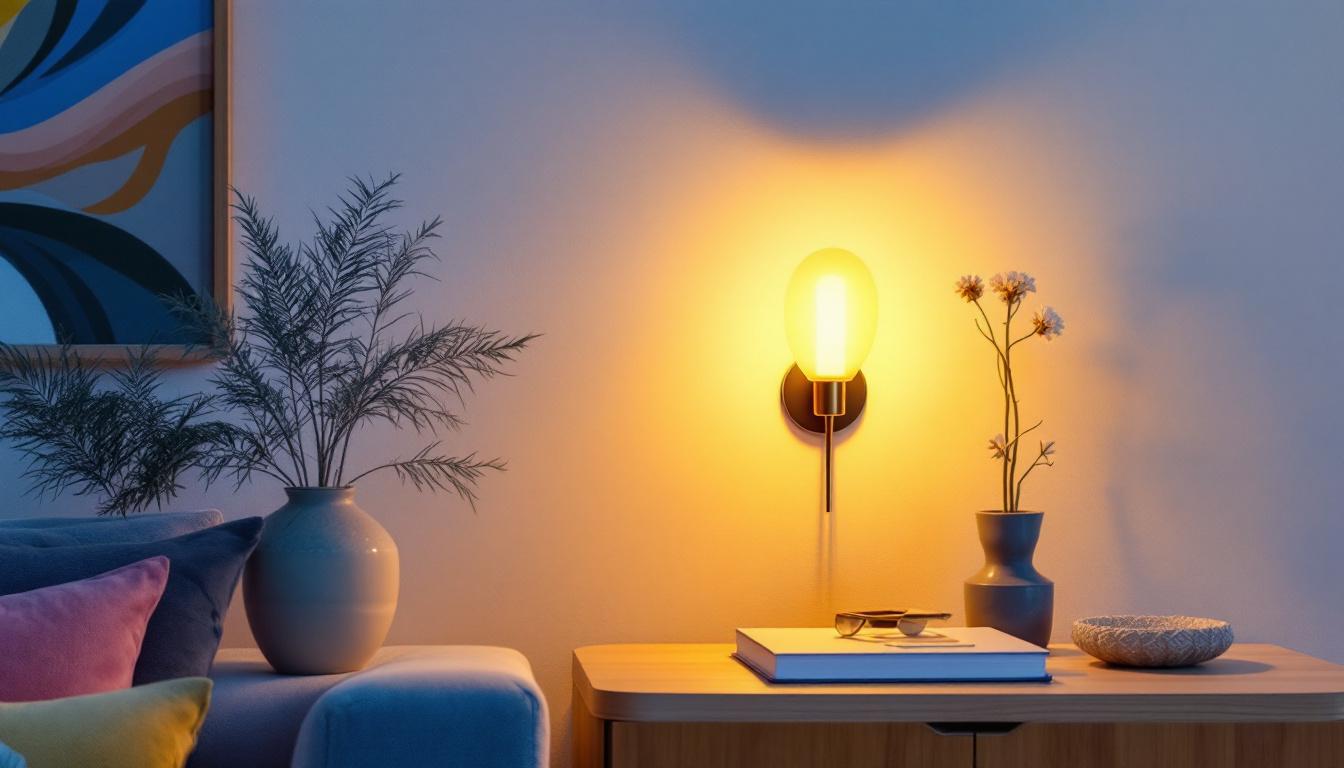
Wall sconces are decorative light fixtures that are attached to walls, providing both ambient and task lighting. They can enhance the visual appeal of a room while serving practical purposes. Before diving into a lighting project, it’s essential to understand the different types of sconces available and their intended uses.
Types of Wall Sconces
There are various types of wall sconces, each designed for specific functions and aesthetics. Some common types include:
- Ambient Sconces: These fixtures provide general illumination and are often used in hallways or living rooms.
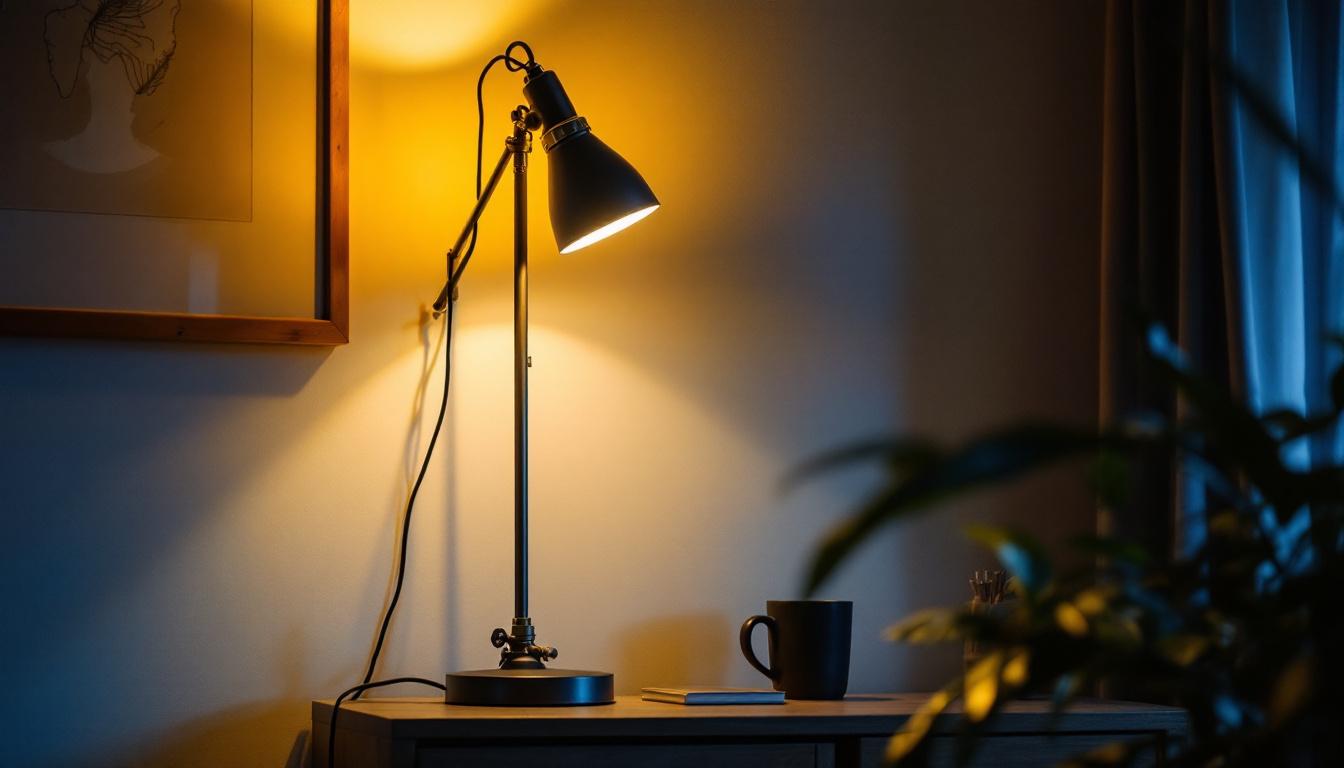
- Task Sconces: Designed to focus light on specific areas, task sconces are ideal for reading nooks or workspaces.
- Accent Sconces: Used to highlight artwork or architectural features, accent sconces create dramatic effects in a space.
Choosing the Right Style
The style of the wall sconce should complement the overall design of the room. From modern to vintage, the right choice can enhance the interior decor and create a cohesive look. Consider factors such as:
- The existing color palette of the room
- Furniture styles and materials
- Overall theme of the space
In addition to these considerations, the scale and proportion of the sconces are crucial for achieving a balanced aesthetic. For instance, oversized sconces can make a bold statement in a large room, while smaller, more delicate designs may be better suited for intimate spaces. Furthermore, the placement of the sconces should be strategic; they should be installed at eye level to maximize their visual impact and functionality. This thoughtful arrangement not only enhances the lighting but also contributes to the overall flow and harmony of the room.
Another important aspect to consider is the type of bulb used in the sconces. LED bulbs are becoming increasingly popular due to their energy efficiency and longevity, while incandescent bulbs offer a warm glow that can create a cozy atmosphere. Additionally, dimmable sconces provide versatility, allowing you to adjust the brightness according to the time of day or the mood you wish to create. By carefully selecting the right style, size, and bulb type, wall sconces can transform any space into a beautifully illuminated haven.
Common Mistakes in Lighting Projects
Even experienced lighting contractors can overlook critical aspects when planning a project. Here are some of the most common mistakes to avoid when working with wall sconces.
Inadequate Planning
One of the biggest pitfalls in any lighting project is failing to plan adequately. Proper planning involves considering the layout, function, and aesthetic of the space. Without a well-thought-out plan, contractors may end up with poorly placed sconces that do not serve their intended purpose.
To avoid this mistake, take the time to create a detailed lighting plan that includes the following:
- Measurements of the space
- Placement of furniture and other fixtures
- Desired lighting effects and moods
Additionally, it is crucial to consider the electrical requirements and the availability of outlets. Planning should also involve a timeline for installation, as well as a budget that accounts for both the sconces and any necessary electrical work. By addressing these factors upfront, you can mitigate the risk of unexpected complications arising during the project, ensuring a smoother execution of your vision.
Ignoring Scale and Proportion
Another common error is neglecting the scale and proportion of wall sconces in relation to the surrounding space. A large sconce in a small room can overwhelm the space, while a tiny sconce in a grand hallway may go unnoticed.
To achieve balance, consider the size of the wall, the height at which the sconces will be installed, and the overall dimensions of the room. A general rule of thumb is to select sconces that are approximately one-third the height of the wall on which they will be mounted.
Moreover, the style of the sconces should harmonize with the overall design theme of the room. For instance, a modern, minimalist sconce may clash with a traditional, ornate interior, leading to a disjointed look. It’s also beneficial to visualize how the sconces will interact with other light sources in the space, such as overhead lighting or natural light from windows. This holistic approach to scale and proportion can significantly enhance the ambiance and functionality of the area, creating a cohesive and inviting atmosphere.
Installation Considerations
Proper installation is crucial for the functionality and safety of wall sconces. Here are key factors to consider during the installation process.
Electrical Requirements
Before installing wall sconces, it’s essential to understand the electrical requirements. Ensure that the electrical system can support the wattage of the sconces being installed. This includes checking the circuit load and ensuring that it complies with local building codes.
Additionally, consider the type of bulbs being used. LED sconces, for example, are energy-efficient and have a longer lifespan compared to traditional incandescent bulbs. However, they may require specific dimmers or transformers, so it’s important to verify compatibility during installation. Furthermore, if you are upgrading from incandescent to LED, be mindful of the existing fixtures and wiring. Some older wiring may not be suitable for modern LED technology, necessitating an assessment by a qualified electrician to ensure safety and efficiency.
Height and Placement
The height and placement of wall sconces can significantly impact their effectiveness. A common mistake is installing sconces too high or too low, which can diminish their functionality and aesthetic appeal.
For general lighting, sconces should typically be installed at eye level, around 60 to 66 inches from the floor. For task lighting, such as in a reading nook, the height may vary based on the seating arrangement. Always take into account the intended use of the space when determining placement. Additionally, consider the surrounding decor and architectural features; sconces can be used to highlight artwork or architectural details, creating a more dynamic and inviting atmosphere. The spacing between sconces is also crucial; a general rule of thumb is to place them 6 to 8 feet apart to ensure even illumination and avoid creating dark spots in the room.
Designing for Different Spaces
Different rooms have unique lighting needs, and wall sconces can be tailored to meet these requirements. Understanding how to design for various spaces can help avoid mistakes and enhance the overall lighting scheme.
Living Rooms and Common Areas
In living rooms, wall sconces can create a warm and inviting atmosphere. They can be used to highlight artwork, provide ambient lighting, or serve as task lighting for reading. When designing for these spaces, consider the following:
- Use dimmable sconces to adjust the mood as needed.
- Pair sconces with other light sources, such as floor lamps or ceiling fixtures, for a layered lighting effect.
- Ensure that sconces are positioned to avoid glare on screens or reflective surfaces.
Additionally, the style of the sconces can greatly influence the overall aesthetic of the room. For instance, sleek, modern sconces can enhance a contemporary living space, while ornate, vintage-style sconces may add character to a more traditional setting. It’s also beneficial to consider the finish of the sconces; polished metals can reflect light beautifully, while matte finishes may provide a softer glow. Incorporating sconces with adjustable arms can offer flexibility, allowing you to direct light where it’s needed most, whether for a cozy reading nook or to showcase a favorite piece of art.
Hallways and Entryways
Hallways and entryways often require adequate lighting to ensure safety and visibility. Wall sconces can be an excellent choice for these areas, but placement and brightness are key considerations.
For hallways, sconces should be spaced evenly to provide consistent illumination. A good rule of thumb is to place sconces every 6 to 8 feet. In entryways, consider using brighter sconces to create a welcoming environment while ensuring that they complement the overall decor.
Moreover, the choice of bulb can significantly impact the effectiveness of the sconces in these transitional spaces. Opting for LED bulbs not only offers energy efficiency but also provides a range of color temperatures, allowing you to select a warm hue for a cozy feel or a cooler tone for a more modern vibe. Adding a dimmer switch can also enhance functionality, enabling you to adjust the brightness based on the time of day or occasion. Finally, incorporating decorative elements such as mirrors near sconces can amplify light and create an illusion of space, making narrow hallways feel more expansive and inviting.
Maintenance and Upkeep
Once wall sconces are installed, ongoing maintenance is essential to keep them functioning optimally and looking their best. Neglecting maintenance can lead to performance issues and diminish the overall aesthetic of the space.
Regular Cleaning
Dust and dirt can accumulate on wall sconces over time, affecting their brightness and appearance. Regular cleaning is necessary to maintain their functionality and visual appeal. Use a soft, dry cloth to wipe down the fixtures, and avoid abrasive cleaners that could damage the finish.
Replacing Bulbs and Fixtures
Periodically check the bulbs and electrical components of wall sconces to ensure they are functioning correctly. Replace any burnt-out bulbs promptly and consider upgrading to energy-efficient options when possible. Additionally, if a sconce is damaged or shows signs of wear, it may be time to replace the fixture entirely.
Final Thoughts
Incorporating wall sconces into lighting projects can enhance the beauty and functionality of any space. However, avoiding common mistakes is crucial to achieving the desired results. By understanding the different types of sconces, planning adequately, considering installation requirements, and maintaining fixtures, contractors can ensure successful lighting projects.
Ultimately, wall sconces are not just functional elements; they are also artistic features that can transform a room. With careful consideration and attention to detail, lighting contractors can create stunning environments that meet both aesthetic and practical needs.
Illuminate Your Projects with LumenWholesale
Ready to elevate your lighting projects with the finest selection of wall sconces and more? Look no further than LumenWholesale, where we offer contractors the highest quality, spec-grade lighting products at prices that can’t be beaten. Say goodbye to local distributor markups and hello to our extensive, industry-standard collection that promises reliability and high performance for any project. Plus, with free shipping on bulk orders, you can enjoy the best value without any hidden costs. Don’t compromise on quality or affordability. Wholesale Lighting at the Best Value is just a click away. Experience the LumenWholesale difference today!