Understanding Wall Recessed Lighting: What Sets It Apart
Wall recessed lighting is more than just a stylish choice; it’s a functional solution that blends seamlessly into architectural spaces. Unlike traditional fixtures that protrude from the wall, recessed lights are installed within the wall cavity, creating a sleek, unobtrusive look. For lighting contractors, mastering this technique means delivering both aesthetic appeal and practical illumination.
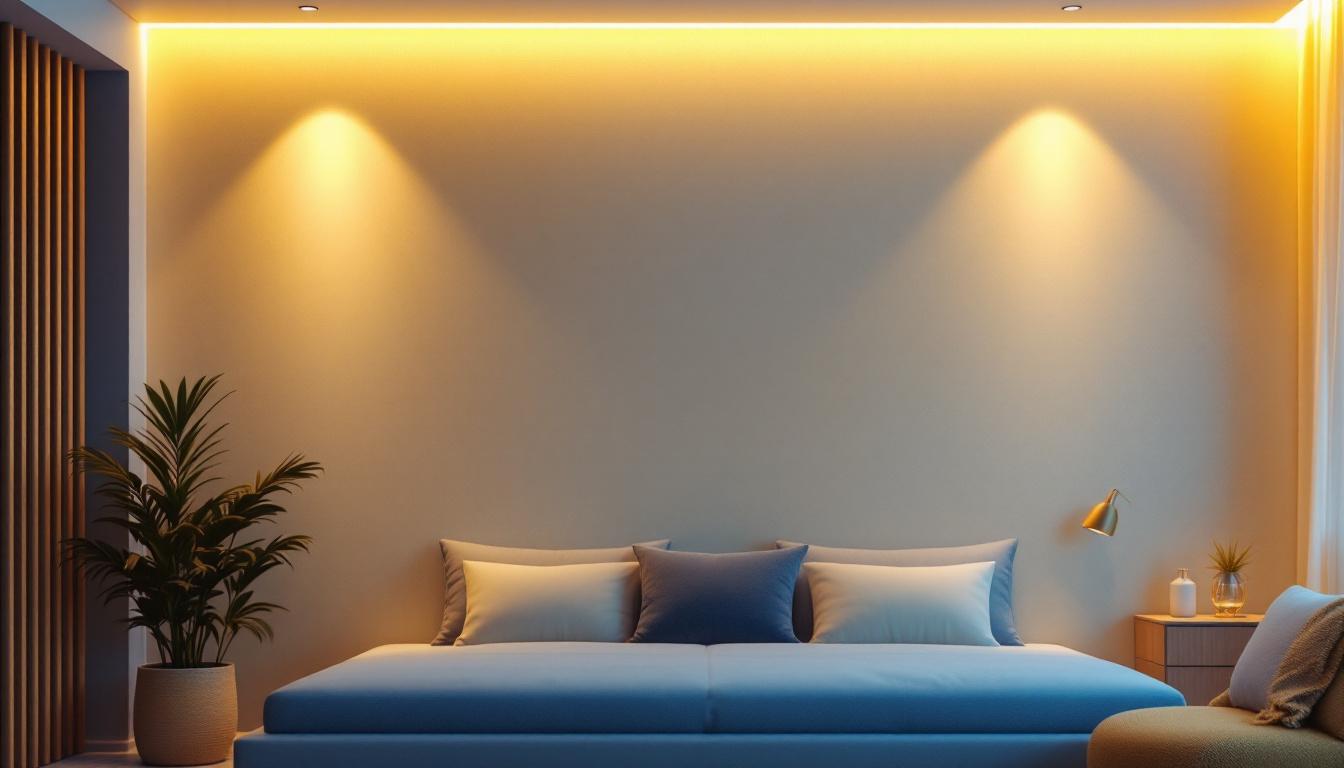
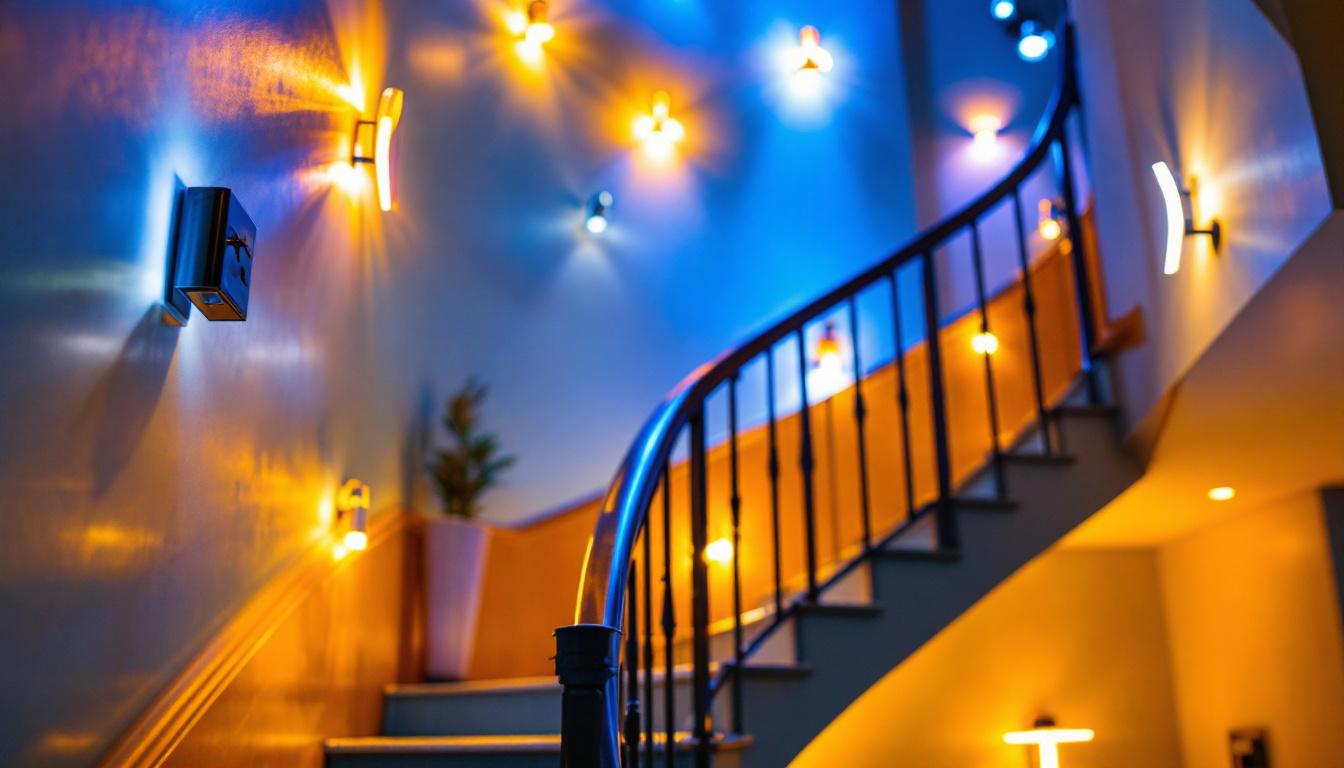
These fixtures are typically used for accent lighting, wayfinding, or ambient lighting in residential and commercial settings. The challenge lies in balancing light output with the constraints of wall thickness, wiring accessibility, and heat dissipation. Understanding the nuances of wall recessed lighting can elevate a contractor’s craftsmanship and client satisfaction.
Moreover, wall recessed lighting offers the versatility to enhance various design styles, from contemporary to traditional. By selecting the appropriate trim and finish, contractors can tailor the fixtures to complement the overall decor of a space. For instance, a matte black trim can provide a modern touch, while a polished chrome finish might suit a more classic environment. Additionally, the ability to use dimmable LED options allows for customizable lighting scenarios, enabling homeowners to create the perfect ambiance for any occasion.
Another important aspect to consider is the placement of these fixtures. Strategic positioning can dramatically influence the perception of space, making rooms feel larger or more intimate. For example, installing recessed lights along a hallway can guide guests while simultaneously enhancing the architectural features of the walls. In living areas, placing them near artwork or architectural details can draw attention to these focal points, creating a gallery-like atmosphere. As such, understanding the interplay of light and space is crucial for contractors aiming to maximize the impact of wall recessed lighting in their projects.
Key Considerations Before Installation
Assessing Wall Structure and Material
Not all walls are created equal. Before installation, it’s critical to evaluate the wall’s composition—whether it’s drywall, masonry, or concrete. Drywall walls offer easier access and flexibility for cutting precise openings, while masonry or concrete walls require specialized tools and techniques. Additionally, the thickness of the wall can influence the type of fixtures that can be installed, as deeper walls may accommodate larger housing units that provide better light distribution.
Contractors should also check for existing plumbing, electrical conduits, or HVAC ducts within the wall cavity. Using a stud finder with live wire detection or a wall scanner can prevent costly mistakes and ensure safety. Furthermore, understanding the wall’s insulation properties is essential, as it can affect both the installation process and the overall energy efficiency of the lighting system. Proper insulation can help maintain temperature control within the space, ultimately contributing to lower energy costs.
Determining the Right Fixture and Housing
Choosing the appropriate fixture is essential. Wall recessed lights come in various sizes and shapes, such as round or square trims, adjustable or fixed beam angles, and different lumen outputs. The housing must fit the wall cavity depth and comply with local electrical codes. It’s also important to consider the aesthetic aspects of the fixtures; the design should complement the overall decor of the space, whether it be modern, traditional, or minimalist.
For example, shallow housings are designed for thin walls but may limit the type of bulbs or LEDs used. Contractors should verify the fixture’s thermal management features, especially when using LED modules, to prevent overheating and prolong lifespan. Additionally, the color temperature of the bulbs can dramatically affect the ambiance of a room. Warm white tones create a cozy atmosphere, while cooler tones can enhance focus and productivity in workspaces. Therefore, selecting the right color temperature is just as crucial as choosing the fixture itself.
Planning Electrical Wiring and Power Supply
Wiring for wall recessed lighting often requires careful routing to avoid interference with structural elements. Low-voltage systems are popular due to their energy efficiency and safety benefits, but they demand transformers and careful voltage drop calculations. When planning the electrical layout, it’s also wise to consider future needs; installing additional wiring or conduits during the initial setup can save time and effort down the line if upgrades are desired.
Contractors must also consider dimming capabilities and compatibility with control systems. Integrating smart lighting controls can add value but requires precise wiring and programming knowledge. Moreover, the use of smart technology allows for enhanced customization, enabling users to adjust lighting settings based on time of day or specific activities. This level of control can significantly improve the functionality of a space, making it adaptable for various occasions, from hosting gatherings to creating a serene environment for relaxation.
Installation Best Practices for Wall Recessed Lighting
Precision in Cutting and Mounting
Accurate cutting of the wall opening is the foundation of a professional installation. Using templates provided by manufacturers ensures the fixture fits snugly without gaps or misalignment. A clean cut also minimizes damage to surrounding surfaces, reducing repair work. Additionally, utilizing a high-quality drywall saw or a router can enhance precision, allowing for smoother edges that contribute to a polished final appearance. It’s advisable to measure twice and cut once, as even minor discrepancies can lead to significant issues during installation.
Mounting brackets or clips must be securely fastened to support the fixture’s weight and maintain alignment over time. Contractors should double-check level and orientation before finalizing installation. It’s also beneficial to consider the weight of the chosen lighting fixture, as heavier models may require additional support. Using a stud finder to locate the wall studs can provide a more secure anchoring point, ensuring that the installation withstands the test of time and usage. Properly securing the fixture not only enhances safety but also improves the overall aesthetic by preventing any sagging or misalignment.
Ensuring Proper Ventilation and Heat Management
Heat buildup is a common concern with recessed lighting. Even LEDs, which generate less heat than incandescent bulbs, require adequate ventilation to avoid performance degradation. Installing thermal barriers or using IC-rated housings (Insulation Contact rated) can prevent overheating and meet fire safety standards. Furthermore, considering the placement of the fixtures in relation to insulation can significantly impact their efficiency. For instance, placing them in areas with high insulation density may necessitate additional ventilation solutions to ensure optimal airflow.
Contractors should leave enough clearance around the fixture and avoid packing insulation tightly against it unless the housing is specifically designed for such conditions. In some cases, incorporating additional ventilation ducts or using fixtures with built-in cooling features can further enhance heat management. This attention to detail not only prolongs the lifespan of the lighting but also contributes to energy efficiency, which is increasingly important in modern installations.
Sealing and Finishing Touches
Once the fixture is installed, sealing the edges with appropriate caulking or trim pieces prevents air leaks and moisture intrusion. This step is particularly important in exterior walls or damp environments like bathrooms. Using high-quality, paintable caulk can create a clean, finished look while also providing a barrier against drafts and humidity, which can compromise both the fixture and the wall structure over time. Additionally, selecting caulk that is mold-resistant can further enhance the durability of installations in moisture-prone areas.
Finishing the wall surface around the fixture with paint or texture matching ensures a seamless look. Lighting contractors who pay attention to these details often receive higher client praise and repeat business. Utilizing a primer before painting can help the final coat adhere better, resulting in a more uniform appearance. Moreover, offering a variety of finishes or textures can cater to different client preferences, allowing for a customized look that enhances the overall design of the space. This level of service not only showcases professionalism but also builds trust and satisfaction with clients, encouraging them to recommend services to others.
Common Challenges and How to Overcome Them
Dealing with Limited Wall Depth
Many older buildings have walls too shallow for standard recessed housings. In such cases, contractors can opt for ultra-shallow fixtures or retrofit solutions that mount partially on the surface while retaining a recessed appearance.
Another approach is to build out the wall slightly with framing or drywall to accommodate the fixture. This requires coordination with other trades and careful planning to maintain the room’s proportions.
Managing Light Spill and Glare
Wall recessed lights can sometimes cause unwanted glare or uneven light distribution. Selecting fixtures with adjustable trims or baffles helps direct light precisely where needed. Using diffusers or frosted lenses can soften harsh beams.
Proper spacing and alignment along the wall also contribute to a balanced lighting effect. Contractors should consider the fixture’s beam angle and lumen output relative to the wall’s surface and room size.
Ensuring Compliance with Codes and Standards
Electrical codes and building regulations vary by region but generally require recessed lighting to meet specific safety and performance criteria. Contractors must stay updated on these standards, including requirements for fire-rated walls, damp locations, and energy efficiency.
Documentation and labeling of installed fixtures can facilitate inspections and future maintenance. Non-compliance can lead to costly rework or legal issues, so diligence is essential.
Maximizing Client Satisfaction with Wall Recessed Lighting
Educating Clients on Lighting Benefits and Options
Clients often underestimate the impact of well-designed wall recessed lighting. Contractors who take time to explain the benefits-such as enhanced ambiance, space-saving design, and energy savings-build trust and rapport.
Offering visual aids like mockups or lighting simulations can help clients visualize the final outcome and make informed decisions.
Offering Maintenance Tips and Support
Wall recessed lighting fixtures generally require minimal maintenance, but clients appreciate guidance on cleaning, bulb replacement, and troubleshooting. Providing clear instructions or maintenance checklists adds value to the service.
Establishing a follow-up schedule or offering maintenance contracts can also create ongoing revenue streams and strengthen client relationships.
Leveraging Technology for Enhanced Control
Integrating wall recessed lighting with smart home systems or commercial building management platforms is increasingly popular. Contractors who can install and program these systems position themselves as forward-thinking experts.
Features like color temperature tuning, scheduling, and remote control enhance user experience and energy management. Staying current with these technologies can differentiate a contractor in a competitive market.
Conclusion: Precision and Planning Drive Success
Wall recessed lighting demands a blend of technical skill, careful planning, and aesthetic sensibility. For lighting contractors, understanding the intricacies of wall construction, fixture selection, and electrical requirements is critical. Attention to detail during installation and a proactive approach to client communication ensure not only a flawless finish but also lasting satisfaction.
By mastering these points, contractors can confidently tackle wall recessed lighting projects, delivering solutions that illuminate spaces beautifully and efficiently.
Illuminate Your Projects with LumenWholesale
Ready to elevate your lighting projects with the sleek sophistication of wall recessed lighting? At LumenWholesale, we provide lighting contractors like you with the highest quality, spec-grade lighting products at prices that can’t be beaten. Say goodbye to the hassle of local distributors and inflated costs. Our extensive selection is designed to meet your most demanding standards, ensuring every installation shines with reliability and performance. Plus, with free shipping on bulk orders, you can stock up on premium lighting solutions without the worry of hidden fees. Transform your projects with the perfect fusion of quality, affordability, and convenience. Wholesale Lighting at the Best Value is just a click away.