In the competitive world of retail, lighting plays a crucial role in enhancing customer experience and driving sales. For lighting contractors, understanding the nuances of retail lighting design is essential for creating effective solutions that meet the needs of their clients. This article explores best practices that lighting contractors should adopt to ensure their projects are successful and impactful.
Understanding Retail Lighting Needs
Before diving into the technical aspects of lighting design, it is vital for contractors to understand the unique needs of retail environments. Each retail space has its own character, and the lighting must complement this while also serving functional purposes. The interplay between light and space can significantly impact customer behavior, making it essential for contractors to approach lighting design with a comprehensive strategy that considers both aesthetics and practicality.
Identifying the Retail Environment
Different types of retail spaces, such as clothing stores, electronics shops, and grocery stores, have varying lighting requirements. For instance, a clothing store may benefit from soft, warm lighting to create a welcoming atmosphere, while an electronics store might require bright, focused lighting to highlight product details. Understanding the specific environment allows contractors to tailor their lighting solutions effectively. Additionally, seasonal changes can also influence lighting needs; for example, during the holiday season, retailers often opt for brighter, more festive lighting to attract shoppers and create an inviting atmosphere that encourages spending.
Considering Customer Experience
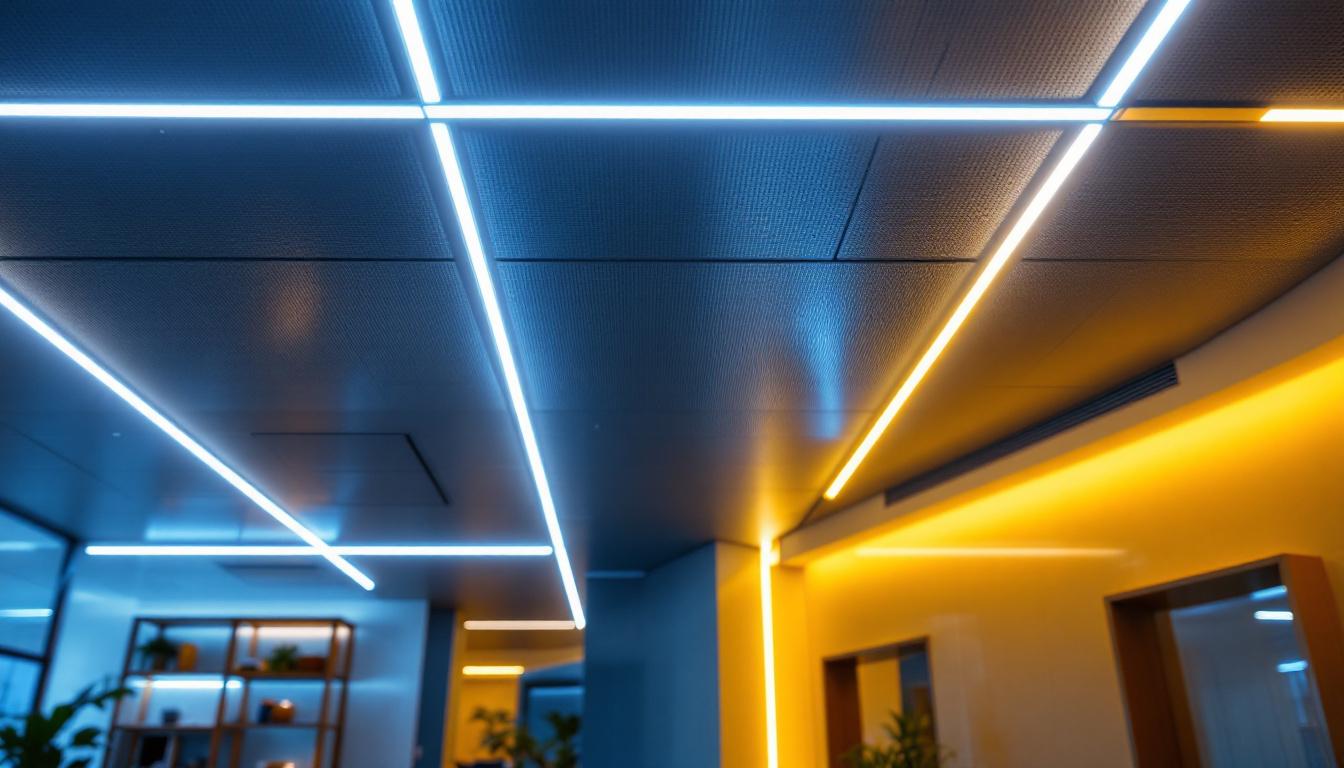
Customer experience is paramount in retail. Effective lighting can influence how customers perceive products and their overall shopping experience. Contractors should consider how different lighting techniques can enhance the ambiance, guide customers through the space, and create focal points. For example, accent lighting can draw attention to featured products, while ambient lighting can set the mood for the entire store. Furthermore, the strategic use of color temperature can evoke specific emotions; cooler tones may energize shoppers in a sports apparel store, while warmer tones can create a sense of comfort in a home goods store. The right lighting not only enhances the visual appeal of products but also plays a crucial role in shaping the emotional connection customers have with a brand, making it an indispensable element of retail design.
Technical Considerations in Lighting Design
Once the needs of the retail environment are established, the next step is to focus on the technical aspects of lighting design. This involves selecting the right fixtures, understanding light quality, and ensuring energy efficiency.
Choosing the Right Fixtures
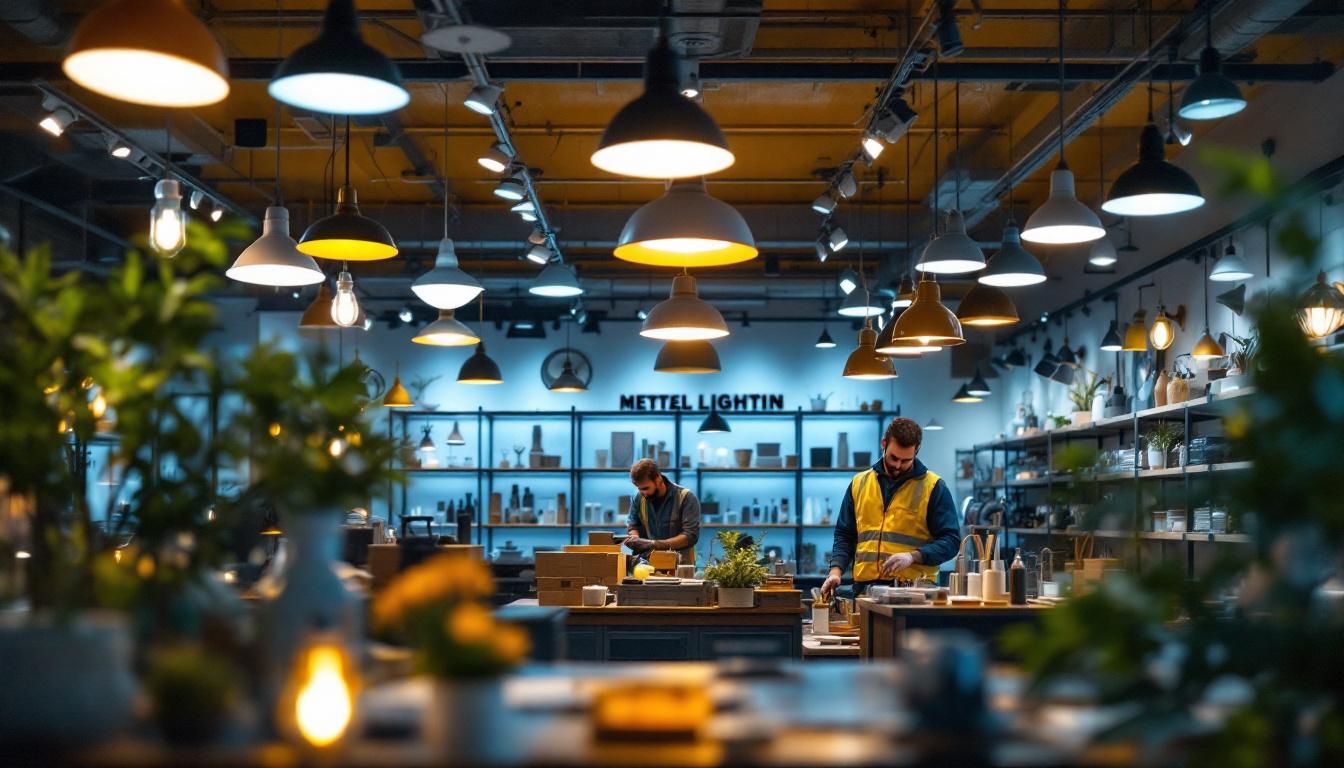
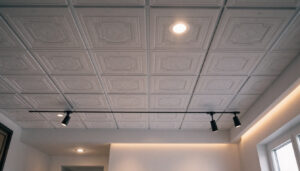
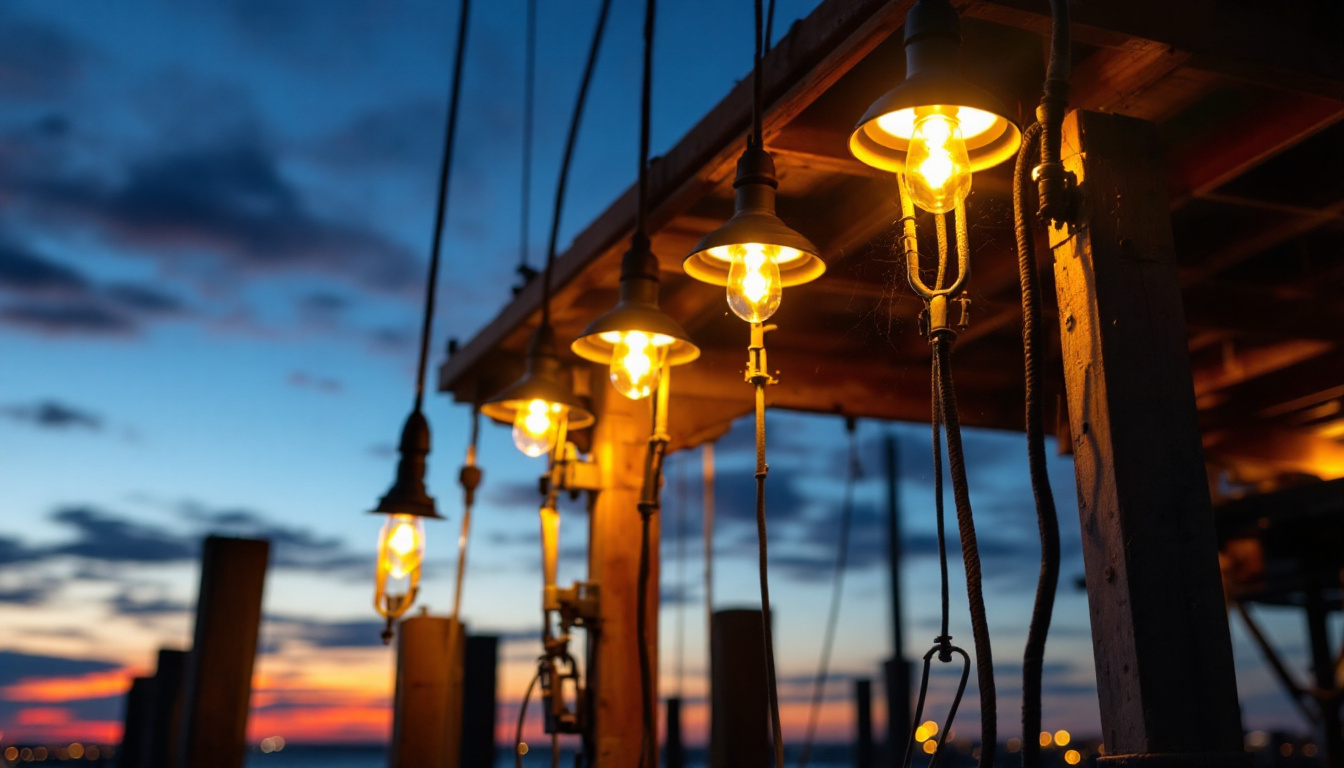
The selection of lighting fixtures is critical in achieving the desired effect. Contractors should consider factors such as the style of the store, the height of the ceilings, and the layout of the merchandise. For instance, pendant lights may work well in a boutique setting, while track lighting could be more suitable for larger spaces. Additionally, the color temperature of the fixtures should align with the brand identity and the products being sold. It’s also important to consider the distribution of light; fixtures that provide even illumination can help eliminate shadows and create a more inviting atmosphere. The use of accent lighting can also draw attention to specific products or displays, enhancing the overall shopping experience.
Quality of Light
Light quality is another essential consideration. The Color Rendering Index (CRI) measures how accurately a light source displays colors in comparison to natural light. A higher CRI is preferable in retail settings, as it allows products to appear more vibrant and true to their actual colors. This is particularly important in fashion and cosmetics retail, where color accuracy can significantly impact purchasing decisions. Furthermore, the intensity and direction of light can influence the perception of space; softer, diffused lighting can create a cozy ambiance, while brighter, focused lighting can energize a space. Retailers should also consider the psychological effects of lighting on consumers, as different lighting conditions can evoke various emotions and behaviors, ultimately affecting sales.
Energy Efficiency and Sustainability
In today’s world, energy efficiency is not just a trend; it’s a necessity. Retailers are increasingly looking for sustainable solutions that reduce energy consumption and lower operating costs. Lighting contractors should be well-versed in energy-efficient technologies, such as LED lighting, which not only consumes less power but also has a longer lifespan. Incorporating smart lighting controls can further enhance energy savings by allowing for automated adjustments based on occupancy and natural light levels. Additionally, utilizing daylighting strategies, such as skylights or large windows, can significantly reduce reliance on artificial lighting during daylight hours. By integrating these sustainable practices, retailers can not only minimize their environmental impact but also appeal to the growing base of eco-conscious consumers who prioritize sustainability in their purchasing decisions.
Lighting Techniques for Retail Spaces
Implementing effective lighting techniques is vital for creating an inviting retail environment. Various strategies can be employed to achieve the desired effects, each contributing to the overall atmosphere of the space.
Layered Lighting Approach
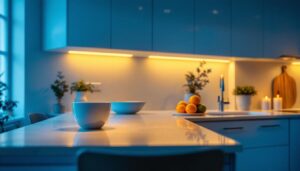
A layered lighting approach combines ambient, task, and accent lighting to create a well-balanced and dynamic environment. Ambient lighting provides general illumination, while task lighting focuses on specific areas where detailed work occurs, such as checkout counters. Accent lighting, on the other hand, highlights particular products or displays, drawing the customer’s eye and creating visual interest. This combination not only enhances visibility but also adds depth and texture to the retail space, making it more visually appealing. By carefully selecting fixtures and light temperatures, retailers can evoke different emotions and responses from customers, ultimately influencing their shopping experience.
Highlighting Merchandise
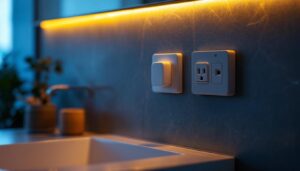
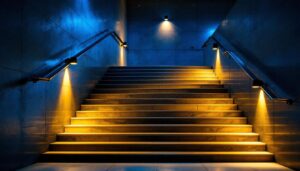
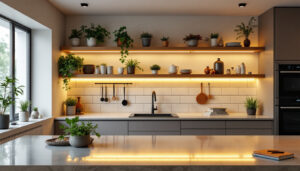
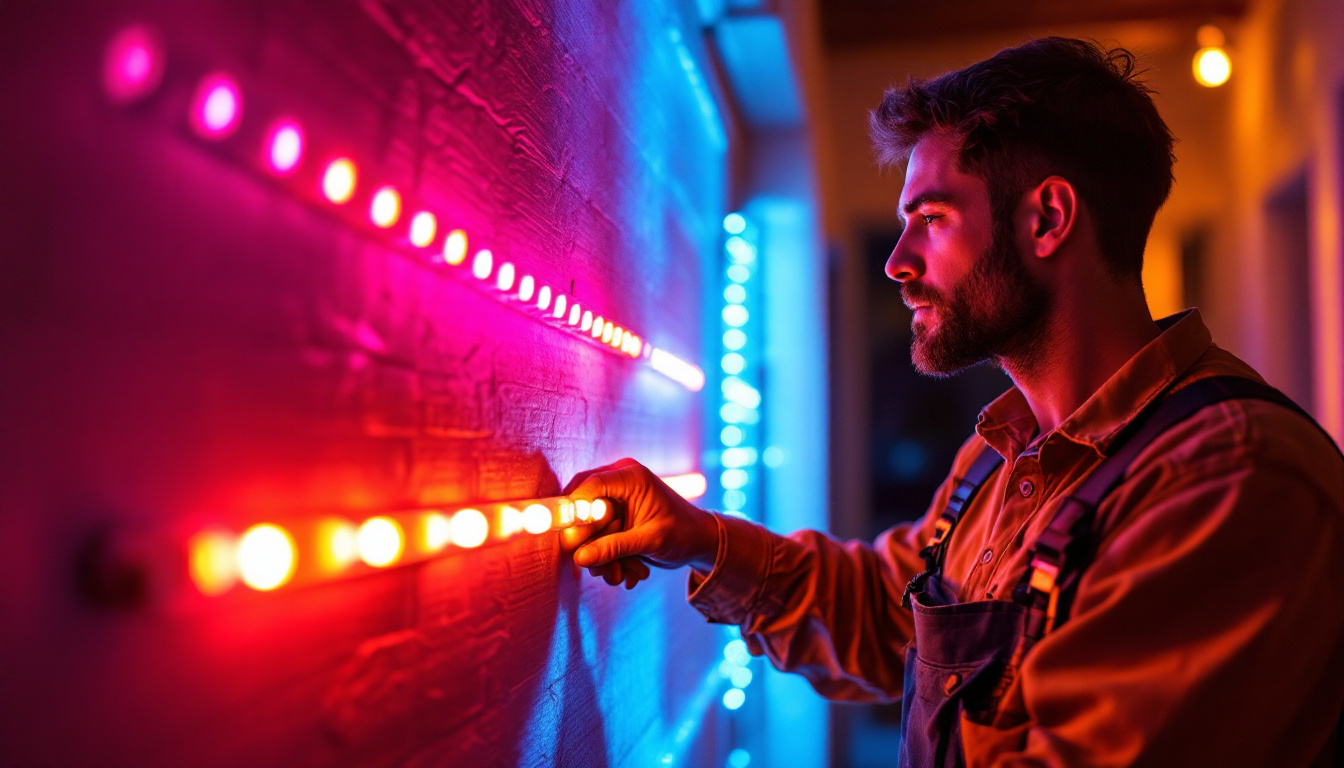
Highlighting merchandise effectively can significantly influence customer behavior. Spotlights or track lights can be used to illuminate key products, while backlighting can create a dramatic effect for displays. For example, using LED strips to backlight shelves can enhance the visibility of products and create a modern look. The strategic placement of these lighting elements can guide customers through the store and encourage them to explore more. Additionally, using color-changing LED lights can add an element of excitement and surprise, allowing retailers to adapt the ambiance to seasonal themes or promotional events. This flexibility not only captivates shoppers but also fosters a memorable shopping experience that encourages repeat visits.
Creating Zones with Lighting
Creating distinct zones within a retail space through lighting can enhance the shopping experience. Different areas can be illuminated in varying intensities and colors to evoke specific moods or highlight different product categories. For instance, a cozy corner for lounging or a vibrant area for children’s toys can be achieved by adjusting the lighting accordingly. This zoning not only makes the space more engaging but also helps customers navigate the store more intuitively. Furthermore, incorporating smart lighting solutions that can be adjusted based on the time of day or foot traffic can optimize energy efficiency while maintaining an inviting atmosphere. By leveraging technology, retailers can create a responsive environment that adapts to customer needs, enhancing overall satisfaction and encouraging longer visits.
Collaboration with Retail Clients
Successful lighting projects often stem from effective collaboration between contractors and their retail clients. Building strong relationships and understanding client expectations is crucial for delivering satisfactory results.
Initial Consultations
During initial consultations, contractors should engage in thorough discussions with clients to understand their vision, brand identity, and specific lighting needs. This dialogue is essential for aligning design concepts with client expectations. By asking the right questions and actively listening, contractors can gather valuable insights that will inform the lighting design process.
Presenting Design Concepts
Once the initial consultation is complete, contractors should present design concepts to clients. Utilizing visual aids such as mood boards, renderings, or lighting simulations can help clients visualize the proposed solutions. This not only enhances communication but also allows for feedback and adjustments before the implementation phase. A collaborative approach ensures that the final design reflects the client’s vision while adhering to best practices in lighting design.
Post-Installation Support
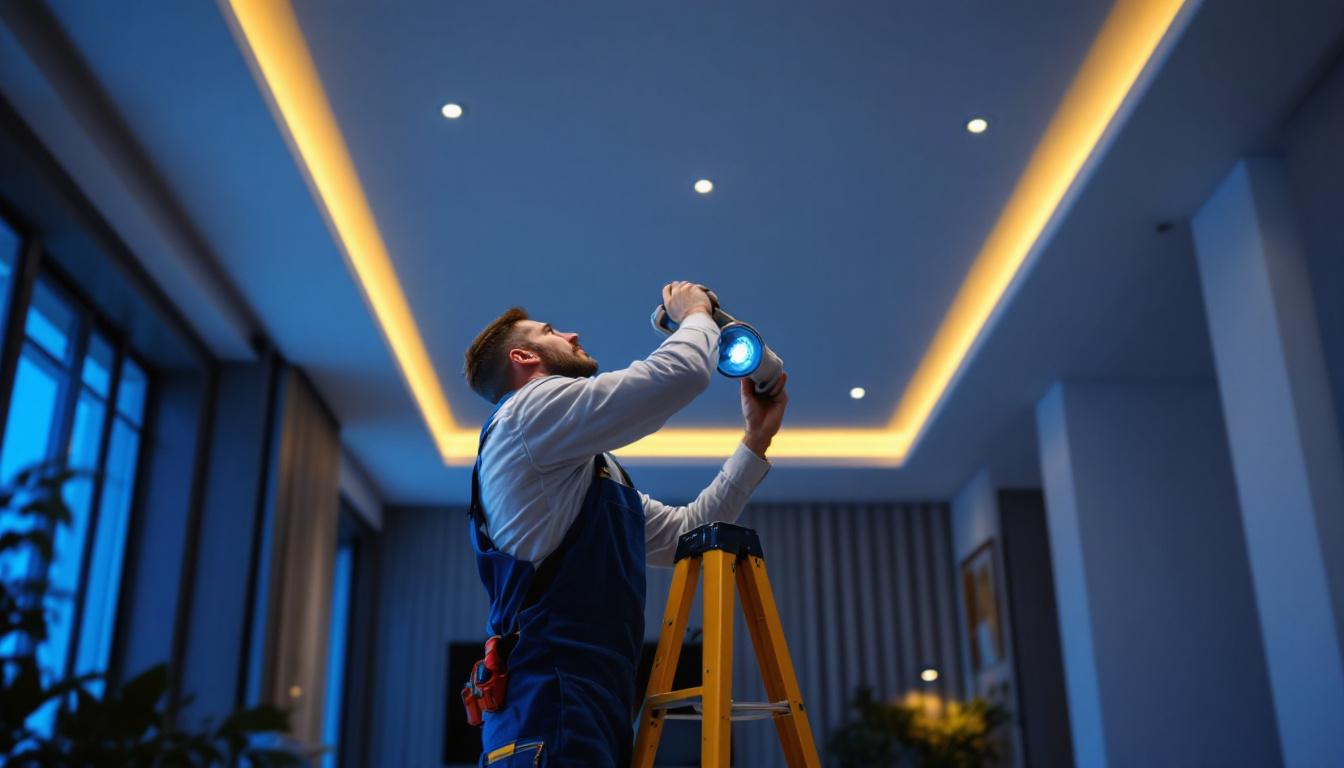
After the installation of lighting systems, ongoing support is vital. Contractors should offer maintenance services and be available for any adjustments that may be needed as the retail environment evolves. Providing clients with information on how to operate and maintain their lighting systems can enhance the longevity and effectiveness of the installation. This commitment to post-installation support fosters trust and encourages repeat business.
Staying Updated with Industry Trends
The lighting industry is constantly evolving, with new technologies and design trends emerging regularly. For lighting contractors, staying informed about these changes is essential for maintaining a competitive edge.
Emerging Technologies
Advancements in lighting technology, such as smart lighting systems and IoT integration, are transforming the way lighting is designed and managed in retail spaces. Contractors should familiarize themselves with these technologies and understand how they can be leveraged to enhance retail lighting solutions. For example, smart lighting can allow retailers to adjust lighting settings remotely, creating a more dynamic and responsive environment.
Design Trends
Keeping an eye on design trends is equally important. Retail spaces are increasingly focusing on creating immersive experiences for customers. This trend often includes the use of unique lighting fixtures, creative color palettes, and interactive lighting elements. By staying updated on these trends, contractors can offer innovative solutions that resonate with modern retail aesthetics.
Networking and Professional Development
Networking with other professionals in the industry can provide valuable insights and opportunities for collaboration. Attending trade shows, workshops, and seminars can help contractors learn from experts and gain exposure to the latest products and techniques. Continuous professional development not only enhances skills but also fosters relationships that can lead to future projects.
Conclusion
Lighting is a powerful tool in the retail environment, influencing customer behavior and enhancing the overall shopping experience. For lighting contractors, understanding the unique needs of retail spaces, implementing effective lighting techniques, and collaborating closely with clients are essential best practices. By staying informed about industry trends and emerging technologies, contractors can provide innovative solutions that meet the evolving demands of the retail sector. Ultimately, a well-executed lighting design can elevate a retail space, making it more inviting and engaging for customers.
Illuminate Your Retail Projects with LumenWholesale
Ready to transform your retail lighting projects with the best in spec-grade lighting? Look no further than LumenWholesale for a vast selection of top-quality lighting products at unbeatable wholesale prices. Say goodbye to inflated markups and hello to superior lighting solutions that meet the highest industry standards. With free shipping on bulk orders, you can trust that you’re getting premium lighting at the best value — without any hidden fees. Elevate your retail environments with the perfect blend of quality, affordability, and convenience at LumenWholesale.