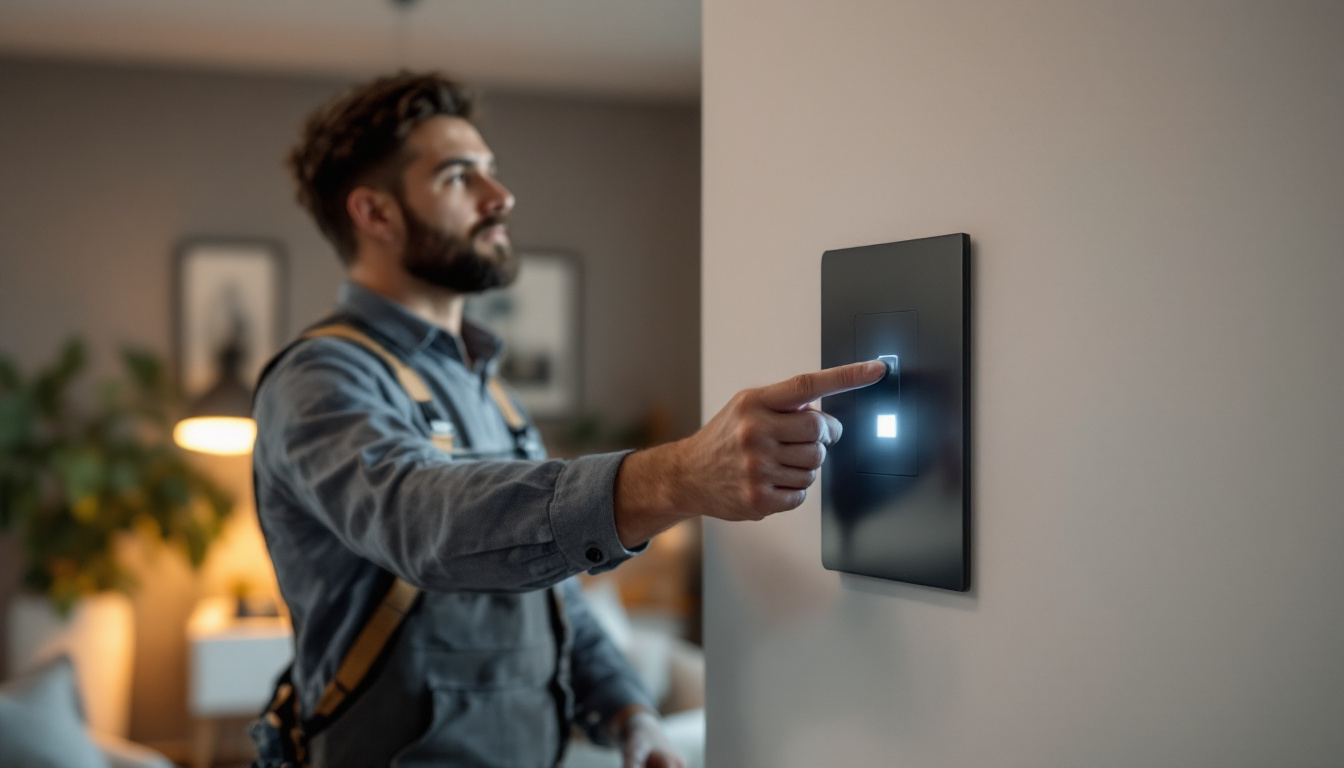
Why Wall Motion Sensor Switches Are Game-Changers for Lighting Projects
Lighting contractors often face the challenge of balancing energy efficiency, user convenience, and modern design demands. Wall motion sensor switches have emerged as indispensable tools that address these challenges head-on. Unlike traditional switches, these devices automatically detect occupancy and adjust lighting accordingly, eliminating the need for manual operation.
For contractors, this means fewer callbacks related to user error or forgotten lights left on. It also opens up opportunities to offer clients smart, energy-saving solutions that align with increasingly stringent building codes and sustainability goals. The ability to seamlessly integrate motion sensors into existing or new installations makes them a versatile choice for residential, commercial, and industrial projects alike.
Moreover, the technology behind wall motion sensor switches has advanced significantly, with options available that can differentiate between day and night, ensuring that lights are only activated when truly needed. This feature not only conserves energy but also extends the lifespan of lighting fixtures, reducing replacement costs over time. Additionally, many of these sensors come equipped with adjustable sensitivity settings, allowing contractors to customize the detection range and timing based on the specific needs of the space, whether it be a bustling office environment or a quiet hallway.
Furthermore, the aesthetic appeal of these modern switches cannot be overlooked. Many designs are sleek and unobtrusive, blending seamlessly with contemporary decor while providing a high-tech touch. This not only enhances the overall look of the space but also appeals to tech-savvy clients who appreciate the integration of smart home technologies. As the demand for energy-efficient and user-friendly lighting solutions continues to grow, wall motion sensor switches are proving to be a vital component in the evolution of lighting design, paving the way for a smarter, more sustainable future in both residential and commercial settings.
Key Features Lighting Contractors Should Look For
Detection Range and Sensitivity
One of the most critical aspects of a wall motion sensor switch is its detection range. Contractors need to select switches with adjustable sensitivity and coverage areas that match the room size and layout. For example, a narrow hallway requires a different sensor range compared to a large conference room.
Advanced models offer customization options to fine-tune sensitivity, reducing false triggers caused by pets or minor movements. This precision ensures that lighting responds appropriately, enhancing user satisfaction and energy savings. Furthermore, some cutting-edge sensors utilize infrared technology to differentiate between human movement and other disturbances, which can be particularly beneficial in environments with high foot traffic or fluctuating activity levels. This capability not only optimizes energy usage but also prolongs the lifespan of lighting fixtures by minimizing unnecessary on/off cycles.
Compatibility with Lighting Systems
Not all motion sensor switches are created equal when it comes to compatibility. Some are designed specifically for LED, CFL, or incandescent bulbs, while others support a wider range. Lighting contractors must verify that the sensor switch matches the type of lighting installed to avoid flickering, premature bulb failure, or operational issues.
Additionally, compatibility with dimmers or smart home systems can be a deciding factor for projects aiming for advanced control features. Choosing switches that integrate smoothly with existing electrical infrastructure streamlines installation and reduces troubleshooting time. Moreover, many modern motion sensors now come equipped with features that allow for integration with mobile apps, enabling users to monitor and control their lighting remotely. This level of connectivity not only enhances user convenience but also aligns with the growing trend towards smart homes and energy-efficient solutions.
Power Source and Wiring Options
Wall motion sensor switches typically require a neutral wire for operation, but some models are designed for installations without one. Understanding the wiring setup of the building is essential before selecting the appropriate switch. This knowledge prevents costly re-wiring or the need for alternative products.
Wireless options are also gaining popularity, especially in retrofit scenarios where running new wires is impractical. Contractors should evaluate the pros and cons of wired versus wireless solutions based on project requirements and client preferences. Wireless sensors often come with battery-operated models that can be easily installed in hard-to-reach areas, eliminating the need for extensive electrical work. However, it is crucial to consider battery life and replacement frequency, as these factors can influence long-term maintenance and operational costs. Additionally, some wireless systems offer solar-powered options, providing an eco-friendly alternative that can significantly reduce energy consumption and enhance sustainability in lighting design.
Installation Best Practices for Optimal Performance
Proper Placement and Orientation
Installing a motion sensor switch is not just about replacing an old switch with a new one. The sensor’s placement and orientation dramatically impact its effectiveness. Positioning the sensor to cover the primary area of movement without obstructions is crucial.
For example, placing the sensor too close to heating vents or windows can cause false triggers due to temperature changes or sunlight. Lighting contractors should conduct a thorough site assessment to determine the best location that maximizes coverage while minimizing interference. Additionally, considering the height at which the sensor is mounted can further enhance its performance. A sensor positioned too high may miss detecting lower movements, while one placed too low might pick up irrelevant motion, such as pets or passing vehicles. Therefore, a careful evaluation of the environment and potential obstructions is essential for achieving optimal sensor functionality.
Testing and Calibration
After installation, testing the sensor’s response in real conditions is vital. This includes walking through the detection zone at different speeds and angles to ensure consistent activation. Many sensors allow calibration of time delay and sensitivity settings, which should be adjusted according to the client’s usage patterns.
Proper calibration prevents lights from turning off prematurely or staying on unnecessarily, directly influencing energy efficiency and user comfort. Moreover, it’s beneficial to educate clients on how to adjust these settings themselves, empowering them to customize their lighting experience further. Regular maintenance checks can also help in identifying any drift in sensor performance over time, ensuring that the system remains efficient and effective throughout its lifespan.
Compliance with Electrical Codes and Standards
Lighting contractors must ensure that motion sensor switch installations comply with local electrical codes and safety standards. These regulations often dictate wiring methods, device ratings, and installation practices to guarantee safe operation.
Staying current with code requirements not only protects the contractor legally but also reassures clients that their lighting systems are safe and reliable. Furthermore, understanding the nuances of different codes can provide contractors with a competitive edge, as they can offer informed recommendations on energy-efficient solutions that align with sustainability goals. Engaging in continuous education and training on evolving standards will enhance a contractor’s expertise, ultimately leading to higher client satisfaction and trust in their services.
Benefits for Contractors and Clients Alike
Energy Savings and Environmental Impact
Motion sensor switches can reduce lighting energy consumption by up to 30% in commercial buildings, according to studies by energy efficiency organizations. This translates into significant cost savings for clients over time, making these switches a compelling value proposition.
For contractors, offering energy-efficient solutions enhances reputation and opens doors to projects with green building certifications such as LEED or WELL.
Enhanced User Experience and Convenience
Clients appreciate lighting that responds intuitively to their presence without the hassle of manual control. Motion sensor switches provide hands-free operation, which is especially beneficial in spaces like bathrooms, garages, or storage areas where users often have their hands full or enter briefly.
By installing these switches, contractors help improve accessibility and convenience, adding tangible benefits that clients notice and value.
Competitive Advantage in a Crowded Market
As the lighting industry becomes increasingly competitive, contractors who master the installation and integration of advanced devices like wall motion sensor switches stand out. Demonstrating expertise in energy-efficient and smart lighting solutions can lead to more referrals and repeat business.
Additionally, contractors can leverage manufacturer training and certifications to build credibility and command premium pricing.
Common Challenges and How to Overcome Them
Addressing False Triggers and Sensor Blind Spots
False triggers caused by pets, HVAC drafts, or reflective surfaces can frustrate users and lead to unnecessary energy use. Contractors should educate clients on sensor placement and select models with adjustable sensitivity to mitigate these issues.
In some cases, combining multiple sensors or using complementary technologies like ultrasonic detection can enhance reliability.
Dealing with Complex Wiring Scenarios
Older buildings often lack neutral wires or have unconventional wiring layouts, complicating sensor switch installation. Contractors must be prepared to troubleshoot and adapt, whether by choosing no-neutral-required models or installing auxiliary wiring.
Clear communication with clients about potential costs and limitations upfront helps manage expectations and ensures smooth project execution.
Keeping Up with Rapid Technological Advances
The market for motion sensor switches is evolving quickly, with new features such as integration with IoT platforms, voice control, and advanced analytics becoming common. Contractors need to stay informed through continuous education and manufacturer resources to offer the best solutions.
Building partnerships with reputable suppliers and attending industry events can provide valuable insights and access to cutting-edge products.
Conclusion: Integrating Wall Motion Sensor Switches into Your Service Offering
Wall motion sensor switches are more than just convenient gadgets-they are essential tools that empower lighting contractors to deliver smarter, more efficient, and user-friendly lighting solutions. Understanding their features, installation nuances, and benefits allows contractors to confidently recommend and implement these devices across a variety of projects.
By embracing motion sensor technology, contractors not only enhance client satisfaction and reduce energy waste but also position themselves as forward-thinking professionals in a competitive industry. The investment in mastering these switches pays dividends through improved project outcomes and expanded business opportunities.
Upgrade Your Lighting Projects with LumenWholesale
Ready to elevate your lighting installations with the efficiency and innovation of wall motion sensor switches? At LumenWholesale, we provide lighting contractors with the highest quality, spec-grade lighting products at unbeatable wholesale prices. Say goodbye to inflated markups and hello to superior lighting solutions that meet the highest industry standards. With our hassle-free bulk buying and free shipping, you can ensure your projects shine with premium lighting at the best value. Don’t compromise on quality or cost. Discover the best in wholesale lighting at LumenWholesale and give your clients the smart, energy-efficient lighting they deserve.