Understanding UV Light and Its Role in Refrigeration
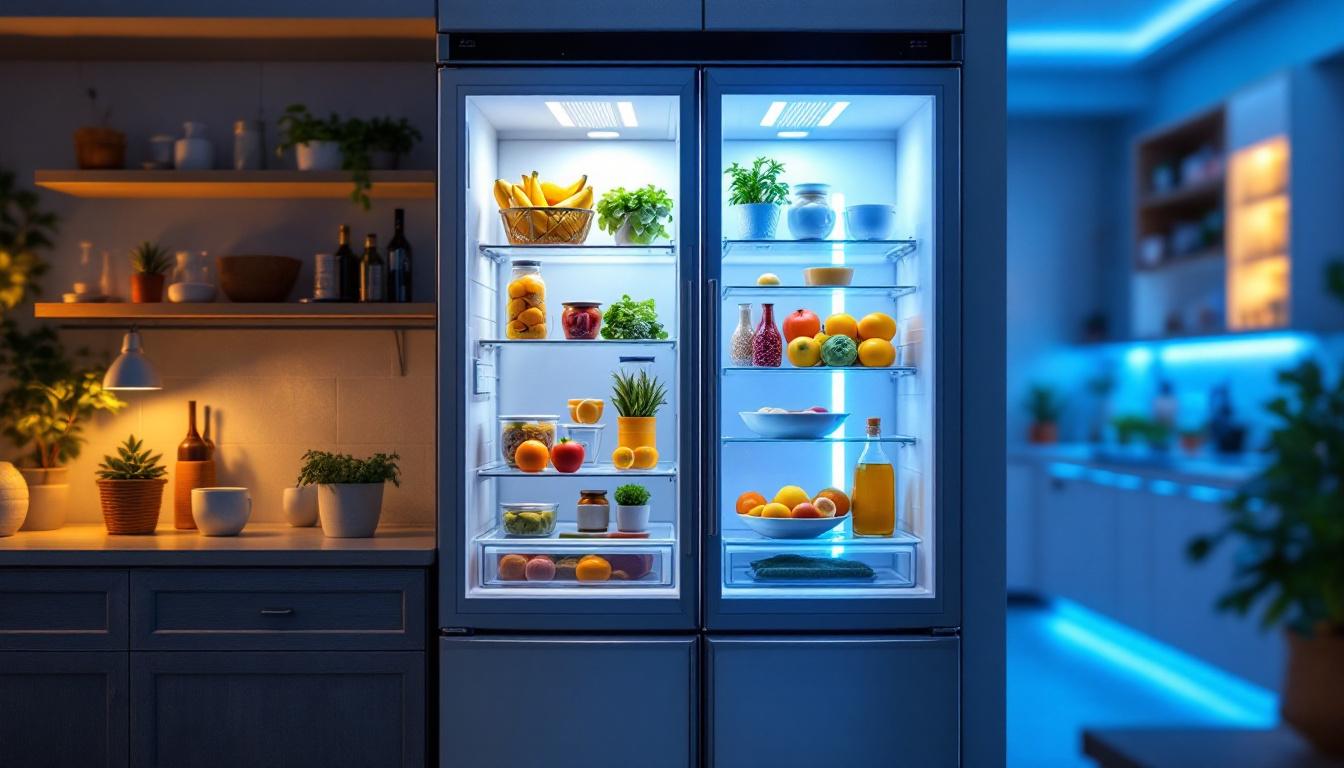
Ultraviolet (UV) light is often associated with sterilization and disinfection, but its application inside refrigeration units is a specialized topic that lighting contractors must grasp fully. UV light, particularly UV-C, has germicidal properties that can inhibit the growth of bacteria, mold, and other microorganisms commonly found in moist, cool environments like refrigerators.
In refrigeration, maintaining hygiene is critical not only for food safety but also for extending the lifespan of the appliance and reducing odors. UV light can be a powerful tool in achieving these goals, but its integration requires careful consideration of factors such as wavelength, intensity, and exposure duration.
What Exactly Is UV-C?
UV-C light refers to ultraviolet light with wavelengths between 200 and 280 nanometers. This range is effective at breaking down the DNA and RNA of microorganisms, rendering them inactive. Unlike UV-A and UV-B, UV-C does not penetrate deeply into materials or human skin, but it can be harmful if directly exposed to eyes or skin. This makes its application inside enclosed spaces like fridges both practical and safe when properly designed.
Moreover, the use of UV-C in refrigeration units not only helps in maintaining a cleaner environment but also plays a significant role in preserving the quality of food. By reducing microbial load, UV-C light can help prevent spoilage and extend the shelf life of perishable items. This is particularly important in commercial settings where food safety regulations are stringent, and the cost of waste due to spoilage can be substantial. Additionally, the integration of UV-C technology can lead to less reliance on chemical cleaning agents, which can be harmful to both the environment and human health.
Furthermore, the implementation of UV-C systems in refrigeration is becoming increasingly sophisticated. Modern units may include automated UV-C cycles that activate at certain intervals, ensuring consistent disinfection without the need for manual intervention. This innovation not only enhances safety but also provides peace of mind for consumers and businesses alike. As technology advances, we can expect to see even more efficient and effective uses of UV-C in refrigeration, potentially revolutionizing how we think about food storage and safety in the future.
Benefits of UV Light Integration in Refrigerators
For lighting contractors, understanding the benefits of UV light in refrigeration can help in advising clients and designing effective lighting solutions. The advantages go beyond simple illumination.
Enhanced Food Safety
Foodborne illnesses often stem from bacterial contamination in storage areas. UV-C light can reduce the presence of pathogens such as Salmonella, Listeria, and E. coli on surfaces inside the fridge. This disinfection process helps maintain food freshness and safety, which is a significant selling point for commercial refrigeration units in restaurants, supermarkets, and healthcare facilities. By integrating UV light technology, operators can ensure compliance with health regulations and enhance consumer trust, as customers are increasingly concerned about food safety practices in establishments they patronize.
Reduction of Mold and Odors
Mold thrives in the damp, cool environment of refrigerators, leading to unpleasant odors and potential health risks. UV light inhibits mold growth by destroying spores before they can establish colonies. This reduces the need for frequent cleaning and deodorizing, saving time and maintenance costs. Furthermore, the elimination of mold not only improves the sensory experience of food storage but also contributes to better air quality within the refrigeration unit, which is particularly beneficial in settings where food is prepared and served.
Energy Efficiency and Appliance Longevity
Microbial growth can affect the efficiency of refrigeration systems by clogging drainage systems and causing corrosion. UV light helps keep these systems cleaner, indirectly improving energy efficiency and extending the unit’s operational life. This benefit is often overlooked but is crucial for clients looking for long-term value. Additionally, the integration of UV technology can lead to lower energy bills, as a cleaner system operates more efficiently and requires less energy to maintain optimal temperatures. This not only reduces operational costs but also aligns with sustainability goals, appealing to eco-conscious consumers and businesses alike.
Improved Customer Experience
In commercial settings, the integration of UV light in refrigerators can significantly enhance the overall customer experience. When customers see that a business is utilizing advanced technology to ensure food safety and freshness, it fosters a sense of trust and confidence in the quality of the products offered. This can lead to increased customer loyalty and repeat business, as patrons are more likely to return to establishments that prioritize their health and well-being. Additionally, the visible cleanliness and freshness of food items can make a strong impression, encouraging impulse purchases and enhancing sales.
Cost-Effectiveness Over Time
While the initial investment in UV light technology may seem substantial, the long-term savings can be significant. By reducing spoilage rates and minimizing the need for cleaning supplies and labor, businesses can recoup their investment relatively quickly. Moreover, the extended lifespan of refrigeration units due to reduced wear and tear translates into fewer replacements and repairs, further contributing to cost-effectiveness. As the market for energy-efficient and health-conscious solutions continues to grow, integrating UV light into refrigeration systems positions businesses as leaders in innovation and responsibility, appealing to a broader customer base.
Technical Considerations for Lighting Contractors
Integrating UV light into refrigeration units is not as simple as installing a regular bulb. Several technical aspects must be addressed to ensure safety, effectiveness, and compliance with regulations.
Choosing the Right UV Light Source
There are various UV light sources available, including mercury vapor lamps, LED-based UV lights, and excimer lamps. LED UV-C lights are gaining popularity due to their compact size, energy efficiency, and lower heat output, which is important in cold environments.
Lighting contractors should select UV sources that emit within the germicidal wavelength range and have sufficient intensity to disinfect surfaces effectively without damaging the fridge components or food.
Placement and Exposure Time
Proper placement of UV lights inside the fridge is critical. The light must reach all surfaces where microbial growth is likely, including hard-to-see corners and drainage areas. Reflective surfaces can help distribute UV light more evenly.
Exposure time is equally important. Continuous low-level UV exposure can be effective but may raise safety concerns if the fridge door is opened frequently. Alternatively, UV lights can operate in cycles when the fridge is closed, maximizing disinfection while minimizing risk.
Safety Measures and Regulations
UV-C light can cause eye and skin injuries with direct exposure, so safety interlocks and shielding are essential. The design should prevent UV light from escaping the fridge when the door is open. Additionally, contractors must ensure compliance with local and international standards governing UV light use in appliances.
Installation Challenges and Best Practices
Lighting contractors often face unique challenges when installing UV systems in refrigeration units. Understanding these can improve installation quality and client satisfaction.
Dealing with Moisture and Temperature
Refrigerators have high humidity levels and low temperatures, which can affect the performance and lifespan of UV light components. Selecting UV lights rated for these conditions is crucial. Sealing and waterproofing fixtures prevent moisture ingress that could cause electrical faults or corrosion.
Power Supply and Integration
UV lights require a stable power supply that integrates seamlessly with the fridge’s existing electrical system. Contractors should consider energy consumption and ensure that the UV system does not interfere with the fridge’s temperature control or other critical functions.
Maintenance and Accessibility
UV lamps degrade over time and lose effectiveness. Designing the installation for easy access allows for straightforward maintenance and replacement. Providing clients with clear instructions on maintenance schedules and safety precautions enhances the system’s long-term success.
Case Studies and Real-World Applications
Examining practical examples helps lighting contractors understand how UV light is used in refrigeration across different sectors.
Commercial Food Storage
Supermarkets and restaurants have adopted UV-C lighting inside walk-in refrigerators and display cases to reduce spoilage and contamination. These installations often use LED UV strips mounted on ceilings or walls, programmed to operate during off-hours to avoid exposure risks.
Healthcare and Pharmaceutical Refrigeration
Hospitals use UV light in refrigerators storing vaccines and other sensitive materials to ensure sterility. These systems often include sensors that monitor UV intensity and alert staff when maintenance is needed, ensuring compliance with strict health regulations.
Residential Refrigeration
While less common, some high-end residential refrigerators now feature built-in UV sterilization. Lighting contractors working with appliance manufacturers or custom installations should be aware of these trends and the specific requirements they entail.
Future Trends and Innovations
The technology behind UV lighting continues to evolve, offering new opportunities and challenges for lighting contractors.
Advances in UV-C LED Technology
Smaller, more efficient UV-C LEDs are enabling more compact and versatile designs. This allows for integration into tighter spaces and more precise targeting of microbial hotspots within refrigeration units.
Smart Controls and IoT Integration
Smart refrigeration units with UV lighting can now be controlled remotely and monitored for performance via IoT platforms. Lighting contractors should familiarize themselves with these systems to provide installation and troubleshooting services that meet modern expectations.
Eco-Friendly and Energy-Saving Solutions
Energy efficiency remains a priority. New UV lighting solutions focus on reducing power consumption while maintaining disinfection efficacy. This aligns with broader sustainability goals that many clients prioritize.
Conclusion: What Lighting Contractors Must Remember
UV light offers significant benefits for refrigeration, from improving food safety to reducing maintenance costs. However, its successful application hinges on a deep understanding of the technical, safety, and operational aspects involved.
Lighting contractors should approach UV integration with careful planning, selecting appropriate light sources, ensuring safe installation, and educating clients on maintenance. Staying informed about technological advancements and regulatory changes will position contractors as trusted experts in this niche but growing field.
Ultimately, mastering UV light for refrigerators can open new business opportunities and help deliver solutions that enhance hygiene, efficiency, and customer satisfaction.
Illuminate Your Projects with LumenWholesale
Ready to elevate your refrigeration projects with the power of UV light? Look no further than LumenWholesale for all your lighting needs. We offer an extensive selection of spec-grade UV lighting solutions at unbeatable wholesale prices, ensuring you get the most value for your investment. Say goodbye to inflated markups and hello to premium quality, hassle-free bulk buying, and free shipping. Trust LumenWholesale to provide reliable, high-performance lighting that meets the highest industry standards. Enhance your refrigeration systems with the best in the business. Wholesale Lighting at the Best Value is just a click away.