Introduction to Ultraviolet LED Technology
Ultraviolet (UV) LED lights represent a cutting-edge advancement in lighting technology, offering a range of applications from disinfection to industrial curing processes. Unlike traditional UV lamps that rely on mercury vapor or other hazardous materials, UV LEDs utilize semiconductor technology to emit ultraviolet light efficiently and safely. For lighting contractors, understanding the nuances of UV LED technology is essential, especially as energy efficiency becomes a critical consideration in modern projects.
The shift toward UV LED lighting is driven by its potential to reduce energy consumption while delivering precise wavelengths tailored for specific tasks. This article explores how UV LED lights impact energy efficiency, the benefits they bring to various sectors, and practical considerations for contractors integrating these systems into their projects.
One of the most significant advantages of UV LED technology is its longevity and durability compared to traditional UV lamps. UV LEDs can last up to 25,000 hours or more, significantly reducing the frequency of replacements and maintenance costs. This longevity not only translates to cost savings but also minimizes waste, making UV LEDs a more environmentally friendly option. Additionally, the compact size of UV LEDs allows for innovative design possibilities, enabling contractors to implement them in spaces where traditional UV sources would be impractical.
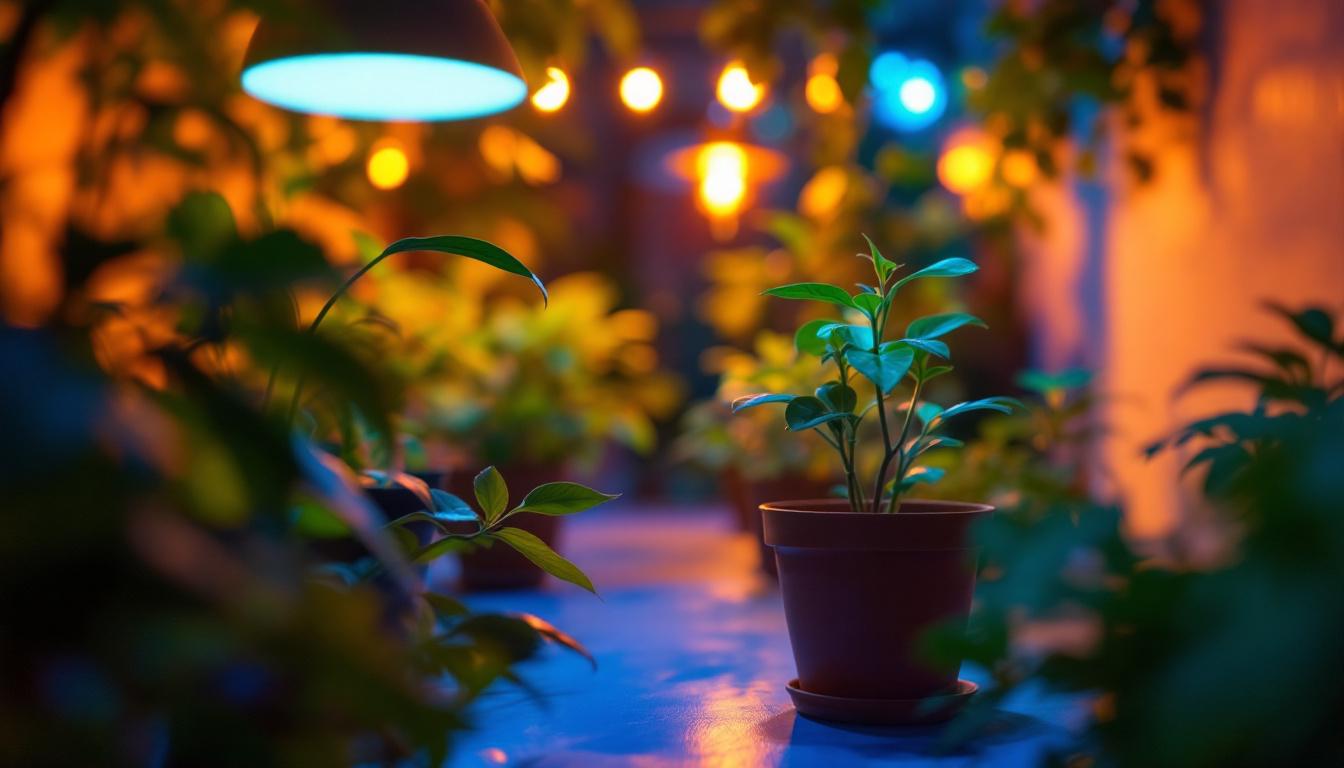
Moreover, the versatility of UV LEDs extends beyond disinfection and curing; they are also making waves in the agricultural sector. For instance, UV LEDs can be utilized in controlled environment agriculture to enhance plant growth and pest management. By emitting specific wavelengths, these LEDs can stimulate photosynthesis or deter harmful insects without the use of chemical pesticides. As the demand for sustainable agricultural practices grows, the integration of UV LED technology into farming operations presents a promising avenue for innovation and efficiency.
Understanding the Energy Efficiency of UV LED Lights
Comparing UV LEDs to Traditional UV Lighting
Traditional ultraviolet lighting technologies, such as mercury vapor lamps and fluorescent UV lamps, have been widely used for decades. However, these older technologies often suffer from high energy consumption, limited lifespan, and environmental concerns due to toxic materials. UV LEDs, on the other hand, operate on solid-state technology, which inherently offers greater energy efficiency.
UV LEDs convert electrical energy directly into UV light with minimal heat generation, resulting in significantly lower energy losses. Studies have shown that UV LEDs can achieve energy savings of up to 50% compared to conventional UV lamps in certain applications. This efficiency gain translates into lower operational costs and reduced environmental impact, making UV LEDs an attractive option for energy-conscious lighting contractors. Additionally, the longer lifespan of UV LEDs—often exceeding 25,000 hours—means less frequent replacements, further decreasing waste and maintenance costs over time. As industries increasingly prioritize sustainability, the shift towards UV LEDs is becoming not just a trend but a necessity.
Wavelength Precision and Energy Optimization
One of the key advantages of UV LED technology is the ability to emit light at specific wavelengths, typically in the UVA (315-400 nm), UVB (280-315 nm), or UVC (100-280 nm) ranges. This precision allows for optimized energy use because the light output can be tailored exactly to the needs of the application, avoiding wasted energy on unnecessary wavelengths.
For example, in disinfection applications, UVC LEDs emitting at around 270 nm are highly effective at inactivating microorganisms. By using LEDs that emit only this targeted wavelength, energy consumption is minimized compared to broad-spectrum UV lamps that emit a range of wavelengths, many of which may be less effective or redundant. Furthermore, the compact size of UV LEDs allows for innovative designs in fixtures and systems, enabling more efficient placement and utilization in various settings, from water treatment facilities to healthcare environments. This adaptability not only enhances their effectiveness but also opens the door for new applications that were previously unfeasible with traditional UV lighting technologies.
Applications Driving Energy Efficiency with UV LED Lighting
Water and Air Purification Systems
UV LED technology has revolutionized water and air purification systems by providing an energy-efficient alternative to traditional UV lamps. These systems require continuous operation to maintain high standards of hygiene, making energy efficiency a critical factor.
UV LEDs consume less power and have longer lifespans, reducing maintenance and replacement frequency. Additionally, their instant on/off capability eliminates the warm-up time associated with mercury lamps, further conserving energy. For contractors, specifying UV LED-based purification systems can enhance the sustainability profile of commercial and residential projects.
Furthermore, the use of UV LEDs in purification systems not only improves energy efficiency but also enhances the effectiveness of disinfection. Studies have shown that UV LEDs can effectively inactivate a wide range of pathogens, including bacteria, viruses, and protozoa, making them an essential component in ensuring safe drinking water and clean indoor air. The ability to operate at specific wavelengths allows for targeted disinfection, which can be tailored to the specific contaminants present in water or air, thereby maximizing the efficacy of the purification process.
Industrial Curing and Manufacturing Processes
In industrial settings, UV LEDs are increasingly used for curing adhesives, coatings, and inks. These processes demand intense UV light for short durations, and the rapid on/off cycling capability of UV LEDs offers significant energy savings.
Traditional curing lamps often operate continuously and require warm-up periods, leading to unnecessary energy use. UV LEDs, by contrast, deliver immediate full power, allowing for precise control and reduced energy consumption. This efficiency not only lowers operational costs but also reduces heat generation, which can improve workplace safety and reduce cooling requirements.
Moreover, the integration of UV LED technology in manufacturing processes can lead to higher quality finishes and faster production times. The precise control over the curing process allows manufacturers to achieve consistent results, minimizing defects and waste. Additionally, the reduced thermal output of UV LEDs means that sensitive substrates can be cured without the risk of warping or damage, expanding the range of materials that can be effectively used in production. This versatility can be a significant advantage in industries such as electronics, automotive, and packaging, where high-quality, durable finishes are paramount.
Healthcare and Sterilization Applications
Healthcare facilities benefit from UV LED lighting through enhanced sterilization protocols. The energy-efficient nature of UV LEDs supports continuous or frequent disinfection cycles without excessive power consumption.
Moreover, the compact size and durability of UV LEDs enable integration into portable sterilization devices and HVAC systems, expanding their usability. Lighting contractors involved in healthcare projects can leverage these benefits to meet stringent energy codes and sustainability goals.
In addition to their energy efficiency, UV LEDs also contribute to improved patient safety and comfort. By minimizing the use of harsh chemicals for disinfection, healthcare facilities can create a healthier environment for both patients and staff. The ability to incorporate UV LED disinfection into everyday practices, such as in waiting rooms and examination areas, can significantly reduce the risk of hospital-acquired infections. Furthermore, the low heat output of UV LEDs ensures that they can operate in sensitive environments without affecting temperature-sensitive equipment or materials, making them an ideal choice for modern healthcare applications.
Environmental and Economic Benefits of UV LED Adoption
Reduction in Carbon Footprint
Energy efficiency directly correlates with reduced carbon emissions, a critical consideration for contractors aiming to support green building initiatives. By adopting UV LED lighting, projects can significantly lower their energy demand, contributing to a smaller carbon footprint.
Since UV LEDs avoid the use of mercury and other hazardous substances, they also mitigate environmental risks associated with disposal and accidental breakage. This aligns with regulatory trends favoring environmentally responsible materials and technologies.
Cost Savings Over the Product Lifecycle
While the initial cost of UV LED systems may be higher than traditional UV lamps, the total cost of ownership often favors LEDs due to their energy savings and longer operational life. UV LEDs can last tens of thousands of hours, reducing replacement frequency and maintenance labor.
For lighting contractors, presenting clients with a comprehensive cost-benefit analysis that includes energy savings and maintenance reductions can facilitate informed decision-making and justify upfront investments.
Challenges and Considerations for Lighting Contractors
Technical Limitations and Performance Factors
Despite their advantages, UV LEDs face certain technical challenges that contractors must consider. For example, UV LEDs typically produce lower radiant power compared to traditional lamps, which can affect performance in high-intensity applications.
Thermal management is another critical factor; although UV LEDs generate less heat overall, their performance and lifespan can degrade if operating temperatures are not properly controlled. Implementing effective heat sinks and cooling solutions is essential to maintain efficiency and reliability.
Integration and Regulatory Compliance
Integrating UV LED systems into existing infrastructure may require careful planning, especially when retrofitting older installations. Compatibility with control systems, power supplies, and safety measures must be verified to ensure optimal performance and compliance with electrical codes.
Furthermore, UV light exposure poses health risks if not properly managed. Contractors must adhere to safety standards and guidelines to protect users and maintenance personnel from harmful UV radiation.
Future Trends and Innovations in UV LED Energy Efficiency
Research and development in UV LED technology continue to advance rapidly. Emerging innovations focus on increasing radiant power output, improving electrical-to-optical conversion efficiency, and reducing manufacturing costs.
Additionally, smart lighting controls integrated with UV LED systems enable dynamic energy management, adjusting output based on real-time needs and further enhancing efficiency. As these technologies mature, lighting contractors will have access to even more effective tools to meet energy efficiency goals.
Conclusion
Ultraviolet LED lights are transforming the landscape of energy-efficient lighting solutions across multiple industries. Their superior energy performance, environmental benefits, and versatility make them a compelling choice for lighting contractors aiming to deliver sustainable and cost-effective projects.
While challenges remain, ongoing technological advancements and growing market adoption suggest that UV LEDs will play an increasingly prominent role in energy-efficient lighting design. Contractors who stay informed and adept at integrating these systems will be well-positioned to meet the evolving demands of clients and regulatory environments.
Illuminate Your Projects with LumenWholesale
Ready to harness the power of ultraviolet LED lights for your next energy-efficient project? Look no further than LumenWholesale, where we provide lighting contractors with the highest quality, spec-grade UV LED lighting products at unbeatable wholesale prices. Say goodbye to inflated markups and hello to superior lighting solutions that meet the highest industry standards. With our hassle-free bulk buying and free shipping, you can secure premium lighting at the best value — ensuring your projects shine without breaking the bank. Elevate your lighting game and explore our wholesale lighting options today.