Understanding the Importance of Grow Lights in Greenhouses
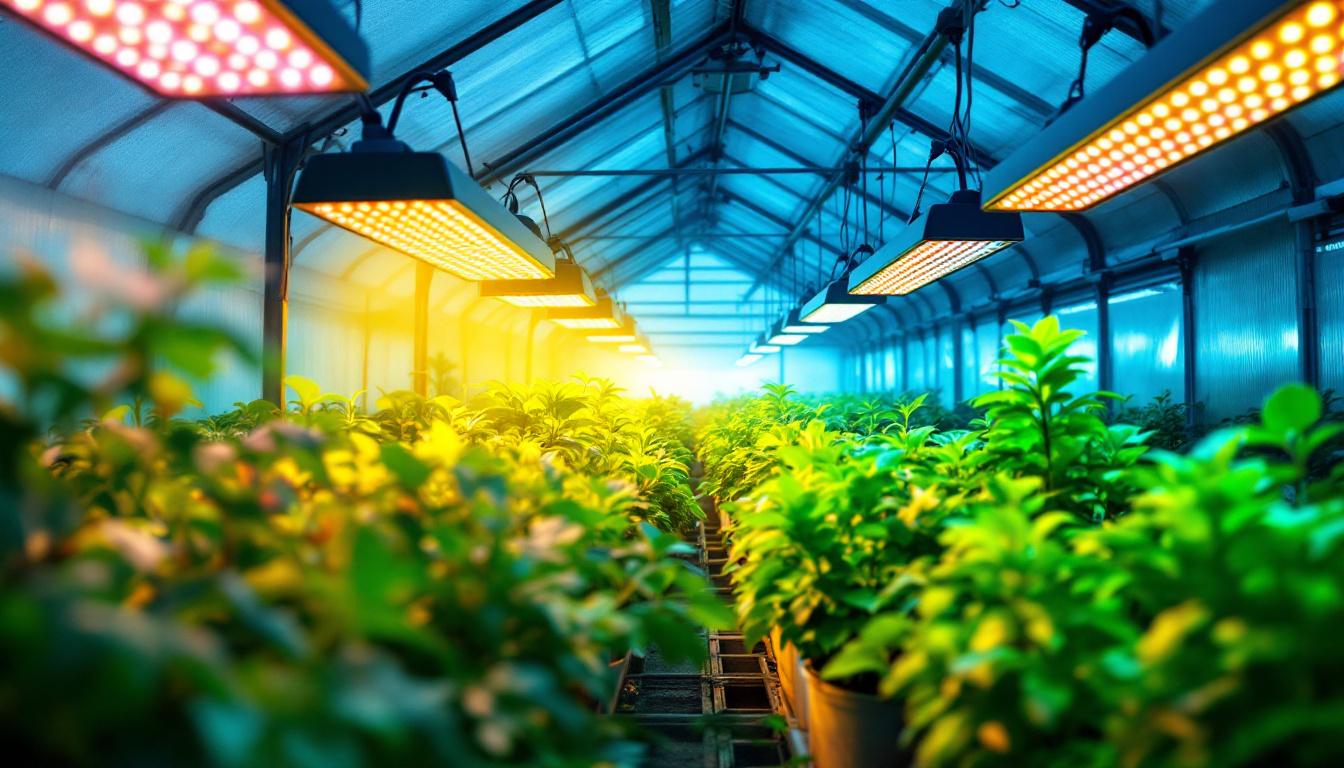
Greenhouses serve as controlled environments that allow plants to thrive, regardless of external weather conditions. One of the most critical components of this controlled environment is the grow light. For lighting contractors, understanding the role of grow lights in plant growth is essential for providing effective solutions to greenhouse operators.
Grow lights simulate natural sunlight, providing the necessary spectrum of light that plants require for photosynthesis. This is particularly important during the winter months or in regions with limited sunlight. By ensuring that plants receive adequate lighting, contractors can help maximize crop yields and enhance the overall health of the plants. Furthermore, the use of grow lights can extend the growing season, allowing for earlier planting and later harvesting, which can significantly increase productivity and profitability for greenhouse operators.
The Science Behind Plant Growth and Light
Plants utilize light primarily through a process called photosynthesis, where they convert light energy into chemical energy. Different wavelengths of light influence various aspects of plant growth, including germination, flowering, and fruiting. Understanding these wavelengths is crucial for contractors when selecting the appropriate grow lights.
For instance, blue light (400-500 nm) is essential for vegetative growth, while red light (600-700 nm) plays a significant role in flowering and fruiting. A balanced spectrum that includes both blue and red light is often recommended for optimal plant development. Moreover, advancements in LED technology have allowed for the creation of grow lights that can be fine-tuned to emit specific wavelengths, providing a more tailored approach to plant care. This precision not only enhances growth rates but also improves the nutritional content of the crops, leading to healthier produce for consumers.
In addition to the visible light spectrum, it’s important to consider the role of far-red light (700-800 nm) in plant development. This wavelength can influence plant height and leaf expansion, making it a valuable tool for growers looking to optimize their greenhouse environments. By integrating far-red light into their lighting systems, contractors can help growers achieve a more robust and vigorous plant structure, which is particularly beneficial for crops that require a strong foundation for fruit production. Understanding these nuances allows lighting contractors to offer more comprehensive solutions that cater to the specific needs of different plant species.
Types of Grow Lights Available
When it comes to grow lights, there are several types available on the market, each with its unique advantages and disadvantages. Lighting contractors must be familiar with these types to make informed recommendations to their clients.
Fluorescent Lights
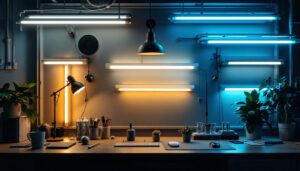
Fluorescent lights are a popular choice for many greenhouse operations due to their affordability and efficiency. They emit a spectrum of light that is suitable for seedling growth and vegetative stages. Moreover, they generate less heat compared to other light sources, reducing the risk of overheating plants.
However, fluorescent lights may not provide sufficient intensity for larger plants or flowering stages. Contractors should consider the specific needs of the plants being grown when recommending fluorescent lights.
High-Intensity Discharge (HID) Lights
HID lights, including Metal Halide (MH) and High-Pressure Sodium (HPS) lamps, are known for their high output and efficiency. MH lamps emit a blue spectrum, making them ideal for vegetative growth, while HPS lamps provide a red spectrum, which is beneficial for flowering.
While HID lights are effective, they do produce significant heat and require proper ventilation to maintain optimal growing conditions. Contractors must ensure that the greenhouse is equipped with adequate cooling systems when recommending HID lights.
Light Emitting Diodes (LEDs)
LED grow lights have gained popularity in recent years due to their energy efficiency and long lifespan. They can be tailored to emit specific wavelengths, allowing for precise control over the light spectrum. This adaptability makes LEDs suitable for all growth stages, from seedlings to mature plants.
Although the initial investment for LED lights can be higher than other options, their longevity and reduced energy costs often lead to savings in the long run. Contractors should weigh these factors when discussing lighting options with clients.
Factors to Consider When Choosing Grow Lights
Selecting the right grow lights involves more than just understanding the types available. Several factors must be considered to ensure that the chosen lighting solution meets the specific needs of the greenhouse environment.
Light Spectrum
The light spectrum is perhaps the most critical factor when choosing grow lights. Different plants require varying light spectrums for optimal growth. As mentioned earlier, blue light is essential for vegetative growth, while red light is crucial for flowering.
Contractors should assess the types of plants being grown in the greenhouse and recommend lights that provide the appropriate spectrum. Some advanced grow lights offer customizable spectrums, allowing for greater flexibility in meeting plant needs.
Light Intensity
Light intensity, measured in lumens or PAR (Photosynthetically Active Radiation), is another crucial consideration. Different plants have varying light intensity requirements; for example, leafy greens may thrive under lower light levels, while fruiting plants may require higher intensities.
Contractors should evaluate the specific light intensity needs of the plants being cultivated and ensure that the chosen grow lights can deliver the necessary output. This may involve conducting light measurements within the greenhouse to determine optimal placement and intensity levels.
Energy Efficiency and Cost
Energy efficiency is a significant concern for greenhouse operators, as lighting can account for a substantial portion of operational costs. When recommending grow lights, contractors should consider the energy consumption and cost-effectiveness of each option.
LED lights tend to be the most energy-efficient choice, but contractors should also evaluate the total cost of ownership, including initial investment, energy consumption, and maintenance costs. Providing clients with a comprehensive cost analysis can help them make informed decisions.
Installation Considerations for Grow Lights
Once the appropriate grow lights have been selected, proper installation is essential to ensure optimal performance. Lighting contractors play a vital role in this process, and several factors must be taken into account during installation.
Placement and Coverage
The placement of grow lights within the greenhouse can significantly impact their effectiveness. Lights should be positioned to provide uniform coverage across the growing area, minimizing shadows and ensuring that all plants receive adequate light.
Contractors may need to conduct a layout assessment to determine the optimal height and spacing of lights. This will help achieve the desired light intensity and spectrum distribution throughout the greenhouse.
Wiring and Electrical Considerations
Grow lights require proper electrical wiring to ensure safety and efficiency. Contractors should be familiar with local electrical codes and regulations when installing lighting systems. This includes ensuring that circuits can handle the load of the grow lights and that all wiring is adequately insulated and protected.
Additionally, contractors should consider incorporating timers or smart controllers to automate lighting schedules. This can enhance energy efficiency and ensure that plants receive the appropriate amount of light throughout their growth cycles.
Maintenance and Troubleshooting of Grow Lights
Regular maintenance of grow lights is essential for ensuring their longevity and performance. Lighting contractors should educate greenhouse operators on best practices for maintaining their lighting systems.
Cleaning and Inspection
Dust and debris can accumulate on grow lights, reducing their efficiency. Regular cleaning is necessary to maintain optimal light output. Contractors should recommend a cleaning schedule and provide guidance on safe cleaning methods to avoid damaging the lights.
Additionally, routine inspections of the lighting system can help identify potential issues before they become significant problems. This includes checking for burnt-out bulbs, faulty wiring, or any signs of overheating.
Troubleshooting Common Issues
Even with proper maintenance, issues may arise with grow lights. Contractors should be prepared to troubleshoot common problems, such as flickering lights, uneven light distribution, or inadequate plant growth.
Flickering lights may indicate a loose connection or a failing bulb, while uneven light distribution could result from improper placement or insufficient wattage. Contractors should be equipped with the knowledge to diagnose these issues and recommend appropriate solutions.
Future Trends in Grow Light Technology
The field of grow light technology is continually evolving, with new advancements emerging regularly. Lighting contractors should stay informed about these trends to provide the best solutions for their clients.
Smart Lighting Systems
Smart lighting systems are becoming increasingly popular in greenhouse operations. These systems utilize sensors and automation to optimize light levels based on plant needs and environmental conditions. Contractors should consider recommending smart lighting solutions that can enhance energy efficiency and improve plant growth.
These systems can also integrate with other greenhouse technologies, such as climate control systems, to create a fully automated growing environment. This level of integration can lead to significant improvements in crop yields and overall operational efficiency.
Advancements in LED Technology
LED technology continues to advance, with new products offering improved efficiency and customizable spectrums. As manufacturers develop more sophisticated LED grow lights, contractors should remain knowledgeable about the latest options available.
These advancements may include features such as adjustable light spectrums, increased intensity, and enhanced heat management, all of which can contribute to better plant growth and reduced energy costs.
Conclusion
Choosing the right grow lights for greenhouses is a critical task for lighting contractors. By understanding the importance of light in plant growth, familiarizing themselves with different types of grow lights, and considering key factors such as light spectrum, intensity, and energy efficiency, contractors can provide valuable recommendations to greenhouse operators.
Proper installation, maintenance, and troubleshooting are equally important to ensure that grow lights perform optimally over time. As technology continues to evolve, staying informed about the latest trends will enable contractors to offer cutting-edge solutions that meet the needs of their clients.
By following this guide, lighting contractors can confidently navigate the complexities of greenhouse grow lights, ultimately contributing to healthier plants and more successful greenhouse operations.
Illuminate Your Greenhouse with LumenWholesale
Ready to elevate your greenhouse operations with the best in grow light technology? Look no further than LumenWholesale, where we provide lighting contractors with the highest quality, spec-grade lighting products at unbeatable wholesale prices. Say goodbye to local distributor markups and hello to superior lighting solutions that meet the highest industry standards. With LumenWholesale, you can take advantage of bulk buying without the hassle, thanks to our free shipping policy. Don’t compromise on quality or value; choose LumenWholesale for premium lighting that blends affordability with convenience. Start transforming your greenhouse projects today by visiting Wholesale Lighting at the Best Value.