In the ever-evolving world of horticulture, the use of grow lights has become increasingly popular among both amateur and professional growers. For lighting contractors, understanding the intricacies of hanging grow lights can significantly enhance the efficiency and effectiveness of indoor gardening setups. This article delves into the best practices for hanging grow lights, offering insights specifically tailored for lighting contractors.
Understanding Grow Lights
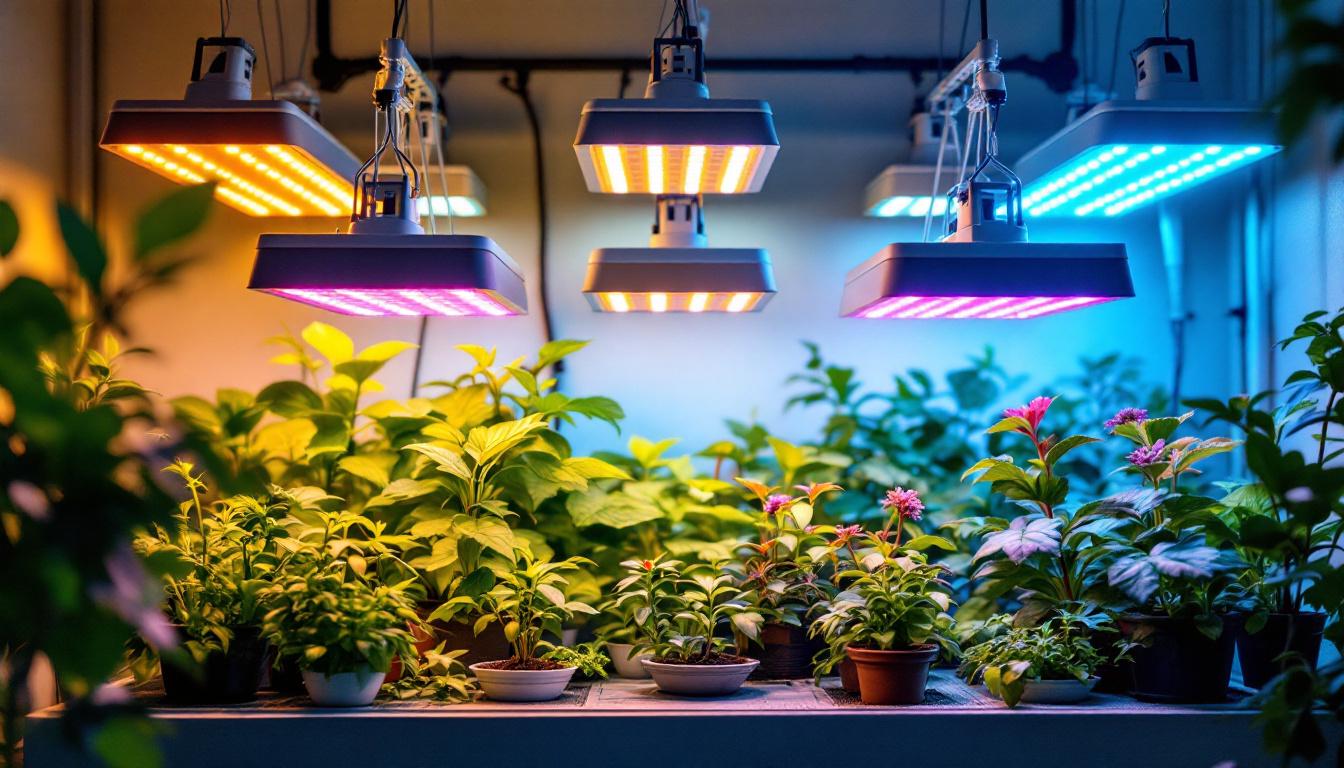
Before diving into the best practices for hanging grow lights, it is essential to understand the different types of grow lights available and their unique characteristics. Grow lights come in various forms, including LED, fluorescent, and high-intensity discharge (HID) lights, each with its advantages and disadvantages. Selecting the right type of grow light can greatly influence the success of your indoor gardening endeavors, as each type caters to different plant species and growth stages.
Types of Grow Lights
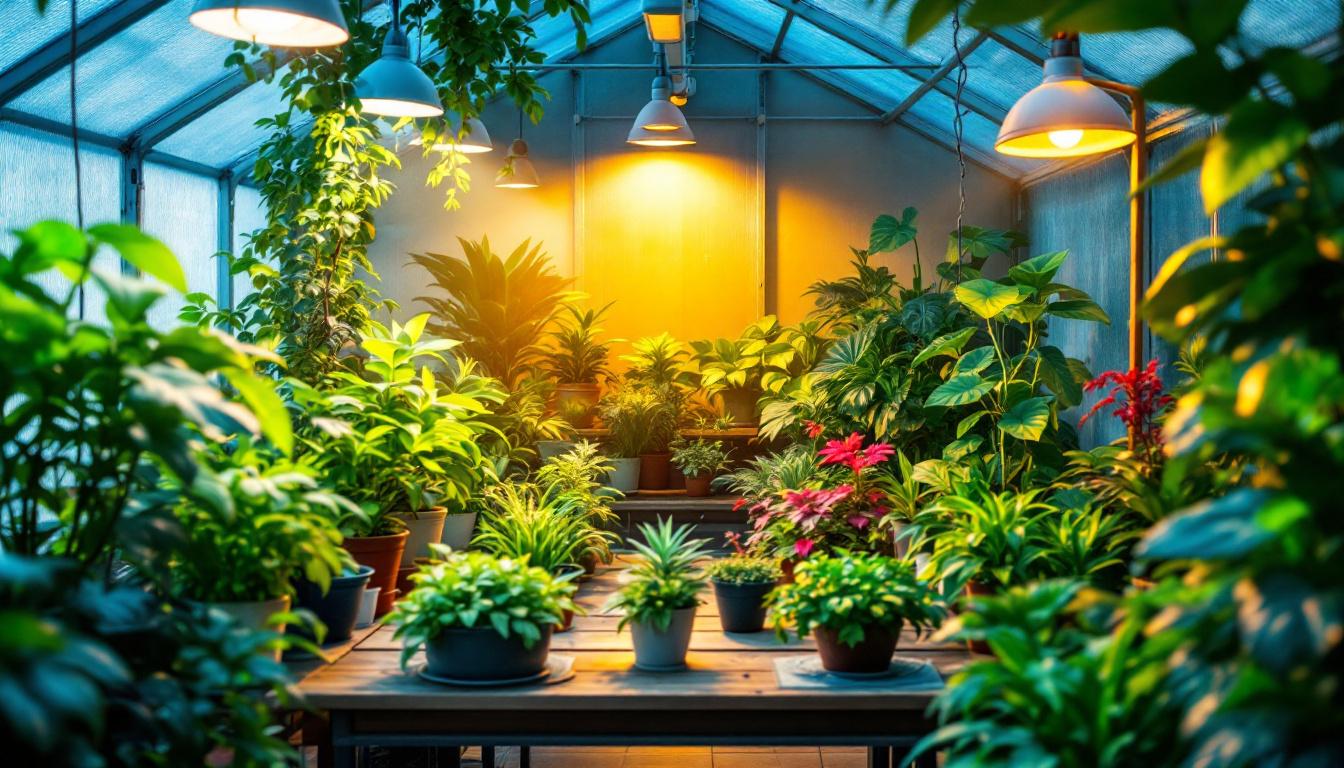
LED grow lights are favored for their energy efficiency and longevity. They emit less heat, which can help maintain optimal growing conditions. Additionally, modern LED technology allows for customizable light spectrums, enabling growers to select specific wavelengths that enhance photosynthesis and promote healthy plant growth. Fluorescent lights, on the other hand, are often used for seedlings and clones due to their lower intensity and cost-effectiveness. They are particularly beneficial in a nursery setting, where gentle light encourages young plants to establish strong roots without the risk of burning. HID lights, including metal halide and high-pressure sodium lamps, provide high-intensity light but generate significant heat, necessitating careful placement and ventilation. These lights are often employed in larger setups, such as commercial greenhouses, where their powerful output can support the growth of a wide variety of plants simultaneously.
Light Spectrum and Plant Growth
The light spectrum plays a critical role in plant growth. Different stages of plant development require varying light wavelengths. For instance, blue light is essential for vegetative growth, while red light promotes flowering and fruiting. Understanding these requirements allows lighting contractors to tailor their installations to meet the specific needs of the plants being cultivated. Moreover, the importance of the full spectrum cannot be overlooked; incorporating both blue and red wavelengths, along with green and yellow, can mimic natural sunlight, leading to healthier and more robust plants. Growers may also consider the duration of light exposure, as the photoperiod can influence flowering times and overall yield. For example, many flowering plants thrive on a 12-hour light and 12-hour dark cycle, while others may require longer daylight hours to initiate blooming.
Best Practices for Hanging Grow Lights
When it comes to hanging grow lights, several best practices can help ensure optimal performance and plant health. Proper installation not only maximizes light exposure but also minimizes potential hazards associated with electrical equipment.
Determining the Right Height
The height at which grow lights are hung is crucial for effective light distribution. Generally, LED lights can be hung closer to the plants, typically between 12 to 24 inches, while HID lights should be placed higher, around 24 to 36 inches, to prevent overheating. However, these distances can vary based on the specific light type and plant species.
To determine the optimal height, consider the light’s intensity and the growth stage of the plants. Regular adjustments may be necessary as plants grow and their light requirements change. Using adjustable hanging systems can facilitate these modifications, allowing for flexibility and ease of use.
Ensuring Proper Spacing
Spacing between grow lights is another critical factor. Lights should be evenly spaced to ensure uniform light distribution across the growing area. Overlapping light coverage can lead to excessive heat in certain areas, while gaps can result in underexposed plants. A common approach is to use a grid layout, where lights are arranged in a systematic pattern to maximize coverage.
Additionally, consider the size of the growing area when determining spacing. Larger spaces may require multiple lights to ensure adequate coverage, while smaller setups can often utilize fewer fixtures. Conducting a light intensity measurement can also help identify any areas that may need additional lighting.
Electrical Considerations
Safety is paramount when installing grow lights. Lighting contractors must adhere to electrical codes and regulations to ensure that installations are safe and compliant. Understanding the electrical requirements of different grow lights is essential for a successful setup.
Power Requirements
Each type of grow light has specific power requirements that must be met to function optimally. LED lights typically consume less power than HID lights, but the total wattage of all lights in a setup must not exceed the capacity of the circuit they are connected to. It is advisable to calculate the total wattage of all fixtures and ensure that the circuit can handle the load without tripping.
In addition to wattage, consider the voltage requirements of the lights. Most grow lights operate on standard voltages, but some specialized fixtures may require higher voltages. Ensuring compatibility between the grow lights and the electrical system is critical for preventing equipment failure and maintaining safety.
Wiring and Circuitry
Proper wiring and circuitry are essential for any grow light installation. It is crucial to use high-quality wiring that can handle the electrical load without overheating. Additionally, incorporating surge protectors can safeguard the lighting system from power surges, which can damage sensitive electronic components.
When installing multiple lights, consider using a dedicated circuit to prevent overload on existing circuits. This approach not only enhances safety but also allows for more efficient operation of the grow lights.
Ventilation and Heat Management
Managing heat is a critical aspect of grow light installation. Excessive heat can lead to plant stress and reduced growth rates. Therefore, implementing effective ventilation strategies is essential for maintaining optimal growing conditions.
Heat Dissipation Techniques
Different types of grow lights produce varying amounts of heat. HID lights, for instance, generate significant heat that can affect the surrounding environment. Using cooling systems, such as fans or air conditioning, can help dissipate heat and maintain a stable temperature in the growing area.
Another effective technique is to use reflective materials, such as Mylar or white paint, to enhance light distribution and reduce heat buildup. These materials can reflect light back onto the plants while minimizing heat absorption in the growing area.
Monitoring Temperature and Humidity
Regular monitoring of temperature and humidity levels is vital for ensuring optimal growing conditions. Installing temperature and humidity sensors can provide real-time data, allowing for timely adjustments to the ventilation system as needed. Maintaining a stable environment will promote healthy plant growth and maximize the effectiveness of the grow lights.
Adjusting Light Cycles
Light cycles play a significant role in plant development. Different plants have varying light cycle requirements, and understanding these needs is essential for successful growth. Lighting contractors should be familiar with the principles of photoperiodism, which refers to how plants respond to changes in light duration.
Setting Up Timers
Using timers to control light cycles can simplify the management of grow lights. Timers allow for precise control over light duration, ensuring that plants receive the appropriate amount of light for their growth stage. For instance, seedlings may require 16-18 hours of light per day, while flowering plants typically thrive on 12 hours of light followed by 12 hours of darkness.
Incorporating programmable timers can also enhance flexibility, allowing for adjustments based on seasonal changes or specific plant needs. This level of control can lead to healthier plants and improved yields.
Understanding Plant Responses
Different plants respond uniquely to light cycles. Some may require longer periods of light for vegetative growth, while others may thrive under shorter light durations during flowering. Lighting contractors should educate themselves on the specific needs of the plants being cultivated to tailor their light cycles accordingly.
Maintenance and Upkeep
Regular maintenance of grow light systems is essential for ensuring long-term performance and efficiency. Neglecting maintenance can lead to decreased light output and potential equipment failure, which can adversely affect plant growth.
Cleaning and Inspection
Dust and debris can accumulate on grow lights, reducing their effectiveness. Regular cleaning of light fixtures is necessary to maintain optimal light output. Using a soft cloth and mild cleaning solution can help keep the surfaces clear without damaging the equipment.
In addition to cleaning, conducting routine inspections of the electrical components and wiring is crucial. Look for signs of wear, fraying, or damage, and replace any faulty components promptly to prevent safety hazards.
Replacing Bulbs and Fixtures
Grow lights have a limited lifespan, and regular replacement of bulbs and fixtures is necessary to maintain optimal performance. LED lights typically last longer than HID and fluorescent lights, but all types will eventually require replacement. Keeping track of the lifespan of each light can help ensure timely replacements and prevent dips in light intensity that could affect plant growth.
Conclusion
Hanging grow lights effectively is a vital skill for lighting contractors working in the horticultural sector. By understanding the different types of grow lights, adhering to best practices for installation, and implementing proper maintenance techniques, contractors can significantly enhance the success of indoor gardening projects. Whether working with commercial growers or hobbyists, applying these principles will lead to healthier plants and more productive growing environments.
As the demand for indoor gardening continues to rise, the role of lighting contractors will only become more critical. By staying informed about the latest advancements in grow light technology and installation techniques, contractors can position themselves as valuable resources in this growing industry.
Illuminate Your Projects with LumenWholesale
Ready to elevate your indoor gardening projects with the best in grow light technology? Look no further than LumenWholesale, where we provide lighting contractors with superior, spec-grade lighting solutions at wholesale prices that can’t be beaten. Our commitment to quality and affordability ensures that you have access to the most reliable and high-performing lighting products for every horticultural endeavor. Plus, with the convenience of free shipping on bulk orders, you can stock up on premium lighting without the worry of hidden fees. Make the smart choice for your business and discover the value of wholesale lighting with LumenWholesale today.