When it comes to lighting projects, ceiling fans often play a crucial role in both functionality and aesthetics. However, the integration of ceiling fans into lighting designs can lead to unexpected challenges and costly mistakes if not approached with care. This article delves into some of the more unusual aspects of ceiling fans and offers insights on how lighting contractors can avoid common pitfalls.
Understanding the Role of Ceiling Fans in Lighting Design
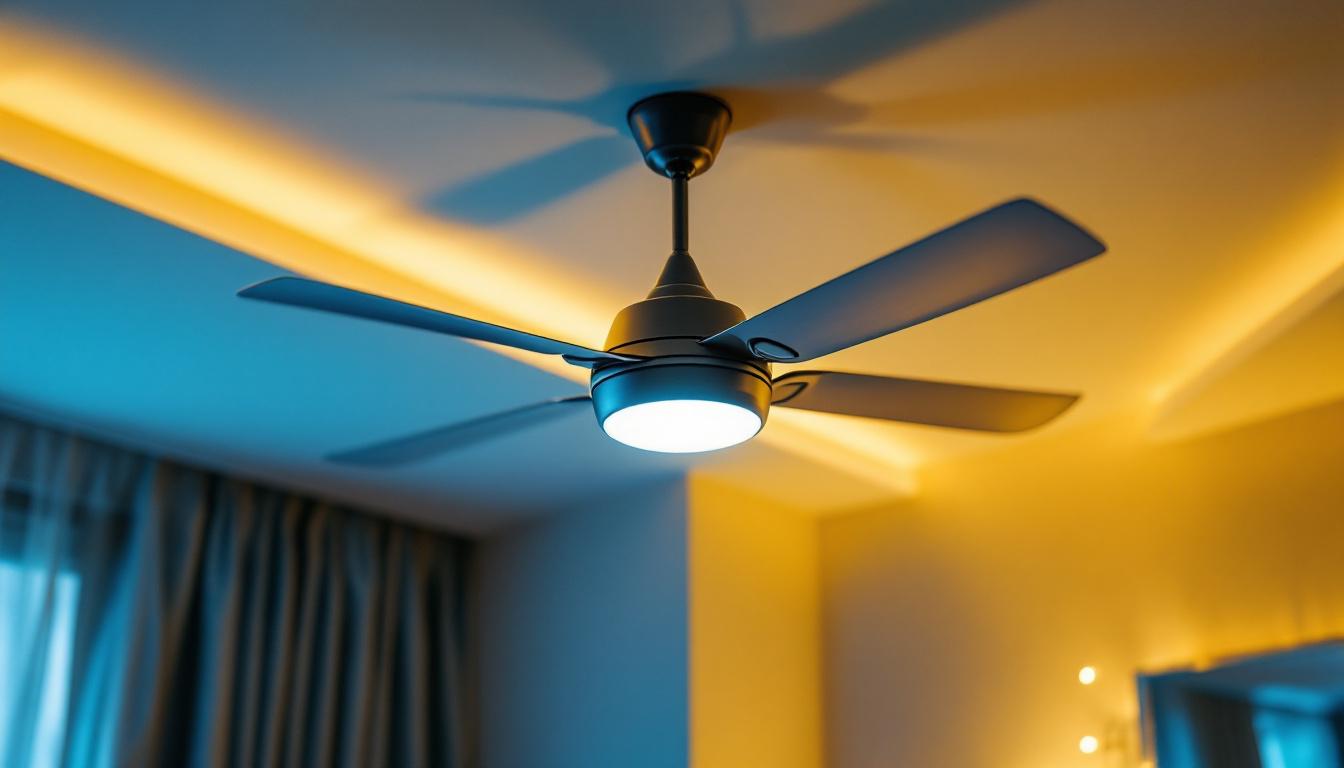
Ceiling fans are not just about cooling down a room; they also contribute significantly to the overall lighting scheme. The right fan can enhance the ambiance, while an ill-suited one can disrupt the harmony of a space. Understanding how to integrate ceiling fans effectively into lighting projects is essential for creating a cohesive design.
Functionality vs. Aesthetics
When selecting a ceiling fan, it is vital to consider both its functionality and aesthetic appeal. A fan that looks great may not perform well in terms of airflow, while a high-performing fan might clash with the room’s decor. Striking the right balance is key to ensuring that the fan complements the lighting rather than detracting from it. Additionally, many modern ceiling fans come equipped with integrated lighting options, allowing for a seamless blend of both elements. This integration can provide versatility, enabling homeowners to adjust lighting levels and airflow simultaneously, which is particularly beneficial in multi-functional spaces.
Ceiling Height Considerations
Another important factor to consider is the height of the ceiling. Low ceilings may require flush mount fans to avoid creating an obstruction, while high ceilings can accommodate larger, more decorative fans. The choice of fan should align with the height of the ceiling to ensure optimal performance and visual appeal. Furthermore, the placement of the fan in relation to the lighting fixtures is crucial. For instance, positioning a fan too close to a chandelier can create visual clutter, while placing it too far away may result in uneven light distribution. Understanding the spatial dynamics of the room can help in achieving a harmonious balance between the fan and the lighting elements.
Moreover, the style of the ceiling fan can also play a pivotal role in setting the tone of the room. For instance, a rustic wooden fan can enhance a cozy, farmhouse-style kitchen, while a sleek, modern fan with metallic finishes can elevate a contemporary living area. The finish of the fan blades can also affect how light interacts with the space; darker blades may absorb light, creating a more subdued atmosphere, while lighter blades can reflect light, enhancing brightness. Therefore, careful consideration of both design and functionality can transform a ceiling fan from a mere utility into a statement piece that enriches the overall lighting design.
Common Mistakes in Ceiling Fan Selection
Even seasoned lighting contractors can fall prey to common mistakes when it comes to selecting ceiling fans. Understanding these pitfalls can help in making informed decisions that enhance the overall lighting project.
Ignoring the Size of the Room
One of the most frequent errors is choosing a fan that is either too large or too small for the room. A fan that is too small may not provide adequate airflow, while one that is too large can overwhelm the space. It is essential to measure the room and select a fan that is proportionate to its size. For instance, in a small bedroom, a fan with a blade span of 36 inches might be ideal, whereas a spacious living room could require a fan with a blade span of 52 inches or more to ensure effective air circulation. Additionally, considering the ceiling height is crucial; a fan installed too high may not circulate air efficiently, while one too low can pose a safety hazard.
Overlooking the Style of the Fan
Ceiling fans come in a variety of styles, from modern to traditional. Selecting a fan that does not match the overall design theme of the space can create a jarring effect. Lighting contractors should take the time to consider the existing decor and choose a fan that enhances the overall aesthetic. For example, a sleek, minimalist fan can complement contemporary interiors, while a rustic wood-finished fan may be better suited for a farmhouse-style room. Furthermore, the finish of the fan blades and the light fixtures can significantly affect the room’s ambiance, making it essential to coordinate these elements thoughtfully.
Neglecting Energy Efficiency
Energy efficiency is another critical aspect that is often overlooked. Fans that are not energy-efficient can lead to higher electricity bills and may not be environmentally friendly. Opting for Energy Star-rated fans can help contractors provide clients with more sustainable options. Additionally, features such as variable speed settings and remote controls can enhance user experience while promoting energy savings. Educating clients about the benefits of using ceiling fans in conjunction with their HVAC systems can also lead to improved energy efficiency, as fans can help circulate conditioned air throughout the home, reducing the need for excessive heating or cooling.
Integrating Ceiling Fans with Lighting Fixtures
The integration of ceiling fans with lighting fixtures is a delicate process that requires careful planning. The goal is to create a harmonious design that enhances both the fan and the lighting elements.
Choosing Compatible Styles
When selecting lighting fixtures to accompany a ceiling fan, it is essential to choose styles that complement each other. For example, a sleek, modern fan may look out of place with ornate chandeliers. Ensuring that the design elements align can create a more cohesive look.
Layering Light Sources
Another important consideration is the layering of light sources. Ceiling fans often come with integrated lighting, but additional lighting sources may be necessary to achieve the desired illumination level. Using a combination of ambient, task, and accent lighting can enhance the overall effect.
Controlling Light and Fan Settings
Modern ceiling fans often come equipped with remote controls or smart technology that allows for easy adjustments. Ensuring that the fan and lighting systems can be controlled together can enhance user experience. Contractors should consider integrating these technologies into their designs for added convenience.
Dealing with Noise Issues
Noise can be a significant concern when it comes to ceiling fans. A noisy fan can detract from the overall enjoyment of a space, making it essential to choose fans that operate quietly.
Understanding Fan Motor Types
Different types of fan motors can produce varying levels of noise. For instance, DC motors tend to operate more quietly than traditional AC motors. Educating clients about the benefits of quieter motor options can help them make informed decisions.
Installation Techniques to Minimize Noise
Proper installation techniques can also play a role in reducing noise. Ensuring that the fan is securely mounted and that all components are properly aligned can minimize vibrations that lead to noise. Contractors should pay close attention to these details during installation.
Addressing Safety Concerns
Safety is paramount in any lighting project, and ceiling fans are no exception. There are several safety considerations that lighting contractors should keep in mind.
Proper Mounting and Installation
Ensuring that ceiling fans are properly mounted is crucial for safety. Fans that are not securely attached can pose a risk of falling, leading to potential injuries. Contractors should follow manufacturer guidelines and local building codes to ensure safe installation.
Electrical Safety
Electrical safety is another critical aspect to consider. It is essential to ensure that the electrical connections are secure and that the fan is compatible with the existing wiring. Hiring a qualified electrician for electrical work can help mitigate risks associated with improper installations.
Maintenance and Longevity of Ceiling Fans
To ensure that ceiling fans continue to perform well over time, regular maintenance is necessary. Educating clients about proper care can enhance the longevity of the fans and the overall lighting project.
Regular Cleaning
Ceiling fans can accumulate dust and debris, which can affect their performance. Regular cleaning is essential to keep fans operating efficiently. Contractors should provide clients with guidelines on how to clean their fans safely and effectively.
Periodic Inspections
Encouraging clients to conduct periodic inspections can help identify potential issues before they become major problems. Checking for loose screws, frayed wires, and other signs of wear can prolong the life of the fan and ensure safe operation.
Choosing the Right Ceiling Fan for Different Spaces
Different spaces may require different types of ceiling fans. Understanding the unique needs of each area can help contractors make better recommendations.
Outdoor Ceiling Fans
Outdoor ceiling fans are designed to withstand the elements, making them a great addition to patios and porches. When selecting outdoor fans, it is essential to choose models that are rated for outdoor use to ensure durability and safety.
Fans for High Ceilings
For spaces with high ceilings, longer downrods may be necessary to ensure proper airflow. Selecting fans specifically designed for high ceilings can enhance performance and ensure that the fan is visually appealing in the space.
Small Room Fans
In smaller rooms, compact ceiling fans can provide the necessary airflow without overwhelming the space. Choosing fans that are appropriately sized for smaller areas can help maintain a balanced design.
Conclusion: The Importance of Thoughtful Design
In conclusion, ceiling fans are an integral part of lighting projects that require thoughtful design and careful consideration. By understanding the various factors involved in selecting and integrating ceiling fans, lighting contractors can avoid costly mistakes and create harmonious spaces that meet their clients’ needs.
From selecting the right size and style to ensuring proper installation and maintenance, attention to detail is crucial. By prioritizing both functionality and aesthetics, contractors can enhance the overall quality of their lighting projects and provide clients with spaces that are not only beautiful but also practical.
Ultimately, the goal is to create environments that are comfortable, inviting, and well-lit, allowing clients to enjoy their spaces to the fullest. With the right approach, ceiling fans can be a valuable asset in any lighting project.
Get Your Premium Ceiling Fans at LumenWholesale
Ready to elevate your lighting projects with ceiling fans that blend design and functionality? Look no further than LumenWholesale. Our extensive selection of spec-grade ceiling fans ensures you can find the perfect match for any space, without the worry of inflated markups. With LumenWholesale, you benefit from wholesale pricing, top-quality products, and the convenience of free shipping on bulk orders. Don’t compromise on quality or value; choose LumenWholesale for lighting solutions that bring your designs to life. Wholesale Lighting at the Best Value is just a click away.