Lighting contractors play a pivotal role in shaping the ambiance, safety, and functionality of residential, commercial, and industrial spaces. Among the many components they work with, standard light fixtures remain a fundamental element. However, despite their widespread use and seemingly straightforward nature, standard light fixtures present a unique set of challenges that can complicate installation, maintenance, and client satisfaction.
This article explores the top challenges lighting contractors face when working with standard light fixtures, providing insights and practical considerations to help navigate these common obstacles effectively.
Understanding the Complexity Behind Standard Light Fixtures
At first glance, standard light fixtures may appear simple and uniform, but the reality is far more complex. These fixtures vary widely in design, electrical requirements, and compatibility with modern lighting technologies.
Diverse Fixture Types and Specifications
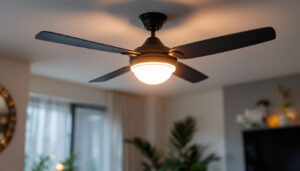
Standard light fixtures encompass a broad range of styles—from ceiling-mounted flush fixtures and wall sconces to recessed lighting and pendant lamps. Each type has its own installation nuances and electrical specifications. For example, a recessed fixture requires precise ceiling cutouts and proper housing, while a wall sconce demands secure mounting and wiring considerations to ensure stability and safety.
Moreover, lighting contractors must consider the fixture’s voltage, wattage limits, and compatibility with dimmers or smart controls. Misunderstanding these specifications can lead to premature fixture failure, electrical hazards, or unsatisfactory lighting performance. Additionally, the aesthetic appeal of a fixture can significantly influence a space’s ambiance. For instance, a well-placed pendant lamp can serve as a focal point in a dining area, while strategically installed recessed lights can create a warm and inviting atmosphere in a living room. The interplay of functionality and design is crucial in selecting the right fixture for each unique setting.
Integration with Modern Lighting Technologies
The rapid adoption of LED technology and smart lighting systems has transformed the lighting landscape. Standard fixtures designed decades ago may not be compatible with new bulbs or control systems, forcing contractors to either retrofit or replace fixtures entirely.
For instance, LED bulbs often require specific drivers or dimmer switches to function correctly. Installing an LED bulb in a fixture not designed for it can cause flickering, reduced lifespan, or even void manufacturer warranties. Lighting contractors must stay informed about evolving technologies and ensure that standard fixtures meet current performance and safety standards. Furthermore, the integration of smart technology allows for enhanced control over lighting environments, enabling users to adjust brightness, color temperature, and even schedule lighting through mobile applications. This shift not only improves energy efficiency but also provides users with a customizable experience that aligns with their lifestyle needs. As the demand for smart home solutions grows, understanding the compatibility and integration of standard fixtures with these advanced systems becomes increasingly essential for both contractors and homeowners alike.
Challenge #1: Navigating Electrical Code Compliance and Safety Regulations
One of the most critical challenges for lighting contractors is ensuring that all installations comply with the National Electrical Code (NEC) and local safety regulations. Non-compliance can result in legal liabilities, failed inspections, or hazardous conditions.
Complexity of Code Requirements
The NEC continuously evolves to address new technologies and safety concerns. Lighting contractors must keep abreast of changes related to fixture grounding, wiring methods, and energy efficiency standards. For example, certain standard fixtures require grounding to prevent electrical shock, while others may have specific wiring restrictions in damp or wet locations.
Additionally, contractors must verify that fixtures meet UL (Underwriters Laboratories) or equivalent certification standards. Using uncertified fixtures can compromise safety and insurance coverage.
Ensuring Safe Installation Practices
Beyond code compliance, safe installation practices are paramount. Lighting contractors face challenges such as working in confined or elevated spaces, managing live circuits, and coordinating with other trades on-site. Mistakes during installation—like improper wire connections or inadequate fixture support—can lead to electrical fires or fixture detachment.
Implementing rigorous safety protocols, including lockout/tagout procedures and personal protective equipment (PPE), helps mitigate these risks. Regular training and certification updates are essential for maintaining safety standards.
Challenge #2: Managing Compatibility and Retrofit Issues
Many lighting projects involve upgrading or retrofitting existing installations. This presents unique challenges when integrating standard light fixtures with older infrastructure or newer technologies.
Dealing with Legacy Wiring and Fixtures
Older buildings often have outdated wiring systems that may not support modern fixtures or lighting loads. For example, aluminum wiring or knob-and-tube wiring can pose fire hazards or be incompatible with contemporary fixtures. Lighting contractors must assess the existing electrical infrastructure and determine whether rewiring or additional modifications are necessary.
Moreover, older fixtures may have non-standard mounting systems or sizes, making replacement difficult without custom adapters or modifications. Contractors must balance preserving architectural aesthetics with ensuring functional and safe lighting.
Retrofitting for Energy Efficiency
Energy efficiency mandates and client preferences often drive retrofitting projects. Upgrading from incandescent or fluorescent fixtures to LED-based standard fixtures can significantly reduce energy consumption and maintenance costs. However, retrofitting is not always straightforward.
Challenges include ensuring that new LED fixtures fit existing electrical boxes, are compatible with dimmers or sensors, and meet illumination requirements. Lighting contractors must also consider the color temperature and light distribution to maintain or improve the space’s visual comfort.
Challenge #3: Supply Chain and Product Availability
In recent years, supply chain disruptions have become a significant concern across the construction and electrical industries. Lighting contractors often face delays or shortages of standard light fixtures, impacting project timelines and budgets.
Impact of Global Supply Chain Issues
Factors such as raw material shortages, transportation delays, and increased demand have led to fluctuating availability of lighting products. Standard fixtures, despite their ubiquity, are not immune to these challenges. Contractors may experience backorders, discontinued models, or price increases, complicating project planning.
These disruptions require contractors to maintain flexible procurement strategies, including early ordering, diversifying suppliers, and maintaining inventory buffers where feasible.
Ensuring Product Quality Amid Availability Constraints
When faced with limited options, contractors might be tempted to source fixtures from less familiar manufacturers or lower-cost suppliers. However, this can compromise quality, durability, and compliance. Poor-quality fixtures may fail prematurely or pose safety risks, leading to costly callbacks and reputational damage.
Therefore, lighting contractors must balance availability with product reliability, prioritizing trusted brands and verified certifications.
Challenge #4: Client Expectations and Customization Demands
Clients increasingly expect lighting solutions that not only illuminate but also enhance aesthetics, support sustainability goals, and integrate with smart home or building automation systems. Meeting these expectations while working with standard light fixtures can be challenging.
Balancing Standard Fixtures with Design Preferences
Standard light fixtures are often selected for their cost-effectiveness and availability. However, clients may desire unique designs or finishes that standard models do not offer. Lighting contractors must navigate these preferences by recommending fixture lines that offer customization options or by suggesting complementary decorative elements.
In some cases, contractors may need to collaborate with manufacturers for custom orders or modify fixtures on-site, which requires additional expertise and resources.
Incorporating Sustainability and Smart Features
Environmental considerations are increasingly important. Clients may request fixtures with energy-efficient LEDs, recyclable materials, or certifications such as ENERGY STAR. Additionally, integration with smart controls—such as occupancy sensors, daylight harvesting, and remote dimming—adds complexity to standard fixture installations.
Lighting contractors must be knowledgeable about these technologies and capable of integrating them seamlessly without compromising fixture performance or safety.
Challenge #5: Installation and Maintenance in Diverse Environments
Standard light fixtures are installed in a wide range of environments, each with unique challenges that affect installation and long-term maintenance.
Environmental Factors Affecting Installation
Fixtures installed in damp, dusty, or corrosive environments require special considerations. For example, outdoor or industrial settings may necessitate fixtures with specific IP (Ingress Protection) ratings to prevent moisture or dust ingress. Failure to select appropriate fixtures can lead to premature failure or safety hazards.
Lighting contractors must evaluate environmental conditions carefully and select fixtures and installation methods that ensure durability and compliance.
Maintenance Accessibility and Longevity
Standard fixtures in commercial or industrial settings often require periodic maintenance, such as bulb replacement or cleaning. Contractors must consider fixture accessibility during installation to facilitate safe and efficient maintenance. Poorly accessible fixtures can increase maintenance costs and downtime.
Additionally, selecting fixtures with longer-lasting components, such as LED modules with extended lifespans, can reduce maintenance frequency and improve client satisfaction.
Strategies for Overcoming Challenges with Standard Light Fixtures
While the challenges outlined are significant, lighting contractors can adopt several strategies to mitigate risks and enhance project outcomes.
Continuous Education and Training
Staying current with electrical codes, emerging technologies, and best practices is essential. Regular training sessions, certifications, and industry seminars help contractors maintain expertise and adapt to evolving standards.
Thorough Project Planning and Communication
Detailed assessments of site conditions, client needs, and product specifications before procurement and installation reduce surprises. Open communication with clients, suppliers, and other trades ensures alignment and timely resolution of issues.
Leveraging Technology and Tools
Utilizing design software, mobile apps for project management, and diagnostic tools can improve accuracy and efficiency. For example, lighting simulation software helps visualize fixture placement and lighting effects, aiding in client approvals and design optimization.
Building Strong Supplier Relationships
Reliable suppliers who provide quality products and responsive service are invaluable. Establishing partnerships can improve access to inventory, technical support, and custom solutions.
Conclusion
Standard light fixtures, despite their name, present a multifaceted set of challenges for lighting contractors. From navigating complex electrical codes and ensuring compatibility with modern technologies to managing supply chain uncertainties and meeting evolving client expectations, the role demands a blend of technical expertise, strategic planning, and adaptability.
By understanding these challenges and implementing proactive strategies, lighting contractors can deliver safe, efficient, and aesthetically pleasing lighting solutions that meet the demands of today’s diverse projects.
Ultimately, success in working with standard light fixtures hinges on a commitment to continuous learning, quality workmanship, and client-focused service—cornerstones that define professional excellence in the lighting industry.
Illuminate Your Projects with LumenWholesale
As a lighting contractor facing the multifaceted challenges of standard light fixtures, you need a partner that provides not just products, but solutions. LumenWholesale is here to support your commitment to excellence with our spec-grade lighting products at unbeatable wholesale prices. Say goodbye to inflated markups and hello to a vast selection of reliable, high-performance lighting that meets the highest industry standards. With free shipping on bulk orders, we ensure that you get the premium lighting you need at the best value, hassle-free. Elevate your lighting game and experience the best in wholesale lighting with LumenWholesale.